


In a Rush?
Top Hotels in Dubai (Summer Deals)
- ⭐⭐⭐ Burj Al Arab Jumeirah – Check prices and availability
- ⭐⭐ Atlantis The Palm – Check prices and availability
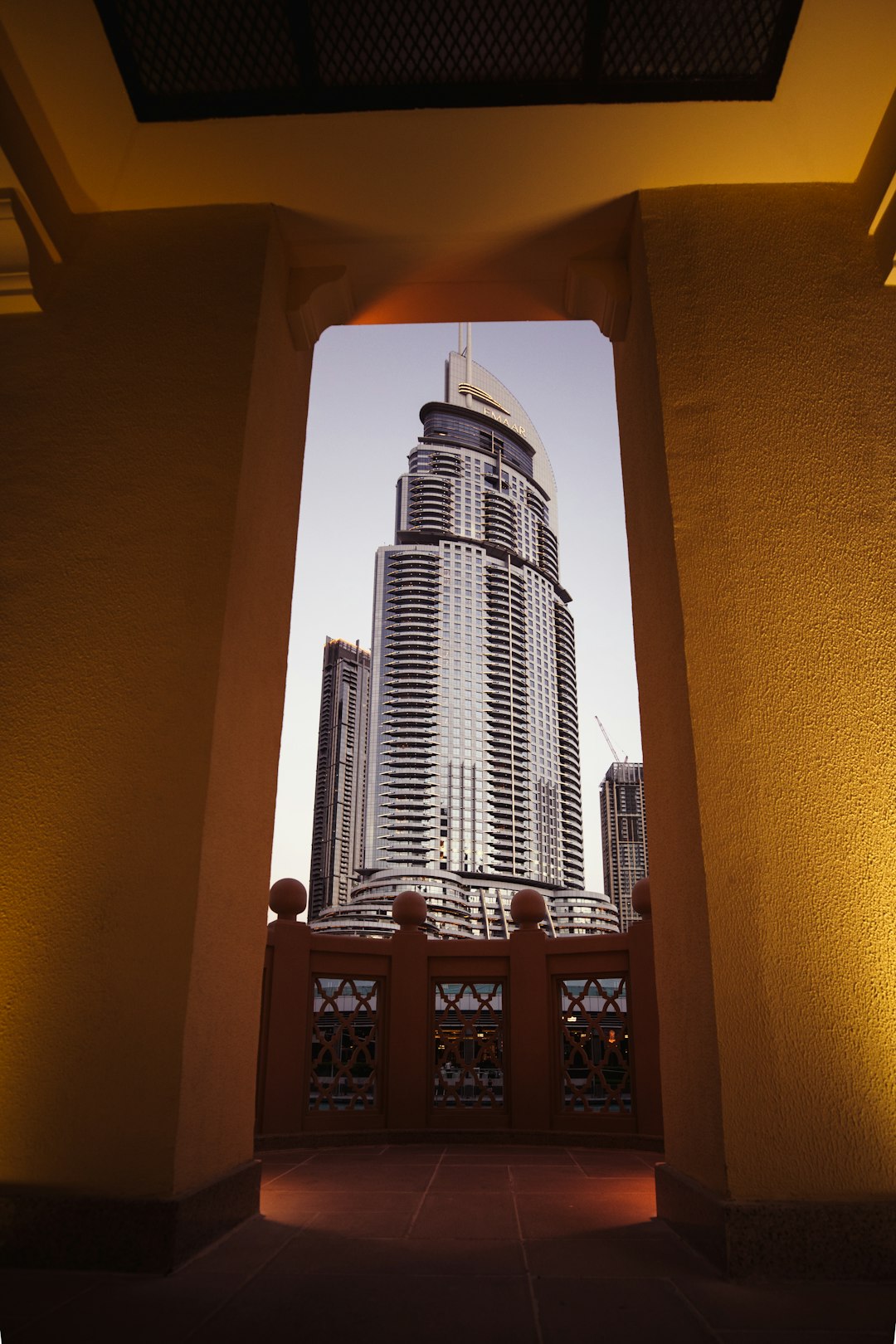
- ⭐ Address Downtown Dubai – Check prices and availability
If you're wondering is dubai worth visiting summer, here's an honest, no-hype answer.
Dubai in summer is a divisive topic. From June through September, temperatures routinely climb past 40°C, humidity levels soar, and stepping outside during the middle of the day feels like opening an oven door. Some travellers call it unbearable. Others call it the best-kept secret in travel.
The truth is more nuanced. Summer in Dubai means empty tourist sites, heavily discounted hotels, flight deals that do not exist in winter, and a city that has spent decades building indoor infrastructure to survive its own climate. We think the question is not whether Dubai is worth visiting in summer — it is whether summer Dubai is worth it for you, based on what you want from a trip and how you handle heat.
This guide breaks down the honest pros and cons, the cost differences between summer and peak season, what is actually open, and how to structure a summer itinerary without melting. If you are considering a summer trip to Dubai, we suggest reading this before you book anything.
At a Glance: Is Dubai Worth Visiting Summer?
| Factor | Summer (June–September) | Winter (November–March) |
|---|---|---|
| Average Temperature | 35–45°C | 20–28°C |
| Hotel Prices | 40–60% lower | Peak rates |
| Flight Prices | 30–50% lower | Peak rates |
| Crowds | Minimal | Heavy |
| Desert Activities | Limited (evenings only) | Full availability |
| Pool & Beach | Open, but 11:00–16:00 is tough | Ideal |
| Indoor Attractions | Fully operational, often expanded | Fully operational |
| Outdoor Dining | Limited, mostly after sunset | Extensive |
What Dubai Summer Actually Feels Like
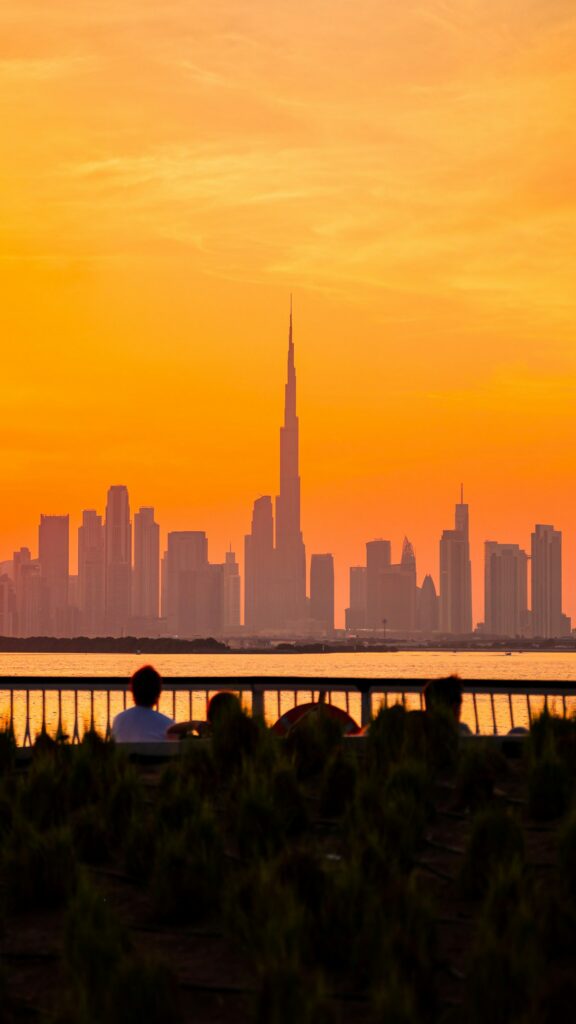
Dubai is hot in summer. There is no way around that. Daytime highs regularly hit 42–45°C, and the humidity coming off the Gulf can push the heat index even higher. The sun is intense. Concrete and asphalt radiate heat well into the evening.
But here is the part most guides do not emphasise: Dubai is also one of the most air-conditioned cities on Earth. Malls, hotels, metro stations, taxis, restaurants, and even bus stops are cooled aggressively. The Dubai Metro is fully enclosed and air-conditioned. Most hotels have climate-controlled walkways connecting directly to malls. Some neighbourhoods, like Downtown Dubai and Dubai Marina, are designed so you can move between hotels, restaurants, and entertainment venues without stepping outside for more than a few minutes.
We believe the real question is not “can you survive the heat?” It is “are you comfortable structuring your day around indoor spaces during the hottest hours?” If the answer is yes, summer Dubai becomes a completely different experience than the one described in most travel warnings.
The Cost Advantage: Real Numbers
This is where summer Dubai becomes genuinely interesting. The price gap between summer and winter is substantial, and it changes the economics of the trip.
Hotels
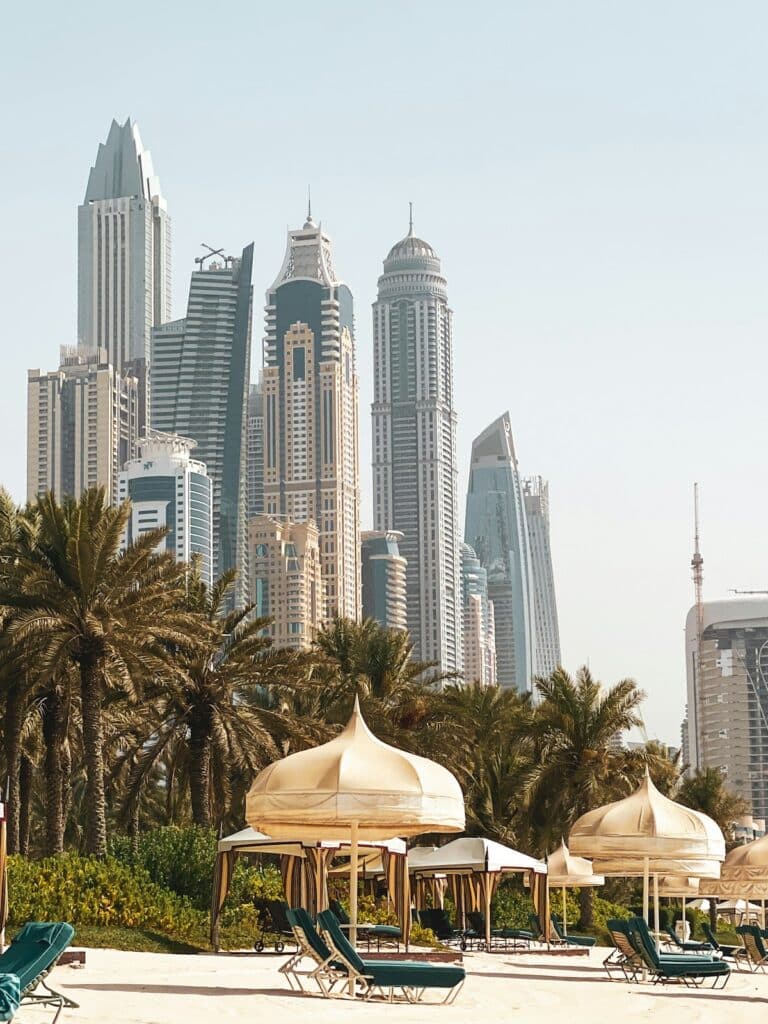
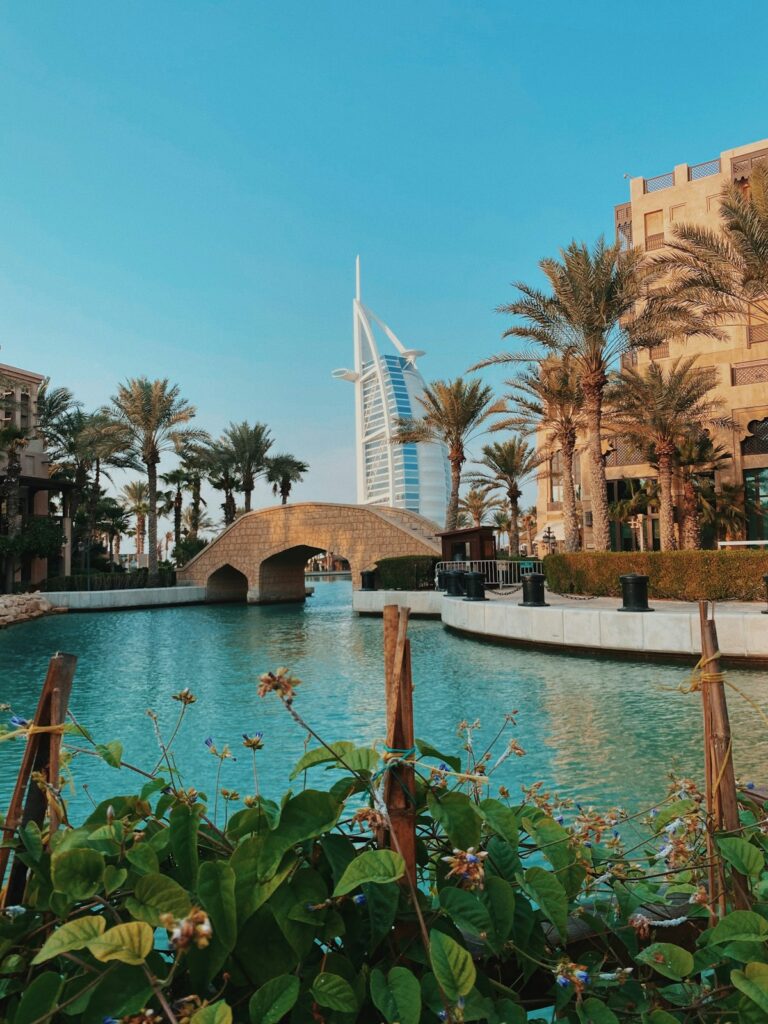
A mid-range hotel in Downtown Dubai that costs $250–$350 per night in January can drop to $90–$150 per night in July. Luxury hotels see similar percentage drops. Five-star properties on Palm Jumeirah or in the Marina frequently run summer promotions that include breakfast, spa credits, or pool access at rates that would be impossible in peak season.
Flights
Return flights from Europe to Dubai in summer are typically 30–50% cheaper than in December or January. From the UK, we regularly see return fares under $350 in July and August, compared to $600–$900 in winter. From Southeast Asia, the difference is smaller but still noticeable.
Attractions
Many Dubai attractions run summer promotions. IMG Worlds of Adventure, Dubai Parks and Resorts, and the Dubai Aquarium frequently offer discounted tickets or bundle deals between June and August. The Dubai Summer Surprises shopping festival, running from June to September, adds city-wide retail discounts and entertainment programming.
The Trade-Off
You save money, but you lose the desert sunsets, the beach days, and the outdoor dining. We think the savings are worth it for travellers who prioritise indoor experiences, luxury hotels, and shopping — and who do not mind shifting their outdoor activities to early mornings and late evenings.
Who Summer Dubai Is For
Not every traveller will enjoy Dubai in summer. Here is how we break it down.
Summer Dubai Works Well For:
- Families with young children: Kids do not care about desert sunsets, but they do care about water parks, indoor theme parks, and hotel pools. Summer prices make higher-tier hotels accessible, and the lack of queues at IMG Worlds or the Dubai Aquarium means more rides and less waiting.
- Shoppers: The Dubai Mall, Mall of the Emirates, and Dubai Festival City are at their best during the Summer Surprises festival. Discounts are real, crowds are thin, and the air conditioning is free.
- Luxury travellers on a budget: If you have always wanted to stay at a five-star beachfront resort but balked at winter prices, summer makes it possible.
- Repeat visitors: If you have already done the desert safari, the dhow cruise, and the Burj Khalifa observation deck, summer lets you explore Dubai's indoor cultural scene — museums, art galleries, food halls, and theatre — at a slower pace.
Summer Dubai Does Not Work Well For:
- First-time visitors who want the full experience: If your dream Dubai trip includes beach days, desert camping, outdoor brunches, and long walks through Old Dubai, summer will disappoint you.
- Photography-focused travellers: The harsh midday light and heat haze make outdoor photography difficult. Sunrise and sunset are your only viable windows.
- Budget backpackers: Summer savings help, but Dubai is still an expensive city. Budget travellers who want outdoor exploration and cheap street food will find better value in Southeast Asia or the Balkans during summer.
- Anyone with respiratory issues or heat sensitivity: The air quality combined with extreme heat and humidity is genuinely hard on some people. If you struggle in hot climates, Dubai in summer is not the place to test your limits.
What Is Open in Summer — and What Is Not
Dubai does not shut down in summer. In fact, many attractions expand their indoor programming specifically for the season. But some experiences are significantly reduced.
Fully Operational (Indoor):
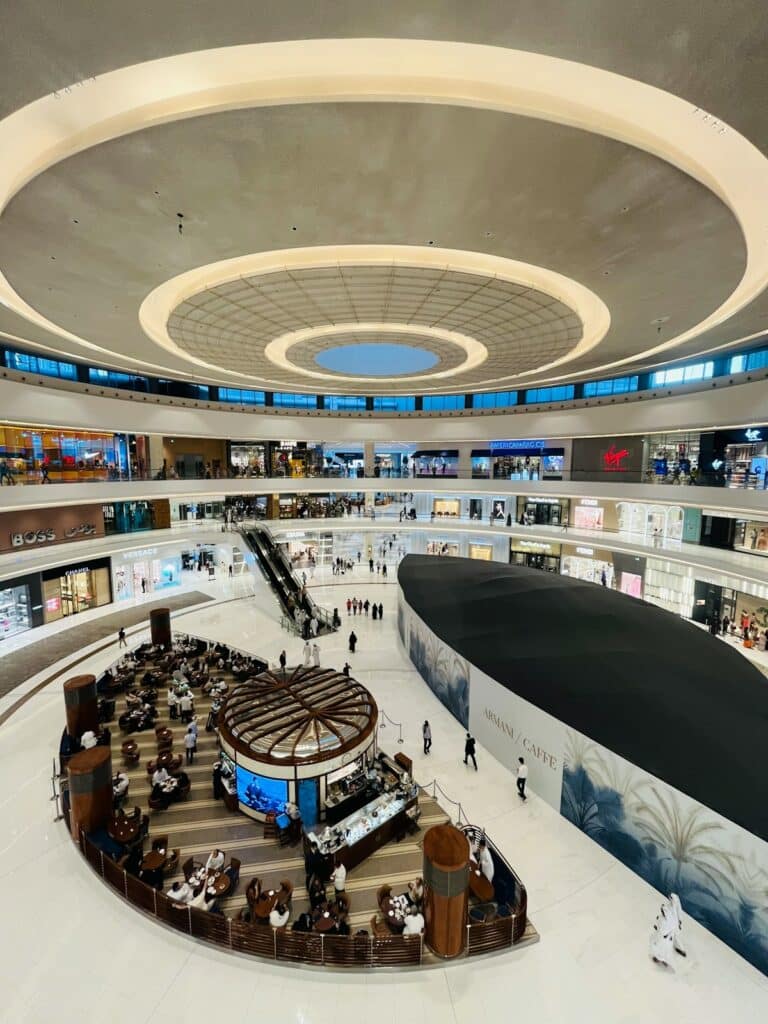
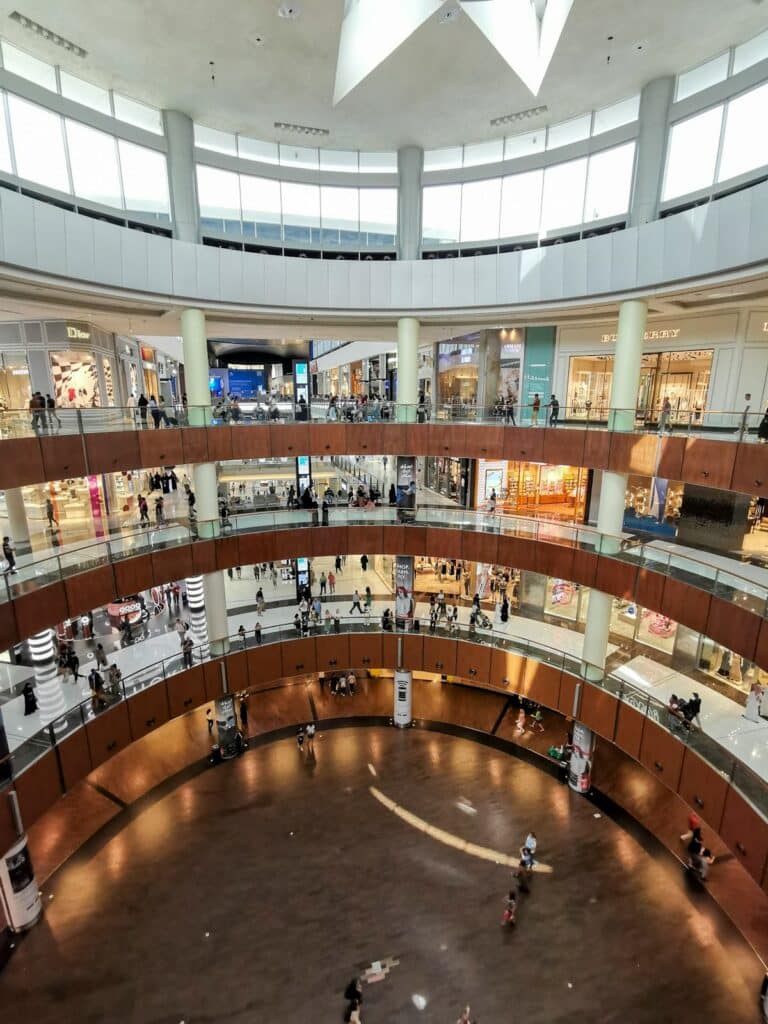
- The Dubai Mall and all its attractions (aquarium, ice rink, VR Park)
- Mall of the Emirates and Ski Dubai
- IMG Worlds of Adventure
- Dubai Parks and Resorts (indoor portions)
- Museum of the Future
- Louvre Abu Dhabi (day trip)
- Sheikh Mohammed Centre for Cultural Understanding
- Dubai Opera performances
- Most restaurants, hotels, and spas
Limited or Altered:
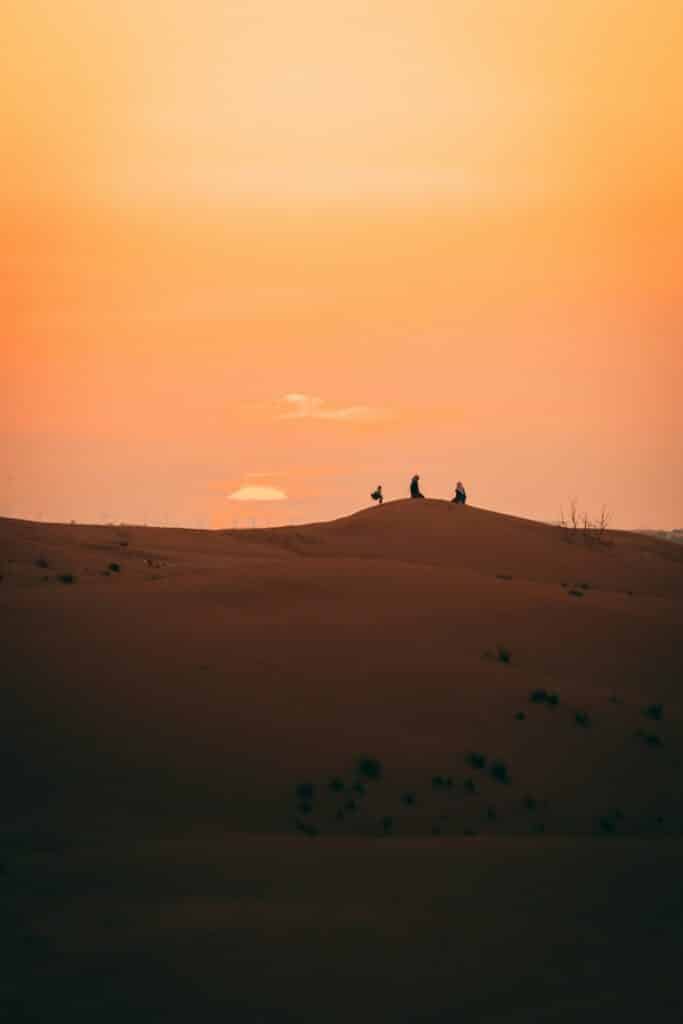
- Desert safaris: Most operators run evening-only safaris starting after 16:00. Dune bashing, camel rides, and Bedouin-style dinners still happen, but they start later and end earlier. Some camps close entirely in July and August.
- Beach clubs: Many beach clubs remain open but shift to evening hours or reduce their food and beverage service during the hottest afternoons.
- Outdoor markets: The Ripe Market and similar outdoor events typically pause between June and September.
- Dhow cruises on the Creek: Evening cruises still operate, but afternoon sightseeing abra rides are uncomfortable and rarely recommended.
Closed:
- Some smaller outdoor adventure operators (kayaking, hiking groups, cycling tours) suspend operations during July and August.
- Dubai Miracle Garden closes for the summer season.
How to Structure a Summer Day in Dubai
The key to enjoying Dubai in summer is timing. We recommend a three-phase day structure that works with the heat rather than against it.
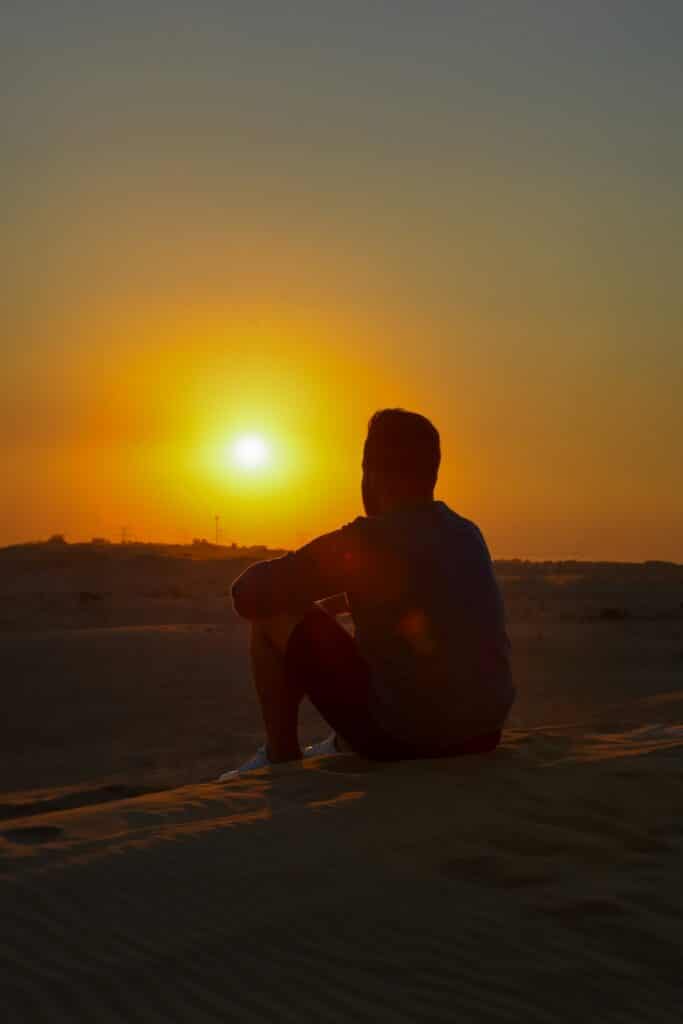
Phase 1: Early Morning (06:00–10:00)
This is your outdoor window. Temperatures are still warm — usually 30–33°C — but the sun is lower and the humidity has not peaked. Use this window for:
- A beach walk or swim
- A walk through the Al Fahidi Historical Neighbourhood
- A morning visit to the Dubai Frame or Zabeel Park
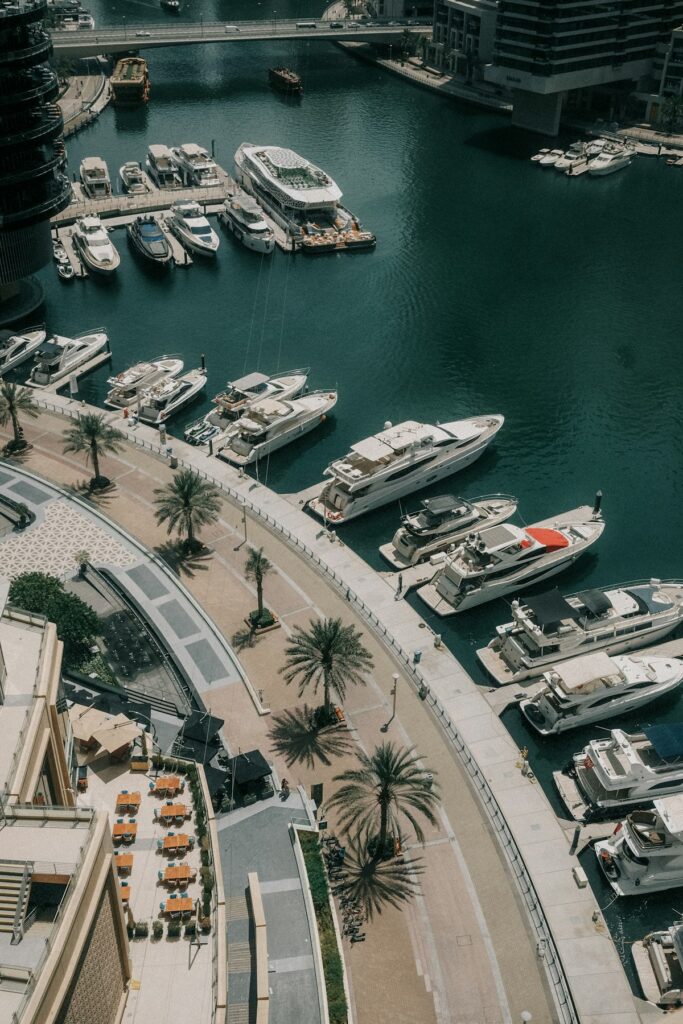
- A jog or cycle along the Dubai Marina promenade
Phase 2: Midday (10:00–18:00)
This is indoor time. Treat the city like a series of climate-controlled destinations connected by air-conditioned transport. The Dubai Metro is fully enclosed and costs about $0.50–$1.50 per ride. Taxis are metered and air-conditioned. Uber and Careem operate across the city.
Recommended indoor itineraries:
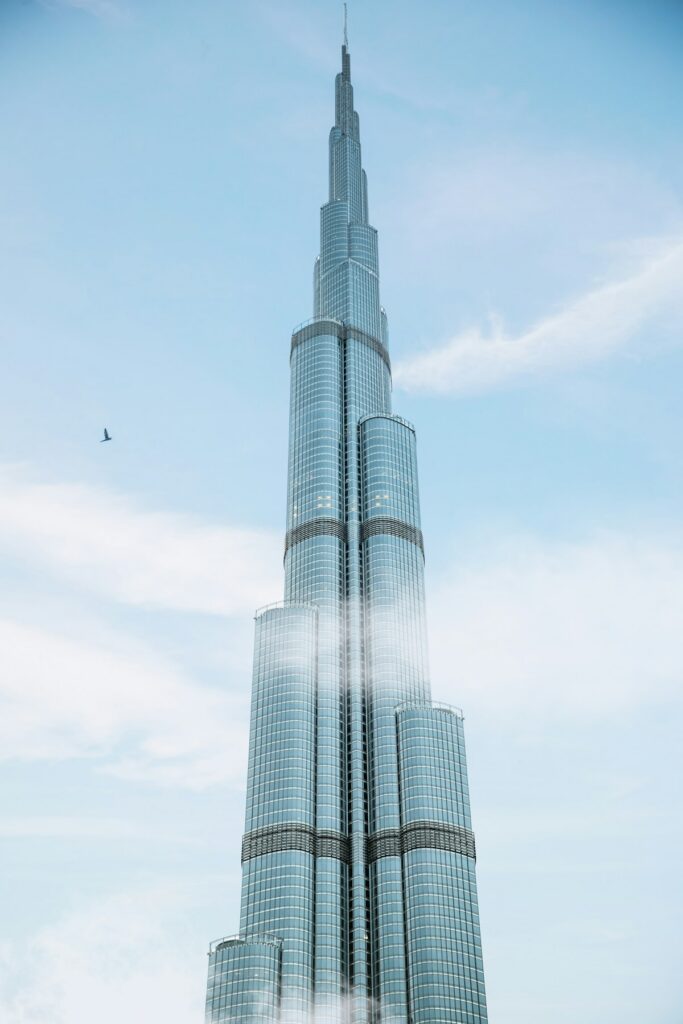
- Option A: Dubai Mall (aquarium, shopping, lunch) → Burj Khalifa (book the observation deck for 14:00–16:00 when queues are shortest) → afternoon coffee at a mall café
- Option B: Museum of the Future → lunch at a restaurant in the Financial Centre → afternoon at the Green Planet indoor rainforest
- Option C: Mall of the Emirates (Ski Dubai session, shopping) → movie at VOX Cinemos → dinner at one of the mall's restaurants
Phase 3: Evening (18:00–23:00)
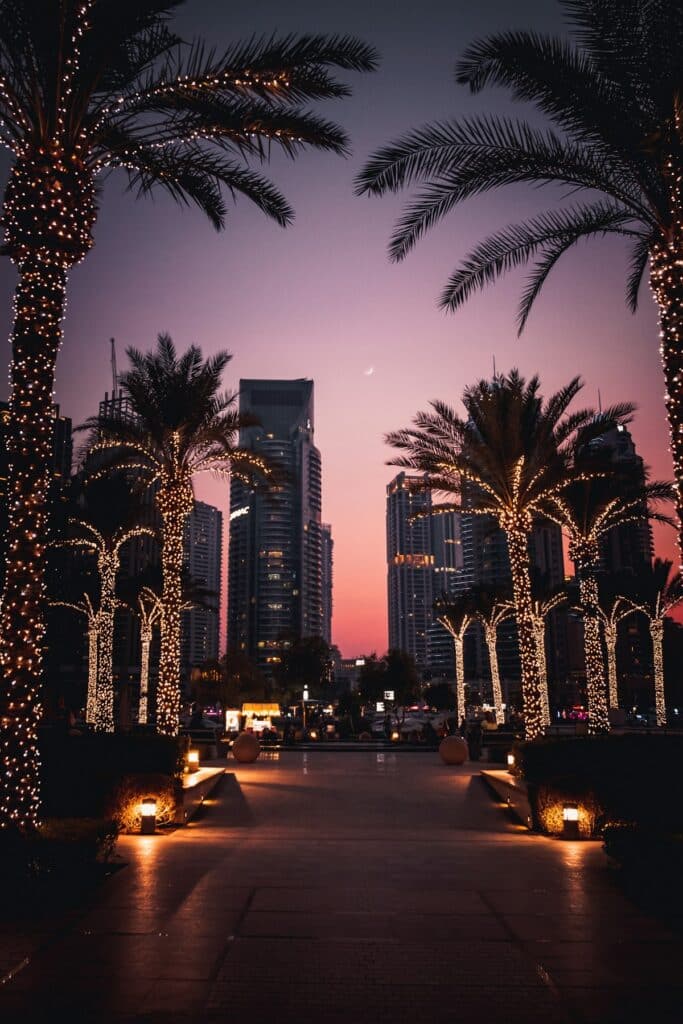
As the sun sets, temperatures drop to 33–36°C. It is still hot, but manageable for short outdoor stretches. Use this window for:
- Dinner at an outdoor terrace (many restaurants have misting systems and fans)
- An evening desert safari
- A walk along the Dubai Marina or JBR Beach promenade
- The Dubai Fountain show outside the Dubai Mall (performed every 30 minutes from 18:00)
- Late-night shisha at a waterfront café
Summer-Specific Tips
- Hydrate constantly: The dry heat is deceptive. You will sweat more than you realise. Carry water everywhere.
- Book indoor attractions in advance: Even though crowds are smaller, some indoor venues (Museum of the Future, Burj Khalifa) still require advance bookings.
- Use hotel pools in the evening: Most hotel pools are temperature-controlled and much more pleasant after 17:00 than at midday.
- Dress appropriately: Lightweight, breathable fabrics in light colours. Dubai is relatively liberal for the region, but modest dress is still appreciated in older neighbourhoods and religious sites.
- Do not rent a car unless necessary: Walking from a parked car to an entrance in 45°C heat is genuinely unpleasant. Use the Metro, taxis, or hotel shuttles.
- Check Ramadan dates: If your summer trip overlaps with Ramadan, some restaurant hours change and public eating during daylight hours is restricted. In 2026, Ramadan is expected to fall between mid-February and mid-March, so it will not overlap with the June–September summer window.
Day-by-Day Summer Itinerary Suggestions
3-Day Summer Trip
- Day 1: Early morning walk at JBR Beach → Dubai Mall and Burj Khalifa (midday) → Dubai Fountain show and dinner at a Downtown terrace (evening)
- Day 2: Al Fahidi Historical Neighbourhood and Dubai Museum (morning) → Sheikh Mohammed Centre for Cultural Understanding lunch programme (midday) → Dubai Creek abra ride and Gold Souk (late afternoon/evening)
- Day 3: IMG Worlds of Adventure or Dubai Parks and Resorts (full day indoor) → evening pool time at your hotel
5-Day Summer Trip
Add:
- Day 4: Day trip to Abu Dhabi (Louvre Abu Dhabi, Sheikh Zayed Grand Mosque in the evening when it opens after sunset) — the mosque is air-conditioned inside and beautifully lit after dark
- Day 5: Mall of the Emirates and Ski Dubai session → afternoon spa treatment → evening desert safari
7-Day Summer Trip
Add:
- Day 6: Museum of the Future → Green Planet → evening at La Mer or City Walk
- Day 7: Brunch at a hotel (many hotels run famous Friday brunches year-round) → afternoon at a beach club with a temperature-controlled pool → farewell dinner with skyline views
Staying Connected in Dubai
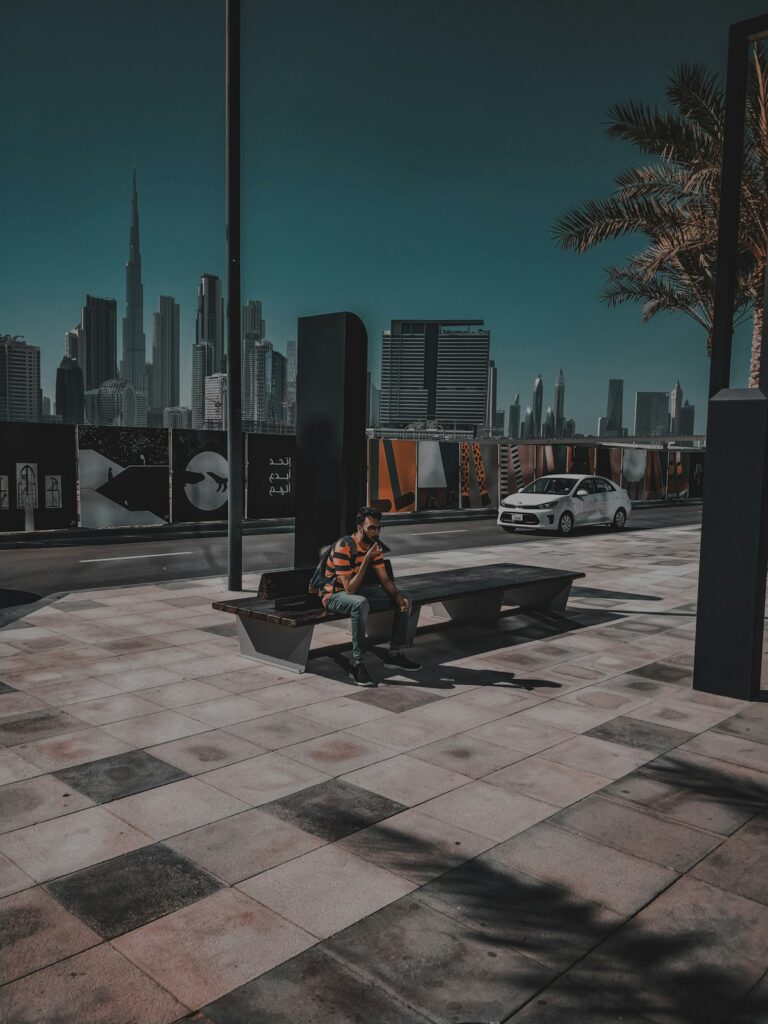
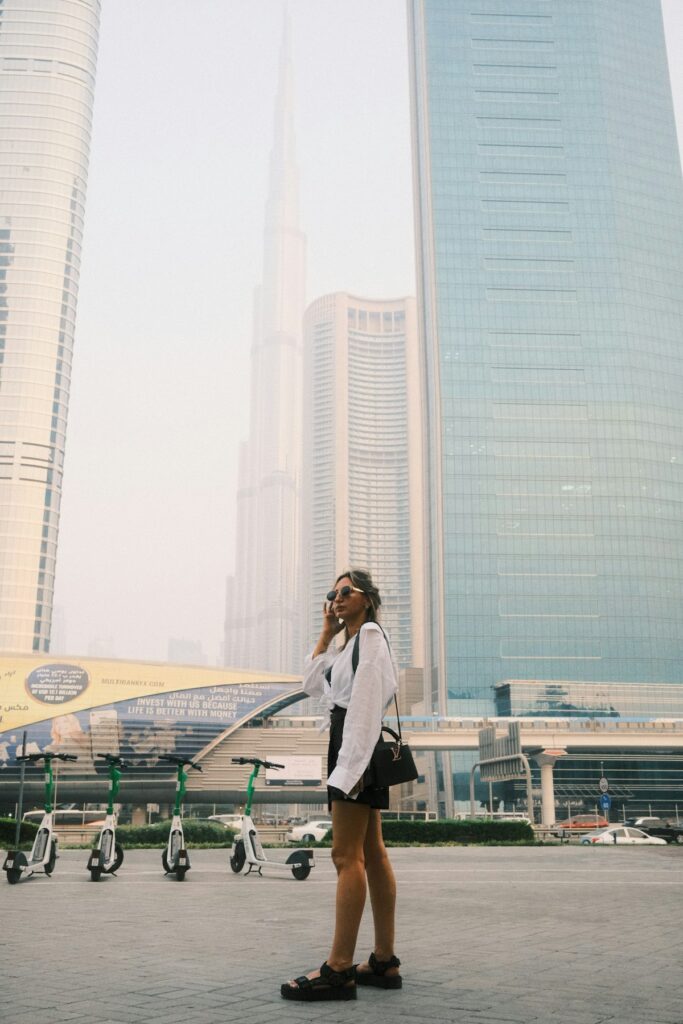
Summer travel in Dubai relies heavily on your phone: booking indoor attractions, ordering Careem rides, checking mall maps, and finding air-conditioned routes between destinations. Reliable mobile data is not optional — it is essential.
We recommend [checking our eSIM options for the United Arab Emirates] for affordable, pre-activated data that works the moment you arrive at Dubai International Airport. You can book everything online before your trip, avoid the hassle of finding a local SIM, and stay connected across the city without roaming charges.
Frequently Asked Questions
Is Dubai too hot to walk around in summer?
During midday, yes. But early mornings and evenings are manageable for short walks, and the city is designed for indoor transit. We do not recommend long outdoor walks between 10:00 and 17:00.
Are hotels cheaper in summer?
Yes. We typically see 40-60% reductions compared to peak winter rates. Luxury hotels often include added perks like breakfast or spa credits to attract guests.
Can you swim in the sea in summer?
Yes, the sea is warm, around 30–33°C. It is more like a bath than a refreshing swim, but many people enjoy it. Hotel pools are usually temperature-controlled and more comfortable.
Is the Dubai Metro air-conditioned?
Yes. The stations and trains are fully enclosed and cooled. It is one of the most comfortable ways to move around the city in summer.
Do attractions close in summer?
Most major indoor attractions remain fully open. Some outdoor operators (desert camps, hiking groups, outdoor markets) reduce hours or close during July and August.
Is it safe to visit Dubai in summer with children?
Yes, provided you stick to the three-phase day structure. Children generally handle the heat less well than adults, so limit outdoor time and prioritise water parks, indoor theme parks, and hotel pools.
What should I pack for Dubai in summer?
Lightweight, loose-fitting clothing in breathable fabrics. A light cardigan for aggressively air-conditioned malls. Sunscreen, sunglasses, and a hat for the early morning outdoor window. Comfortable sandals or breathable walking shoes.
Final Thoughts
Dubai in summer is not for everyone. If your idea of a perfect trip involves long beach days, outdoor markets, and desert sunsets, you should visit between November and March instead.
But if you are flexible, budget-conscious, or drawn to indoor luxury experiences, summer Dubai offers real advantages. The city is quieter, the hotels are cheaper, and the indoor infrastructure — malls, museums, theme parks, restaurants — is as good as anything in the world. You just need to accept that the outdoors is something you visit briefly, not something you live in.
We think summer Dubai is worth it for families, shoppers, repeat visitors, and anyone who views travel as a mix of experiences rather than a checklist of outdoor sights. Approach it with the right expectations, structure your days intelligently, and you will find a side of Dubai that most winter visitors never see.
Related Blog
Internet Options for Tourists in the UAE: eSIM, SIM & More (2026)
Other Destination Guide in the Middle East
Do You Need Mobile Data in Turkey? Your Complete Guide (2026)
Add your first comment to this post