


Table of Contents
Every World Cup travel guide will tell you to book early, use public transport, and arrive at the stadium two hours before kick-off. Those three things are correct, and they are table stakes.
This is not that guide.
The 2026 FIFA World Cup is the most logistically complex tournament in the history of the competition. Three countries. Sixteen cities. Forty-eight teams. One hundred and four matches over thirty-nine days. Fans who have been to previous World Cups know that the standard advice does not prepare you for the specific friction points of being in a host city on match day — the bag you are about to be turned away for at the gate, the $95 rideshare surge nobody mentioned, the border crossing that adds three hours to your inter-city connection, and the 9pm notification that your national team just qualified for a match in a city you haven't booked.
These are the tips that come from attending tournaments, not from reading about them. They are specific to 2026. Read the whole list before you finalise any part of your plan.
At a Glance
Here is what this guide covers:
- Stadium day traps: The bag policy that turns fans away at the gate; the parking myth; mobile network failure
- Transport realities: Why rideshare surges post-match; the transit truth nobody tells you about Dallas and Kansas City
- Border crossing arithmetic: How long a US–Mexico or US–Canada crossing actually takes in a tournament context
- The knockout stage timing problem: Why fans following a national team need a fundamentally different booking approach
- The 48-team format quirks: What the new Round of 32 means for your travel planning
- Weather at specific venues: Venues where heat is genuinely dangerous and what to do about it
- Money and mobile in Mexico: The currency mistake, the ATM sequence, the eSIM non-negotiable
- The restaurant booking problem: Why dinner reservations in host cities are nearly as competitive as match tickets
- What to do when things go wrong: Missed flight, cancelled accommodation, phone dead on match day
1. The Stadium Bag Policy Will Turn You Away — and There Is No Storage On-Site
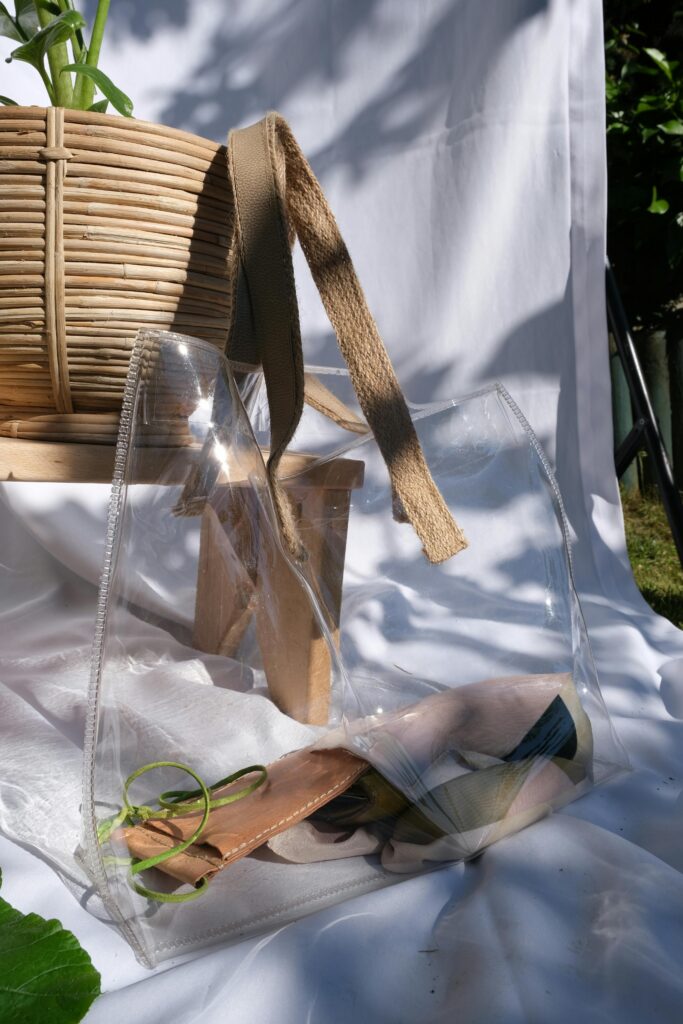
This is the single most common avoidable failure that fans experience on match day at American stadiums. The FIFA World Cup 2026 operates under strict clear bag policies at all US venues, consistent with standard NFL and major stadium rules. The specific rules matter:
What is allowed (per FIFA's published policy for US venues):
- One clear plastic, vinyl, or PVC bag no larger than 12″ × 6″ × 12″
- OR one small clutch bag no larger than 4.5″ × 6.5″ (approximately the size of a hand)
- A one-gallon clear plastic zip-lock bag as an alternative
What is not allowed and will get you turned away:
- Standard backpacks, even small ones
- Camera bags
- Drawstring bags
- Clear bags exceeding the size limit
- Any opaque bag, regardless of size
The critical detail: there is no bag storage at any stadium. If you arrive at the gate with a disallowed bag, you will not be offered a storage alternative — you will be turned away and need to find somewhere off-site to leave the bag before returning. In a city where every locker and storage service near the stadium is full on match day, this is a real problem.
What to do: Pack your match day items into a compliant clear bag before you leave your hotel. Use luggage storage services — Stasher.com, Bounce.app, and LuggageHero — for your main bag if you are arriving in a host city on match day. Book the storage slot in advance.

2. Mobile Data Dies Near Stadiums — Download Everything Before You Leave
When 60,000 people arrive in the same postcode with smartphones, the mobile network degrades. This is not a complaint — it is physics. The towers near stadiums during major events are overwhelmed regardless of carrier, and the consequence for modern match-day travel is severe.
What you need on your phone that you must download offline before you leave your hotel:
- Your match tickets (download PDF backup, not just the live barcode link)
- Google Maps offline map for the entire host city (Settings → Offline Maps → Select area)
- Your accommodation address written down in a note (not just saved in Maps)
- Your return transit route saved or screenshotted
- Your emergency contact number and travel insurance number
The eSIM situation: If you are an international fan or crossing between host countries, use an eSIM. Roaming charges in North America can be extraordinary — a day of roaming data in Mexico or Canada on a standard international plan can cost $15-30. An eSIM with a North America multi-country data plan costs $15-25 for a full week and works across all three host countries without switching SIMs.

Covers USA, Canada, and Mexico on a single eSIM. No swapping, no reactivation when you cross a border.
3. Post-Match Rideshare Surges Are Not a Minor Inconvenience
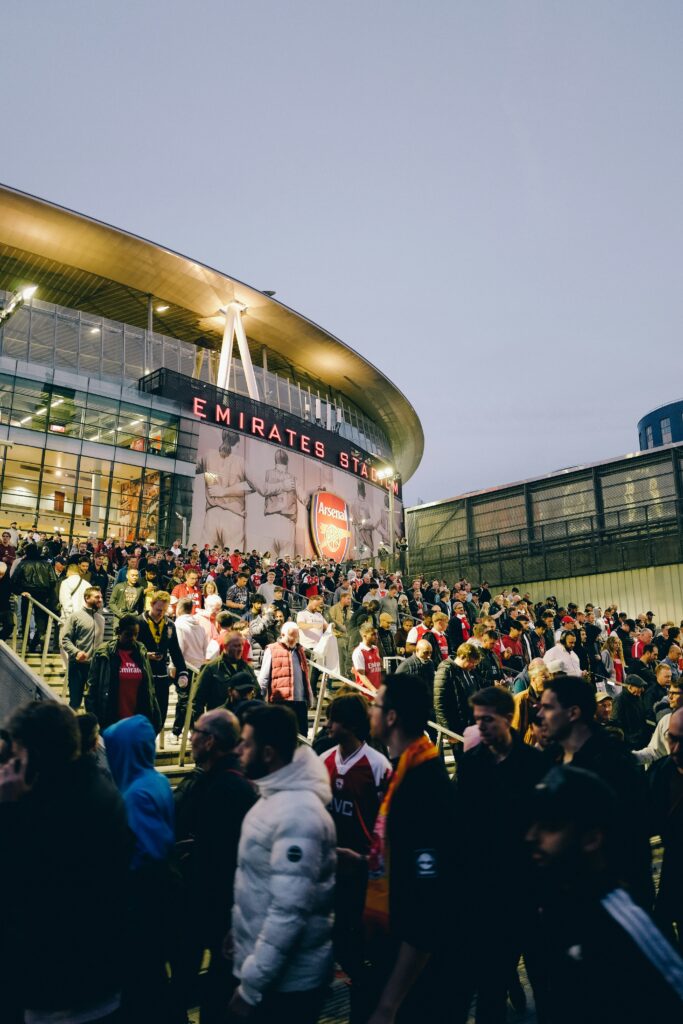
At the final whistle of a sold-out World Cup match, 50,000–90,000 people simultaneously open Uber and Lyft. The surge that follows is not a 50% markup. After major World Cup and Super Bowl events at comparable venues, rideshare prices in the immediate post-match window have hit $80-150 for rides that normally cost $15–25.
The practical alternative for every US host city: public transit. All major US host cities have transit routes specifically designed for stadium events. The difference is real — transit is flat-rate, not surge-priced.
The cities where this is most important:
- New York/New Jersey (MetLife): NJ Transit direct service — take it. Post-match Uber to Manhattan is regularly $80–120.
- Los Angeles (SoFi Stadium): Metro C Line (Expo/Vermont or Expo/Western to Inglewood connector shuttle) — significantly better than any ride-hailing option
- Dallas (AT&T Stadium, Arlington): This is the honest exception — Arlington has no direct rail connection, and the DART system requires a shuttle connection. Plan the transit route ahead of time via DART's dedicated match-day shuttle; the alternative is sitting in $100 rideshare surge for an hour.
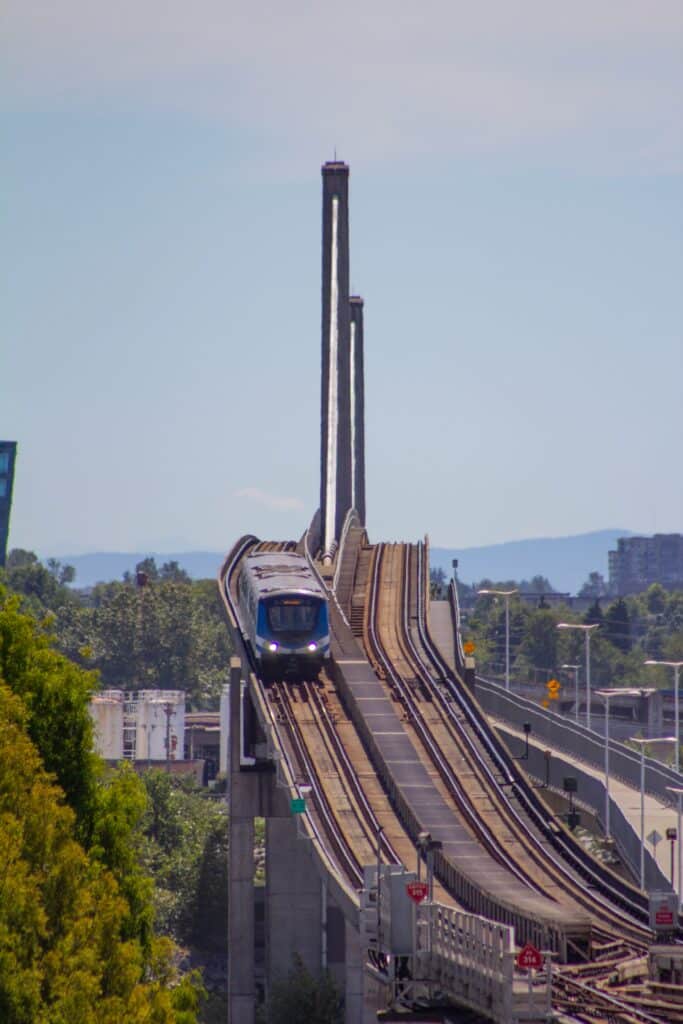
- Vancouver (BC Place): SkyTrain directly — it is one of the easiest stadium transit connections in the tournament
- Atlanta (Mercedes-Benz Stadium): MARTA directly adjacent — arguably the best stadium transit integration in the US
The walk option: At stadiums in compact urban settings — Vancouver, Atlanta, Toronto — the walk from the stadium to an area beyond the immediate taxi/rideshare pickup zone (typically 15–20 minutes on foot) takes you out of the surge radius. This is a genuine strategy.
4. The Border Crossing Is Not Quick — Build It Into Your Schedule
The World Cup 2026 spans three countries, and large numbers of fans will cross between them — either following their national team or building a multi-country trip. The US–Mexico and US–Canada border crossings are not airport connections. They are international borders with variable wait times.
Typical crossing times (2026 summer estimate):
- US–Mexico (land crossing, e.g., Tijuana/San Diego or El Paso/Ciudad Juárez): 1–4 hours in summer; crossing times will be longer during the tournament as traffic spikes. The San Ysidro crossing (Tijuana–San Diego) is one of the busiest land ports of entry in the world.
- US–Mexico by air: Standard international departure/arrival procedures add 1.5–2 hours to what the flight time shows on the booking. Mexico City from Dallas is a 3-hour flight — plan for 6+ hours city-to-city.
- US–Canada (land crossing): 30 minutes to 2 hours depending on time of day and location. The Peace Arch crossing (Blaine, WA to Surrey, BC) is the most-used for Vancouver; expect longer waits during the tournament.
- US–Canada by air: Canadian customs via NEXUS/Global Entry if eligible dramatically speeds border processing. Non-eligible travellers: standard international arrival procedures.
The document you need that many fans overlook:
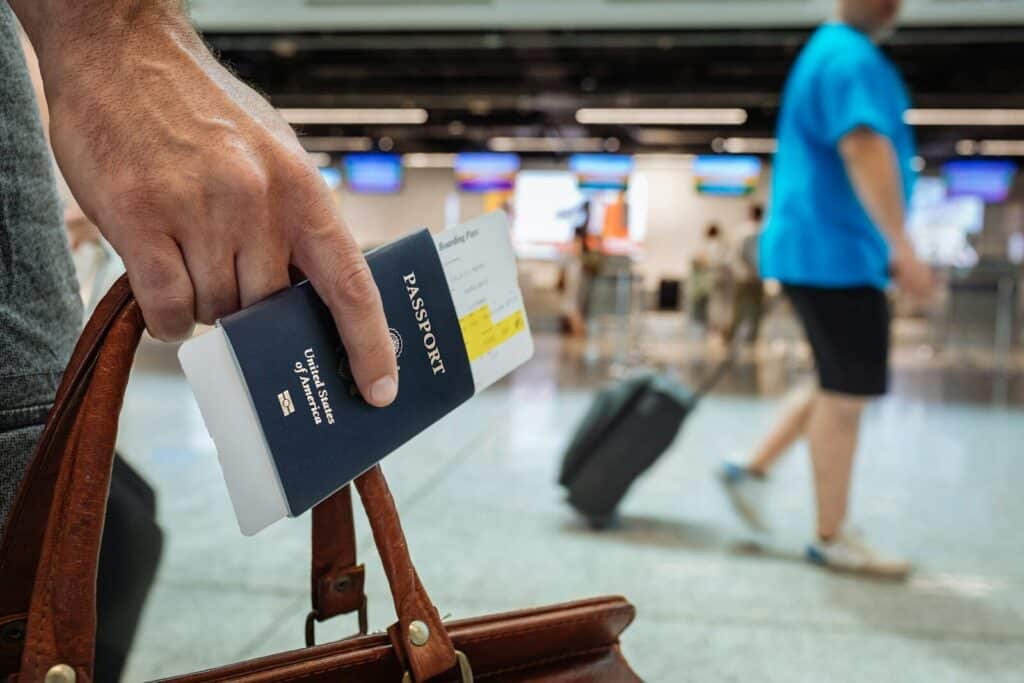
- Travelling from the US to Mexico: Most nationalities need a passport valid for at least 6 months beyond your return date. Check your passport expiry now — applications at peak times can take 10–14 weeks.
- US citizens travelling to Canada: US citizens do not need a visa for Canada, but do need a valid US passport. The NEXUS card is accepted at designated lanes; Global Entry is US-specific and does not help at Canadian border crossings.
- Non-US nationals entering the US: ESTA (for Visa Waiver Programme nationals) must be applied for before travel, not at the border. ESTA approvals take minutes to several days — apply weeks in advance.
5. The Knockout Stage Timing Problem — Why “Flexible” Is the Wrong Word
The standard advice for fans following a specific national team is “be flexible with your booking.” This understates the problem. The knockout stage scheduling in 2026 is genuinely unpredictable in a way that requires a specific booking strategy, not just flexibility.
Why 2026 is harder than previous tournaments:
- With 48 teams and a new Round of 32 format, your team may play four matches before the quarter-final — and each match venue is announced only after the previous round's results.
- The gap between the end of the group stage (July 2) and the beginning of the Round of 32 (July 3–7) is very short.
- Match venues are spread across 16 cities in three countries — a Round of 32 match could be in any of them.
The correct booking approach for knockout stage travel:
- Do not book non-refundable flights or hotels for knockout stage matches until your team has qualified and the fixture is confirmed.
- Set up flight price alerts (Google Flights, Hopper) for routes between all plausible knockout host cities from your current base — when your team qualifies, move fast.
- Book refundable accommodation in all plausible knockout venue cities now. Yes, this means holding multiple reservations simultaneously. Cancel the ones you don't need within the free cancellation window.
- Know the knockout stage schedule in advance: Round of 32 begins July 3; Round of 16 begins July 8; Quarter-finals July 12–13; Semi-finals July 15–16; Final July 19 at MetLife Stadium.
6. The 48-Team Format Changes the Group Stage More Than You Think
The 2026 format is a 48-team tournament with 12 groups of 4. The top 2 teams from each group qualify automatically, plus 8 of the 12 third-placed teams. This has a direct implication for fans: your team's qualification from the group stage may not be confirmed until the very last match.
At the 2022 World Cup (32 teams, groups of 4), the final group match days were dramatic because every result mattered simultaneously. In 2026, with 48 teams, the third-place qualification route is based on points comparison across all 12 groups — meaning teams finishing third in their group may not know for hours after the final group match whether they have qualified.
What this means practically:
- Do not assume your team is eliminated after two group stage losses — the maths of the 8 best third-place teams can produce surprising qualifications.
- Do not assume your team is safe after two group stage wins — the third match still matters for seeding and for avoiding the worst-drawn knockout opponents.
- The group stage final round (where all last group matches are played simultaneously) is one of the most dramatic 90-minute windows in football. Plan your final group stage match day as a full event, not just a precaution.
7. Dallas and Houston in July Are Medically Dangerous Without a Heat Plan
This is not an exaggeration. Dallas and Houston in July regularly see heat indices (apparent temperature combining heat and humidity) of 40–45°C (104–113°F). The stadiums are air-conditioned — AT&T Stadium (Dallas) is fully enclosed and climate-controlled, and NRG Stadium (Houston) is similarly enclosed. But getting to and from the stadium involves significant outdoor time.
The specific risks:
- Fan zones and pre-match gatherings outside stadiums have limited shade infrastructure. Heat exhaustion is possible within 30–45 minutes of direct sun exposure at these temperatures.
- The post-match transit queue is outdoors. After a 90+ minute match, walking to a DART shuttle or NJ Transit-equivalent in 40°C heat while dehydrated is a genuine medical risk.
The practical plan:
- Hydrate before you leave your hotel — not just with water but electrolytes. The hospital visits at previous summer sporting events in Texas are dominated by fans who thought they were fine.
- Wear lightweight, light-coloured, breathable clothing and a hat. Long-sleeve sun protection fabric (Patagonia, Columbia Omni-Shade) is better in direct sun than a T-shirt.
- Identify the nearest climate-controlled space (convenience store, bar, restaurant) on your transit route to and from the stadium for a mid-route break.
- Houston's fan zone specifically built indoor cooling zones for this reason — use them.

8. Restaurants in Host Cities Are Booking Out at Match Ticket Speed
Nobody mentions this and nobody books it early enough. The best restaurants in the entertainment districts of every World Cup 2026 host city are filling up months in advance for the tournament window. This is a direct consequence of every international fan trying to make a reservation at the same handful of well-reviewed places on the same match-day evenings.
The practical consequence: fans who arrive in New York, Los Angeles, Miami, or Mexico City during the World Cup without dinner reservations will find themselves queueing for the least popular options or eating at their hotel.
What to do:
- Make restaurant reservations now — today — for your planned host city dates. OpenTable and Resy are the primary platforms for US host cities; Yelp for some markets.
- In Mexico City: Tock is increasingly used by top-tier restaurants. Mesa de Smoked (Polanco), Contramar (Roma Norte), and Quintonil (Polanco) all take advance bookings.
- Prioritise a reservation for post-match dinner on the evening of your match — this is the highest-competition window.
- Look beyond the obvious tourist districts. Restaurants 10–15 minutes from the fan zone or entertainment hub by walking typically have better availability and better food.

9. Your Match Ticket Is Non-Transferable and ID-Linked — Don't Buy From Resellers
FIFA 2026 tickets are issued in the purchaser's name and linked to their identity document. Entry to the stadium requires a match between the ticket name, the physical person, and the identity document presented at the gate. This is not a suggestion — it is a hard gate check.
The consequence for secondary market buying: a ticket purchased from a secondary platform, a social media listing, or a reseller is typically still linked to the original purchaser's name. When you present it at the gate with your ID, the names do not match, and you are denied entry. There is no appeal process on match day.
The only legitimate transfer route: FIFA's official ticket transfer system in the Match Ticket Portal, where the original purchaser initiates a transfer to a new named holder. Any ticket that arrives outside this system — regardless of how convincing the seller appears — carries a risk of gate failure.
If you need a ticket: Check the FIFA resale platform (within the official portal), Crewfare's hospitality packages (which include legitimate seat access), and authorised hospitality providers. Do not buy from platforms that cannot demonstrate an official FIFA transfer.
10. There Is No “Just Park Nearby” Option
For fans planning to drive to any of the US host city stadiums, the reality of World Cup parking is uniformly difficult and expensive.
The myth: There is free or cheap street parking near the stadium that everyone else is missing.
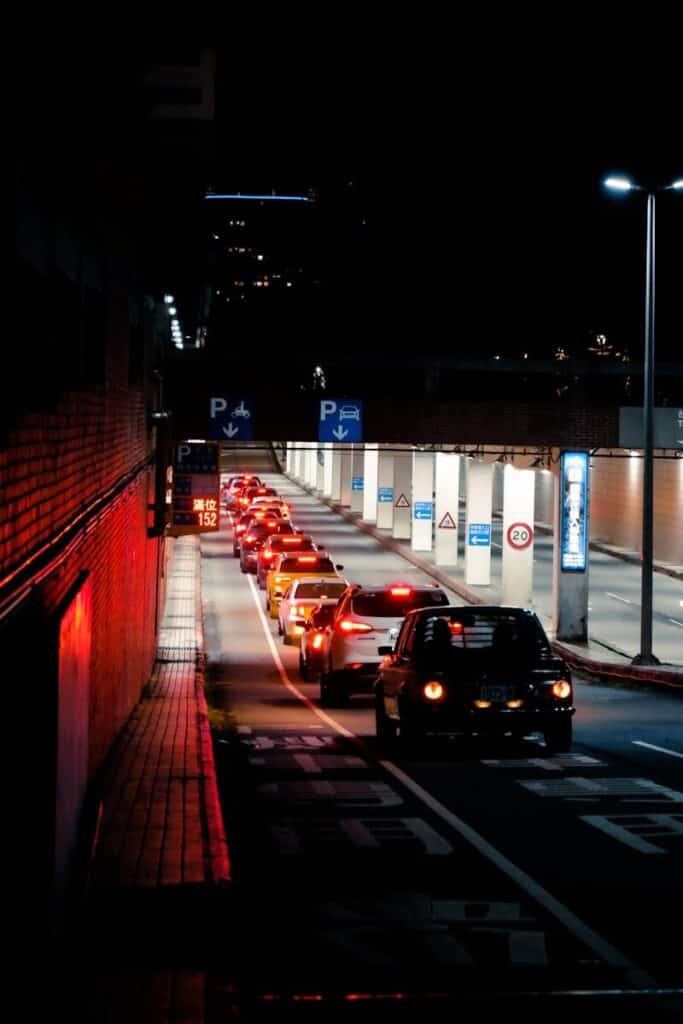
The reality: All streets within a significant radius of the stadiums are either permitted-resident-only, metered at event pricing, or managed as private event lots. The private lots charge $50–150 on match days — legitimately. The roads within 2–3 miles of any stadium on match day are gridlocked for 90+ minutes after the final whistle.
The specific AT&T Stadium situation in Arlington: Arlington has no urban transit grid. Getting to AT&T Stadium requires either: driving and parking (50–100inadvance,100–150 on the day), DART match-day shuttle from a designated park-and-ride location, or rideshare (subject to the post-match surge described in Tip 3). Fans who assume they can “just drive” and find a spot are the ones blocked in traffic at midnight.
Book parking in advance via SpotHero, ParkWhiz, or the official FIFA parking portal — at a significant discount versus day-of prices. Or commit to transit and build the extra time into your schedule.
11. Currency in Mexico — The Peso vs Dollar Calculation
US dollars are widely accepted at hotels, tourist restaurants, and major venues in Guadalajara, Mexico City, and Monterrey. This convenience comes at a price: businesses accepting USD set their own exchange rate, and it is typically 10–20% worse than the interbank rate.
The correct approach for spending in Mexico:
- Withdraw Mexican pesos from an ATM upon arrival — airport ATMs are acceptable (avoid the independent ATM operators inside arrivals halls — use the bank-branded ATMs); city-centre ATMs are generally fine
- Use a debit card without foreign transaction fees (Charles Schwab, Wise, Revolut) to withdraw pesos at close to interbank rate
- Use pesos for taxis, street food, local markets, and smaller restaurants — you pay dramatically less than USD rates
- Keep USD/card for hotels and major venues where the forex spread is often built into the listed price already
The ATM timing tip: Do not assume ATMs near the fan zone or stadium will have cash on high-demand match days. Withdraw before you need it, not when you need it.
12. The Luggage Storage Gap Is Real — Book It in Advance
Multiple arrival scenarios create a luggage problem on match day: landing in a host city in the morning with a match that afternoon and a hotel check-in that evening; leaving a host city on a night flight after a match; or simply having a bag that violates stadium policy and no place to store it.
Luggage storage networks — Stasher.com, Bounce.app, and LuggageHero.com — operate partner locations (coffee shops, dry cleaners, convenience stores) in most major cities, typically $5–10 per bag per day. Near World Cup host city stadiums and fan zones, these locations fill quickly on match days.
Book your luggage storage slot in advance — same-day walk-in availability near stadiums on match days is not guaranteed. A 5-minute booking now prevents a 45-minute crisis on match day.
13. The Fan Zone May Fill Before Your Match — Have a Backup
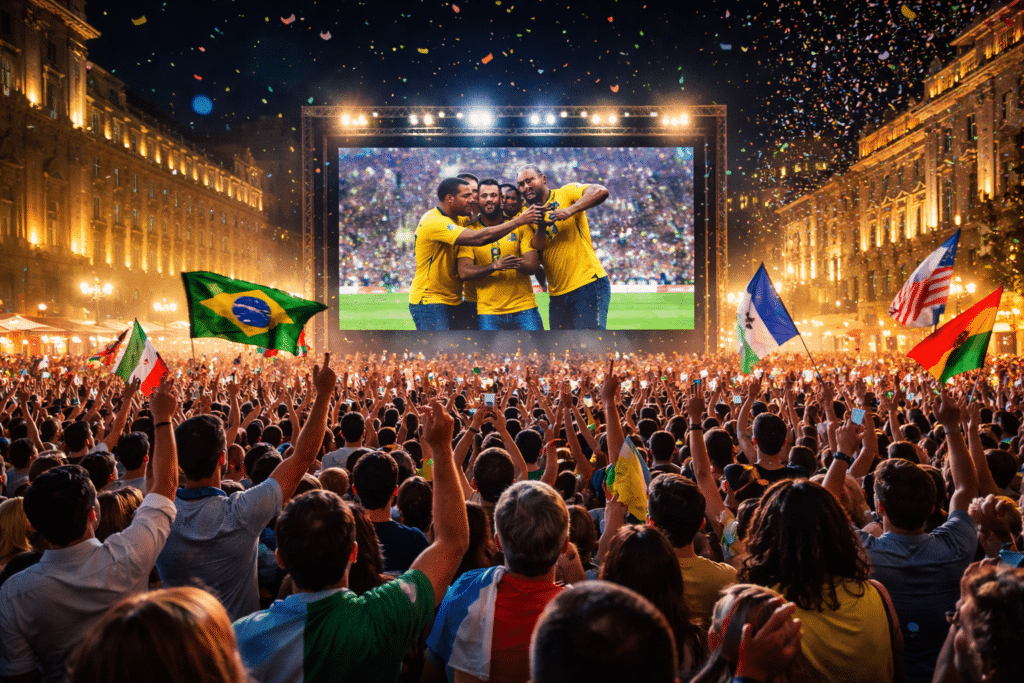
The FIFA fan zones for high-demand matches operate on first-come, first-served capacity. When the fan zone is full, it is full — no wristband queue, no overflow area. Fans arriving at the Zócalo in Mexico City for a Mexico match day, or at Fair Park in Dallas for a USA–Mexico fixture screening, 30 minutes before kick-off will find the venue at capacity.
The backup you need to know before you need it:
- Name and address of the nearest soccer bar
- Name and address of the nearest hotel bar or lobby bar that will be screening the match
- Whether that backup option requires a booking (call ahead on the morning of match day)
The worst version of this scenario: arriving at a full fan zone, then queueing at three full soccer bars, and watching the first half on your phone outside a convenience store. It happens. The five-minute preparation of knowing your backup eliminates it.
14. Pack a Portable Charger — Your Phone Is the Match Day Passport
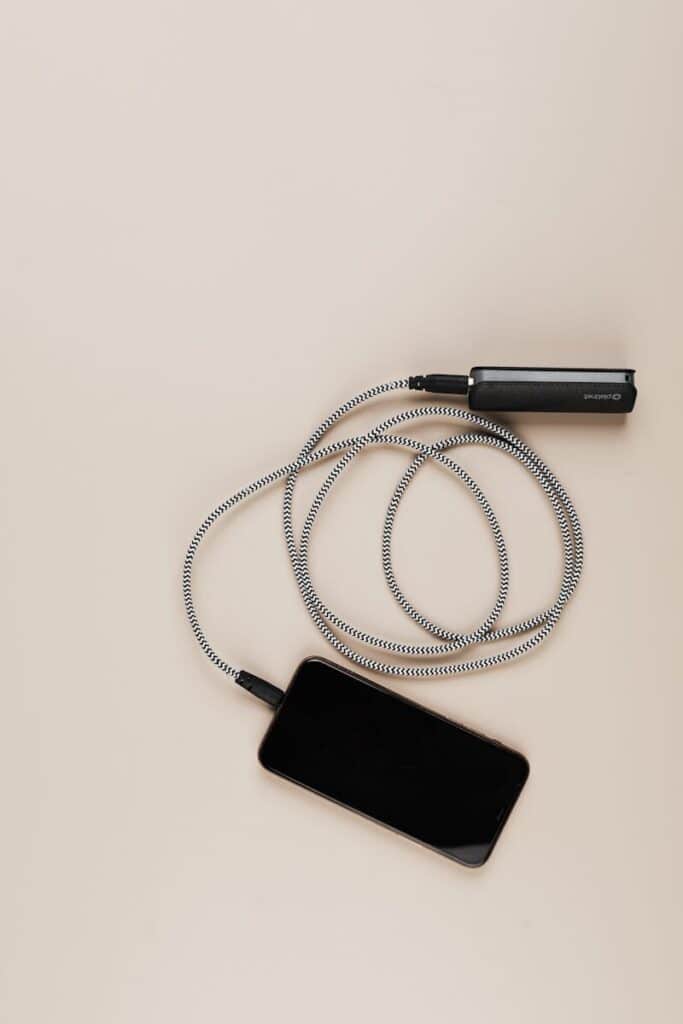
In 2026, your phone is your match ticket, your transit card (in most cities), your hotel key (some properties), your navigation, your translation tool, and your emergency communication device. A dead phone on match day is a genuine crisis.
The minimum: A 10,000mAh portable power bank (roughly 2–3 full phone charges) that you carry on match days. Anker, Belkin, and Mophie make reliable, compact options. Put it in your clear bag before you leave the hotel.
The other thing: North American power outlets are 110V/60Hz with Type A/B plugs (two flat prongs). International fans need a US/Canada power adaptor — not a converter, just an adaptor, unless your devices are not dual-voltage (most modern phones and laptops are). Mexico also uses Type A/B at 127V — your phone charger will work.
15. The Best Matches to Watch Neutrally at Fan Zones — a Counterintuitive Tip
This tip is counterintuitive: the best fan zone matches to attend without a ticket are not the biggest matches. They are the mid-sized group stage fixtures where two communities with passionate, vocal support — but not so large that the fan zone fills 90 minutes early — converge in the same space.
Examples: Senegal vs Netherlands, Morocco vs Portugal, South Korea vs Uruguay. These fixtures create cross-national fan interactions at fan zones that are some of the most memorable moments of any World Cup. Both sets of fans are celebrating, commiserating, and experiencing the same thing together. The biggest matches — USA, Mexico, Brazil, Argentina — are spectacular but physically intense and often hard to see from the back of a packed zone.
Tactical tip: Identify one fixture per host city day where two culturally distinct fan communities will share the fan zone, and position yourself in the space between their two clusters. The football becomes secondary to the experience of being in that room.
Frequently Asked Questions
What documents do I need to cross between the USA, Mexico, and Canada?
All three border crossings require a valid passport for international visitors — a passport card or driving licence is not sufficient for international travel. US citizens need a valid US passport for Canada and Mexico. Citizens of countries in the Visa Waiver Programme (UK, Germany, Japan, Australia, and most of Europe) need an ESTA for the USA (apply at esta.cbp.dhs.gov before travel) and an eTA for Canada (apply at canada.ca before travel). Mexico requires a tourist card (Forma Migratoria Múltiple) obtainable on arrival for most nationalities. Check your specific nationality's requirements against all three countries at least 8 weeks before travel.
When is the best time to book knockout stage flights?
Set up price alerts now for routes between all plausible knockout venue cities from your planned group stage base. When your team qualifies and the fixture city is confirmed, move within 24 hours — prices rise steeply as the rest of the fan base books simultaneously. Budget airlines (Spirit, Frontier, Ryanair-equivalent on Mexico City routes) offer competitive pricing on domestic US routes but have strict bag fees that can cancel out the saving. Book refundable accommodation simultaneously; cancel the rooms you don't need within the free cancellation window.
Is it safe to attend fan zones in Mexico?
Mexico City, Guadalajara, and Monterrey are large cities that, like all large cities, have areas with different safety profiles. The fan festival venues in all three cities are in central, well-policed areas with significant FIFA and local security presence. Travel advisories for Mexico distinguish between tourist-facing city centres — where the fan festivals operate — and areas with active security situations. The standard precautions for any international city apply: keep valuables in a hotel safe, use authorised taxis or Uber rather than unlicensed taxis, don't carry your passport on match days (take a photo ID copy instead and leave the original at the hotel). The millions of fans who attend the 2026 World Cup in Mexico will have the same experiences as tourists who visit these cities every year.
What is the FIFA bag policy and where can I find the official details?
The FIFA bag policy for US venues follows the NFL/major stadium standard: one clear bag (max 12″×6″×12″) and one small clutch (max 4.5″×6.5″). Canadian venues (BC Place, BMO Field) and Mexican venues (Estadio Azteca, Estadio AKRON, Estadio BBVA) have slightly different standards — check the specific stadium's policy at FIFA.com before your match. The key rule that catches fans: camera bags, standard backpacks, and any non-clear bag are prohibited regardless of size at US venues. There is no storage at the gate; bags must be left off-site before entry.
How far in advance should I arrive at the stadium?
Two hours before kick-off is the guidance — but this is a minimum, not a recommendation. For the highest-demand matches (opening match, USA matches, Mexico matches, semi-finals), three hours before kick-off is appropriate. Pre-match entertainment begins 90 minutes before kick-off at most venues. The security perimeter extends well beyond the stadium gates, and processing 60,000–90,000 fans through security takes time — the queue length 90 minutes before kick-off is a fraction of what it becomes 45 minutes before. Arriving late at a World Cup match is not the same as arriving late to a domestic league game; missing kick-off is a real possibility if you don't plan.
What happens if my flight is delayed and I miss my match?
This is the scenario every fan dreads and few plan for. FIFA match tickets are non-refundable and non-transferable once the match has begun. If you miss a match due to travel disruption, the ticket has no residual value. The mitigation: book travel insurance that includes “missed event” coverage specifically (standard travel insurance may not cover this), fly in the day before your match whenever possible rather than day-of, and build transit buffer time into connections. The Points Guy's tip — fly in at least one day before the match — is the most actionable single piece of advice in any World Cup travel guide.
Final Thoughts
The World Cup 2026 is a once-in-a-generation event at a scale that has never happened before. Three countries, sixteen cities, and forty-eight teams create a tournament that rewards people who planned for reality rather than ideal conditions. The fans who have the best time are not the ones who avoided all problems — they are the ones who anticipated the problems, had a plan for each one, and spent their mental energy on the football rather than on crisis management.
Clear bag packed. eSIM activated. Transit route downloaded offline. Fan zone backup noted. Luggage storage booked. Rideshare surge budgeted out. Passport valid.
Everything else is just football.
➡ Last-Minute Accommodation During the World Cup: What Still Works
➡ Where to Stay if Everything Is Fully Booked
➡ Best Places to Watch World Cup 2026 Without Tickets
Add your first comment to this post