


Table of Contents
Running a search for hotels near a World Cup 2026 stadium in June 2026 and seeing nothing available — or only options priced at four times their normal rate — is a real experience for fans booking late. Standard hotels in and around most US host city stadiums have been under intense demand since the moment the match schedule was published, and many prime locations are functionally gone for the tournament period.
The framing of “everything is booked” is, however, too simple. What is booked is a specific category of accommodation — branded hotels within easy walking or ridesharing distance of the stadium, in the most in-demand price tiers. The broader definition of where you can stay is considerably wider. Fans are arriving at solutions that look nothing like a normal hotel stay and working well: RV road trips between host cities, glamping near stadiums, university dorms in summer, house-sitting exchanges, and one-base strategies that fix accommodation in a single affordable city and radiate outward to matches from there.
This guide covers the most practical alternatives to booked-out hotels for the World Cup 2026 — specific accommodation types, specific nearby cities that still have availability, and the logic behind choosing each option.
At a Glance
Here is what this guide covers:
- The one-base strategy: Fix one affordable base city and travel to multiple match venues from there
- RV and campervan rental: How the RV route works, what it costs, and which host cities suit it best
- Glamping: Premium camping options near stadiums — better than it sounds
- University dormitories: Summer room availability in most host cities
- Nearby cities with availability: Specific secondary city options per host city — with transit notes
- House-sitting platforms: How to get free accommodation in exchange for looking after a home
- Private hostel rooms: The hostel option most people overlook
- Mexico and Canada host cities: Where genuine hotel availability remains at reasonable prices
- The cruise ship option: A specific solution for Miami
The One-Base Strategy
The most practical reframe for a fan stuck on accommodation is to stop thinking about the problem city-by-city and start thinking about the whole trip differently. The one-base strategy works like this: choose a single affordable, well-located city to stay for the duration of your trip, and travel to matches in other cities as day trips or overnight excursions.
This approach is particularly well-suited to the World Cup 2026 because of the geographic clustering of host cities. The US eastern seaboard cluster (New York/New Jersey, Boston) is within 4–5 hours by road. The Texas cluster (Dallas, Houston) is a 4-hour drive apart. The West Coast cluster (San Francisco, Los Angeles, Seattle) spans 13 hours by road but has frequent and affordable flights.
One-base cities that work well and still have availability:
- Newark, NJ or Jersey City, NJ: A flat 45-minute train ride to MetLife Stadium for NY/NJ matches, reasonable hotel supply, and significantly cheaper than Manhattan. Day trips to Boston via Amtrak are 3.5 hours.
- Providence, RI: 60 minutes from Boston's Gillette Stadium (MBTA commuter rail + Foxborough special event service); good hotel supply; a charming and affordable alternative to Boston proper.
- Fort Worth, TX: 30 minutes from AT&T Stadium in Arlington for Dallas matches; more affordable than downtown Dallas; 4 hours by road from Houston for Houston match days.
- Oakland or Berkeley, CA: BART-connected to San Francisco; Caltrain accessible for Levi's Stadium; significantly cheaper hotels than SF proper; excellent restaurant and bar scene.
- San Jose, CA: 10 minutes from Levi's Stadium by VTA light rail; affordable compared to San Francisco; less tourist infrastructure but perfectly functional as a match-trip base.
- Mississauga, ON (Toronto): Affordable suburb with GO Transit and TTC connections to BMO Field; 40 minutes into downtown Toronto; strong hotel supply remaining.
- Surrey or Burnaby, BC (Vancouver): SkyTrain-connected to BC Place in under 30 minutes; substantially more affordable than downtown Vancouver; comfortable suburban base.
The one-base approach also simplifies planning: you unpack once, your base hotel is confirmed, and match days become commutes rather than hotel transitions.

RV and Campervan Rental — The Mobile Base
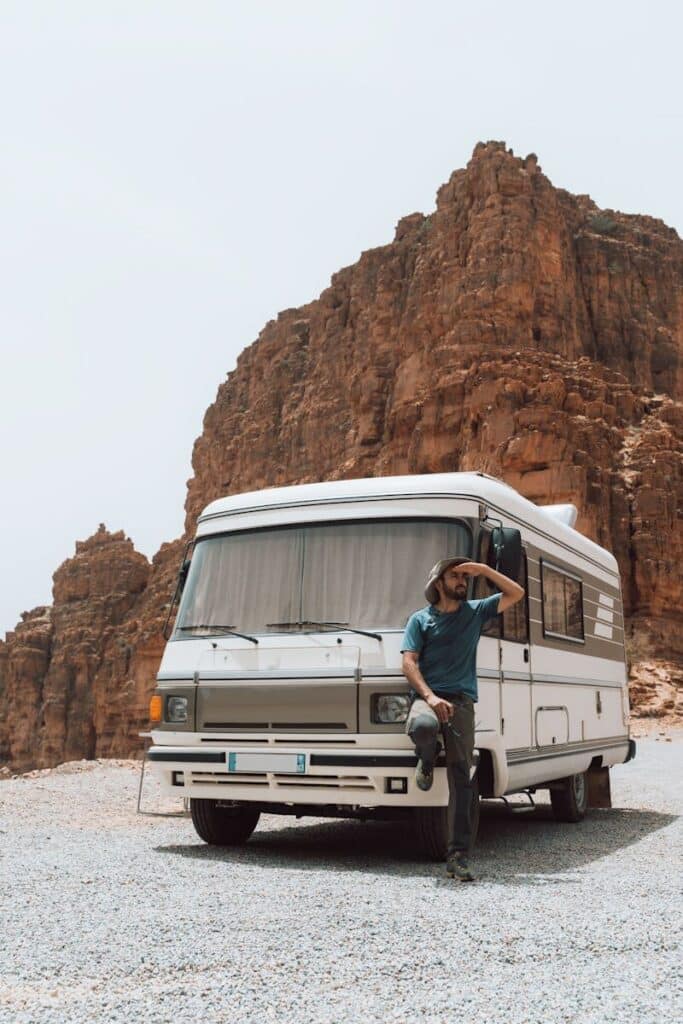
RV rental has emerged as one of the most practical solutions to the World Cup 2026 accommodation challenge — and the RV rental industry has responded to the demand. RVshare launched specific World Cup 2026 offerings in partnership with Campspot (a campground booking platform) to help fans navigate stadium proximity, site availability, and pricing across host cities.
The core appeal is straightforward: your accommodation travels with you. You rent an RV, book a sequence of campground pitches near each host city, and drive between them. No hotel searches, no sold-out results, no surge pricing triggered by the match schedule.
What RV travel for the World Cup actually involves:
- Renting an RV: Platforms include RVshare (peer-to-peer, widest selection), Cruise America (traditional rental company with nationwide fleet and specific World Cup guidance), and IndieCampers (campervan-focused, good for 2-person trips). Rentals range from $150–350/night depending on vehicle size and city.
- Booking campground pitches: Use Campspot, ReserveAmerica, or KOA Kampgrounds to book pitches near each host city in advance. Many campgrounds within 20–40 miles of stadiums already have significant World Cup bookings — reserve early.
- Driving between host cities: The Texas cluster (Dallas ↔ Houston, 4 hours), the West Coast (LA ↔ SF, 6 hours), and the eastern cluster (NY/NJ ↔ Boston, 4 hours) are all practical road trip routes with scenic driving.
Which host cities suit RV travel best:
- Dallas and Houston: Both in Texas; interstate highways are RV-friendly; good campground supply around both cities; the 4-hour I-10 drive is manageable
- Los Angeles: KOA sites in Anaheim and Malibu; practical for Socal-based RV trips
- San Francisco Bay Area: Many campgrounds in the hills around Santa Clara and San Jose; Muir Woods and the Marin Headlands have sites that combine match access with remarkable scenery
- Seattle: Pacific Northwest camping is world-class; RV sites near the stadium and along the coast
The honest limitations:
- Parking an RV in central Manhattan or downtown San Francisco is essentially impossible — city-based host cities require a campground-and-transit combination rather than stadium-adjacent parking
- Fuel costs across a multi-city road trip are significant — factor $300–600 in fuel for a Texas or West Coast circuit
- RV rental demand for the World Cup period is high; book platforms now

Glamping — Premium Camping Near Stadiums
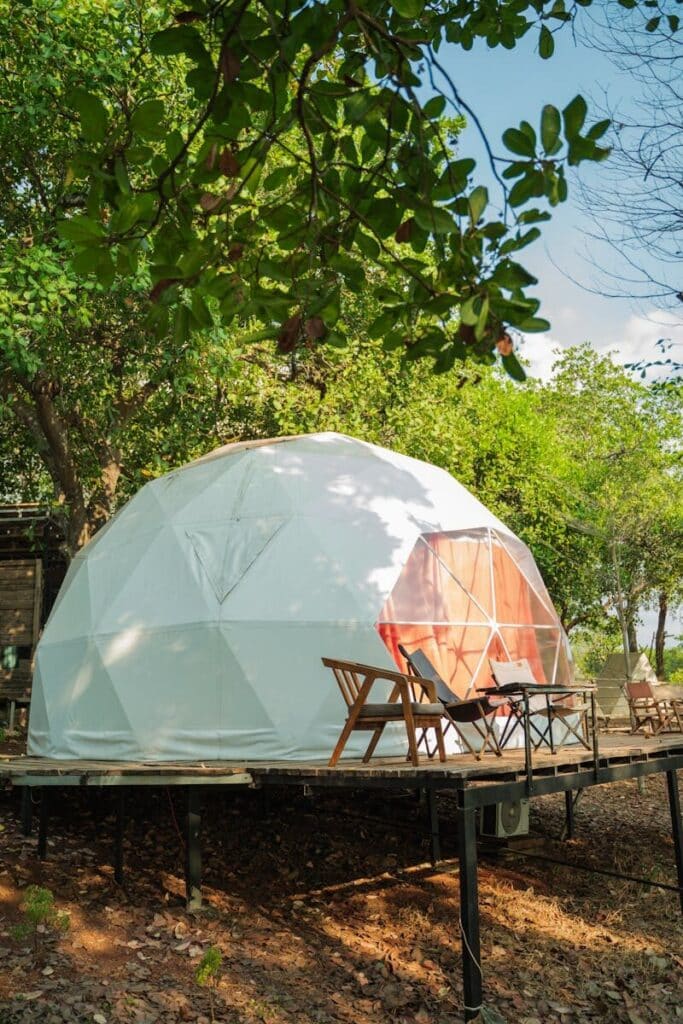
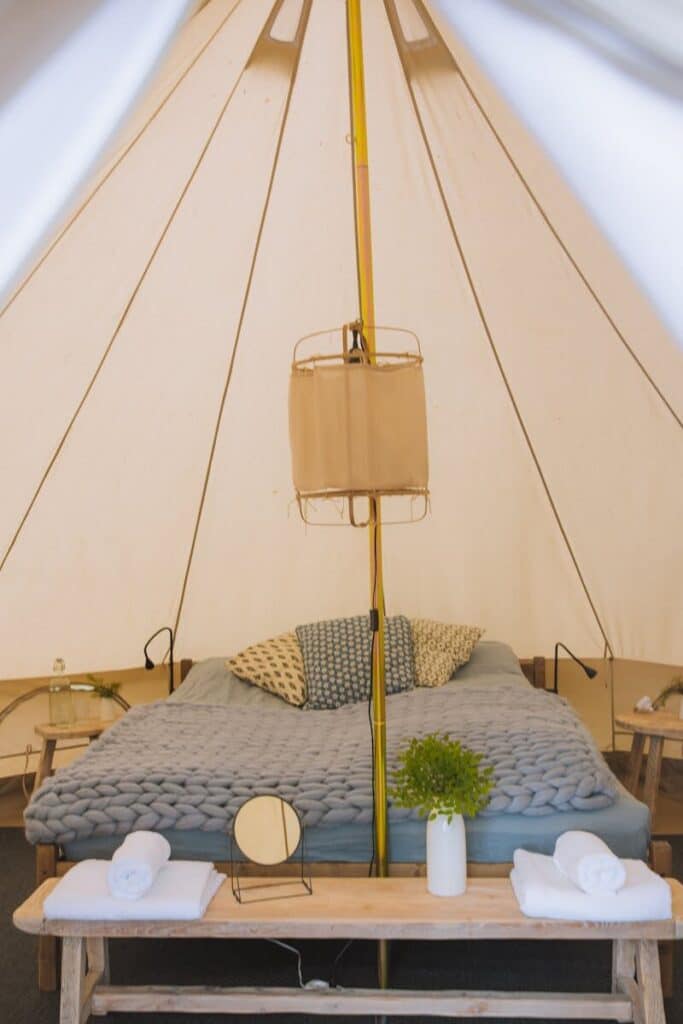
Glamping (glamorous camping) sits between a traditional hotel and an outdoor camping experience — permanent or semi-permanent structures (safari tents, geodesic domes, cabins, treehouses) on managed land, typically with real beds, electricity, and often en-suite bathrooms. It costs more than a standard campsite but significantly less than a hotel room during World Cup peak pricing.
Platforms including Hipcamp, Glamping Hub, and Pitchup list options within driving distance of every US host city. The appeal for World Cup visitors: confirmed accommodation not subject to the same booking pressure as branded hotels, an interesting experience in its own right, and a fixed base that can serve multiple match days across a week.
Good glamping options near World Cup host cities:
- Dallas/Fort Worth: Hill Country glamping sites 1–2 hours southwest; closer options along the Trinity River corridor; reasonable driving distance for a week-long stay with multiple AT&T Stadium match days
- Los Angeles: Malibu and Big Bear Lake have strong glamping supply; 1–2 hours from SoFi Stadium; combine beach or mountain access with LA match days
- San Francisco Bay Area: Napa Valley and the Santa Cruz Mountains have exceptional glamping inventory; 30–90 minutes from Levi's Stadium; some of the most appealing glamping landscapes in the country
- Seattle: The Olympic Peninsula and Cascades have outstanding glamping supply; the Pacific Northwest in summer is exceptional camping territory; 30–60 minutes from Lumen Field
- Miami: Florida glamping exists but is less developed than western states; focus on the Florida Keys and Everglades area for interesting options
Book via Hipcamp.com or Glamping Hub — filter by proximity to each host city and check for minimum stay requirements during the World Cup window.
University Dormitories
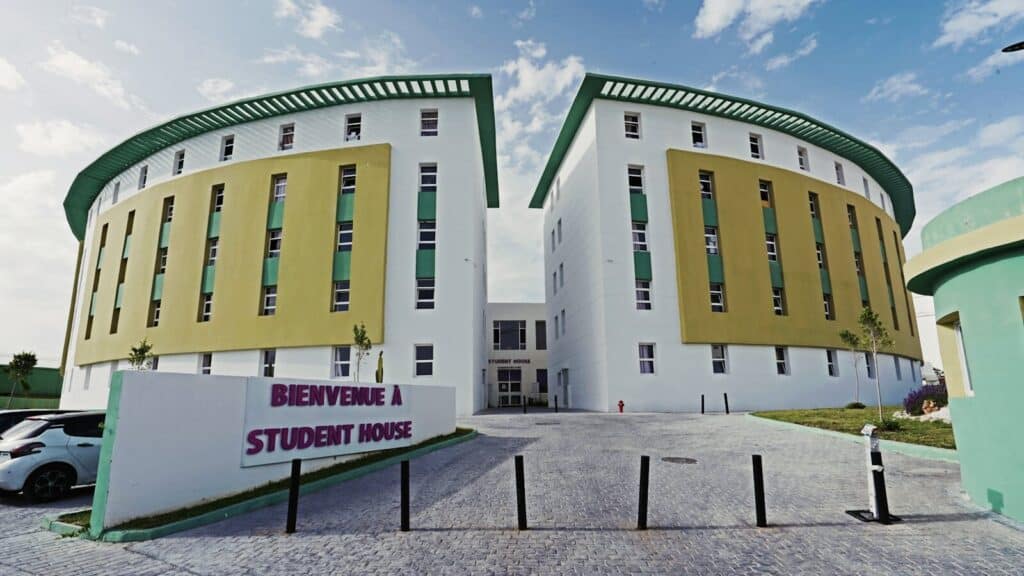
North American universities open their dormitories to paying guests during summer — from late May through August, when students are away. This is a well-established model at US and Canadian universities, and it provides confirmed accommodation in city-centre or near-city locations at prices well below the hotel market.
Most university accommodation operates through a central booking system and offers single or double rooms with shared facilities (bathrooms, common kitchens), with some newer dorm buildings offering en-suite options.
Universities near World Cup host cities with confirmed summer accommodation programmes:
- New York/New Jersey: NYU Summer Housing (Manhattan, Greenwich Village), Columbia University (Morningside Heights), New School
- Los Angeles: UCLA Summer Conference Housing (Westwood), USC (South LA)
- San Francisco: UCSF, San Francisco State; Stanford (Palo Alto — close to Levi's Stadium via Caltrain)
- Boston: Boston University, Northeastern, MIT (Cambridge)
- Atlanta: Georgia Tech (Midtown Atlanta — MARTA connected)
- Toronto: University of Toronto (downtown), York University
Pricing: Typically $60–120 per person per night for a single room with shared facilities — dramatically cheaper than tournament-period hotel rates.
Booking: Search for “[University name] summer housing” or “[University name] conference services” — most programmes operate through the university's conference and events office rather than a central platform.

Nearby Cities With Availability — By Host City
This is the most practical section for fans who need a conventional accommodation experience but cannot find it in their target host city. For every US host city, a nearby city with good transit or road access has workable hotel supply.
New York / New Jersey (MetLife Stadium)
- Newark, NJ: 30 minutes by NJ Transit to the stadium; genuinely good hotel supply at $180–320/night; not glamorous but entirely functional
- Jersey City, NJ: PATH train to Manhattan; rideshare to stadium; hip waterfront neighbourhood with real restaurant and bar life
- Hoboken, NJ: PATH-connected; charming walkable main street; good mid-range hotel supply
- Providence, RI: 3.5-hour Amtrak from Penn Station; manageable for group stage trip combining NY and Boston matches
- Cherry Hill, NJ: Southern NJ suburb; rideshare to stadium; affordable supply
Boston (Gillette Stadium, Foxborough)
- Dedham, MA: 20-minute drive to stadium; MBTA connections; affordable suburban hotels
- Norwood, MA: Similarly positioned; closer to Gillette than downtown Boston
- Providence, RI: Commuter rail to Foxborough match day services; 45 minutes; excellent city in its own right
Los Angeles (SoFi Stadium & Rose Bowl)
- Anaheim: Disneyland hotel zone; Metrolink connections; strong supply
- Long Beach: Metro C Line; beach access; affordable hotels
- Pasadena: Adjacent to Rose Bowl for group stage fixtures; independent town with good infrastructure
- Torrance/El Segundo: South of SoFi; close to LAX; Uber-connected
Dallas (AT&T Stadium, Arlington)
- Fort Worth: 30 minutes west; Stockyards and character; affordable versus Dallas proper
- Frisco/Plano: North Dallas suburbs; newer hotel supply; shuttle access
San Francisco (Levi's Stadium, Santa Clara)
- Oakland: BART to Millbrae, Caltrain to Santa Clara; 30% cheaper than SF
- Berkeley: Same BART connection; university town atmosphere; good food
- Palo Alto / Mountain View: Caltrain direct to Santa Clara; Silicon Valley suburban hotels
Houston (NRG Stadium)
- Sugar Land: South suburb; rideshare/park-and-ride; solid hotel supply
- Galveston: 50 miles south; beach access; works for multi-night stays
Seattle (Lumen Field)
- Tacoma: 30 miles south on I-5; Sounder commuter train direct to King Street station (3 minutes from Lumen Field); significantly cheaper hotels
- Bellevue/Redmond: East side of Lake Washington; hotel corridor with good supply; 20-minute rideshare to stadium
Atlanta (Mercedes-Benz Stadium)
- Decatur, GA: MARTA-connected; walkable neighbourhood feel; 40 minutes to stadium via rail
- Sandy Springs: North Atlanta suburb; good hotel supply; MARTA Gold Line
Boston alternative: outside the US
If you are flexible on country, Toronto (Canada) is a 9-hour drive or 1.5-hour flight from Boston, with its own World Cup matches — and more affordable accommodation than Boston proper.

House-Sitting Platforms
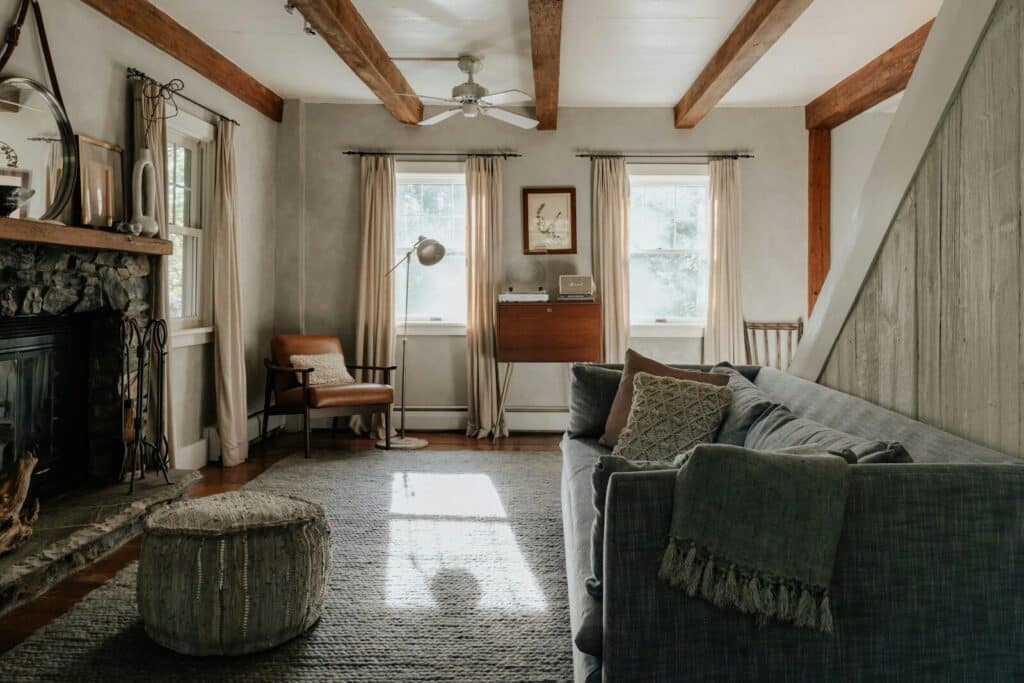
House-sitting is an arrangement where you look after someone's home (and often their pets) in exchange for free accommodation. It sounds niche, but the platforms are large, well-established, and particularly active in North American cities.
The principle: homeowners travelling away during the World Cup period post their property on a platform and invite house-sitters to apply. You get free accommodation; they get a trusted occupant.
Leading platforms:
- TrustedHousesitters.com: The largest and best-established platform globally; membership fee of approximately $120–150/year; properties in every World Cup host city; volume of listings increases significantly around major events as local residents travel or rent out their homes
- HouseSitter.com: US-focused alternative; free to browse, fee to apply
- MindMyHouse.com: International platform; smaller listing volume but worth checking
Important realities about house-sitting:
- Competition is high for desirable properties in World Cup cities during match weeks — successful applicants typically have strong profile reviews from previous sits
- Commitments are real: you are responsible for the property and any pets
- Timing must align with the homeowner's travel plans — less flexible than hotel booking
- Best use case: fans who are flexible on exact dates and location, and who have built a house-sitting profile in advance

Private Rooms in Hostels
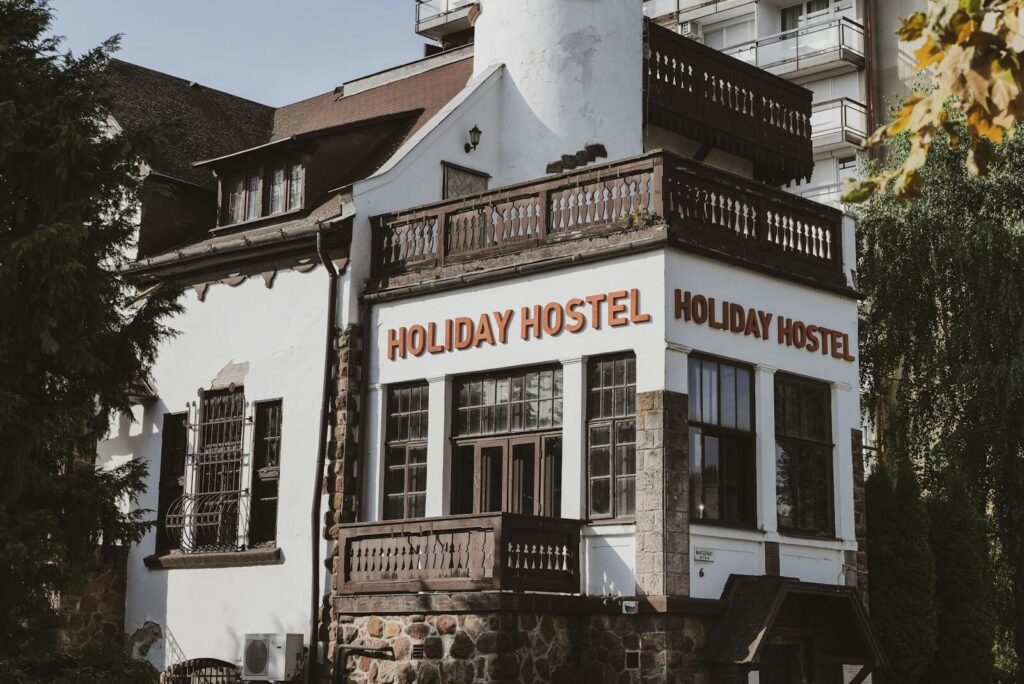
Most people who dismiss hostels are picturing dormitory bunks. The reality is that every established hostel also offers private rooms — a single or double room with a private door, shared bathroom facilities, and access to the hostel's common areas. These rooms are typically 40–60% cheaper than an equivalent hotel room in the same city.
For World Cup accommodation, private hostel rooms offer confirmed accommodation at a lower price point than hotels, in central city locations that hotels have priced out of reach. The social common areas — which during the World Cup will be exactly the kind of match-watching environment that makes the tournament special — are a bonus rather than a cost.
Finding private hostel rooms: Hostelworld.com is the most comprehensive platform. Filter by private rooms specifically. In most US host cities, availability in private hostel rooms is better than in mid-range hotels right now — they are a genuinely overlooked supply channel.

Mexico and Canada Host Cities — Where Rooms Remain
The most comprehensive solution to US accommodation constraints is to rethink the geography of the trip entirely.
Mexico host cities — Guadalajara, Monterrey, and Mexico City — all host group stage and knockout matches. Accommodation in Mexican host cities is priced at the equivalent of $60–180/night for mid-range hotels — a fraction of US equivalents. Guadalajara in particular is consistently identified by independent travel writers as the most undervisited major Mexican city, with excellent food, a strong football culture, and an architecture and nightlife scene that justifies the trip independently of the tournament.
Canadian host cities — Vancouver and Toronto — are more expensive than Mexico but generally more affordable than the US host cities, particularly in suburban areas (Burnaby, Surrey, Richmond for Vancouver; Mississauga, Scarborough for Toronto). Both cities have strong public transit and substantial hotel supply in areas 20–40 minutes from the stadiums.
For fans who are flexible on which matches to attend — i.e., following the tournament rather than a specific national team — a Mexico-based trip covering two or three group stage venues will deliver a radically different experience from a US-based trip, at lower accommodation cost, with matches that include different national team fanbases.
➡Last-Minute Accommodation During the World Cup: What Still Works
➡ World Cup 2026 Travel Tips Nobody Tells You
The Miami Cruise Ship Option
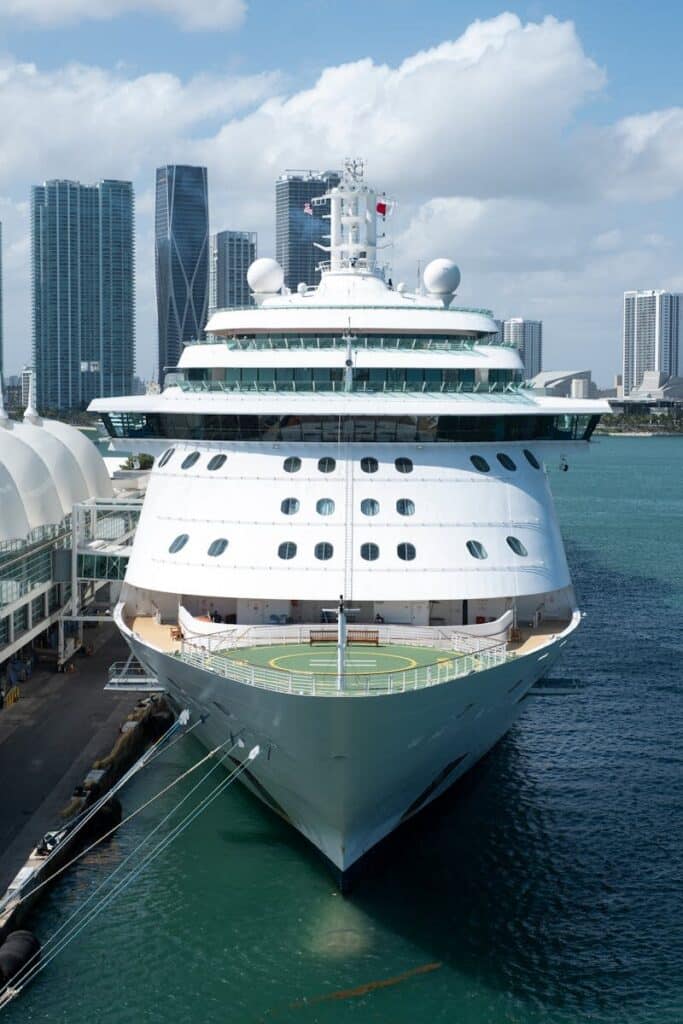
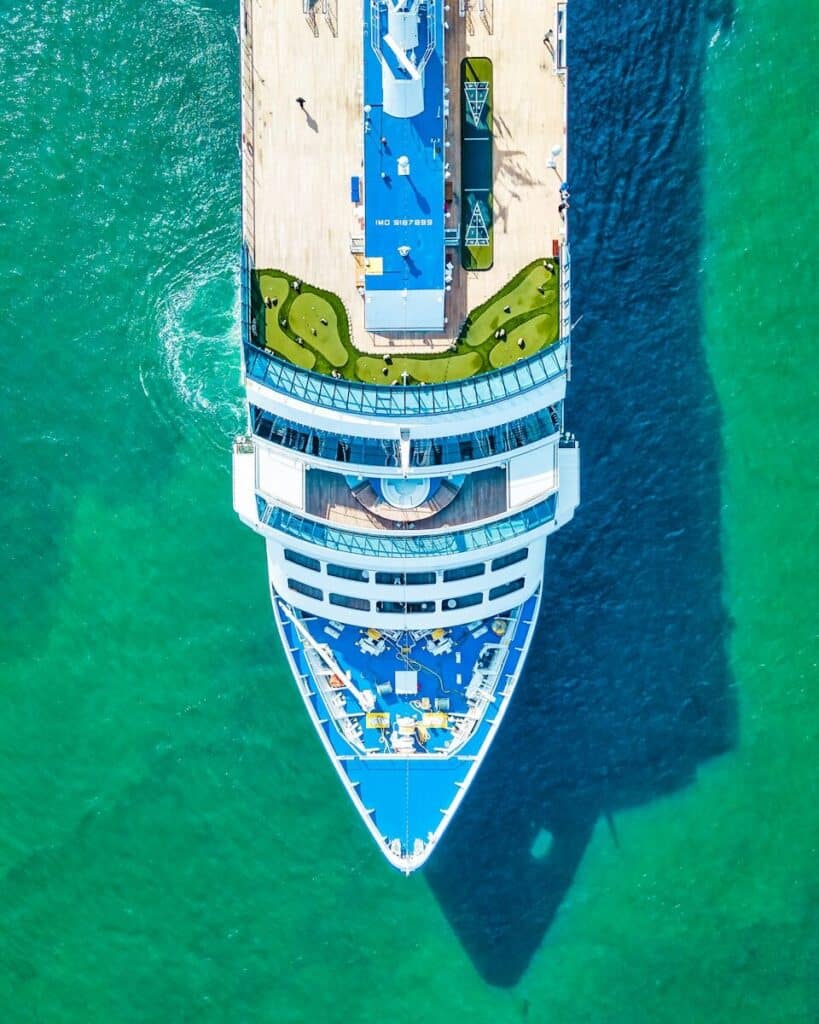
Miami is the only World Cup 2026 host city with a practical cruise ship alternative — and it is not a gimmick. PortMiami is one of the busiest passenger ports in the world, and several cruise lines dock ships in Miami during June and July that are available as floating hotels.
Carnival and MSC Cruises have offered “stay-on-board” packages at previous major events that let non-sailing guests book cabins on a docked ship as hotel accommodation, with full access to the ship's restaurants, pools, and facilities. For the World Cup period, it is worth checking both cruise line websites directly and via travel agents for docked ship accommodation in Miami.
The practical appeal: Miami's normal hotel market is fully stretched during the tournament; a cruise ship berth at PortMiami is 30–40 minutes by rideshare from Hard Rock Stadium; and the on-board facilities eliminate the need for restaurant bookings in an oversubscribed city. Check availability at carnival.com and msccruises.com.
Frequently Asked Questions
If a city is genuinely sold out of hotels, what is the most reliable alternative?
The one-base strategy combined with nearby city hotels is the most reliable solution for the widest range of travellers. Choose a secondary city with confirmed availability (Newark for New York, Fort Worth for Dallas, Oakland for San Francisco), book a standard hotel there, and commute to matches by transit or rideshare. This approach works for any fitness level, any group size, and any budget above the hostel level — and does not require the flexibility or planning involved in RV travel or house-sitting.
How do I find campgrounds near World Cup stadiums?
Campspot.com, in partnership with RVshare, has specifically mapped campground availability near World Cup host cities. KOA Kampgrounds (koa.com) and ReserveAmerica (reserveamerica.com) cover the wider US campground network. For glamping specifically, Hipcamp.com and Glamping Hub have the strongest inventory near popular outdoor areas adjacent to host cities.
Are university dormitories available during the World Cup matches?
Most North American university summer accommodation programmes run from late May through August — which fully covers the World Cup tournament window (June 11–July 19). Booking is typically done directly through the university's conference services office. NYU, UCLA, Boston University, and University of Toronto all have established summer accommodation programmes. Pricing is generally $60–120 per person per night.
Is house-sitting a realistic option for the World Cup?
For the right type of traveller — flexible on exact dates, comfortable with property responsibility, and ideally with an existing profile on TrustedHousesitters — yes. Competition is higher for properties in match-week cities during the tournament, but listings do exist. The key is building a profile before you need it; applying to house sits in World Cup cities with no reviews is unlikely to succeed.
Which World Cup host country still has the most affordable and available accommodation?
Mexico. Guadalajara, Monterrey, and Mexico City all host multiple matches and have extensive hotel supply at a fraction of US pricing. Guadalajara specifically is consistently cited as the most affordable match-attending destination in the tournament — mid-range hotels in the city centre are available at $70–150/night even during match weeks. For fans flexible on geography, shifting the trip south covers the World Cup experience at dramatically lower cost.
What should I avoid when looking for World Cup accommodation alternatives?
Avoid unlicensed Airbnb-style listings from hosts with no review history — the risk of cancellation immediately before arrival is genuine. Avoid paying large upfront sums for informal arrangements found through social media or fan forums without written confirmation and a secure payment method. And avoid the assumption that prices will fall closer to the tournament — at previous World Cups, prices increased in the final weeks before matches, not decreased.
Final Thoughts
The World Cup 2026 accommodation picture is genuinely challenging in certain cities and genuinely manageable in others — and the difference between a successful booking and a frustrating one often comes down to how broadly the problem is framed. Fans who expand their definition of “where to stay” beyond branded hotels near the stadium consistently find solutions that work.
The one-base strategy, RV travel between host cities, university dorms, private hostel rooms, and the pivot to Mexican host cities are not compromises — they are often better experiences than overpriced hotel rooms in sold-out districts. The fans who enjoy this tournament most will be the ones who planned for the reality of a 48-team, 16-city, 104-match event rather than the wishful version.
➡ Last-Minute Accommodation During the World Cup: What Still Works
➡ How to Plan a Last-Minute World Cup Trip
➡ Best Places to Watch World Cup Matches Without Tickets
Add your first comment to this post