


Table of Contents
The FIFA World Cup 2026 is the largest sporting event in the history of the competition — 48 teams, 104 matches, 16 host cities, 39 days. Total in-stadium attendance is projected at approximately 7.3 million fans across all matches, with more than 5 million visitors expected to travel to the USA, Canada, and Mexico over the course of the tournament. For the host cities themselves, the impact will be significant — but it will not be equal across all 16 destinations.
The reality is more layered than “the cities will be packed.” Some venues have hosted enormous events before and have the infrastructure to absorb the crowds. Others — particularly those with limited hotel stock or constrained transit networks — will feel the pressure intensely. And the busiest period is not spread evenly across six weeks — it concentrates sharply around match days, fan festivals, and knockout rounds.
We have looked at the visitor numbers, hotel data, match allocations, and transit capacity for every host city to give you a realistic picture of how busy the World Cup 2026 cities will be — and what that means for anyone planning to be there.
At a Glance
Here is what this guide covers:
- Scale: An estimated 5–6.5 million visitors are expected across all 16 host cities over the 39-day tournament — the largest crowd footprint in World Cup history.
- Busiest cities: New York, Dallas, and Miami are projected to see the greatest demand, with MetLife Stadium hosting 8 matches including the Final, and AT&T Stadium hosting the most matches of any venue (9 total).
- Hotel pressure: Several cities — particularly Vancouver and Miami — face genuinely limited accommodation supply relative to expected demand. Vancouver has a projected 70,000-night shortfall.
- Crowd timing: Busy periods cluster tightly around match days. Cities without a match in a given window return to near-normal. The busiest fortnight is the knockout rounds (July 4–19).
- Transport: Match days create very high pressure on public transit and rideshare in most cities. Planning transport in advance is the single most impactful logistics decision you can make.
- Fan zones add to crowds: Fan festivals operate in all 16 cities for the full duration — they draw tens of thousands of additional visitors even on days without a local match.
- The positive: Many host cities have significant capacity, and demand has been slower to materialise than initial forecasts predicted — which means there is more availability than early headlines suggested.
The Scale of the Tournament
To understand how busy the World Cup 2026 cities will be, start with the numbers.
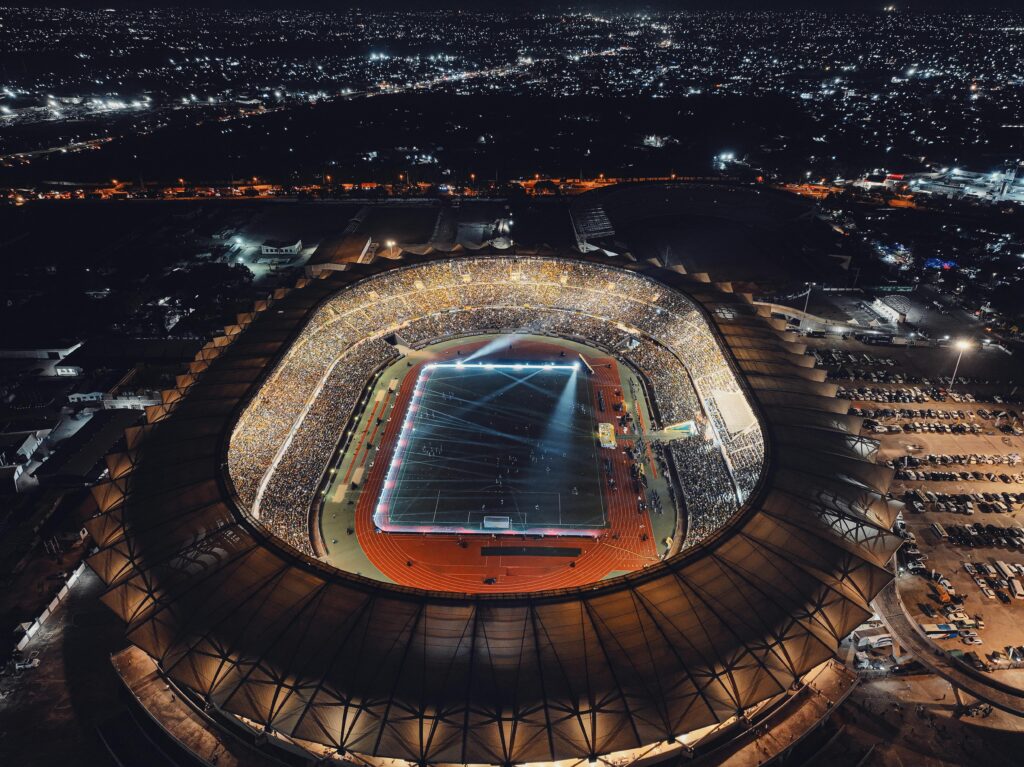
In-stadium attendance: The 104 matches, played across 16 stadiums with capacities ranging from 64,767 (Hard Rock Stadium, Miami) to 94,000 (AT&T Stadium, Dallas), project to approximately 7.3 million total in-stadium spectators. By comparison, the 1994 World Cup — still the all-time attendance record — drew 3.6 million across 52 matches.
Visitor numbers: Early estimates projected over 5 million visitors to the USA, Canada, and Mexico during the tournament window. The US share was estimated at around 1.24 million international visitors alone — representing roughly one-third of total projected US international arrivals for the full year.
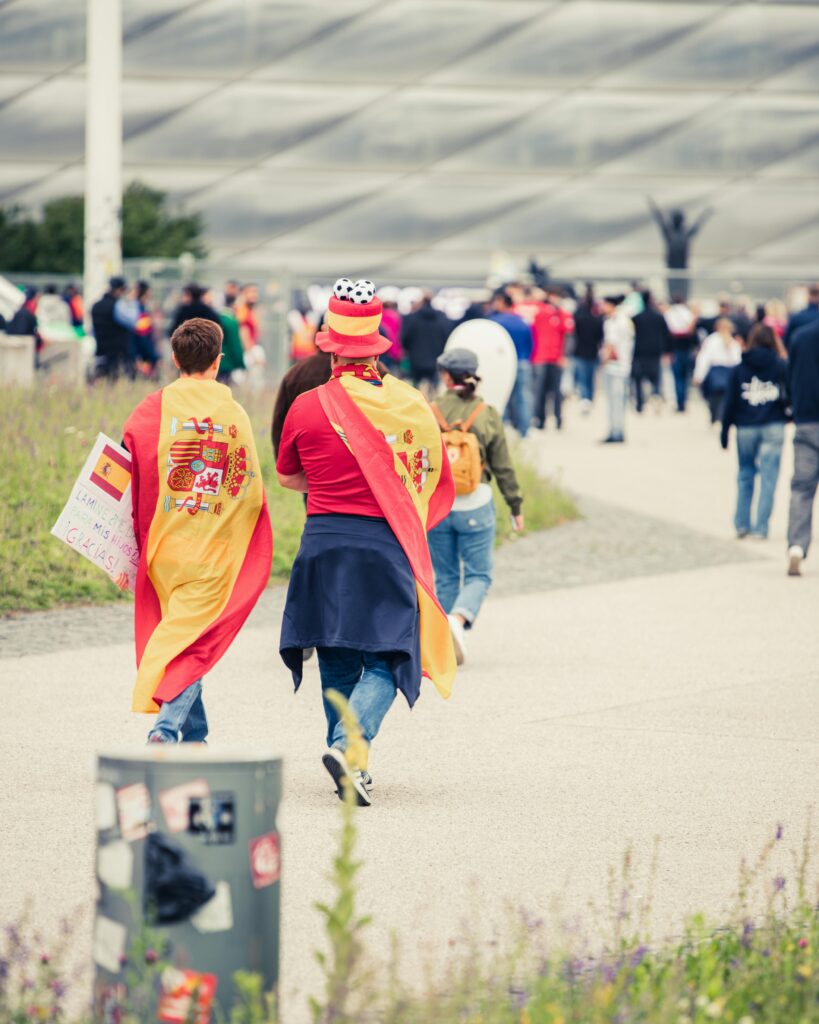
Domestic fans: International visitor numbers are only part of the picture. Each host city will also draw large numbers of domestic fans travelling from other US, Canadian, and Mexican cities. A match involving a fan-heavy nation like Argentina, Brazil, or England draws passionate, well-travelling supporter bases.
Reality check: As of early 2026, hotel bookings in many host cities are running below initial forecasts. Factors including high costs, tighter travel budgets, and the logistics of a three-country tournament have moderated the original projections. This means some of the most alarming early headlines about cities being completely inaccessible have not fully materialised — though match weeks still create significant demand spikes.
Which Cities Will Feel It Most
The level of crowding varies significantly by city, driven by three main factors: how many matches the city hosts, the size and hotel capacity of the city, and how internationally recognisable (and therefore tourist-attractive) the city is.
New York / New Jersey — Highest Overall Pressure
MetLife Stadium hosts 8 matches — including the World Cup Final on July 19, 2026. New York is the most internationally recognised city in the tournament and the one with the highest baseline tourism level year-round. The Final alone will draw global media, tens of thousands of fans without tickets, and enormous fan zone crowds in Manhattan.
Match weeks in New York — particularly around the semi-finals and Final in mid-to-late July — will see the highest demand of any city in the tournament. Hotels in Manhattan are already expensive; during match weeks they will be significantly more so. Fans planning to be in New York during the knockout rounds should have accommodation secured well in advance.
Expected crowd level: Very high throughout; extreme during Final week.
Dallas — Most Matches of Any Venue
AT&T Stadium in Arlington hosts 9 matches — the most of any venue in the tournament. The match allocation includes several high-profile group stage games featuring top-ranked national teams. Dallas will be consistently busy throughout the group stage (mid-June to late June) and potentially into the knockout rounds.
Dallas's hotel market is substantial, and the city has significant capacity compared to some other hosts. But the density of matches — 9 fixtures means roughly one match every four days during the group stage — keeps the city in a sustained high-demand state throughout the tournament's first half.
Expected crowd level: High and sustained throughout the group stage.
Miami — Limited Supply, High Demand
Hard Rock Stadium hosts 7 matches. Miami is one of the most visited international tourist destinations in the USA, with strong appeal to South American fans — Brazil, Argentina, and Colombia all have significant supporter communities with Florida travel patterns. Early hotel booking data showed Miami with 95% of hotels booked ahead of its first match date.
Miami's hotel stock, while substantial, is geographically spread across a large metropolitan area. The Hard Rock Stadium in Miami Gardens is not in South Beach or Brickell — fans without a car need to plan transit to the stadium specifically. The combination of high demand, dispersed accommodation, and the city's existing tourism baseline makes Miami one of the most logistically intense host cities.
Expected crowd level: Very high. Book early and plan transport carefully.
Vancouver — Supply Crisis
Vancouver hosts 6 matches at BC Place and faces the most acute accommodation shortage of any host city. A Deloitte report projected a 70,000-night shortfall in overnight accommodation during the Vancouver match window — a deficit described as “unfillable” under current regulations. FIFA also cancelled approximately 15,000 hotel room reservations that had been booked in block for officials and staff, returning rooms to the market — but the underlying supply constraint remains.
Metro Vancouver's total accommodation capacity (hotels plus short-term rentals) sits at approximately 41,800 rooms during peak periods. Without additional options, hotel price increases of 200% or more during match weeks are possible. Airbnb is FIFA's official accommodation partner and is expected to absorb some of the shortfall, but fans without bookings will face a very limited and expensive market.
Expected crowd level: Very high relative to city size. Accommodation is the primary constraint — the transit and fan experience are excellent.
Atlanta — Eight Matches, Strong Infrastructure
Mercedes-Benz Stadium hosts 8 matches. Atlanta has a strong events infrastructure (it regularly hosts Super Bowls, college football championships, and major concerts at the same venue), a busy international airport (one of the highest-traffic in the world), and significant hotel capacity across the metro area. It is one of the better-prepared host cities for absorbing large crowds.
Early booking data suggested 95% of hotels booked ahead of first match dates, though the FIFA block cancellations have returned some inventory to the market. Atlanta's domestic fan base is also strong — significant Brazilian, African, and Caribbean communities make Atlanta a naturally energised host city.
Expected crowd level: High but manageable — infrastructure is well matched to demand.
Houston — Extreme Heat, Strong Supply
NRG Stadium hosts 6 matches. Houston's main constraint is not accommodation or infrastructure — it has ample hotel stock and a large-event-ready venue. The constraint is the weather (see our weather guide for full detail). The heat index in Houston in July regularly exceeds 40°C, which affects fan behaviour, pre-match outdoor activity, and the overall visitor experience. Hotels were showing 91% booked ahead of first match dates but FIFA block cancellations have eased this in some cases.
Expected crowd level: High. Weather is the primary fan experience challenge, not crowd infrastructure.
Mexico City — High Demand, Cultural Intensity
Estadio Banorte (formerly Estadio Azteca) hosts 5 matches in Mexico City. The city is the largest in the tournament by metropolitan population and already a major international tourist destination. Mexico City's fan energy is exceptional — the atmosphere at the Azteca is among the most intense in world football. Hotels showed 94% booked ahead of first match dates, with FIFA cancelling approximately 800 rooms from the stock.
The city's infrastructure for large events is well developed, though the metro and city transport face significant match-day pressure. Traffic in Mexico City is a consistent challenge regardless of the tournament — fans should use the metro, ride the metro, and use the metro.
Expected crowd level: Very high; intense atmosphere but capable infrastructure.
The Cities With More Breathing Room
Not every host city will feel overwhelmed. Several have match allocations and tourism profiles that mean they will be busy but manageable:
- Seattle: 4 matches at Lumen Field; strong infrastructure; the city has hosted major events at this venue; excellent public transit to the stadium via multiple options. Likely the most relaxed major US host city experience.
- San Francisco / Santa Clara: 6 matches at Levi's Stadium. The Bay Area has enormous accommodation stock across multiple cities. Match day crowds at the stadium are significant, but San Francisco itself has a very large hospitality infrastructure.
- Los Angeles: 6 matches at SoFi Stadium. The Los Angeles metro area has the largest hotel inventory of any US city. Crowds will be high but the supply is enormous relative to most other hosts.
- Boston: 4 matches at Gillette Stadium. Boston is a well-functioning major event city. Gillette Stadium is in Foxborough — roughly 45 minutes south of the city by commuter rail. Accommodation and activity in Boston proper will be high but not critically constrained.
- Kansas City: 6 matches at Arrowhead Stadium. A mid-sized city with significant sports event experience (NFL Chiefs games regularly sell out 76,000 seats). The ConnectKC26 public transit investment adds further capacity. A less obviously international destination — which likely means less baseline tourist pressure.
- Philadelphia: 4 matches. Significant accommodation inventory; FIFA cancelled approximately 2,000 hotel rooms from blocks, returning them to the general market.
When Will the Cities Be Busiest?
The tournament runs June 11 – July 19, 2026. Crowd pressure is not evenly distributed across this window.
| Period | What Happens | Crowd Level |
|---|---|---|
| June 11–20 | Opening matches. group stage begins | High — opening weekend very intense |
| June 21 – July 1 | Middle group stage | Moderate–high by city and match day |
| July 1–4 | Final group stage + Round of 32 | Rising pressure in knockout cities |
| July 4–10 | Round of 16 | High — multiple major matches |
| July 11–15 | Quarter-finals | Very high in quarter-final host cities |
| July 15–18 | Semi-finals | Extreme in semi-final host cities |
| July 18–19 | Third-place match + Final (MetLife) | Extreme in New York / NJ |
Cities that are not hosting a match in a given week return to something close to normal tourist levels on non-match days. The fan festival in each city continues throughout — but the crowd intensity is overwhelmingly concentrated around match days.
What This Means for Transport
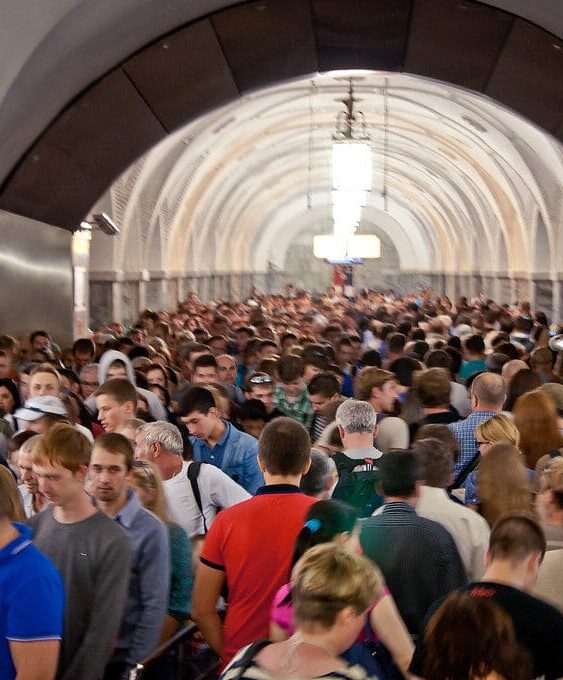
Match days in every host city will produce significant transport pressure. Whether you are driving, taking public transit, or using rideshare, the key principle is the same: build much more time into your journey than you think you need.
Public transit is almost always better than driving on match days near stadiums. Park-and-ride and drop-off points become heavily congested. Road access is often partially restricted near stadiums in the hours before and after matches.
City-specific transit notes:
- New York: NJ Transit from Penn Station to MetLife is the main option — trains run at high frequency on match days; expect queues; buy your return ticket before the match, not after
- Dallas: AT&T Stadium is in Arlington with no direct rail connection; shuttle services from designated park-and-ride lots are the primary option; plan for significant post-match delays
- Miami: Hard Rock Stadium requires a car, Uber, or the free official shuttle from designated Park & Ride points; no metro connection to the stadium
- Vancouver: SkyTrain to Stadium–Chinatown station or BC Place directly — the best transit connection of any host city
- Atlanta: MARTA rail to Vine City or English Avenue stations serves Mercedes-Benz Stadium directly
- Kansas City: ConnectKC26 shuttle services supplement the existing bus rapid transit network
Ride-share prices surge sharply in the hour after matches end. Walking 15–20 minutes from the stadium perimeter before requesting a ride reduces both wait time and pricing significantly.
Having reliable mobile data to track transit times and request rideshares on match days is essential. A local eSIM or SIM card means your navigation, ride-hailing, and communication apps work without interruption regardless of which city you are in.

Covers USA, Canada, and Mexico on a single eSIM. No swapping, no reactivation when you cross a border.

Accommodation: What Is Still Available
FIFA cancelled thousands of hotel room blocks across multiple host cities in early 2026, returning rooms to the general market. While this has moderated some of the early “sold out everywhere” headlines, the supply situation is still tight in several cities.
Current situation by city type:
- Critical shortage: Vancouver (structural supply gap; book anything available immediately)
- Tight but available: Miami, New York (knockout round weeks), Mexico City
- Available with advance planning: Dallas, Atlanta, Houston, Kansas City
- Good availability: Los Angeles, San Francisco/Bay Area, Seattle, Philadelphia, Boston
For cities with tight supply, the options beyond traditional hotels include: Airbnb (FIFA's official accommodation partner for fans — the platform has invested specifically in host city supply), short-term apartment rentals, extended-stay hotels, and staying in nearby cities and commuting to matches.
In Vancouver specifically, fans are being advised to consider staying in nearby cities — Burnaby, Surrey, Coquitlam — all connected to BC Place via the SkyTrain network, and with meaningfully more accommodation availability than Vancouver's city centre.

Find hotels, apartments, and last-minute stays across World Cup 2026 host cities in the USA, Canada, and Mexico.
Fan Zones: The Hidden Crowd Multiplier
Every host city operates an official FIFA Fan Festival for the duration of the tournament. These are large public viewing events — outdoor screens, live entertainment, food, merchandise, and the World Cup atmosphere — open to fans without match tickets.
The fan festivals significantly expand the crowd beyond the stadium. A host city with a 70,000-seat stadium might see 20,000–40,000 additional people at the fan zone on a match day — people who never enter the stadium but fill hotels, restaurants, bars, and transport systems. On non-match days, fan festivals still operate and draw crowds.
This means every host city is busy for the full duration of the tournament, not just on match days. Restaurants, transit systems, and visitor attractions see elevated demand throughout the 39-day window — even when no match is scheduled locally.
Frequently Asked Questions
How many people are expected at the World Cup 2026?
Total in-stadium attendance is projected at approximately 7.3 million across all 104 matches. Visitor numbers across the three host countries are estimated at 5–6.5 million over the 39-day tournament, with around 1.24 million international visitors expected in the USA alone. These figures are estimates — actual demand has been somewhat below initial forecasts in early 2026, partly due to high travel costs and the complexity of a three-country event.
Which World Cup 2026 city will be the busiest?
New York/New Jersey will see the highest overall pressure — MetLife Stadium hosts 8 matches including the Final, and New York is the most internationally recognised city in the tournament. Dallas hosts the most matches of any single venue (9) and will sustain high demand throughout the group stage. Miami and Vancouver face acute accommodation shortages relative to expected demand, making them particularly challenging logistically despite smaller match allocations than New York or Dallas.
Are hotels still available for the World Cup 2026?
Yes, FIFA's cancellation of thousands of hotel room blocks in early 2026 returned meaningful inventory to the general market in several cities, including Philadelphia, Vancouver, Mexico City, and Boston. Availability varies significantly by city and match week. Vancouver remains the most constrained market. For cities like Los Angeles, San Francisco, Seattle, and Houston, general availability is reasonable with advance planning. Prices are significantly elevated compared to non-tournament periods, particularly in the week of the Final in New York.
Will it be hard to get around the host cities on match days?
Yes, match days create significant pressure on public transit, rideshare, and road access near stadiums. Public transit is consistently more reliable than driving or rideshare immediately before and after matches. Build 90 minutes extra into all stadium journeys. For cities like Dallas and Miami where the stadium is not on a metro line, official park-and-ride shuttle services and early departure times are essential planning elements.
Do I need to attend a match to experience the World Cup atmosphere?
No. Every host city has an official FIFA Fan Festival with live match screenings, entertainment, and food — open to fans without tickets for the full duration of the tournament. Many cities are also establishing unofficial fan zones in popular neighbourhoods. The fan festival experience in a football-passionate host city on a match day — without entering the stadium — is still a significant and worthwhile event. It also adds meaningfully to crowd levels in all 16 cities throughout the 39-day window.
Is it worth visiting a host city even without match tickets?
For many fans, yes. The fan festivals, the street atmosphere on match days, the international crowd mix, and the general World Cup energy in a host city are themselves a compelling experience. Cities like New York, Mexico City, and Miami will have particularly intense non-stadium atmospheres during the tournament. The practical requirement is accommodation secured in advance — which is the real limiting factor for ticket-less visits to the busiest cities.
Final Thoughts
The World Cup 2026 will be busy — but it will not be uniformly overwhelming. The cities with the most matches, the most famous profiles, and the least accommodation supply will feel the most pressure. The cities at the other end of that spectrum — Seattle, Kansas City, Philadelphia, Los Angeles — will be lively and well-attended without being logistically extreme.
The most important planning decisions for how busy the World Cup 2026 cities will be to manage are: accommodation (book it, do not assume it will be there), transport (use public transit on match days), and timing (the busiest fortnight is July 4–19 for knockout rounds). Everything else is manageable with a bit of preparation.
➡ Last-Minute Accommodation During the World Cup (What Still Works)
➡ What to Pack for the World Cup 2026 (By Destination)
➡ World Cup 2026 Travel Tips Nobody Tells You
➡ Best eSIM for World Cup 2026
Add your first comment to this post