


Table of Contents
The FIFA World Cup 2026 spans three countries, 16 host cities, and nearly six weeks of football. It is also one of the most demanding packing challenges in sports travel — not because the rules are complicated, but because the climate variation between host cities is extreme. Miami and Dallas run at 32–38°C with high humidity and regular afternoon thunderstorms. Vancouver and San Francisco sit at 16–20°C with morning fog. Mexico City gets daily heavy rain at 2,240 metres above sea level.
Most packing guides treat the entire tournament as one destination. This one doesn't. What works in Atlanta will leave you cold in Seattle. What you wear in Dallas will be completely wrong for an evening match in Vancouver. And across all 16 venues, one rule applies universally and changes how you organise everything else: FIFA's strict stadium bag policy means every fan carries a small transparent bag to every match.
We've put together this guide covering what to pack for the World Cup 2026 by climate zone — with the stadium rules up front, destination-specific advice in the middle, and a universal matchday kit that applies everywhere.
At a Glance
Here is what this guide covers:
- Stadium bag policy: FIFA's clear bag rule applies at all 16 venues — a transparent bag no larger than 12″ x 6″ x 12″. Backpacks and umbrellas are banned. Plan for this before you pack anything else.
- Hot cities (Miami, Dallas, Atlanta): Moisture-wicking fabrics only. Cotton will make you miserable. SPF 50+ sunscreen and electrolyte packets are essential, not optional.
- Mild and coastal cities (Vancouver, Seattle, San Francisco): Layers matter more than warmth. Pacific mornings are cool and frequently foggy — pack a packable shell jacket even for afternoon matches.
- Mixed cities (NYC, Toronto, Mexico City): Prepare for both heat and rain. New York and Mexico City see the most rain of any host cities in June and July.
- Universal matchday kit: Broken-in walking shoes, a packable rain poncho (not an umbrella), a full-capacity power bank, and an empty reusable water bottle.
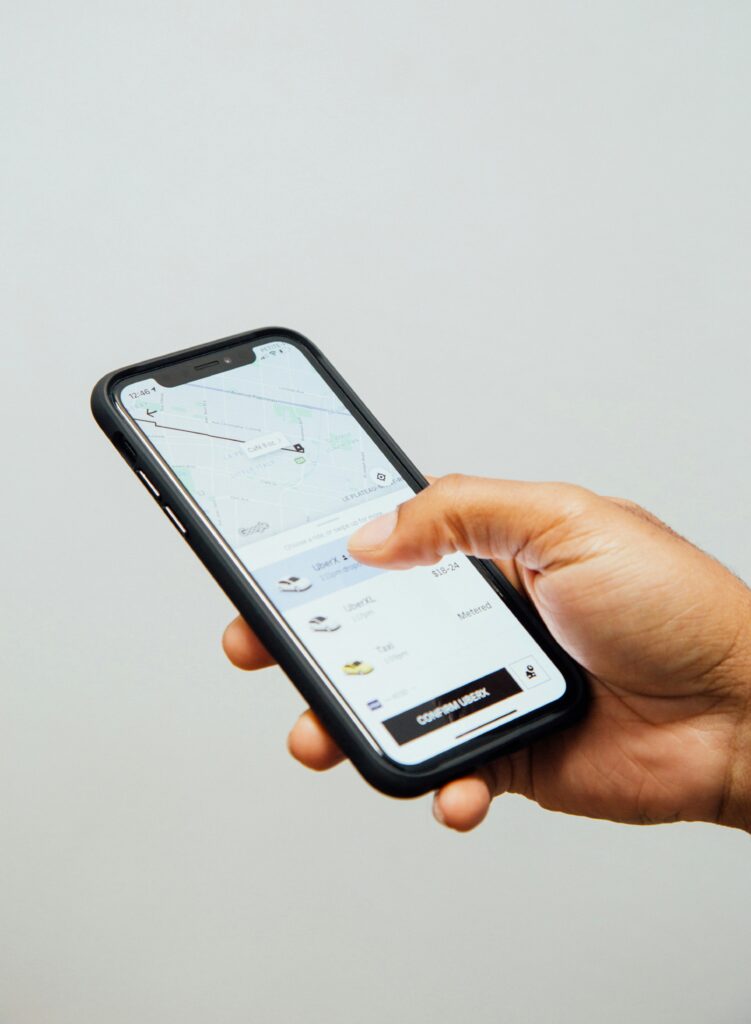
- Tech and connectivity: A local eSIM or SIM card is the item fans most consistently forget — North American roaming charges on international plans can be significant.
- What not to bring to the stadium: Umbrellas, backpacks, outside food and drinks, vuvuzelas, and flags with poles are all prohibited at all 16 venues.
The Rule That Overrides Everything: FIFA's Clear Bag Policy
Before you think about jerseys, layers, or technology, understand one thing. Every FIFA World Cup 2026 stadium enforces the same bag policy — and it will shape how you organise and carry every other item on this list.
Bags That Are Allowed
Three bag types are permitted into all 16 stadiums:
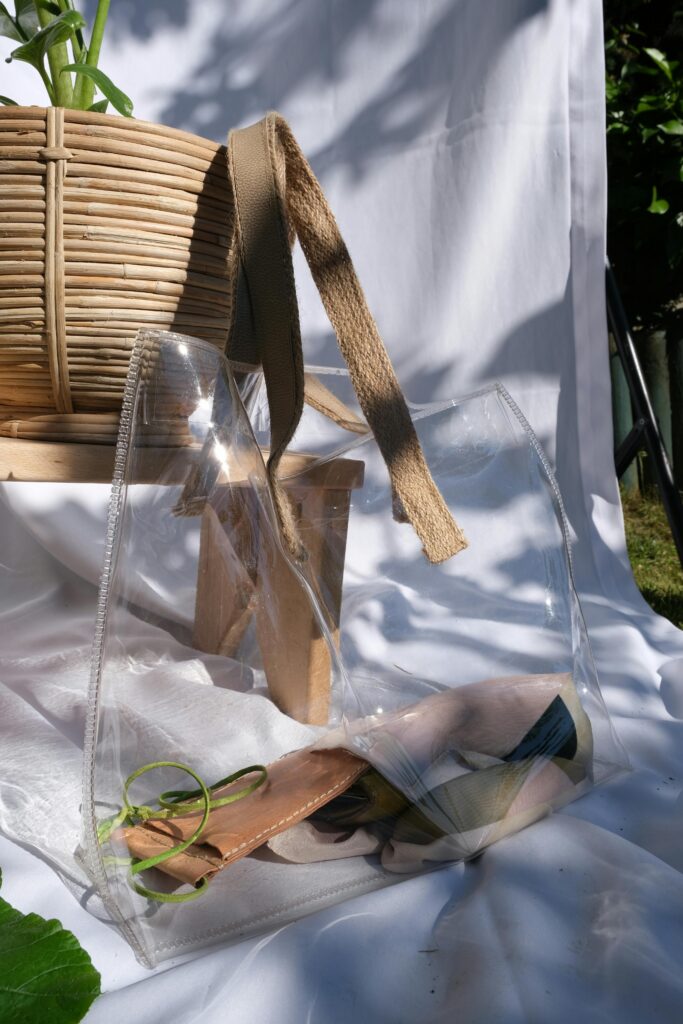
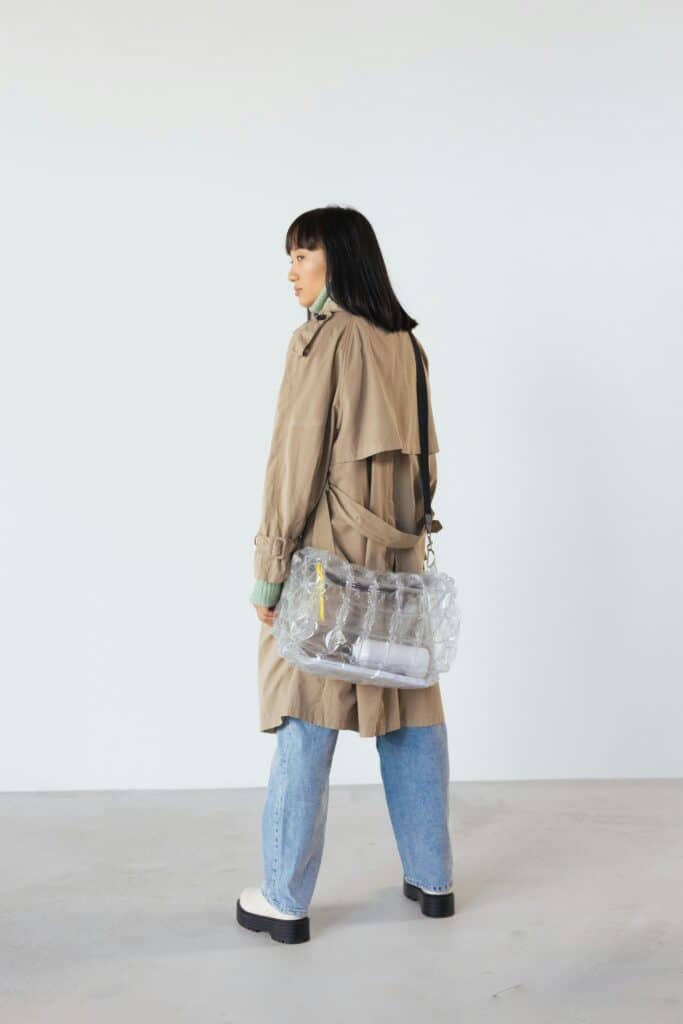
- Clear plastic, vinyl, or PVC bag — maximum 12″ x 6″ x 12″ (approximately 30cm x 15cm x 30cm)
- One-gallon clear resealable plastic bag (like a Ziploc freezer bag) — maximum 11″ x 11″
- Small handheld wallet or clutch — maximum 6.5″ x 4.5″
That is the complete list. Everything else — including transparent backpacks — is refused at the gate.
The practical recommendation: buy a FIFA-compliant clear tote bag before you travel. They are widely available online and at fan merchandise stores in every host city. A one-gallon Ziploc freezer bag also works perfectly, costs almost nothing, and is lighter than any purpose-made stadium bag.
Everything you need during a match — phone, wallet, sunscreen, tickets (digital or printed backup), empty water bottle, and your rain poncho — must fit in this bag. With a bit of organisation, this is very manageable.
Items Banned at All 16 Stadiums
Several items consistently catch fans off-guard. The full FIFA ban list includes:
- All backpacks (including transparent ones — size doesn't matter, the format is banned)
- Umbrellas — this is the one that surprises fans most; bring a clear packable poncho instead
- Outside food and drinks — most venues prohibit these entirely; sealed plastic water bottles (max 700ml / 24oz) may be permitted at some but not all venues — check the specific stadium rules before each match
- Glass bottles and cans
- Flags with poles — flags without poles are generally permitted
- Seat cushions with pockets or zippers
- Vuvuzelas, horns, and noisemakers
- Selfie sticks
- Large cameras with detachable lenses
- Laser pointers and aerosol sprays
- Inflatable items
- Folding chairs and strollers (in most venues)
If Your Bag Doesn't Comply
There is no bag storage or cloakroom at any World Cup 2026 stadium — FIFA's policy means anything that doesn't comply stays outside the gates. If your day bag doesn't meet the requirements, you need to arrange storage somewhere nearby before you reach the stadium.
Luggage storage services operate near most major venues and at transit hubs close to stadiums. It is worth researching your options before match day rather than searching in a rush after travelling to the stadium.
Pack for Your Climate Zone
One of the biggest packing mistakes for the World Cup 2026 is treating all host cities the same. Here is what the weather actually looks like in June and July across the three main climate zones.
Hot and Humid: Miami, Dallas, Atlanta, Kansas City, Houston
These cities share a brutal summer combination: high temperatures (32–38°C / 90–100°F) and high humidity. Miami and Atlanta add regular afternoon thunderstorms that arrive quickly. Dallas in July is among the hottest environments of any host city in the tournament.
The essential principle: avoid cotton entirely. Cotton absorbs sweat, stays damp, gets heavy, and does not dry quickly. A cotton t-shirt on a walk from a Dallas metro station to AT&T Stadium in 38°C heat becomes uncomfortable in minutes. Choose moisture-wicking synthetic fabrics — polyester-blend athletic wear, or newer linen blends designed for humidity.
What to pack for hot and humid cities:
- 2–3 moisture-wicking jerseys — your national team jersey is already made from the right material; bring 2–3 for multi-day stays
- Athletic shorts or lightweight hiking trousers — no heavy denim; jeans in 35°C heat will feel punishing by mid-afternoon
- 1 lightweight long-sleeve layer — for air-conditioned spaces; AT&T Stadium in Dallas is fully climate-controlled and noticeably cold compared to outside
- SPF 50+ sunscreen — reapply every 2 hours; the Texas and Florida sun is aggressive
- Cap or wide-brim hat — essential for day matches, which often kick off at noon or early afternoon
- Polarised sunglasses — stadium glare from afternoon light is significant
- Electrolyte packets (Liquid IV, Nuun, or similar) — dehydration is the most common health complaint for fans in these cities; mix with water and drink throughout the day
- Packable clear rain poncho — for the afternoon thunderstorms in Miami and Atlanta; folds to the size of a fist and fits in your clear stadium bag
Pacific and Mild: Vancouver, Seattle, San Francisco, Los Angeles
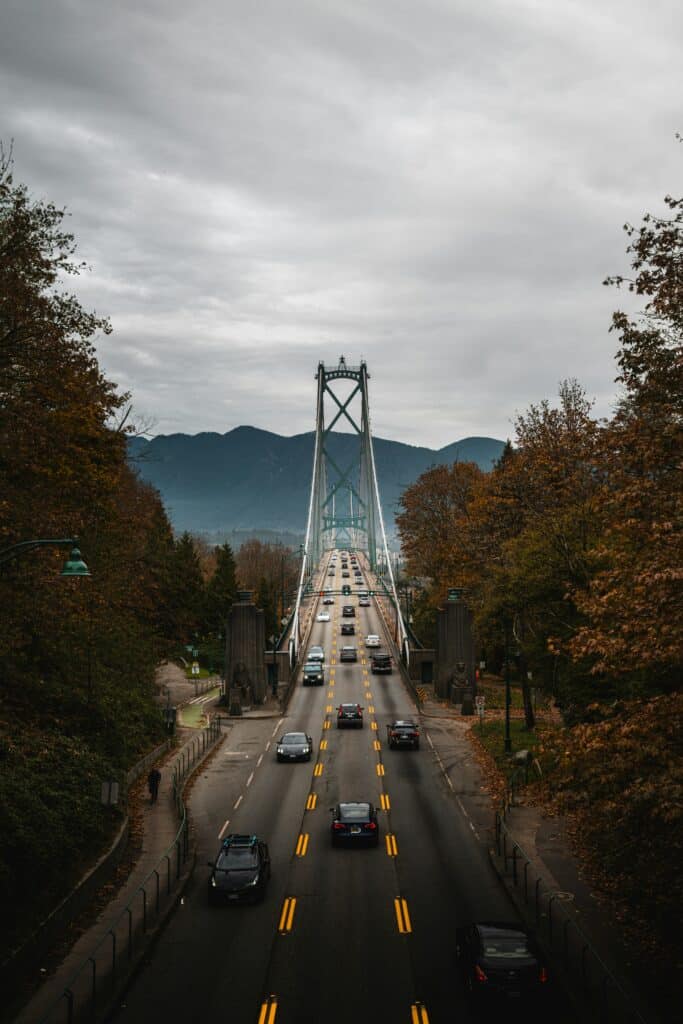
The Pacific cities run a fundamentally different climate. June and July sit between 14–22°C with frequent morning fog, particularly in San Francisco. Seattle and Vancouver can produce light rain at any point. Los Angeles is warm and dry but cooler than the southern US cities.
Fans travelling from hot-city matches consistently underpack for these cities. A jersey that was perfect at a Dallas noon kick-off will leave you cold at an evening match at BC Place in Vancouver. The solution is packable layers — thin, compressible items that add and remove easily.
What to pack for Pacific and mild cities:
- Packable waterproof shell jacket — not a heavy coat; a windbreaker that compresses into its own pocket. This is the single most important item for Seattle and Vancouver.
- Light mid-layer (merino wool or light fleece) — warm enough for a 14°C Vancouver evening, not uncomfortable at 22°C
- Long trousers (at least one pair) — lightweight hiking trousers or travel chinos; athletic shorts that work in Dallas will be cold at evening matches here
- Packable clear rain poncho — same one as above, but more likely to be needed here; light rain in the Pacific Northwest arrives without much warning
- Merino wool or moisture-wicking socks — 1 pair of warmer wool socks for evening matches
San Francisco specific note: The morning marine fog layer (locally called “June Gloom”) covers the city at 14–16°C, but Levi's Stadium is in Santa Clara — 60km south and typically 6–10°C warmer and sunnier. If you are leaving the city for a match, dress for both temperatures: layers you can shed as you travel south by Caltrain.
Mixed and Variable: New York, Toronto, Mexico City
These cities present the broadest climate range — warm and humid, with rain a genuine variable throughout June and July.
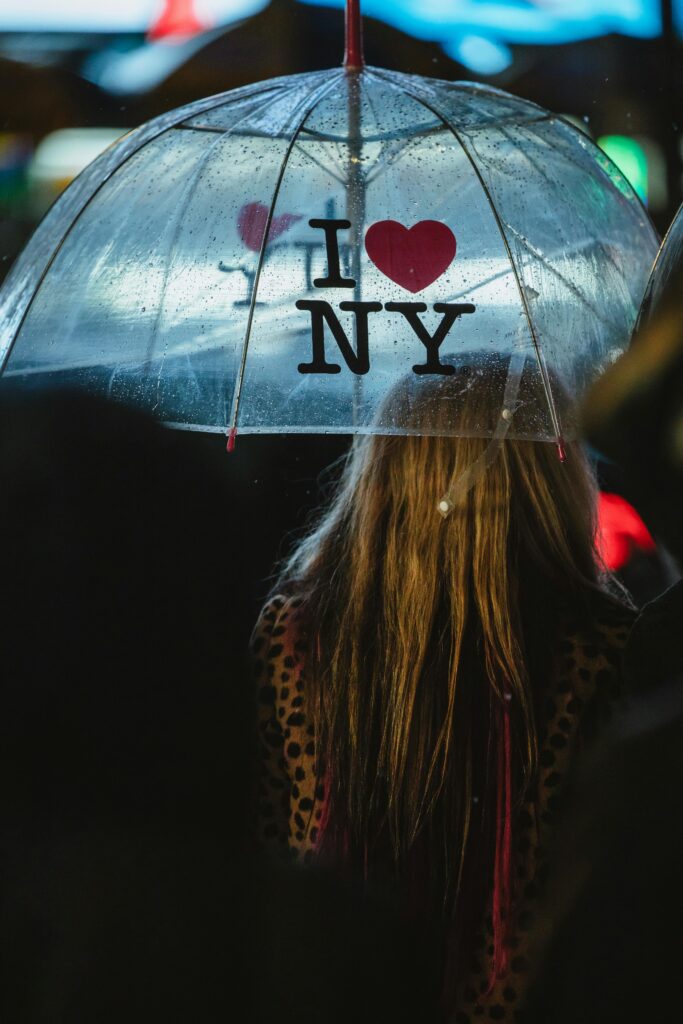
New York (MetLife Stadium): July average high of 27°C, but MetLife is fully open-air and exposed. New York has around 10–13 rainy days in July. The stadium location in East Rutherford, New Jersey is more exposed to wind and rain than downtown Manhattan — pack your rain poncho for every match here.
Toronto (BMO Field): 18–28°C across June and July, with afternoon thunderstorms in July. Evenings can drop to 18°C. Pack a rain layer and one warm evening layer.
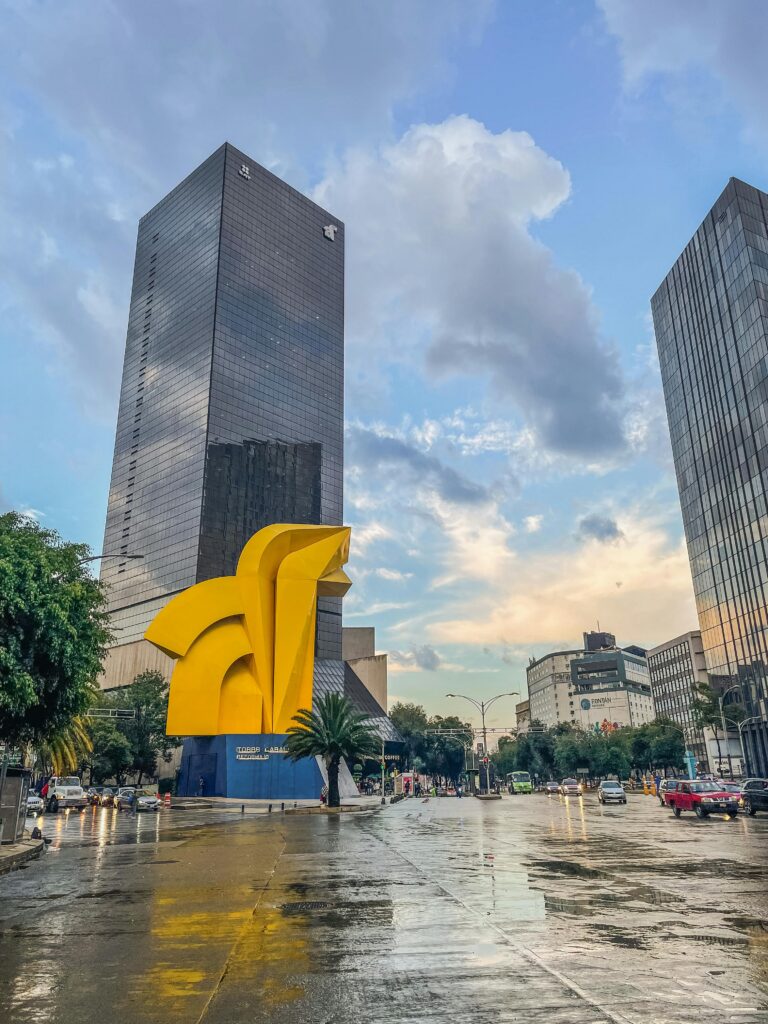
Mexico City (Estadio Azteca): This is the most distinctive climate combination on the list. Average temperatures are mild (18–25°C) because of the altitude — 2,240 metres above sea level. But June and July are the wettest months, with over 150mm of rain expected in each month and rain on more than half of the days. Pack a poncho without question. Also: UV exposure is significantly higher at altitude than at sea level — sunscreen matters more in Mexico City than many visitors expect.
One more altitude note: some visitors to Mexico City experience mild symptoms in the first 24–48 hours — slight headache, breathlessness, fatigue. Drink more water than usual. These effects typically pass within a day.
The Universal Matchday Kit
Regardless of destination, every fan attending a World Cup 2026 match needs the same core matchday kit. This applies across all 16 cities.
| Item | Why It Matters |
|---|---|
| Broken-in walking shoes | Matchdays regularly involve 15.000–20.000 steps. New shoes will cause blisters by day 3. Wear your chosen shoes for 20+ hours before the tournament starts. |
| Clear stadium bag (FIFA-compliant) | Mandatory at all 16 venues — see policy above |
| Empty reusable water bottle | Tap water is safe and free in the US and Canada. refill at the stadium and at your hotel. Saves $5–8 per bottle at stadium prices. |
| Packable clear rain poncho | Umbrellas are banned at all venues. This is the only wet-weather cover permitted inside stadiums. |
| Portable power bank (10.000mAh+) | Matchdays run 4–6 hours from pre-match to post-match. Digital tickets require a charged phone at the gate. A dead phone at security is a long and frustrating situation. |
| SPF 50+ sunscreen | Applies to all cities for day matches and outdoor pre-match activity |
| Blister plasters (Compeed or similar) | Your feet will appreciate these from day 3 onward |
| Team jersey or fan gear | The visual language of the tournament |
| Printed backup of match ticket | Digital is standard. a printed backup is your safety net if your phone dies before the gate |
| Electrolyte packets | For hot cities especially — but useful in any city with long outdoor matchday walking |
Technology and Connectivity
eSIM or Local SIM Card
Mobile data without a local plan in North America is expensive. Standard international roaming on European or Asian plans typically costs $5–15 per day, and across a 10–20 day trip, that adds up fast.
The solution is a local eSIM (a digital SIM card installed on your phone before you travel, compatible with most phones from 2020 onwards) or a physical SIM purchased on arrival. An eSIM for the USA typically costs $10–25 for 7–14 days of data at full local speeds. For fans moving between the USA, Canada, and Mexico, North America-wide eSIM plans are available from several providers — one plan covering all three countries from a single purchase.
An eSIM installed before departure means full-speed data the moment you land — no airport kiosk queues, no surprise charges, and your digital match tickets and navigation apps work immediately.

Covers USA, Canada, and Mexico on a single eSIM. No swapping, no reactivation when you cross a border.
Power Bank
A power bank with at least 10,000mAh capacity gives 2–3 full phone charges — enough for a long matchday. Check airline rules before travelling: most banks up to 20,000mAh are permitted as carry-on; anything above 27,000mAh may be restricted. If you are doing a multi-city trip with frequent flying, keep your power bank in your carry-on bag, not checked luggage.
Offline Maps
Download offline maps for all your host cities on Google Maps before travelling. Mobile data near stadiums slows significantly on match days due to network congestion from 60,000+ fans. Offline maps let you navigate without data in the post-match rush.
Camera
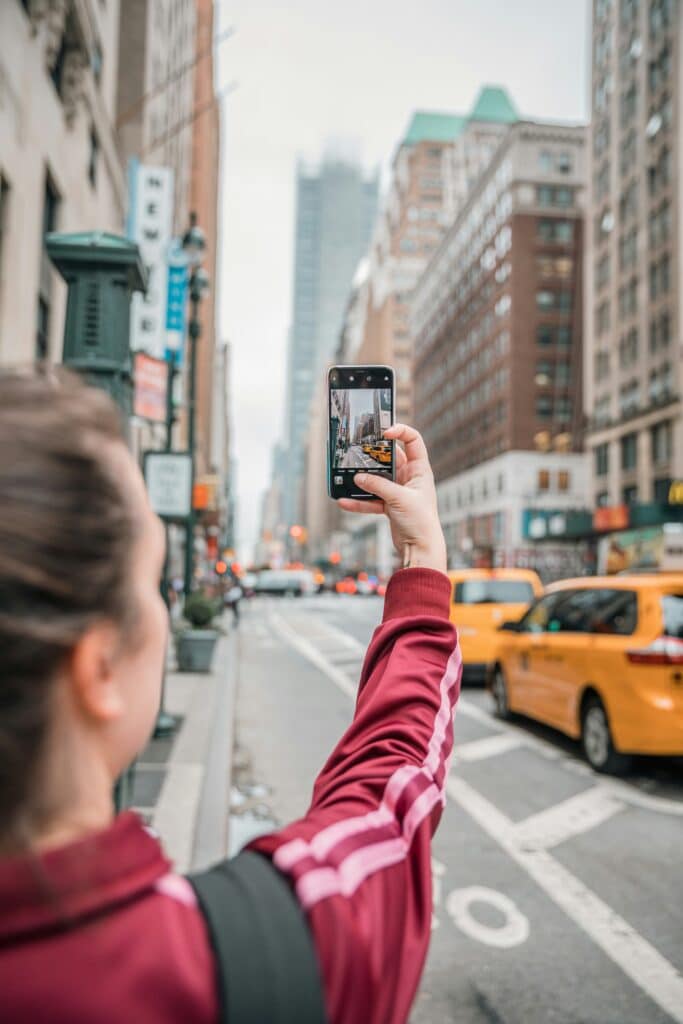
FIFA prohibits cameras with detachable lenses inside all stadiums. A smartphone or small compact camera (fixed lens) is your best option for match photography. For travel days outside the stadium, bring whatever camera you prefer.
Travel Documents and Entry Requirements
Passport and Visa Requirements
Your passport must be valid for at least 6 months beyond your last travel date. Check this well in advance — renewal takes time, and a short expiry date can cause problems at border control even if the passport is technically valid on your departure date.
For entry to the USA, most Western passport holders need an ESTA (Electronic System for Travel Authorisation) — a quick online application costing $21, valid for 2 years. Apply weeks before you travel, not the night before.
For Canada, most non-Canadians need an eTA (Electronic Travel Authorisation) for air travel — CAD $7, applied for online. For Mexico, most Western passport holders enter visa-free for tourist stays.
Travel Insurance
Medical treatment in the USA without insurance is one of the most expensive healthcare situations a traveller can face. Emergency hospital visits can cost thousands of dollars. Travel insurance covering emergency medical treatment, trip cancellation, and phone or equipment theft is strongly recommended for any international visitor attending the World Cup.
Buy before you travel — not after you have already departed. Check that your policy covers large-event travel, as some policies have exclusions for events above certain crowd sizes.

Travel with extra peace of mind during the 2026 World Cup with coverage for medical emergencies, delays, and unexpected travel issues across Canada.
Money and Payments
The USA and Canada are almost entirely cashless — restaurants, bars, transport, and shops all accept Visa and Mastercard. Cash is useful for tipping (18–20% at US restaurants; 15–18% in Canada is the norm) and for smaller market or street food purchases.
Mexico is more cash-dependent, particularly outside city centres. Markets, smaller restaurants, and local transport often require cash. Use ATMs in Mexico to withdraw pesos at a good rate — avoid airport currency exchange, which consistently offers poor rates.
If your home bank charges foreign transaction fees (typically 2–3% per transaction), these add up over a long trip. A fee-free travel debit card gives you local exchange rates without per-transaction charges.
Packing Light for Multi-City Trips
Many fans are visiting two or three host cities over 10–14 days. A few considerations specific to multi-city travel:
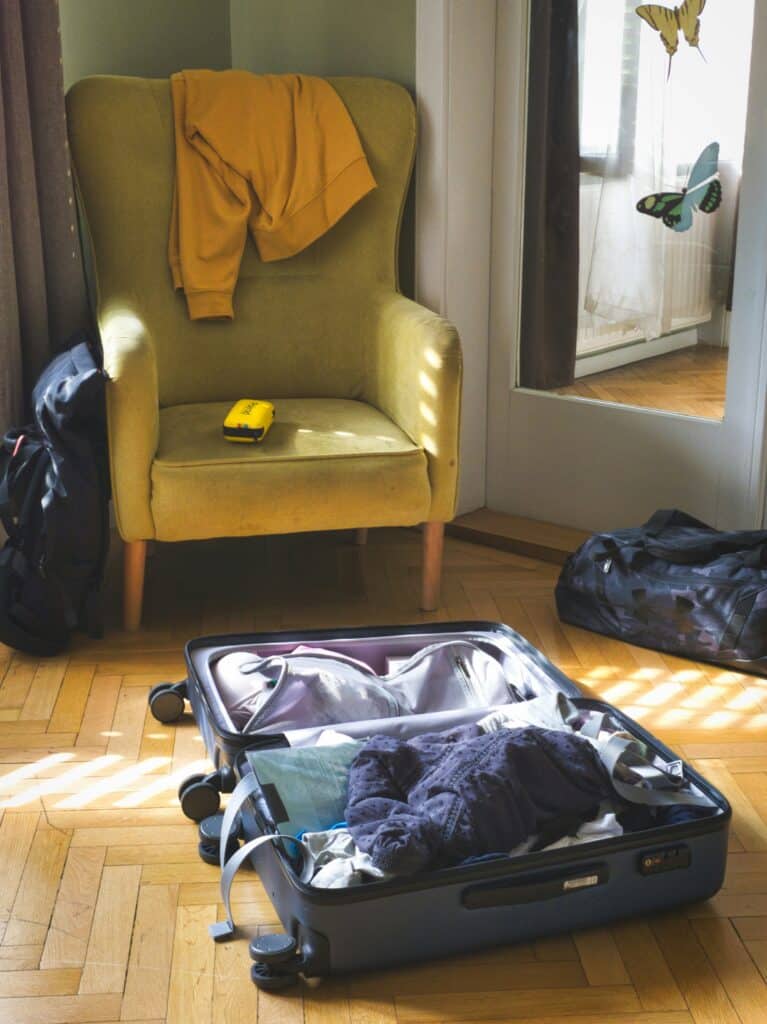
Fly carry-on only if you can. Domestic US flights charge $35–50 per checked bag on budget carriers. A 35–45L carry-on bag, packed efficiently with the right fabrics, covers a 10-day trip with planned laundry stops.
Laundry is practical. Staying 3–4 nights per city means laundry is a better strategy than packing more clothes. Most hotels have laundry facilities. Travel laundry detergent sheets — flat, lightweight, no liquid restrictions — are the easiest option for sink washing.
Pack for your coldest city. If your trip includes both Dallas and Seattle, you need both the hot-city and mild-city kits. A packable shell jacket compresses small enough that it does not significantly affect bag space.
Frequently Asked Questions
What bag can I bring into a World Cup 2026 stadium?
FIFA enforces a clear bag policy at all 16 venues. You can bring: a clear plastic, vinyl, or PVC bag with a maximum size of 12″ x 6″ x 12″; a one-gallon clear resealable bag (max 11″ x 11″); or a small handheld wallet no larger than 6.5″ x 4.5″. All backpacks — including transparent ones — are prohibited. Buy a compliant clear bag before you travel; they are available online and at fan stores in all host cities.
Can I bring an umbrella to a match?
No. Umbrellas are banned at all 16 World Cup 2026 stadiums and will be confiscated at the gate. Bring a lightweight packable rain poncho instead — it folds to the size of a fist, fits in your clear stadium bag, and is permitted at every venue. For fans attending matches in Miami, Atlanta, New York, Toronto, and Mexico City, a poncho is particularly important given the rain frequency in those cities during June and July.
What should I pack for hot cities like Miami and Dallas?
Pack moisture-wicking synthetic fabrics only — polyester-blend jerseys, athletic shorts, and lightweight trousers. Cotton absorbs sweat and stays wet. Bring SPF 50+ sunscreen (reapply every 2 hours), a cap, polarised sunglasses, and electrolyte packets. The single most important item for hot-city matchdays is a pair of broken-in shoes — matchdays regularly involve 15,000–20,000 steps in significant heat, and new shoes will cause blisters quickly.
Do I need a local SIM card or eSIM for the World Cup 2026?
We recommend it strongly. Standard international roaming in North America costs $5–15 per day on most European or Asian mobile plans — and across a 10–20 day World Cup trip, that accumulates significantly. An eSIM compatible with your phone (most phones from 2020 onwards support eSIM) can be installed before departure and activated when you land, giving you full-speed local data immediately. Look for North America-wide plans if you are visiting the USA, Canada, and Mexico on the same trip.
What do I need for Mexico City specifically?
Mexico City has the most unusual combination of conditions in the tournament. It is mild (18–25°C) due to its altitude of 2,240 metres, but June and July are the wettest months — expect rain on more than half of your days there. A rain poncho is essential. Sunscreen is more important than many visitors expect at altitude, as UV exposure is significantly higher. Some visitors experience mild altitude symptoms (headache, fatigue) in the first 24–48 hours — drink more water than usual, and avoid alcohol on your first night if you feel affected.
Is there bag storage at the stadiums?
No. FIFA's clear bag policy means there is no bag storage or cloakroom at any of the 16 World Cup 2026 venues. If your bag does not comply, you need to arrange storage near the stadium before arriving at the gates. Luggage storage services operate near most major venues and at transit hubs close to the stadiums — research your options before match day.
Final Thoughts
Knowing what to pack for the World Cup 2026 is mostly knowing the rules first and the climate second. The stadium bag policy is the non-negotiable starting point — everything else in your matchday kit has to fit inside a small transparent bag. Once that is clear, the destination-specific guidance becomes straightforward: moisture-wicking fabrics for the south, packable layers for the Pacific coast, and a rain poncho everywhere.
The fans who struggle are usually the ones who packed for one destination and ended up in several. Think about your full itinerary — all your match cities and travel days — and pack for the most demanding combination you'll face. Most of what you actually need is simpler and lighter than people expect.
The football will take care of the atmosphere. The preparation takes care of the rest.
➡ Weather During the World Cup in All Host Cities
➡ World Cup 2026 Travel Tips Nobody Tells You
➡ Best eSIM for World Cup 2026
➡ World Cup 2026 Travel Guide
Add your first comment to this post