


Table of Contents
The FIFA World Cup 2026 is the largest football tournament in history. For the first time, 48 national teams compete across 104 matches, spread across 16 host cities in the USA, Mexico, and Canada. That's three countries, three currencies, two official languages, and an enormous range of logistics — all in one trip.
For international fans, that combination creates a specific challenge. North America operates differently from Europe or Asia. Distances are vast. Visa rules differ per country. Mobile data is expensive if you get it wrong. And the gap between a city like Vancouver and a city like Monterrey — in climate, transport, culture, and safety — is bigger than most people expect.
This World Cup 2026 travel guide covers everything you need to know: visas, flights, accommodation, transport, connectivity, safety, weather, and what to do in every host city. We've done the research so you can focus on the football.
At a Glance
This World Cup 2026 travel guide covers the following:
- Tournament basics: 48 teams, 104 matches, 16 host cities across the USA, Mexico, and Canada — June 11 to July 19, 2026.
- Visas: Requirements vary by passport and destination country — you need to check all three countries separately.
- Flights: Book early. Major international gateways are Miami, New York, LA, Dallas, Mexico City, Toronto, and Vancouver.
- Accommodation: Host cities are booking at speed. New York, Miami, and LA are close to capacity — act now.
- Connectivity: A North America regional eSIM covers all three countries on one plan, for $23–60 for 30 days.
- Transport: A mix of public transit and ride-hailing depending on the city — no single answer works everywhere.
- Safety: Canada is low-risk; USA varies by area; Mexico requires active awareness in and around stadium zones.
- Weather: Ranges from 18°C in Vancouver to 38°C in Monterrey — packing depends heavily on which cities you visit.
Tournament Basics
The FIFA World Cup 2026 is the most ambitious edition of the tournament ever staged. Here are the key facts:
| Detail | Information |
|---|---|
| Tournament dates | June 11 July 19. 2026 (38 days) |
| Host countries | USA. Mexico. Canada |
| Number of teams | 48 (expanded from 32) |
| Number of matches | 104 |
| Opening match | Mexico City (Estadio Azteca). June 11. 2026 |
| Final | New York/New Jersey (MetLife Stadium). July 19. 2026 |
| Host cities (USA) | New York/NJ. LA. Dallas. Miami. Houston. Atlanta. Philadelphia. San Francisco. Seattle. Kansas City. Boston |
| Host cities (Mexico) | Mexico City. Guadalajara. Monterrey |
| Host cities (Canada) | Toronto. Vancouver |
The expansion from 32 to 48 teams means more matches, more cities, and longer travel for many fans following their national team through the group stage and into the knockouts. Plan your inter-city travel early, domestic US flights in particular book up quickly during major events.
The 16 Host Cities: Quick Reference
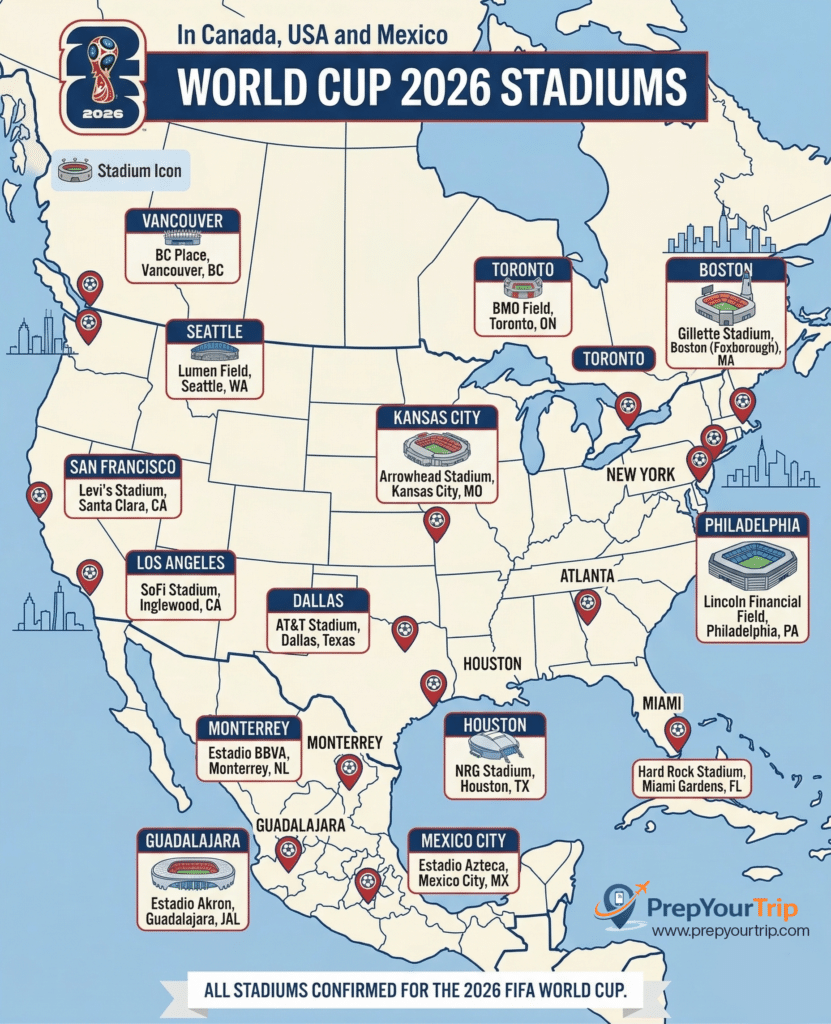
United States (11 cities)
New York / New Jersey — MetLife Stadium (82,500 capacity). Hosts the final on July 19. Accessible from New York City via NJ Transit or bus from Port Authority. The most logistically complex venue given the city's density and the prestige of the final.
Los Angeles — SoFi Stadium (70,240). LA's sprawl makes a car or ride-share essential — public transit to Inglewood is limited. Matches expected across June–July.
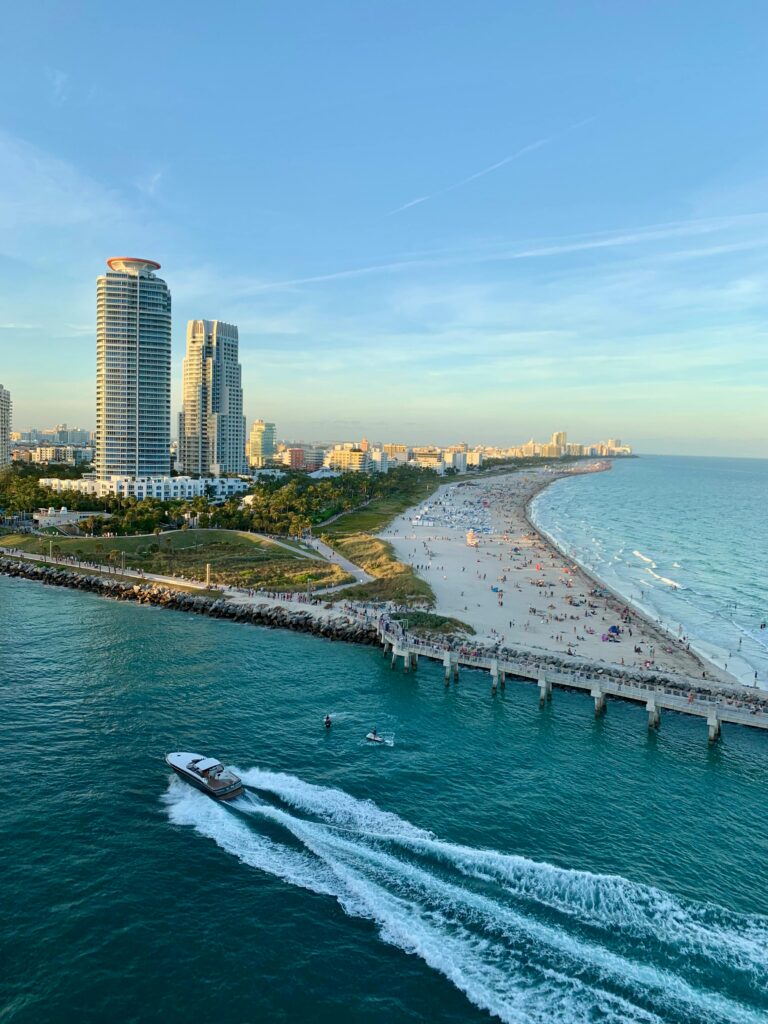
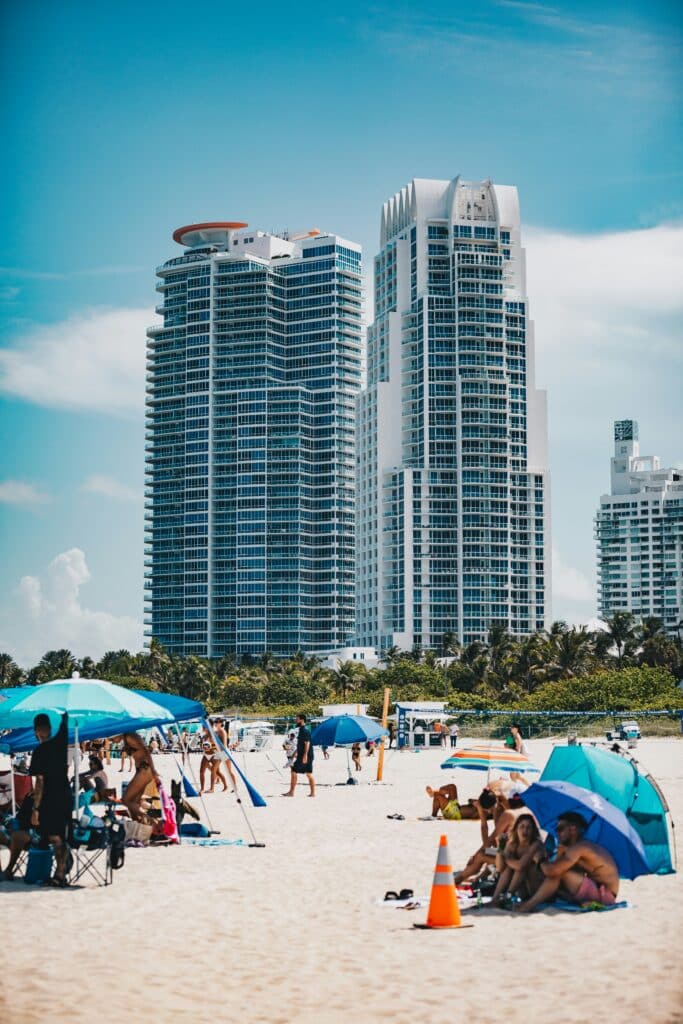
Miami — Hard Rock Stadium (64,767). Miami International Airport is nearby. Strong atmosphere in a city with deep Latin American cultural connections — expect heavy South American fan presence.
Dallas — AT&T Stadium (80,000), Arlington, Texas. Direct light rail (TEXRail) from DFW Airport. One of the more fan-friendly transit setups among US venues.
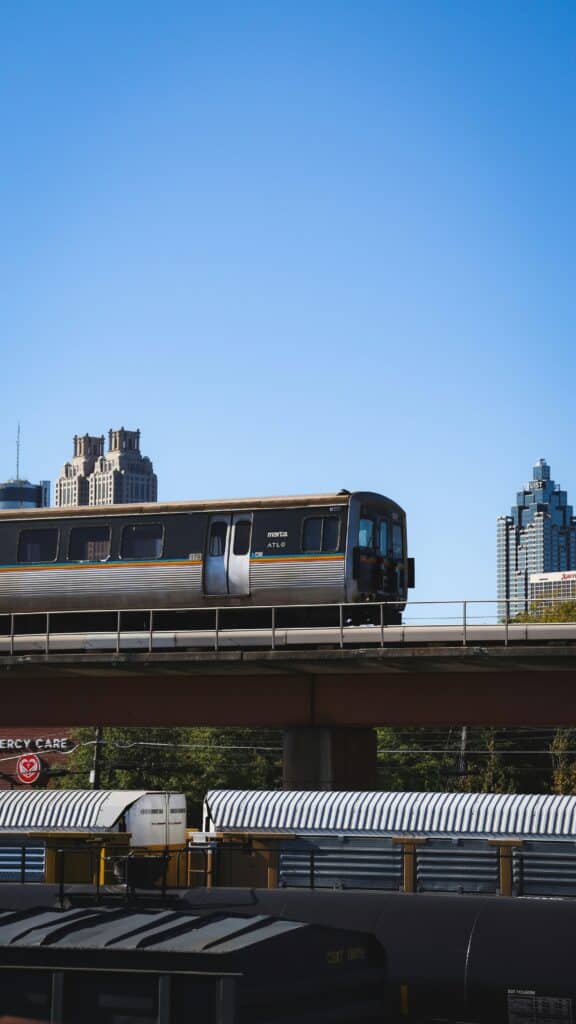
Atlanta — Mercedes-Benz Stadium (71,000). Served by MARTA rail from downtown Atlanta and the airport — the most public-transit-friendly US venue.
Houston — NRG Stadium (72,220). Houston's public transport is limited; Uber and Lyft are the practical options. Expect heat and humidity in June–July.
Philadelphia — Lincoln Financial Field (69,176). SEPTA regional rail connects directly to the stadium. Easy Amtrak access from New York.
Seattle — Lumen Field (68,740). King County Metro and Link Light Rail connect downtown Seattle to the stadium. Known for vocal local fan culture.
San Francisco Bay Area — Levi's Stadium, Santa Clara (68,500). Caltrain and a dedicated shuttle from nearby stations. San Francisco accommodation is expensive — consider San Jose as a base.
Kansas City — Arrowhead Stadium (76,416). Limited public transport; ride-share dominant. Known as one of the loudest stadiums in American sports.
Boston — Gillette Stadium, Foxborough (65,878). Commuter rail from South Station. Strong football culture in a city packed with international visitors in summer.

Mexico (3 cities)
Mexico City — Estadio Azteca (83,000). Hosts the opening match on June 11. The highest-altitude major host venue (2,240m) — some fans experience mild altitude-related fatigue in the first 24–48 hours.
Guadalajara — Estadio Akron (49,850). Mexico's second city, with strong local football culture (Club Chivas de Guadalajara home ground). More relaxed atmosphere than Mexico City.
Monterrey — Estadio BBVA (51,000). Industrial city close to the US border. Very hot in June–July (average 35–40°C) — indoor cooling is essential.

Canada (2 cities)
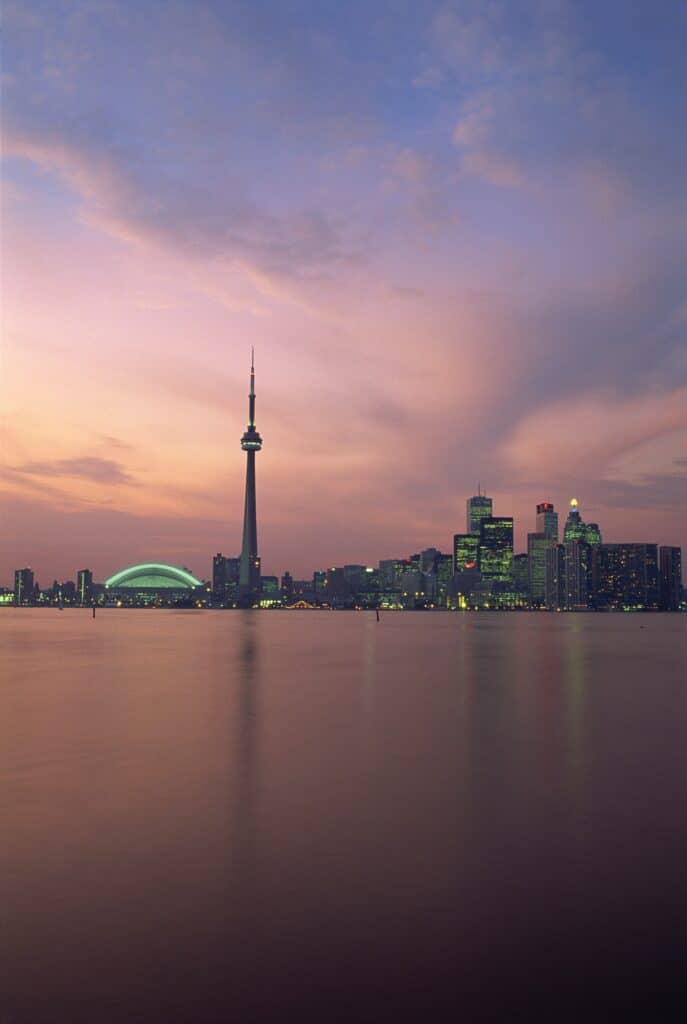
Toronto — BMO Field (approximately 45,000 with temporary expansion). Strong multicultural fan atmosphere in one of the world's most diverse cities.
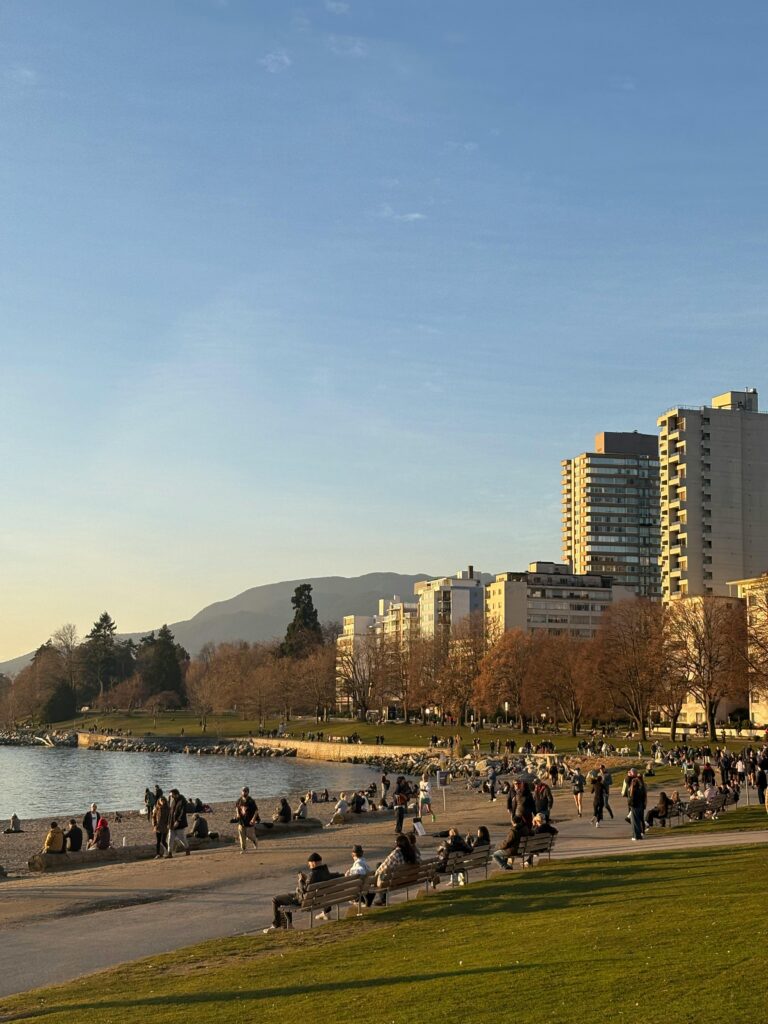
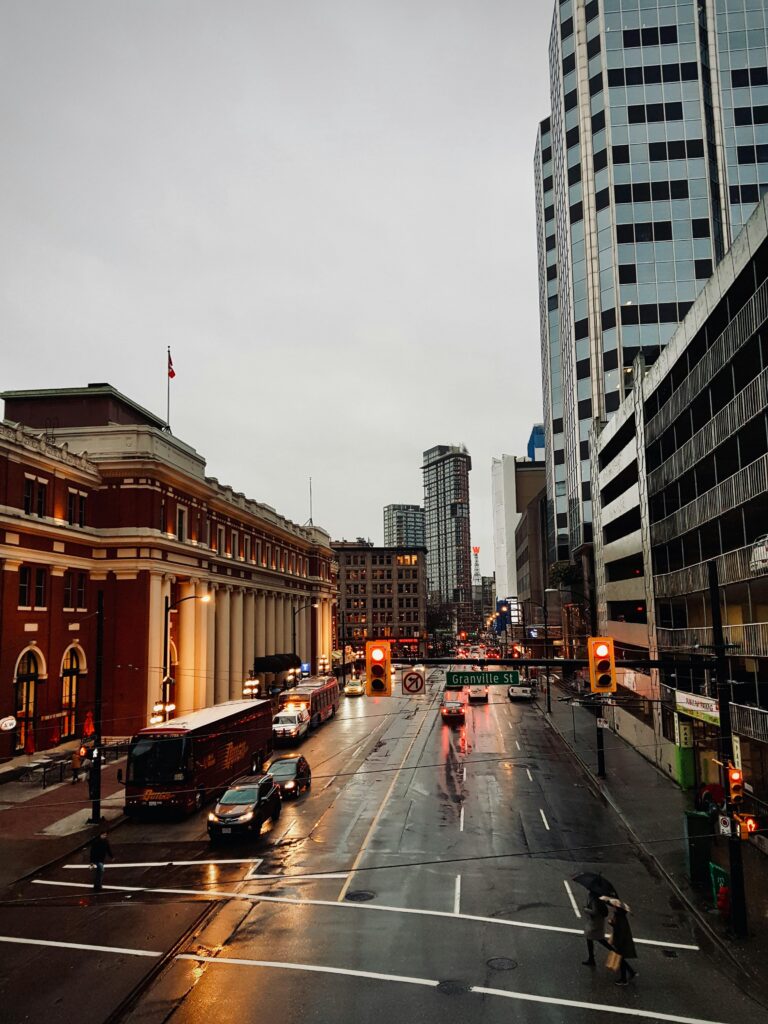
Vancouver — BC Place (54,500). Retractable roof stadium — weather-protected, which matters given Vancouver's June rain probability. One of the most scenically impressive host cities.
Visas: What International Fans Need
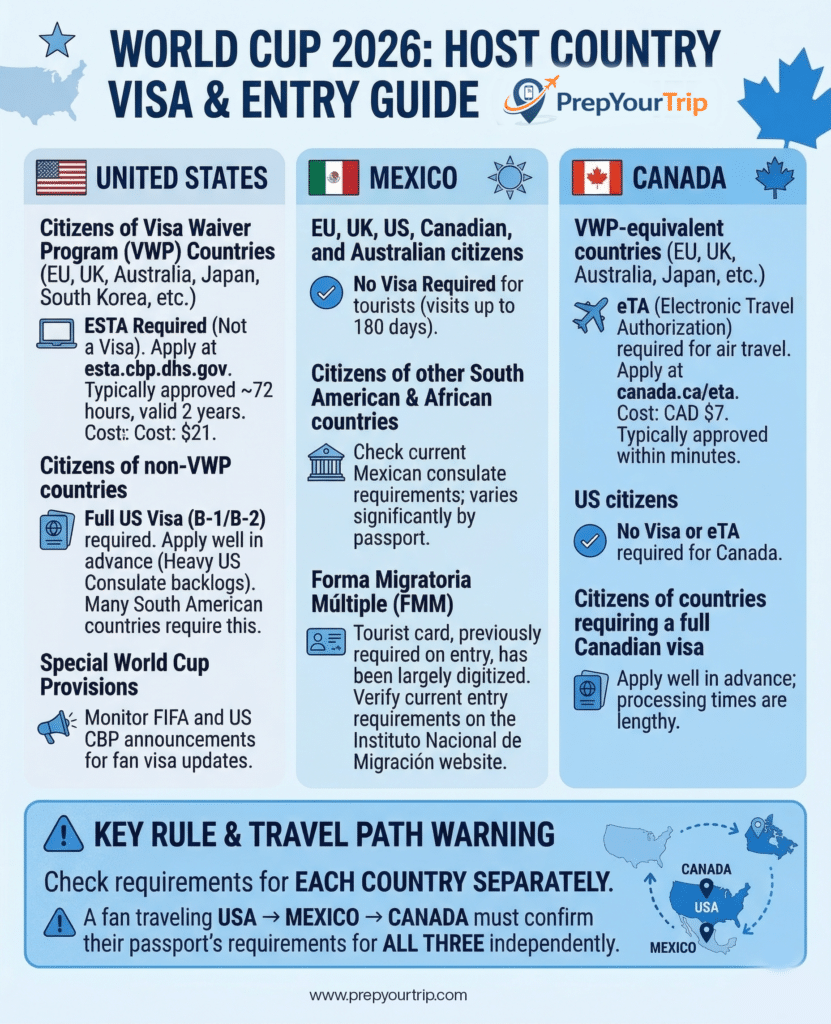
Visa requirements vary by passport and destination country. The key rule: check each country separately. A fan travelling USA → Mexico → Canada needs to confirm their passport's requirements for all three independently.
United States:
- VWP countries (EU, UK, Australia, Japan, South Korea, and others): ESTA required — not a visa. Apply at esta.cbp.dhs.gov. Typically approved within 72 hours, valid for 2 years. Cost: $21.
- Non-VWP countries: full US tourist visa (B-1/B-2) required. Apply well in advance — US consulates are heavily backlogged. Many South American countries fall into this category.
- Special World Cup fan visa provisions may apply — monitor FIFA and US CBP announcements closer to the tournament.
Mexico:
- EU, UK, US, Canadian, and Australian citizens: no visa required for tourist visits up to 180 days.
- Citizens of many South American and African countries: check current Mexican consulate requirements, as these vary significantly by passport.
- The tourist card (FMM) has been largely digitised — verify current entry requirements on the Instituto Nacional de Migración website.
Canada:
- VWP-equivalent countries (EU, UK, Australia, Japan, and others): eTA (Electronic Travel Authorization) required for air travel. Apply at canada.ca/eta. Cost: CAD $7, typically approved within minutes.
- US citizens: no visa or eTA required for Canada.
- Citizens of countries requiring a full Canadian visa: apply well in advance, as processing times are lengthy.
Getting to the World Cup: Flights
Book early. Flights to all 16 host cities during June–July 2026 are filling rapidly. Key tips:
Book via a hub city — rather than direct flights to smaller host cities like Kansas City or Foxborough, fly into a major hub (New York, LA, Miami, Chicago) and connect domestically. Domestic US flights are frequent, often cheaper, and offer more flexibility.
International arrival points:
- USA: Miami (MIA), New York JFK/Newark EWR, Los Angeles LAX, and Dallas DFW are the primary international gateways.
- Mexico: Mexico City (MEX) is the primary hub. Guadalajara (GDL) and Monterrey (MTY) have international connections but more limited options.
- Canada: Toronto (YYZ) and Vancouver (YVR) are the main hubs with the best international connections.
Between host cities: Domestic flights are the only practical option for most inter-city travel in the USA given the distances involved. Dallas to Seattle is a 3-hour flight; it's a 30-hour drive. American, United, Delta, and Southwest all operate between host cities.
Accommodation
World Cup 2026 accommodation in host cities is booking at extraordinary speed. New York, Miami, and Los Angeles in particular are at or near capacity for June–July match weeks.
If you haven't booked yet:
- Book immediately — every week matters at this point
- Consider surrounding areas: New York fans can stay in Newark, Jersey City, or Hoboken and take transit to MetLife. LA fans can consider Long Beach or Pasadena if central LA is full
- Airbnb and VRBO remain available for longer stays (7–14 days) where hotels are sold out
- Fan-specific multi-city packages are available from some operators — these bundle accommodation and transport across cities
Mexico and Canada are generally more affordable than the US host cities. Monterrey and Guadalajara in particular have more inventory and lower nightly rates than their American counterparts.

Find hotels, apartments, and last-minute stays across World Cup 2026 host cities in the USA, Canada, and Mexico.
If hotels are sold out, check our blogs here:
➡ Last-minute accommodation guide
➡ Where to stay if everything is fully booked

Connectivity: Stay Connected Across All 3 Countries
Your phone is your match ticket, navigation system, translation tool, and communications device. It needs to work reliably across all three host countries.
The problem with standard roaming: Most mobile carriers charge $10-12 per day for international day passes. Over 30 days across three countries, that adds up to $300-360.
The solution: A North America regional eSIM, a digital SIM that covers the USA, Canada, and Mexico simultaneously on one plan. No SIM swaps at borders, no roaming fees, no carrier day passes.
Best options:
| Provider | Data | Cost | Notes |
|---|---|---|---|
| Airalo (North America) | 10 GB / 20 GB | 23/23/37 | T-Mobile/Rogers infrastructure |
| Saily North America | 10 GB | $22.99 | Competitive pricing |
| Holafly | Unlimited | $45–60 / 30 days | Best for heavy users and content creators |
Cost comparison:
| Option | 30-day cost |
|---|---|
| Carrier day pass ($10 12/day) | $300 – 360 |
| North America regional eSIM | $23 – 60 |
| Saving | $240 – 337 |
Install your eSIM before you leave home — setup takes a few minutes and it activates automatically when you land.

Covers USA, Canada, and Mexico on a single eSIM. No swapping, no reactivation when you cross a border.
Full provider comparison:
➡ Best eSIM for World Cup 2026
➡ How to stay connected without roaming fees
➡ How much data do you need?
Getting Around
Transport logistics vary dramatically by host city and country. There is no single answer , the right approach depends on where you are.
USA
A mix of cities with good public transit and cities where ride-hailing is the only practical option:
- Good public transit: Atlanta (MARTA), Seattle (Link Light Rail), Philadelphia (SEPTA), Dallas (TEXRail from DFW)
- Ride-hailing dependent: Los Angeles, Houston, Kansas City
Uber and Lyft operate across all 11 US host cities. Pre-book post-match rides before kick-off to avoid surge pricing — thousands of fans leaving a stadium at the same time causes significant price spikes.
Mexico
Uber operates in all three Mexican host cities and is generally recommended over unlicensed street taxis. Mexico City has an extensive metro system (Sistema de Transporte Colectivo Metro) that reaches most tourist areas. The metro is extremely affordable (approximately $0.25 per ride) but crowded during peak hours.
Canada
Both Toronto and Vancouver have strong public transit systems. Toronto's TTC and GO Transit cover most match day routes. Vancouver's SkyTrain is convenient for BC Place and connects directly to the city centre and the airport.
Between cities
Domestic flights are the only practical option for most inter-city travel in the USA. The country is vast — distances between host cities are often greater than crossing entire European countries.
Full transport breakdown:
➡ How to get around during the World Cup
➡ Uber vs public transport at the World Cup
Safety
The USA, Canada, and Mexico present very different safety profiles for international visitors. Here is an honest breakdown.
United States
Generally safe for tourists in and around stadium areas and tourist districts. Standard urban precautions apply in all cities — watch for pickpockets in crowded areas, and use licensed ride-hailing rather than random street taxis. Some host cities (particularly Houston and parts of Miami and Atlanta) have areas outside tourist zones that warrant more care. Stay in well-reviewed tourist areas and use Uber or Lyft rather than walking in unfamiliar neighbourhoods at night.
Mexico
Requires more active awareness. Mexico City, Guadalajara, and Monterrey are major metropolitan areas that receive millions of tourists annually — the areas around stadiums and tourist zones are heavily policed during the tournament. Key precautions:
- Use Uber or Cabify exclusively — never unlicensed street taxis
- Keep phone and valuables in front pockets or concealed bags in crowded areas
- Avoid displaying expensive equipment (cameras, laptops) publicly on transit
- Use ATMs inside banks or shopping centres rather than street ATMs
Canada
Among the safest countries in the world for international visitors. Toronto and Vancouver are internationally ranked as low-risk tourist destinations. Standard precautions apply — the same level of awareness you'd use in any large city.

Travel with extra peace of mind during the 2026 World Cup with coverage for medical emergencies, delays, and unexpected travel issues across Canada.
➡ Full safety guide: Safety tips for World Cup travel
Weather by Host City
The tournament runs in June–July, peak summer in North America. Conditions vary significantly by city:
| City | June avg temp | July avg temp | Notes |
|---|---|---|---|
| New York/NJ | 26°C (79°F) | 29°C (84°F) | Humid. afternoon thunderstorms possible |
| Los Angeles | 24°C (75°F) | 28°C (82°F) | Dry. coastal areas cooler |
| Miami | 31°C (88°F) | 33°C (91°F) | Hot. humid. afternoon thunderstorms common |
| Dallas | 33°C (91°F) | 36°C (97°F) | Very hot. thunderstorm season |
| Houston | 33°C (91°F) | 35°C (95°F) | Hot and humid |
| Seattle | 19°C (66°F) | 22°C (72°F) | Mild. Seattle's best weather month |
| Mexico City | 21°C (70°F) | 19°C (66°F) | Mild. altitude effect. afternoon rain |
| Guadalajara | 27°C (81°F) | 24°C (75°F) | Warm. rainy season begins |
| Monterrey | 36°C (97°F) | 38°C (100°F) | Extremely hot hydration critical |
| Toronto | 25°C (77°F) | 27°C (81°F) | Pleasant. occasional humidity |
| Vancouver | 18°C (64°F) | 22°C (72°F) | Mild. BC Place has retractable roof |
The most important takeaway: if you're visiting multiple cities, you need to pack for a range. Seattle and Monterrey in the same trip requires very different gear.
➡ Full weather guide by host city: World Cup 2026 weather guide
What to Pack
Packing for the World Cup depends on which cities you're visiting — a Monterrey match requires different gear from a Vancouver match. These are the essentials for all destinations:
- Lightweight quick-dry clothing — match days involve walking, queuing, and outdoor time in summer heat
- Portable power bank (20,000 mAh) — your phone is critical; keep it charged all day
- Universal travel adaptor — US, Canada, and Mexico all use Type A/B plugs, so one adaptor covers all three
- Reusable water bottle — stadiums have water refill points; tap water is safe in the USA and Canada (avoid tap water in Mexico)
- Comfortable walking shoes — expect 15,000–25,000 steps on match days
- Sun protection — SPF 50 sunscreen, hat, and sunglasses are essential for Miami, Dallas, Houston, and Monterrey
- Light rain layer — Vancouver, New York, and Seattle have rain probability in June
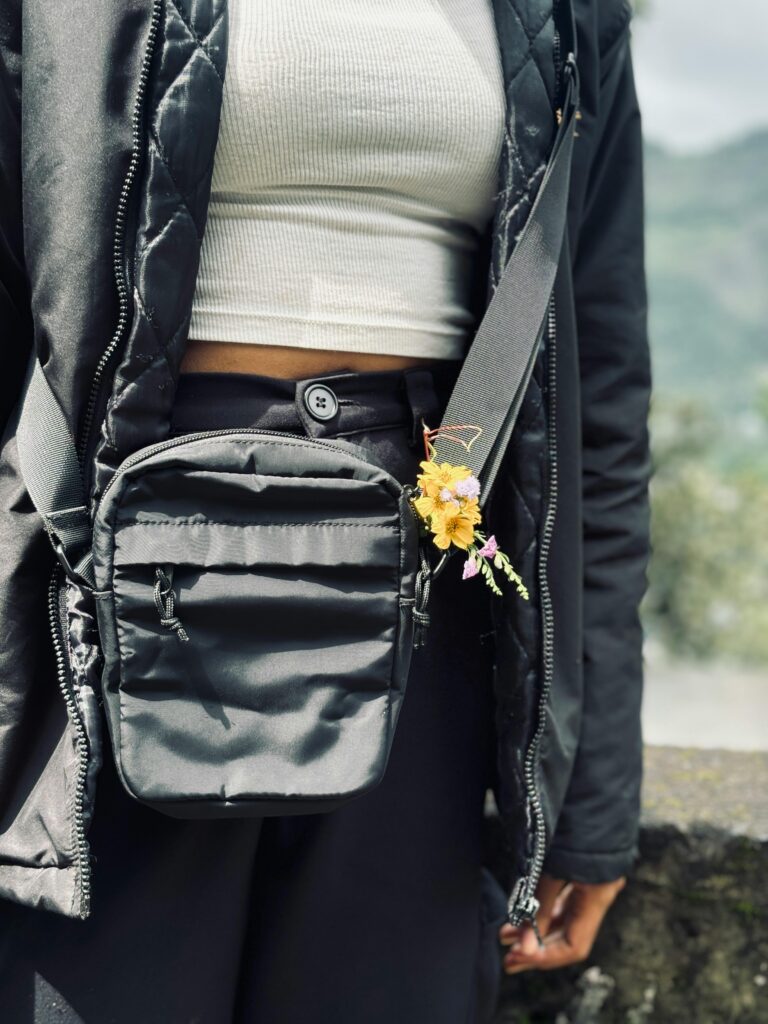
- Clear bag for the stadium — FIFA's standard policy requires transparent bags (maximum 12″ x 6″ x 12″). If your everyday bag doesn't comply, bring or buy a clear one before matchday
➡ Full packing list by destination: What to pack for the World Cup
Stadium Bag Policy & Entry Rules
FIFA's standard clear bag policy applies at all World Cup 2026 venues. Here is what you need to know before arriving at any stadium:
- Permitted: transparent bags only, maximum 12″ x 6″ x 12″. Small clutch bags (approx. 4.5″ x 6.5″) are also generally permitted
- Not permitted: backpacks, non-transparent bags, opaque tote bags
- No outside food or drink — sealed, empty water bottles may be permitted at some venues, but check the specific venue rules
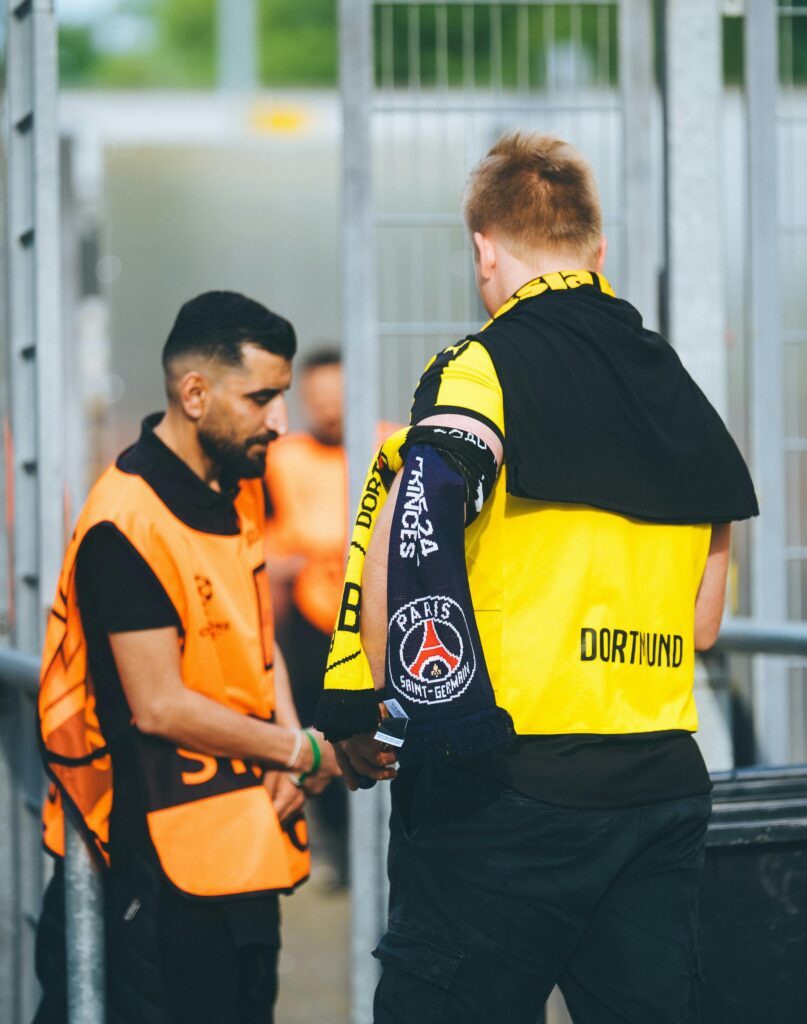
- Arrive early — minimum 60–90 minutes before kick-off for security screening
- Prohibited items also typically include: selfie sticks, large cameras with detachable lenses, umbrellas (venue-dependent), and banners above a specified size. Check FIFA guidelines for the specific venue before you go
If your bag doesn't comply: you won't be able to bring it into the stadium. Several luggage storage services operate near major World Cup venues — look for options within walking distance of the stadium or near a main transit hub. Plan ahead and don't leave it to chance on matchday.
Getting Match Tickets
If you don't have tickets yet, there are still legitimate options:
- Official FIFA sales: Check FIFA.com/tickets for any remaining availability. FIFA periodically releases returned or unsold tickets — worth checking regularly.
- FIFA official resale: The fan-to-fan resale platform on FIFA.com allows ticket holders to resell at face value. This is the safest secondary option.
- Verified resellers: Platforms such as StubHub and SeatGeek list tickets from private sellers. Prices on secondary markets are typically above face value, particularly for knockout rounds. Always use a verified platform with buyer protection.
- Hospitality packages: Premium packages including tickets are available through On Location, the official FIFA hospitality provider. These include stadium access, dining, and dedicated entry — at a significant premium over standard ticket prices.
For group stage matches, secondary market inventory is generally broader. Semi-finals and the final sell out quickly and prices rise sharply — if those are your target fixtures, act as early as possible.
What to Budget for the World Cup 2026
Three countries, varying costs — here is a realistic overview of what to expect:
| Item | Estimated Cost |
|---|---|
| Match ticket (group stage. secondary market) | Varies significantly — check current listings |
| Accommodation per night (USA major cities) | $150–400 |
| Accommodation per night (Mexico) | $60–150 |
| Accommodation per night (Canada) | $100–200 |
| Daily food and drinks | $40–100 |
| Local transport (metro/bus) | $5–15 per day |
| Ride-hailing (where used) | $15–40 per trip |
| North America eSIM (30 days) | $23–60 (one-off) |
| Estimated weekly spend (excl. ticket. accommodation) | approx. $300–600 |
The biggest variable is accommodation — especially in New York, Miami, and Los Angeles during matchweeks. Mexico and Canada are generally more affordable than the US host cities. Building in a buffer for surge-priced ride-hailing and stadium food is worth doing.
➡ Best eSIM for World Cup 2026
Best Apps for the World Cup
| App | Why you need it |
|---|---|
| FIFA Official App | Match tickets. live scores. stadium maps |
| Google Maps (offline) | Navigation without data dependency |
| Uber / Lyft | Ride-hailing across all host cities |
| Free calls and messaging over data | |
| Google Translate | Offline Spanish for Mexico |
| XE Currency | USD / MXN / CAD conversion |
| Airalo / Saily / Holafly | eSIM management. data monitoring. top-up |
| Your airline app | Boarding passes. real-time alerts |
➡ Full app guide: Best apps for the World Cup 2026
Things to Do in Host Cities (Beyond the Matches)
The World Cup is 38 days long — not just 90 minutes per game. Each host city deserves dedicated exploration:
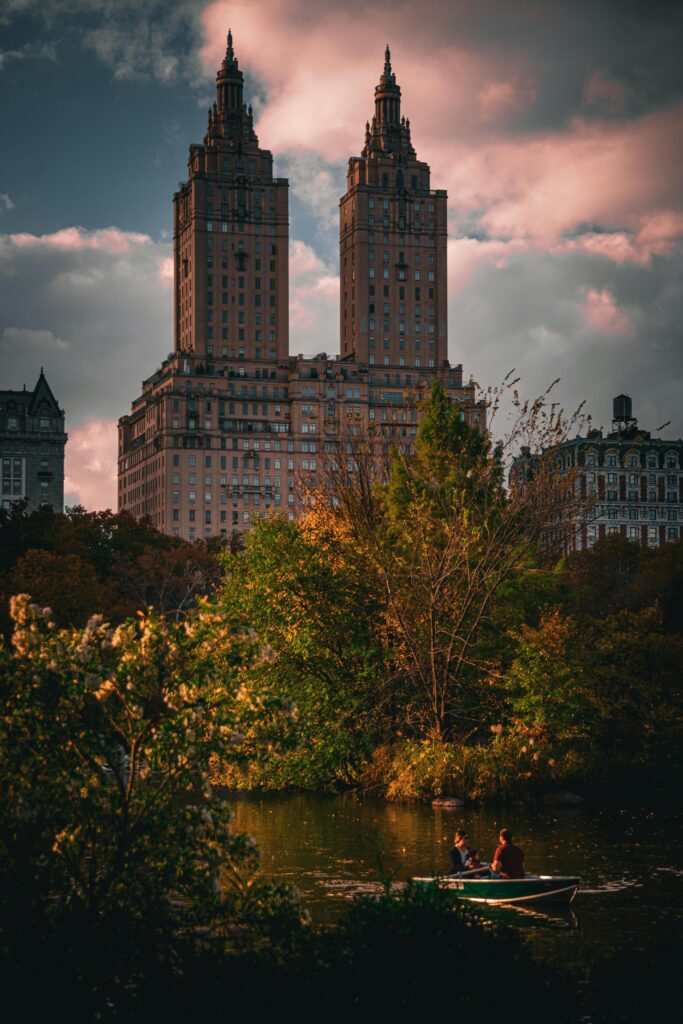
- New York City — Central Park, Brooklyn, the High Line, the world's best food scene
- Los Angeles — Santa Monica, Hollywood, Griffith Park, In-N-Out Burger (essential)
- Miami — South Beach, Wynwood Walls, Little Havana
- Dallas — Deep Ellum, the Sixth Floor Museum, Fort Worth Stockyards
- Atlanta — Martin Luther King Jr. National Historic Site, the BeltLine, Ponce City Market
- Houston — Museum District, Space Center Houston, Buffalo Bayou Park
- Seattle — Pike Place Market, the Space Needle, Olympic Sculpture Park
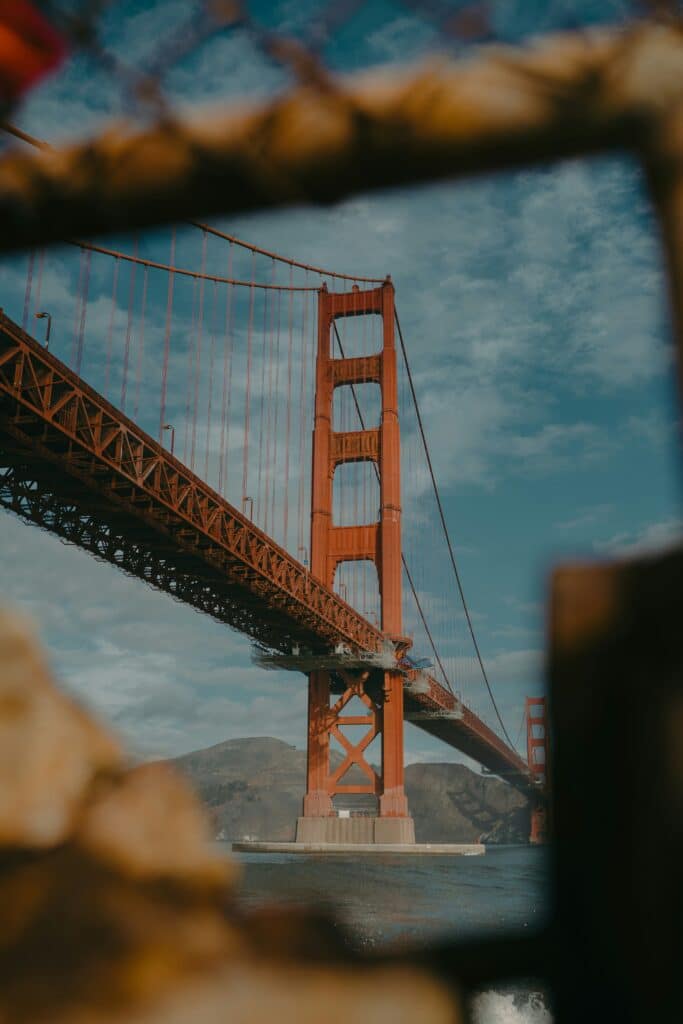
- San Francisco — Golden Gate Bridge, Alcatraz, Fisherman's Wharf
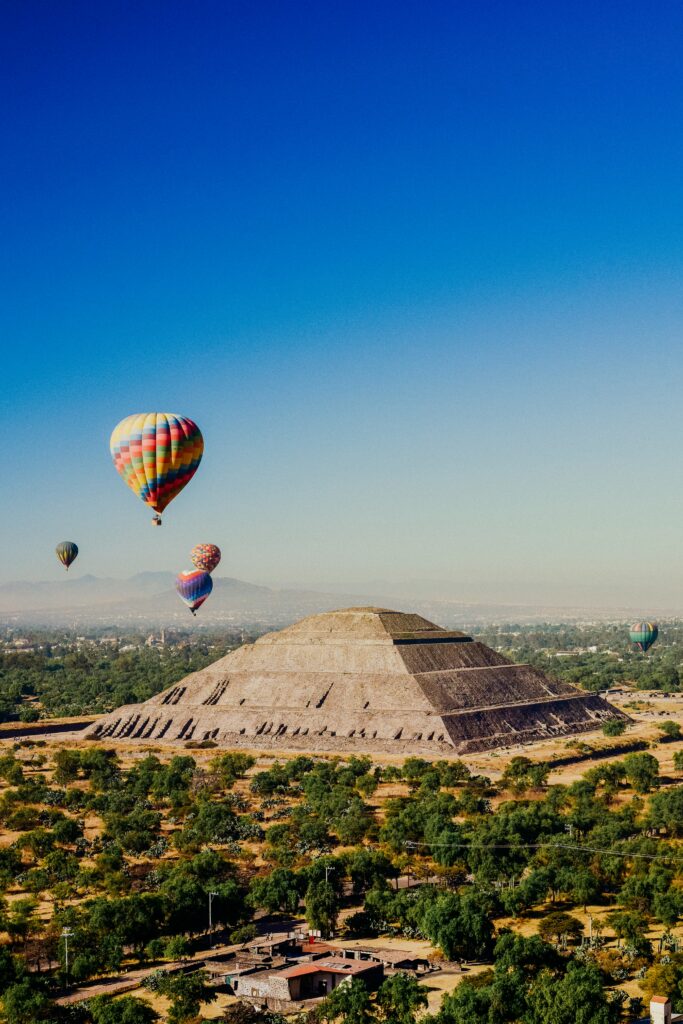
- Mexico City — Teotihuacán, Chapultepec, Roma/Condesa neighbourhoods, tacos al pastor
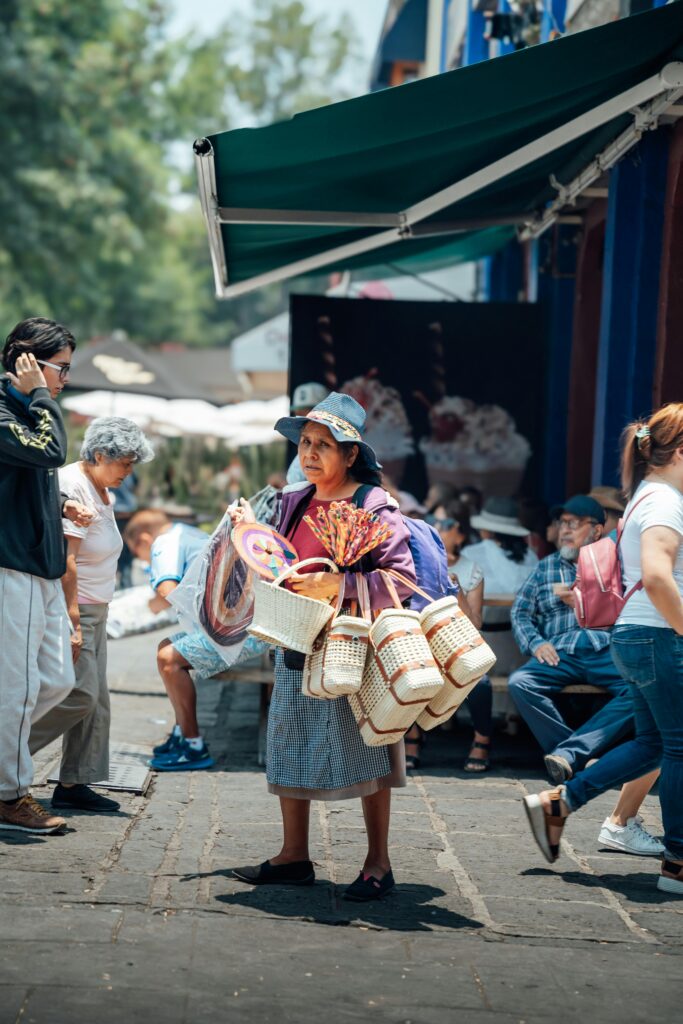
- Guadalajara — Tlaquepaque craft district, Cathedral de Guadalajara, tequila country day trip
- Monterrey — Barrio Antiguo, Cerro de la Silla, Parque Fundidora
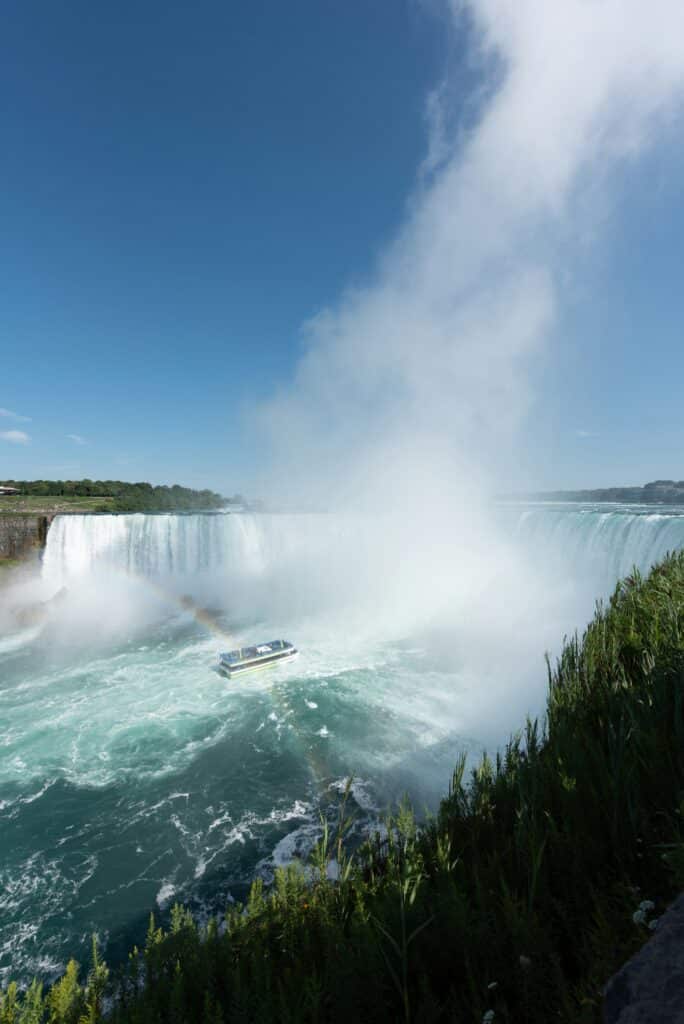
- Toronto — CN Tower, Kensington Market, Niagara Falls day trip
- Vancouver — Stanley Park, Gastown, Whistler day trip, the Capilano Suspension Bridge
Fan Zones and Watching Without Tickets
Can't get match tickets? The World Cup experience extends far beyond the stadiums. FIFA Official Fan Festivals and city-organised fan zones provide giant screens, live entertainment, and the shared atmosphere of watching matches with thousands of fellow fans — often free or low-cost entry.
Fan zones are confirmed for multiple host cities. Exact locations and schedules are announced closer to the tournament, follow FIFA's official channels and local city announcements for details.
➡ Best places to watch World Cup matches without tickets
➡ World Cup 2026 fan zones guide
Frequently Asked Questions
Do I need a visa to attend the World Cup 2026?
It depends on your passport and which host countries you're visiting. US citizens don't need visas for Canada or Mexico. EU, UK, and Australian citizens need ESTA for the USA (not a visa — a simple online authorization, USD 21)and eTA for Canada(CAD 7). Citizens of many South American, African, and Asian countries may need full visas for the USA. Check requirements for each country separately — requirements vary significantly by nationality.
How do I get my match ticket?
Tickets are managed through the FIFA ticketing platform and presented via the FIFA Official App. Your digital QR code ticket is scanned at the stadium turnstile. Always screenshot your ticket as a backup before arriving at the stadium — mobile data near stadiums can be unreliable during peak entry periods.
Where can I still get match tickets?
Check FIFA.com/tickets for official availability first — FIFA periodically releases returned or unsold inventory. The official FIFA resale platform allows fan-to-fan resale at face value, which is the safest secondary option. Verified resellers such as StubHub and SeatGeek also have inventory, typically at above face value for popular fixtures. Always use a platform with buyer protection — avoid buying from individuals on social media or informal channels.
Is it safe to travel to Mexico for the World Cup?
Yes, for fans staying in the World Cup host areas. Mexico City, Guadalajara, and Monterrey's tourist and stadium zones are heavily policed during the tournament. Use Uber exclusively for transport, stay in well-reviewed accommodation in central tourist areas, and keep valuables concealed. The practical precautions are straightforward — the vast majority of visiting fans have no problems.
What's the best area to stay in the main host cities?
In New York, staying in Manhattan or Jersey City gives the best balance of access and options. In Los Angeles, West Hollywood or Santa Monica are popular and well-connected. In Miami, South Beach or Brickell are the most practical bases. In Mexico City, Roma, Condesa, or Polanco are the recommended tourist zones with strong security and good transport links. In Vancouver, the downtown core, Coal Harbour, Yaletown, or the West End is within walking distance of BC Place.
How do I avoid roaming fees across three countries?
Buy a North America regional eSIM before departure. A single plan covering all three host countries costs $23–60 for 30 days , a fraction of what carrier day passes charge. Airalo, Saily, and Holafly all offer North America plans. Install before you leave home; it activates automatically when you land.
What currency do I need?
Three countries, three currencies: USD in the United States, MXN (Mexican Peso) in Mexico, and CAD (Canadian Dollar) in Canada. A no-foreign-transaction-fee travel card — Revolut, Wise, or Charles Schwab — works in all three without conversion fees. Carry a small amount of local cash for each country, especially Mexican Pesos, as many smaller vendors in Mexico prefer cash.
How expensive is the World Cup 2026?
Significantly more expensive than previous editions in Qatar or Russia, due to North American accommodation and flight prices. Budget $150-400 per night for accommodation in major US host cities during matchweeks. Mexico and Canada are generally cheaper. Add $200-500 per week beyond that for transport, food, activities separate from ticket costs.
Final Thoughts
The FIFA World Cup 2026 is a once-in-a-generation event. Three countries, 16 cities, 104 matches — and the kind of atmosphere that only happens when the whole world shows up in the same place.
Most of the logistical challenges in this guide are manageable once you know what you're dealing with. The eSIM, the clear stadium bag, the Uber over the street taxi in Mexico, the visa for the third country you didn't think about — none of these are complicated. They just require a few hours of preparation before you fly.
Connectivity
- Best eSIM for World Cup 2026
- How to stay connected without roaming fees
- How much data do you need?
- How to use your phone at the World Cup
Planning
- World Cup 2026 travel checklist
- Common mistakes at the World Cup
- How to plan a last-minute World Cup trip
Getting Around
Practical
- Safety tips: USA, Mexico, Canada
- What to pack for the World Cup
- Weather in all host cities
- Best apps for the World Cup
- How busy will host cities be?
Accommodation
Without Tickets
Things to Do by City
- New York · Los Angeles · Miami · Dallas · Atlanta · Seattle · Houston · San Francisco · Kansas City · Boston · Philadelphia
- Mexico City · Guadalajara · Monterrey
- Toronto · Vancouver
Add your first comment to this post