


Table of Contents
The FIFA World Cup 2026 takes place across 16 cities in three countries — and no two cities share the same climate. Houston in July operates at a heat index above 40°C with 90% humidity. Vancouver in June sits at a comfortable 18°C with clear skies. Mexico City gets heavy rain on more than half of its June days, at an altitude of 2,240 metres above sea level. Los Angeles averages 2mm of rain across the entire month of July.
The gap between these cities is not small. Fans travelling to multiple matches could experience sweltering afternoon heat one week and cool, foggy mornings the next. What you wear, what you carry, and how you pace your days outdoors depends entirely on where your matches are — and the World Cup 2026 weather picture varies more dramatically than any previous tournament in the competition's history.
We have pulled together the climate data for all 16 host cities — June and July averages, rain patterns, humidity levels, altitude factors, and whether each stadium has a roof or climate control. Use this guide to plan each leg of your trip with a clear picture of what to expect.
At a Glance
Here is what this guide covers:
- World Cup 2026 weather varies enormously: Host cities range from one of the hottest and most humid tournament environments ever (Houston, Miami, Dallas) to genuinely comfortable summer conditions (Vancouver, Seattle, San Francisco).
- Five stadiums have roofs or climate control: AT&T Stadium (Dallas), NRG Stadium (Houston), Mercedes-Benz Stadium (Atlanta), SoFi Stadium (Los Angeles), and BC Place (Vancouver) — match conditions at these venues are managed regardless of outdoor weather.
- Altitude affects three Mexican venues: Mexico City (2,240m), Guadalajara (1,566m), and Monterrey (538m) all sit above sea level — Mexico City's altitude is the most significant for fans and is the venue most affected by thin air and increased UV exposure.
- Rain is most frequent in: Mexico City, Miami, Kansas City, New York, and Toronto.
- Driest host cities: Los Angeles and San Francisco — near-zero chance of rain in June and July.
- Heat risk is highest in: Houston, Dallas, Miami, Atlanta, and Kansas City.
- Best packing principle: Pack for your specific climate zone — what works in Seattle will leave you underprepared for Dallas, and cotton fabrics that seem fine at home will make hot, humid cities miserable.
World Cup 2026 Weather: All 16 Host Cities at a Glance
The table below gives the key climate data for each host city during the World Cup window (June–early July 2026).
| Host City | Stadium | Avg High June/July | Rain June/July | Humidity | Roof / Climate Control |
|---|---|---|---|---|---|
| New York/NJ | MetLife Stadium | 27°C / 30°C | 101mm / 100mm | Moderate | Open-air |
| Los Angeles | SoFi Stadium | 21°C / 24°C | 3mm / 2mm | Low | Fixed roof + climate control |
| Miami | Hard Rock Stadium | 27°C / 28°C | 163mm / 119mm | Very high | Open-air |
| Dallas | ATandT Stadium | 27°C / 30°C | 84mm / 43mm | Moderate | Retractable roof |
| Atlanta | Mercedes-Benz Stadium | 31°C / 33°C | ~100mm | High | Retractable roof |
| Kansas City | Arrowhead Stadium | 24°C / 27°C | 134mm / 95mm | Moderate–high | Open-air |
| Houston | NRG Stadium | 29°C / 34°C | ~130mm | Very high | Retractable roof |
| Seattle | Lumen Field | 22°C / 25°C | 25mm / 25mm | Moderate | Open-air |
| San Francisco | Levi's Stadium | 18°C / 20°C | 4mm / 1mm | Low | Open-air |
| Philadelphia | Lincoln Financial Field | 22°C / 25°C | 101mm / 100mm | Moderate | Open-air |
| Boston | Gillette Stadium | 23°C / 26°C | ~90mm / ~90mm | Moderate | Open-air |
| Toronto | BMO Field | 18°C / 22°C | 81mm / 74mm | Moderate | Open-air |
| Vancouver | BC Place | 17°C / 22°C | Minimal | Low | Retractable roof |
| Mexico City | Estadio Azteca | 18°C / 16°C | 159mm / 171mm | Moderate | Open-air |
| Guadalajara | Estadio Akron | 25°C / 24°C | ~190mm / ~210mm | Moderate | Open-air |
| Monterrey | Estadio BBVA | 28°C / 30°C | ~50mm / ~50mm | Moderate | Open-air |
The Five Stadiums With Roof Coverage
Before covering each city in detail, one important note: five of the 16 World Cup 2026 stadiums have either a retractable roof or full climate control. For fans attending matches at these venues, outdoor weather matters much less — the match experience will be climate-managed regardless of conditions outside.
- AT&T Stadium, Dallas: Retractable roof — matches played in air-conditioned comfort regardless of the 38°C outside temperature
- NRG Stadium, Houston: Retractable roof — critically important given Houston's extreme heat index
- Mercedes-Benz Stadium, Atlanta: Retractable roof with a distinctive petal-opening design
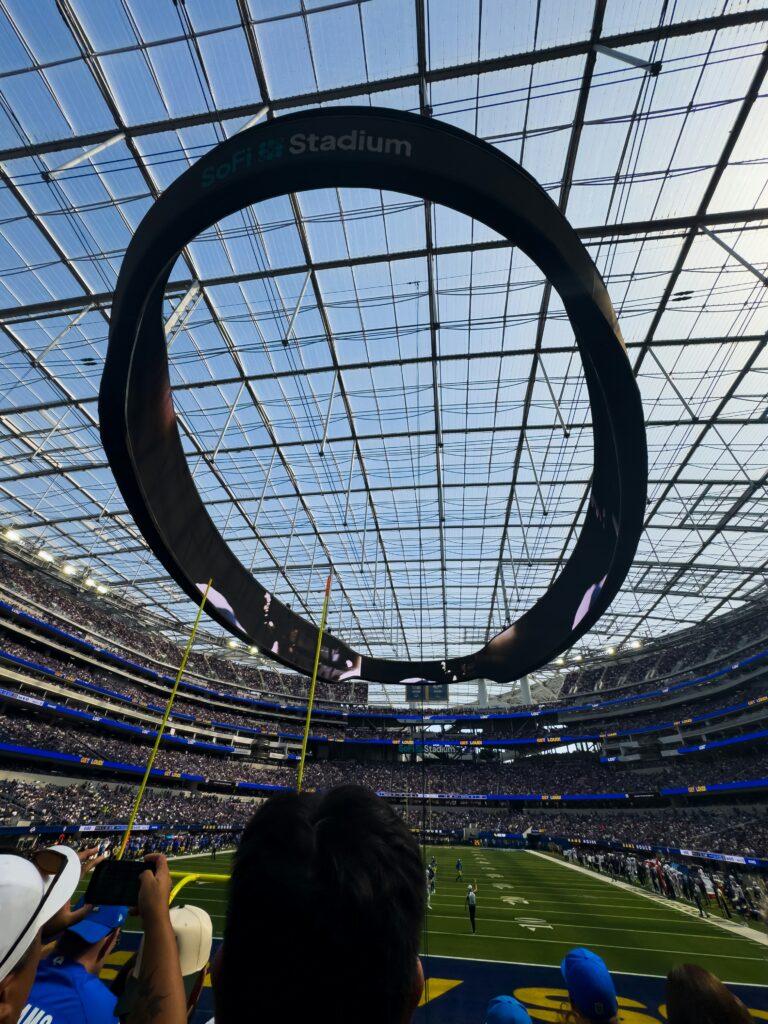
- SoFi Stadium, Los Angeles: Fixed roof with full climate control — one of the most comfortable match environments in the tournament
- BC Place, Vancouver: Retractable roof — the only Canadian venue with a roof
For all other venues, the match is played in ambient outdoor conditions. Knowing which type of stadium your match is in is the first step in deciding what to wear and carry on match day.

The Hot Cities: What to Expect and How to Manage It
Houston
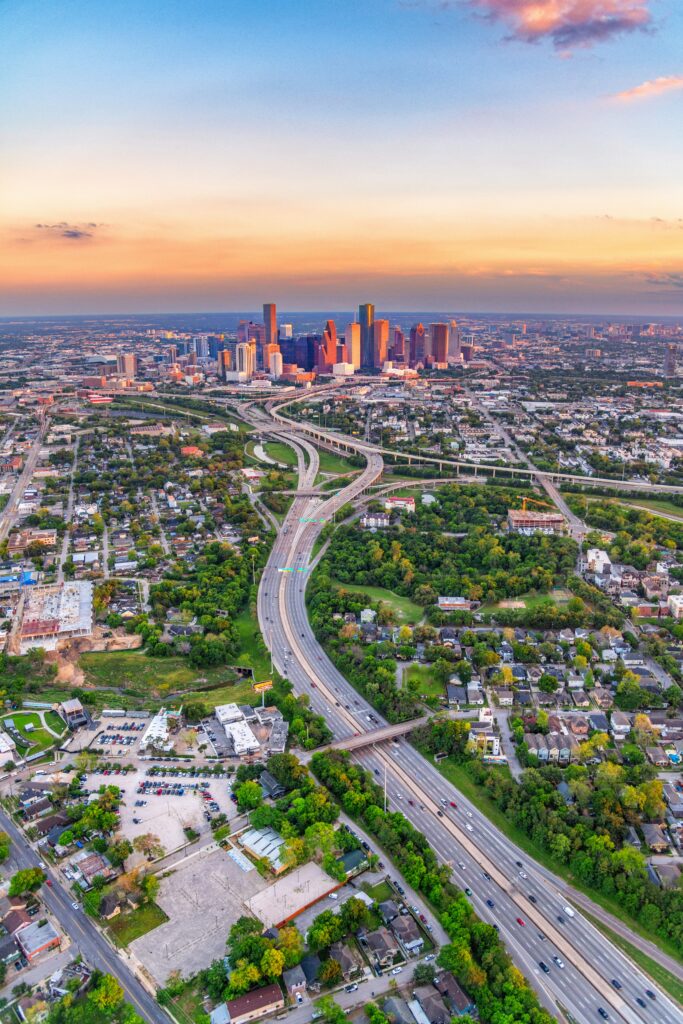
Houston is the most extreme weather environment in the entire tournament. June and July temperatures regularly reach 32–38°C (90–100°F), but the real challenge is humidity — levels of 60–90% are common, pushing the heat index (what it actually feels like to the body) to 40–43°C (105–110°F) on many days. Overnight temperatures rarely drop below 24°C.
NRG Stadium's retractable roof means the match itself takes place in managed conditions. But getting to and from the stadium, exploring the city, and spending time outdoors on non-match days means dealing with genuine heat stress conditions. The US Centers for Disease Control (CDC) class sustained WBGT above 28°C as a high heat stress risk — Houston regularly exceeds this threshold by mid-morning in July.
Fan guidance: Drink water continuously throughout the day, not just when you feel thirsty. Carry electrolyte supplements. Schedule heavy outdoor activities for mornings or evenings. Avoid outdoor activities between noon and 3pm. If you feel lightheaded or stop sweating in the heat, get into air conditioning immediately — these are early signs of heat exhaustion.
Miami
Miami's summer climate is hot (27–28°C average high) and very humid, with a pattern of heavy afternoon and early evening thunderstorms. June is the wettest month of the year, with 163mm of rain expected — more than half the days in June will see some precipitation. Hard Rock Stadium is open-air, meaning both heat and rain affect the match experience directly.
Miami's heat stress risk is high, although slightly less severe than Houston due to afternoon sea breezes in some coastal areas. The combination of heat, humidity, and frequent storms makes planning outdoor sightseeing around actual weather forecasts important — check conditions the morning of any outdoor plans.
Fan guidance: Afternoon storm patterns are consistent — plan outdoor activities for the morning. A packable rain poncho is essential at every Miami match (umbrellas are banned at the stadium). Dress in moisture-wicking fabrics only. SPF 50+ sunscreen is essential for any outdoor time.
Dallas
AT&T Stadium has a retractable roof, so match conditions in Dallas are controlled regardless of what is happening outside. But outdoor temperatures in July average 30°C and regularly spike to 37–38°C. The heat is drier than Miami or Houston but intense.
Dallas receives less rain than other US host cities (84mm in June, falling to 43mm in July), so the main challenge is heat and sun exposure rather than rain management. The sun is strong and consistent throughout the day.
Fan guidance: Use the covered stadium as your comfort base and plan outdoor city activities in early morning or evening. Sunscreen, a cap, and a water bottle are non-negotiable for any time spent outdoors.
Atlanta
Mercedes-Benz Stadium has a retractable roof, making the match itself manageable. But Atlanta's June and July climate runs at 31–33°C average highs with very high humidity — and afternoon thunderstorms are a regular feature. In the city itself, the combination of heat, humidity, and storm risk means matchdays require the same preparation as Houston and Miami.
Fan guidance: Same as Miami — morning outdoor activities, afternoon shelter, poncho for storms, moisture-wicking clothing throughout.

The Comfortable Cities: Low Effort, High Enjoyment
Seattle
Seattle in June and July is one of the most pleasant summer climates in North America. Average highs of 22–25°C, humidity of 65–67%, and only about 25mm of rain in each month (the lowest of any open-air stadium city). The famous Seattle rain is largely a winter phenomenon — summer is dry, mild, and sunny.
Lumen Field is open-air, but conditions are comfortable for the vast majority of matches. Evening temperatures can drop to 14–16°C after sunset — a light layer is useful for late kick-offs.
Fan guidance: Seattle needs the least preparation of any US host city. A packable shell jacket for evenings and a poncho in your bag is all the weather planning required.
San Francisco / Santa Clara
Levi's Stadium sits in Santa Clara — significantly warmer and sunnier than San Francisco itself (which sits under marine fog, known locally as “June Gloom”, through June and early July). The stadium area averages 18–20°C and receives almost no rain in June (4mm) or July (1mm). Conditions are dry, sunny, and very pleasant.
If you are staying in San Francisco and travelling to matches in Santa Clara, note that the city can be 6–10°C cooler than the stadium — dress in layers that can be shed on the 60km journey south.
Fan guidance: Almost no weather risk at this venue. Sunscreen for day matches. A light layer if you are returning to San Francisco after an evening match.
Los Angeles
SoFi Stadium has full climate control under a fixed roof. Outside, Los Angeles in June and July is warm and dry — averages of 21–24°C with nearly zero rain (3mm in June, 2mm in July). Coastal areas are cooler than inland. Evening temperatures near the coast drop noticeably.
Fan guidance: Climate-controlled stadium means no weather planning needed for the match itself. Outside, pack light layers for evenings near the coast.
Vancouver
BC Place has a retractable roof. Outside, Vancouver in June averages 17–22°C — warm by day, noticeably cool by evening. The famous Vancouver rain is primarily an autumn and winter feature; June and July are the driest months of the year here.
Fan guidance: The roofed stadium means no rain concerns for the match. A light jacket for evenings is the only weather consideration.


The Rain Cities: Where Weather Planning Matters Most
Mexico City
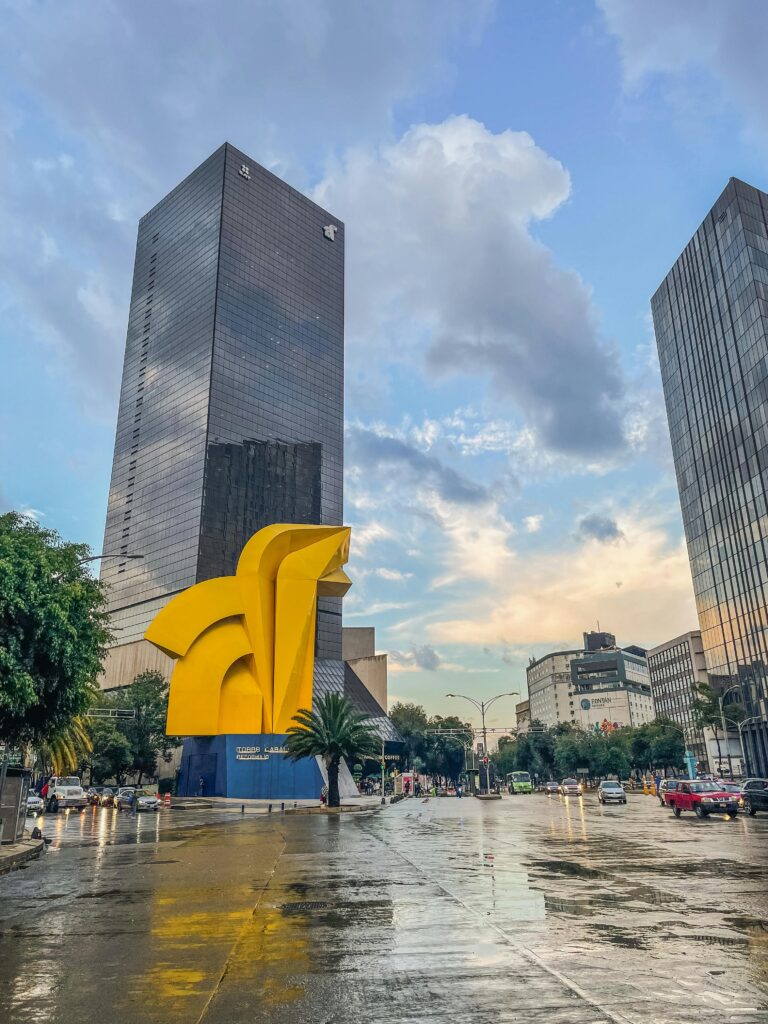
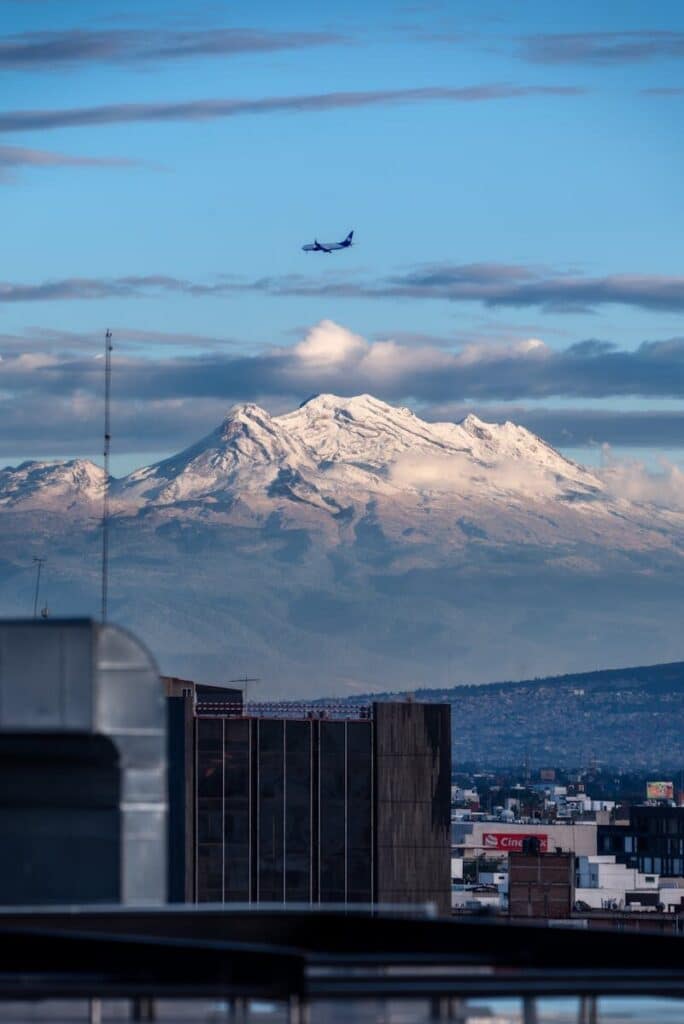
Mexico City's weather during the World Cup is the most distinctive of any host city — and the most frequently misunderstood. Temperatures are mild (18°C average high in June, 16°C in July) due to the city's altitude of 2,240 metres. Many visitors pack lightly because the temperature sounds comfortable.
The key issue is rain. June and July are Mexico City's wettest months — June sees 159mm of rain, July sees 171mm. More than half of all days in both months see some precipitation. Estadio Azteca is fully open-air. Rain typically arrives as heavy afternoon or evening showers that pass within an hour, but they can be significant when they arrive.
The altitude adds two further considerations. First, UV exposure is significantly higher at 2,240m than at sea level — the atmosphere is thinner, and sunscreen matters more here than visitors expect. Second, some visitors experience mild altitude sickness in the first 24–48 hours — symptoms include headache, fatigue, and slight breathlessness. These pass for most people within a day. Drinking extra water helps; avoiding heavy alcohol on the first night is advisable.
Fan guidance: Rain poncho at every match — this is the city where it matters most. Sunscreen despite mild temperatures. Extra water intake. Light layers for evenings, which cool significantly at altitude.
Guadalajara
Guadalajara sits at 1,566 metres altitude — less than Mexico City but still notable. The city's June and July are its wettest months, with rainfall exceeding Mexico City's. Afternoon showers follow a similar pattern — heavy, relatively brief, then clearing. Average highs of 24–25°C make it one of the more comfortable Mexican venues temperature-wise.
Fan guidance: Same rain preparation as Mexico City. Sunscreen for altitude UV. Lighter clothing than Mexico City's evenings — warmer overnight temperatures.
New York / New Jersey
MetLife Stadium is one of the most weather-exposed venues in the tournament. It is open-air, located in the New Jersey flatlands outside the city, and exposed to wind and rain in a way that urban stadiums are not. New York averages 8–10 rainy days in both June and July, with 100mm of rain each month. Afternoon thunderstorms develop quickly, particularly in July.
The stadium's location also means arriving and departing in poor weather involves more exposure than a city-centre venue. Check the forecast before each match.
Fan guidance: Never go to MetLife without your poncho. Check weather forecasts the day before and morning of the match. A light windproof layer adds comfort if conditions are blustery.
Kansas City
Arrowhead Stadium is open-air with no roof. Kansas City gets 134mm of rain in June — nine rainy days on average. July is drier (95mm, seven rainy days) but heat stress increases significantly. The combination of summer storms and rising heat makes Kansas City one of the more variable-weather venues in the tournament.
Fan guidance: Rain poncho and sunscreen — both needed here. Monitor forecasts closely for Kansas City's volatile summer storm patterns.
Toronto
BMO Field is open-air and sits on the Toronto waterfront. June and July see 7–8 rainy days each month with moderate humidity. Temperatures are pleasant (18–22°C) but the lake influence can bring unexpected weather changes, particularly in the evening. June can produce genuinely cool evenings.
Fan guidance: A packable rain layer and a light jacket for evening matches. Standard rain poncho for the stadium.
Altitude: The Factor Fans Underestimate
Three of the four Mexican host cities sit at notable altitude:
| City | Altitude | Key Effects |
|---|---|---|
| Mexico City | 2.240m | Altitude sickness risk. higher UV. thinner air. heavier breathing |
| Guadalajara | 1.566m | Mild altitude effects. higher UV |
| Monterrey | 538m | Negligible altitude effects |
For fans attending matches in Mexico City in particular, the altitude demands a few specific adjustments:
- Arrive a day early if possible — giving your body 24 hours to adjust before a match day is noticeably easier than arriving the same day
- Drink significantly more water than usual — altitude accelerates dehydration
- Reduce alcohol consumption on your first night — alcohol dehydrates faster and intensifies altitude symptoms
- Use sunscreen even on overcast days — UV exposure at 2,240m is substantially higher than at sea level
Guadalajara's altitude is real but less impactful. Most visitors feel no effects beyond mild tiredness on the first day. Monterrey sits low enough that altitude is not a significant factor.
Staying Informed: How to Check Weather for Your Match
For match-day weather, check forecasts 48–72 hours in advance rather than weeks ahead — long-range forecasts for daily conditions are unreliable, particularly for thunderstorm timing.
Useful resources:
- Weather.com and Weather Underground — detailed hourly forecasts by specific location
- National Weather Service (weather.gov) — the official US government forecast service; use for US cities
- The Weather Network (theweathernetwork.com) — most reliable for Toronto and Vancouver
- Servicio Meteorológico Nacional (smn.conagua.gob.mx) — official Mexican government forecast for Mexico City, Guadalajara, and Monterrey
Check the forecast for the stadium's address, not just the city centre — particularly for MetLife Stadium, which is in East Rutherford, NJ (not Manhattan), and Levi's Stadium, which is in Santa Clara, not San Francisco.
Having a working data connection to check weather forecasts on the day matters. An eSIM or local SIM card ensures you have reliable connectivity in all three countries — North American roaming on international plans can be unreliable and expensive.

Covers USA, Canada, and Mexico on a single eSIM. No swapping, no reactivation when you cross a border.
Health and Safety in Extreme Heat
For fans attending matches in Houston, Miami, Dallas, Atlanta, and Kansas City, heat safety deserves specific attention. Heat exhaustion and heat stroke are real risks at outdoor events in these cities, particularly for visitors not accustomed to these conditions.
Signs of heat exhaustion: Heavy sweating, cold or clammy skin, fast and weak pulse, nausea, muscle cramps, dizziness, fatigue.
What to do: Move to shade or air conditioning immediately. Sip cool water slowly. Loosen or remove heavy clothing. If symptoms do not improve within 15 minutes, seek medical assistance — heat exhaustion can escalate to heat stroke quickly.
Prevention:
- Start hydrating the day before a hot-city match, not just on the day
- Eat salty snacks — they help retain water
- Wear light-coloured, moisture-wicking clothing
- Schedule outdoor activities for early morning or evening
- Never rely on thirst as your only signal to drink — in extreme heat, you can be significantly dehydrated before you feel thirsty
Travel insurance covering emergency medical treatment is strongly recommended for fans attending matches in hot-city venues — and for the trip in general, given the cost of healthcare in the USA without insurance.

Travel with extra peace of mind during the 2026 World Cup with coverage for medical emergencies, delays, and unexpected travel issues across Canada.
Frequently Asked Questions
Which World Cup 2026 city has the worst weather for fans?
Houston has the most extreme weather conditions of any host city — heat indices regularly exceeding 40°C with 60–90% humidity. However, NRG Stadium has a retractable roof, meaning the match itself takes place in climate-controlled conditions. The difficulty is outdoor activity, pre-match travel, and spending time in the city. Miami, Dallas, and Atlanta are similarly challenging for fans spending extended time outdoors. If you are sensitive to heat, these cities require careful planning and pacing.
Which World Cup 2026 city has the best weather for fans?
Seattle, Vancouver, and San Francisco offer the most comfortable summer conditions — temperatures of 17–25°C, low humidity, and minimal rain risk. Los Angeles is also excellent for outdoor conditions, and SoFi Stadium has full climate control. If you have flexibility in which cities to attend, these four offer the easiest weather experience by a significant margin.
Will it rain during World Cup matches?
Depending on the city, yes — rain during matches is a genuine possibility. Mexico City, Miami, New York, Kansas City, and Toronto all have frequent rain in June and July. Importantly, umbrellas are banned at all 16 World Cup stadiums. The only permitted rain cover for inside the stadium is a compact packable poncho, which folds small enough to fit inside your clear stadium bag. Bring one to every outdoor venue match.
Does altitude affect fans at the Mexican venues?
Noticeably at Mexico City (2,240m). Some visitors experience mild altitude symptoms — headache, fatigue, slight breathlessness — in their first 24–48 hours. The effects are temporary for most people. The main practical steps are to hydrate well, reduce alcohol consumption on your first night, and arrive a day before your match if possible. Guadalajara (1,566m) has milder altitude effects. Monterrey (538m) has negligible altitude impact for most visitors.
What is the temperature inside the World Cup stadiums?
Five stadiums have roofs or climate control: AT&T Stadium (Dallas), NRG Stadium (Houston), Mercedes-Benz Stadium (Atlanta), SoFi Stadium (Los Angeles), and BC Place (Vancouver). These venues maintain comfortable temperatures regardless of outdoor conditions. The remaining 11 stadiums are open-air, meaning match conditions reflect the outdoor weather. Seattle, San Francisco, and Los Angeles (climate-controlled) are the most comfortable open-air or roofed environments. Houston and Miami are the most challenging at open-air venues — though both those stadiums are roofed.
Is sunscreen necessary at World Cup matches?
Yes, for all day matches at outdoor venues, and particularly important at altitude. Mexico City and Guadalajara's altitude means significantly higher UV exposure than at sea level, even on overcast days. For US cities like Miami, Dallas, and Kansas City, afternoon sun during day matches is strong. SPF 50+ sunscreen, reapplied every two hours, is the standard recommendation for outdoor time in any host city.
Final Thoughts
World Cup 2026 weather is not a single story — it is 16 different ones. Understanding the specific conditions for your match cities is one of the most useful pieces of preparation you can do before you travel. A fan heading to Houston and Mexico City in the same trip is packing for two genuinely different environments: extreme heat and retractable-roof comfort in Texas; mild temperatures, heavy daily rain, and thin air in Mexico City.
The five roofed stadiums take the edge off weather planning for fans at those specific venues. For everyone else, the outdoor conditions are real, and knowing what to expect — humidity levels, rain patterns, altitude effects, and storm timing — means you can enjoy the football without the weather catching you off-guard.
➡ What to Pack for the World Cup 2026 (By Destination)
➡ World Cup 2026 Travel Tips Nobody Tells You
➡ Best eSIM for World Cup 2026
➡ World Cup 2026 Travel Guide
Add your first comment to this post