


In a Rush?
Top Hotels for a Quieter European Summer
- ⭐⭐⭐ Hotels in Split, Croatia – Check prices and availability
- ⭐⭐ Hotels in Porto, Portugal – Check prices and availability
- ⭐ Hotels in Ljubljana, Slovenia – Check prices and availability
Knowing the places avoid europe summer can save your trip from crowds, heat, and inflated prices.
Summer in Europe is a dream — long days, warm evenings, and endless things to do. But anyone who has queued for an hour in the August heat outside a museum in Rome or tried to find a reasonably priced room in Barcelona in July knows it can turn into a nightmare fast.
We think the key to a great European summer is not just knowing where to go — it's knowing where not to go, and when. This guide covers the places that are genuinely overcrowded, overpriced, or overheated in peak summer, and gives you specific alternatives that deliver the same experience without the stress.
At a Glance
This table breaks down places avoid europe summer travellers should know before the details below.
| Avoid | Why | Go Instead | Why It Works |
|---|---|---|---|
| Barcelona, Spain | Overtourism, crowds, protests | Girona or San Sebastián | Better food, fewer crowds, more authentic |
| Santorini, Greece | Overcrowded, overpriced | Naxos or Milos | Same Cyclades beauty, half the price |
| Venice, Italy | Cruise crowds, entry fee | Treviso or Bologna | Canal city feel, real Italian life |
| Amsterdam, Netherlands | Peak tourist density | Utrecht or Haarlem | Same canals, more local |
| Rome, Italy | Heat, queues, crowds | Naples or Lecce | History, food, no queues |
| Dubrovnik, Croatia | Cruise ship crowds | Split or Zadar | Dalmatian coast without the crush |
| Mykonos, Greece | Expensive, crowded | Paros or Sifnos | Still beautiful, actually affordable |
| Paris, France | August closures, crowds | Lyon or Bordeaux | French food capital, wine country |
| Cinque Terre, Italy | Shoulder-to-shoulder trails | Portofino or Genoa | Ligurian coast, fewer tourists |
| Ibiza, Spain | Party crowds, high prices | Menorca or Formentera | Balearic beauty, peaceful |
| Prague, Czechia | Bachelor parties, crowds | Brno or Český Krumlov | Czech charm, fewer stag groups |
| Seville, Spain | Extreme heat (40°C+) | Córdoba or Granada | Moorish Spain, manageable heat |
| Budapest, Hungary | August heat, busy | Szentendre or Eger | Thermal baths, wine, fewer people |
Why Summer Crowds Are Worse Than Ever

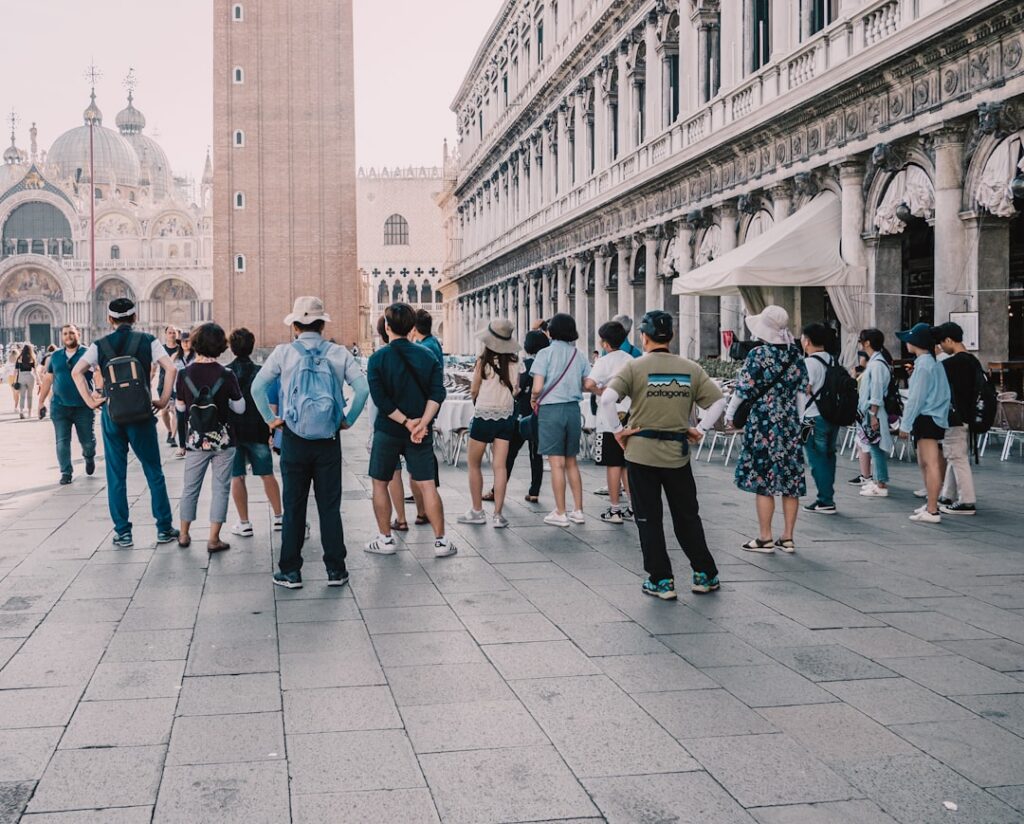
European tourism hit record levels in recent years. Cities like Barcelona, Venice, and Amsterdam have introduced tourist taxes, restrictions, and even outright protests against visitors. It's not that you should never visit these places — it's that you should pick your timing carefully.
We recommend avoiding peak season (mid-July through August) for the destinations below. Visit in May, June, or September instead, and you'll have a completely different experience.
Places to Avoid Because of Overtourism
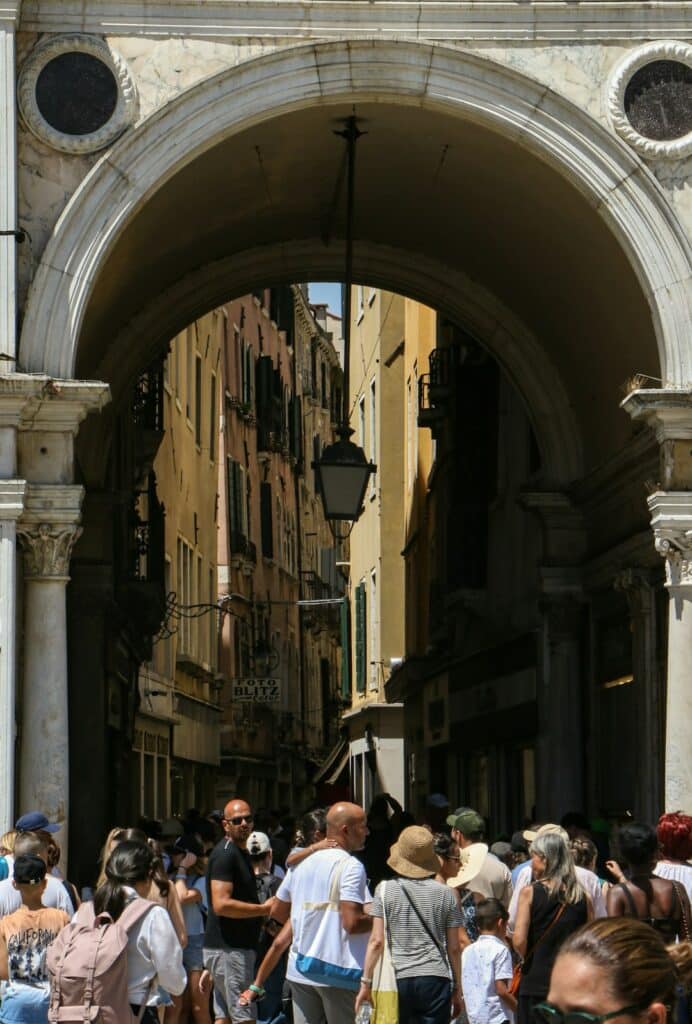
Barcelona, Spain
The problem: Barcelona is one of the most visited cities in Europe. Las Ramblas is shoulder-to-shoulder from morning to night. Pickpocketing is rampant. Locals are increasingly frustrated with the impact of mass tourism, and you'll feel it in the atmosphere.
Go instead: Girona or San Sebastián
Girona has a stunning medieval old town, excellent restaurants, and a fraction of the crowds. It's only 40 minutes from Barcelona by train. San Sebastián, in the Basque Country, has some of the best food in Europe (Michelin-starred pintxos bars) and a beautiful beach without the overtourism tension.
Girona's old town is easy to cover on foot, so a central base is worth it. Hotel Museu Llegendes De Girona is a well-reviewed, boutique option inside the historic quarter.
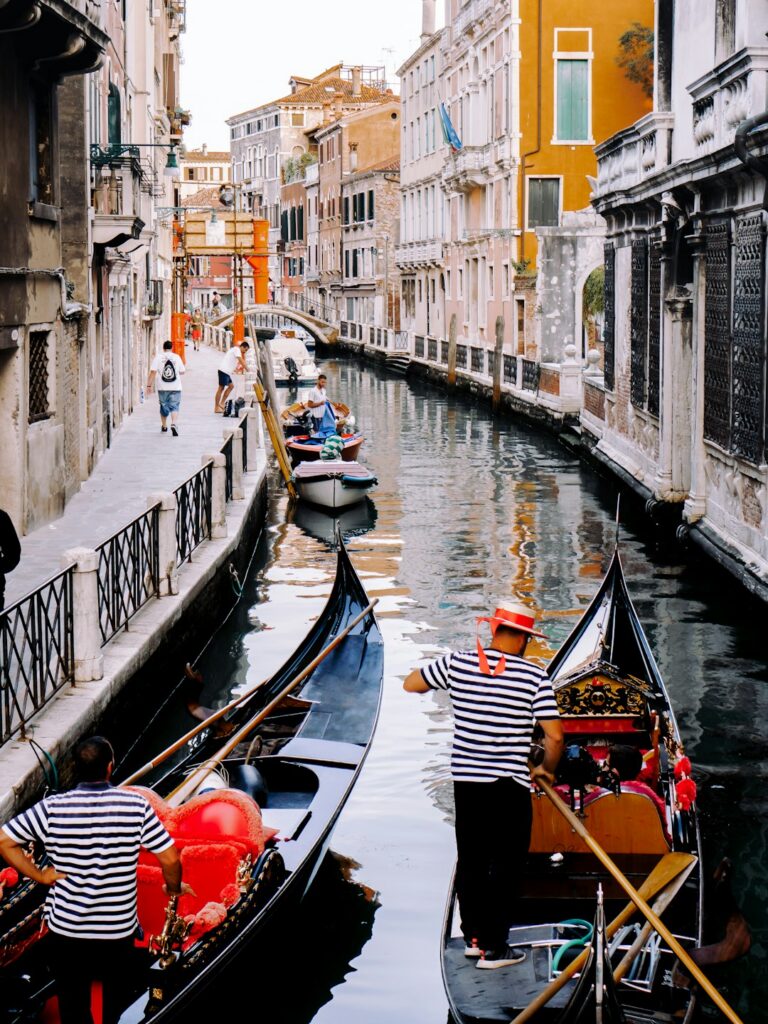
Venice, Italy
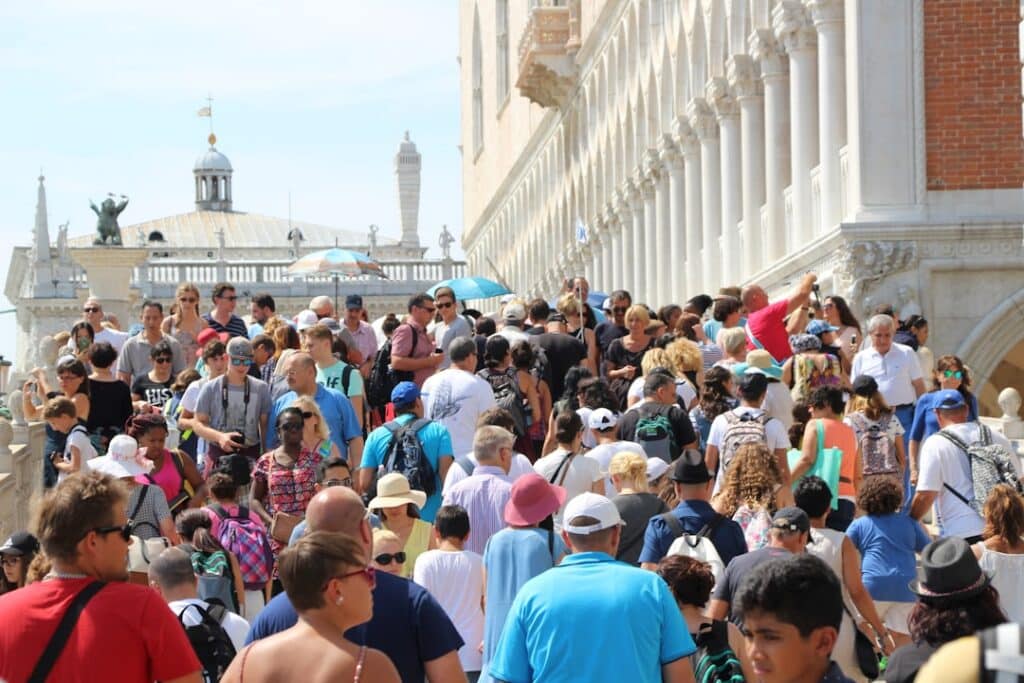
The problem: Venice has become a cruise ship theme park. The city introduced an entry fee for day-trippers, the main attractions are constantly crowded, and the local population has shrunk dramatically as apartments became tourist rentals.
Go instead: Treviso or Bologna
Treviso is a mini-Venice — canals, historic centre, great food — but with actual locals living there. Bologna has the best food in Italy, the longest porticoes in the world, and a lively student atmosphere. Both are within an hour of Venice for a day trip if you want to see the main sights.
In Bologna, Savhotel Aemilia Bologna is a well-reviewed, centrally located option that puts you within walking distance of the porticoes and the old town. It's a solid base for exploring the city's food scene on foot.
Amsterdam, Netherlands
The problem: Amsterdam's city centre is packed in summer, especially around the Red Light District, Dam Square, and the Anne Frank House (book weeks ahead). The city is actively trying to discourage certain types of tourism.
Go instead: Utrecht or Haarlem
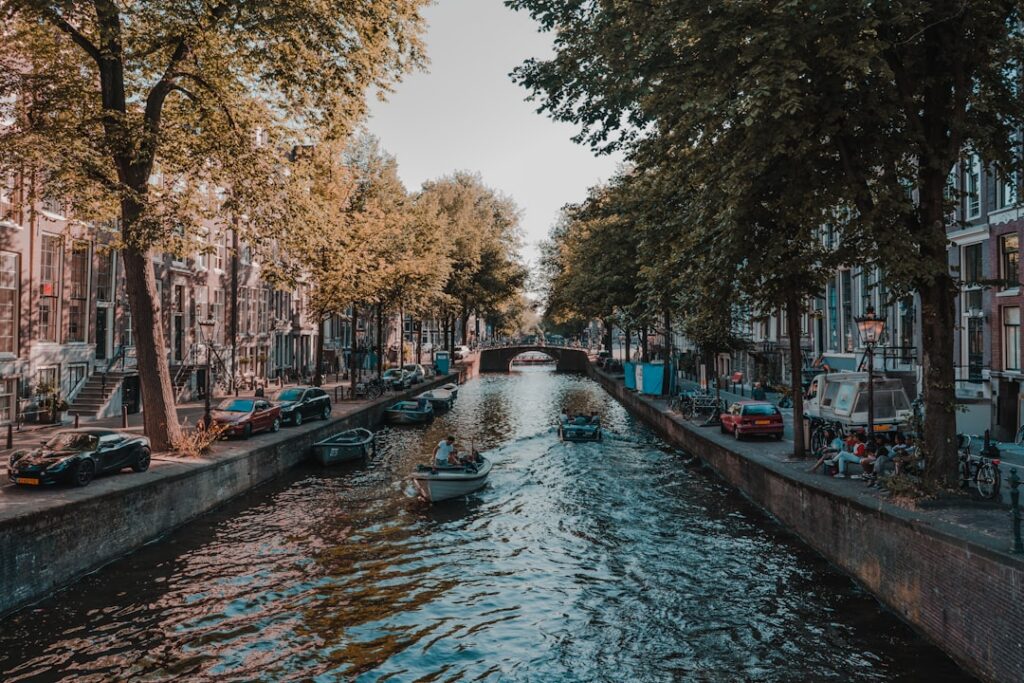
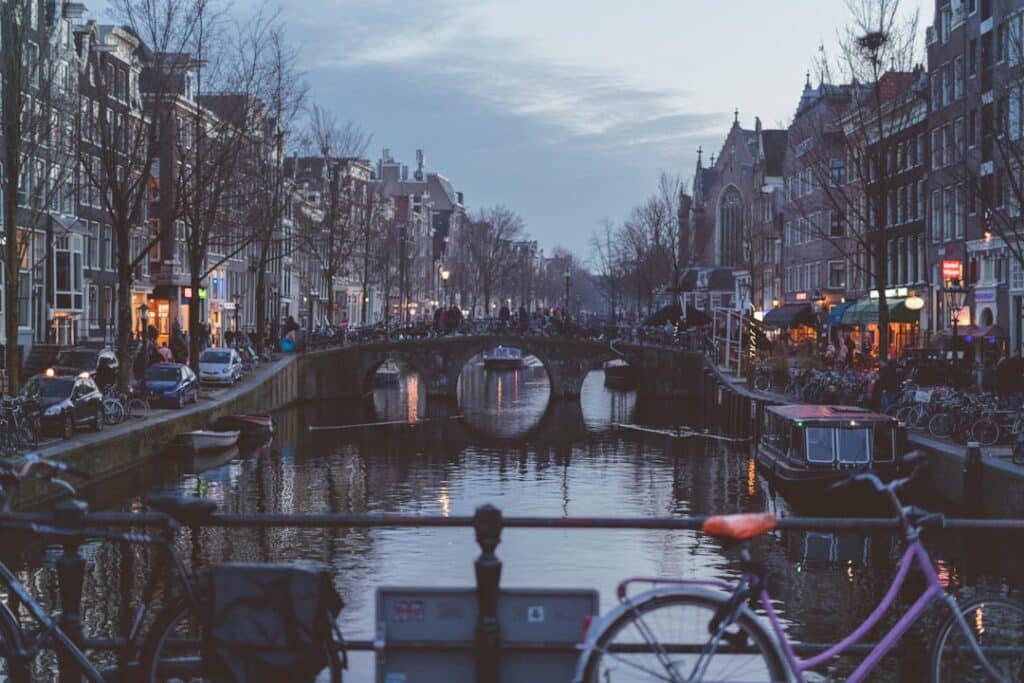
Utrecht has the same canals and architecture as Amsterdam but with a more relaxed, local feel. The Dom Tower, canal-side cafes, and smaller museums are excellent. Haarlem is even closer to Amsterdam (15 minutes by train) and has beautiful streets without the tourist crush.
In Utrecht, Mother Goose Hotel is a well-reviewed, quirky option close to the historic centre and canals. It's an easy base for exploring the Dom Tower and canal-side cafes on foot.
Dubrovnik, Croatia
The problem: Dubrovnik's Old Town is small, and cruise ships disgorge thousands of visitors into its narrow streets daily. Walking the walls in summer means queuing in heat.
Go instead: Split or Zadar
Split has a lively Old Town inside Diocletian's Palace, a lively waterfront, and easy access to islands like Brač and Hvar. Zadar has a beautiful Roman forum, the Sea Organ, and fewer tourists than either Dubrovnik or Split.
Places to Avoid Because of Extreme Heat

Seville, Spain
The problem: Seville regularly hits 40°C+ in July and August. Walking through the Alcázar gardens or across the Plaza de España in that heat is genuinely unpleasant.
Go instead: Córdoba or Granada
Córdoba has the Mezquita (one of Spain's most incredible buildings) and is slightly cooler than Seville. Granada has the Alhambra and the Sierra Nevada mountains nearby for altitude relief. Both are equally historic and less crowded.
Cordoba's old Jewish Quarter is small enough to walk everywhere from a central base. Hotel Balcón de Córdoba is a well-reviewed option just a short walk from the Mezquita.
Athens, Greece
The problem: The Acropolis in August at midday is a test of endurance. The concrete city absorbs heat, and by 2 PM you'll struggle to enjoy anything.
Go instead: Thessaloniki or Nafplio
Thessaloniki is a food city with a cooler climate and fewer tourists. Nafplio is a charming seaside town with a Venetian fortress and easy access to ancient Mycenae and Epidaurus.
Budapest, Hungary
The problem: August temperatures in Budapest can hit 35-38°C. The thermal baths are the saving grace, but the city's main sights are exposed to full sun.
Go instead: Szentendre or Eger
Szentendre is a charming Danube town 30 minutes from Budapest, with narrow shady streets and excellent restaurants. Eger is famous for its castle, thermal baths, and red wine — less crowded, cooler, and more authentic.
In Eger, Imola Hotel Platan is a well-reviewed option close to the castle and the thermal baths. It's a good base for exploring the town's wine cellars without needing a car.

Places to Avoid Because of Overinflated Prices
Santorini, Greece
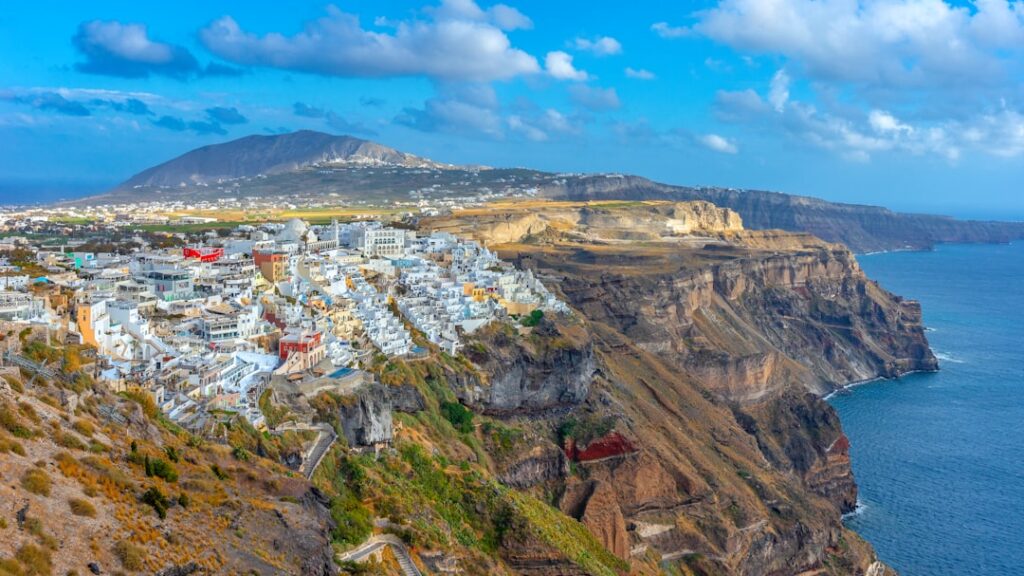
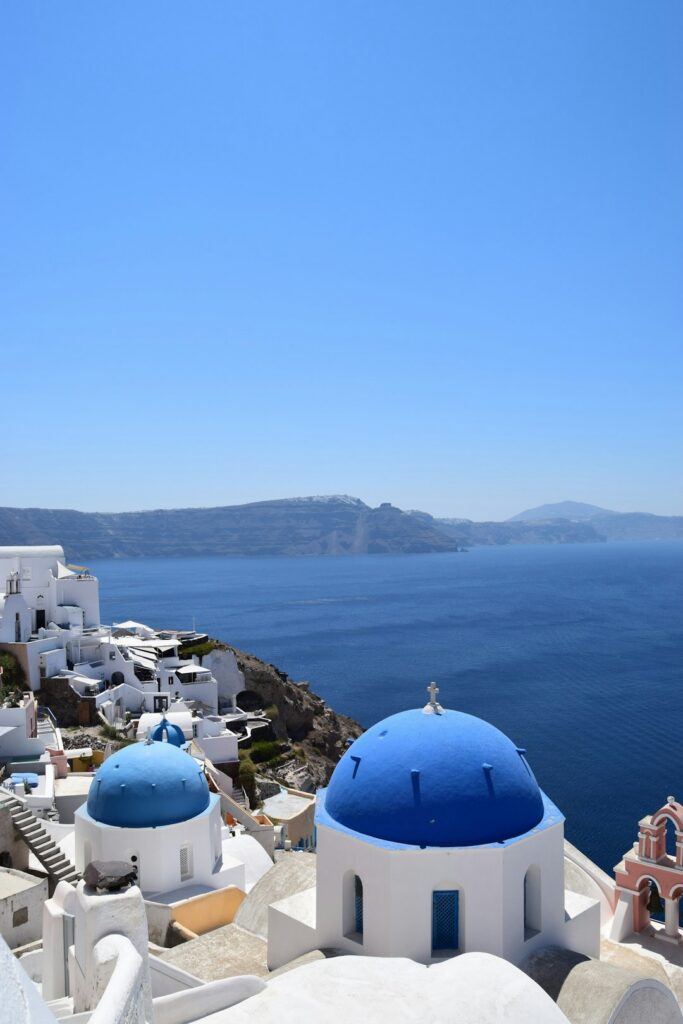
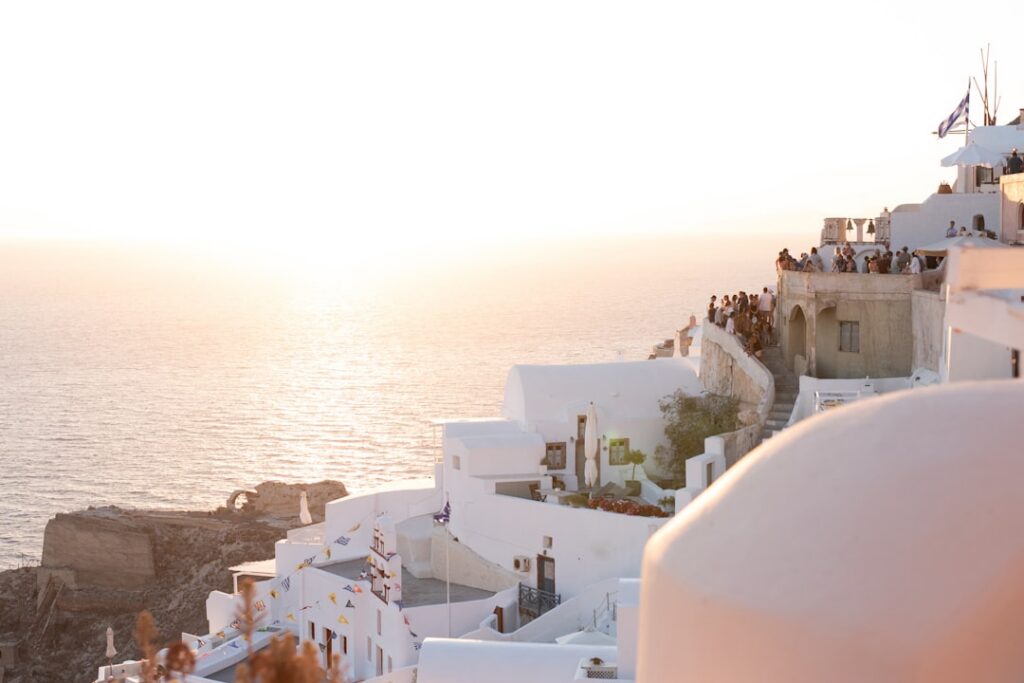
The problem: Santorini is the most expensive Greek island by a significant margin. A basic room in Oia with a caldera view costs €250-500 per night in summer. Restaurants charge a premium for the view. Plus, the crowds to watch the sunset at Oia are absurd.
Go instead: Naxos or Milos
Naxos has the best beaches in the Cyclades, a beautiful old town, and excellent food at half the price. Milos has dramatic volcanic coastline (Sarakiniko Beach is incredible) and a fraction of the visitors.
Naxos still gets busy in August, so it's worth booking ahead even with the lower prices. Hotel Grotta is a well-reviewed option in Naxos Town with sea views over the harbour.
Mykonos, Greece
The problem: Mykonos has become a playground for the ultra-wealthy. Cocktails cost €20+, clubs charge €30-50 entry, and accommodation starts at €200/night.
Go instead: Paros or Sifnos
Paros has a lively but more affordable scene, with beautiful villages and beaches. Sifnos is the foodie island of Greece — known for its pottery and slow food culture — and remains relatively undiscovered.
Ibiza, Spain
The problem: Ibiza in July and August is peak party season. Prices are astronomical. If you're not coming for the clubs, you're paying for the privilege of being near them.
Go instead: Menorca or Formentera
Menorca is the quieter Balearic sister — beautiful coves, fewer crowds, more affordable. Formentera has the best beaches in the Balearics and a relaxed hippie vibe without the mega-clubs.
Menorca's coves are spread across the island, so a central base cuts down on driving. Lago Resort Menorca – Suites del Lago is a well-reviewed option near the south coast.
Underrated Destinations That Shine in Summer

Albania's Riviera
Albania is one of Europe's best-kept secrets. The Albanian Riviera — Ksamil, Himarë, Dhërmi — has beaches that rival Greece at a fraction of the price. No crowds, no queues, and incredibly friendly locals.
Slovenia's Lake Bled and Triglav National Park
Slovenia is compact, affordable, and stunning. Lake Bled is famous but never feels overcrowded. Triglav National Park has excellent hiking. Ljubljana is one of Europe's most charming small capitals.
Estonia's Islands
Saaremaa and Hiiumaa in Estonia offer remote island life — forests, lighthouses, traditional villages, and cool summer temperatures (22-25°C). Completely different from the Mediterranean but equally beautiful.
The Azores, Portugal
The Azores are mild (24-26°C) when mainland Europe is baking. Green landscapes, volcanic lakes, whale watching, and hot springs. São Miguel is the most accessible island.
Latvia and Lithuania
Riga and Vilnius are two of Europe's most underrated capitals. Both have beautiful old towns, excellent food scenes (try the local craft beer scene), and far fewer tourists than any Western European city.
Month-by-Month: When to Avoid vs When to Visit
| City / Area | July | August | September |
|---|---|---|---|
| Barcelona | Crowded, hot (30°C) | Peak crowds + heat | Good, warm |
| Venice | Crowded | Very crowded + hot | Good, quieter |
| Santorini | Peak prices | Extreme crowds | Good, warm |
| Paris | Some closures | Quieter (Parisians on holiday) | Excellent |
| Cinque Terre | Very crowded | Hot + crowded | Good |
| Seville | 40°C+ | 40°C+ | 30-32°C, ok |
| Croatia Coast | Crowded | Peak | Good, warm |
We think September is the sweet spot for most of Europe — still warm, significantly fewer crowds, and lower prices across the board.
Budget Comparison: Peak vs Shoulder Season
| Destination | Summer (July-Aug) Daily | Shoulder (May/Jun/Sep) Daily | Savings |
|---|---|---|---|
| Santorini | €200-400 | €100-180 | 50% |
| Mykonos | €250-500 | €120-200 | 50%+ |
| Ibiza | €200-400 | €100-180 | 50% |
| Paris | €180-300 | €120-220 | 35% |
| Barcelona | €150-250 | €100-180 | 30% |
| Dubrovnik | €150-250 | €90-150 | 40% |
| Naxos (alt) | €100-180 | €70-120 | 30% |
| Albania (alt) | €60-100 | €45-80 | 25% |
Staying Connected

We recommend picking up a local eSIM before you leave so you have reliable data across Europe. Having navigation for those off-the-beaten-path alternatives, translation apps for local menus, and booking backup accommodation is much easier when you're not hunting for Wi-Fi.
Most of Europe has excellent 4G/5G coverage, and an EU-wide eSIM means you won't need to swap SIMs between countries.
Frequently Asked Questions
Where not to travel in Europe?
Avoid the main overtourism hotspots in July and August, Barcelona, Venice, Santorini, Mykonos, Dubrovnik, Amsterdam, and Ibiza are the most crowded.
Where to avoid in Europe in August?
August is the worst month for crowds in Southern Europe. We recommend avoiding the Mediterranean coast of Spain and Italy, the Greek islands (especially Santorini and Mykonos), and the Dalmatian coast of Croatia.
Where to go in Europe in summer not too hot?
Northern and Eastern Europe are cooler, Scotland, Ireland, Estonia, Latvia, Lithuania, Poland, and Slovenia all have summer temperatures around 22-26°C.
Where to travel in July to avoid crowds in Europe?
Visit small cities and towns rather than capitals: Girona (Spain), Treviso (Italy), Nafplio (Greece), Zadar (Croatia), or try underrated countries like Albania, Slovenia, or Estonia.
Are European protests about tourism a real concern?
Protests against overtourism are most common in Barcelona, the Canary Islands, Venice, and Amsterdam. We recommend checking local news before visiting these cities and considering shoulder-season or off-peak alternatives.
Is it worth visiting Paris in August?
Paris in August is quieter than usual because many Parisians leave on holiday. Some restaurants and shops close. If you prefer a calmer version of Paris, August can actually be a good time, just check restaurant opening hours in advance.
Final Thoughts
Knowing which places avoid europe summer trips should skip helps you plan a calmer, cooler itinerary instead.
The classic European summer destinations are popular for a reason. But they're also at their absolute worst in July and August. We believe the smartest approach is to either shift your timing (visit in June or September instead) or choose alternatives that give you the same experience with less stress.
We recommend:
- If you want Greek islands for less: Naxos or Milos instead of Santorini
- If you want Mediterranean beach: Menorca or the Albanian Riviera
- If you want Italian culture without the crowds: Bologna or Lecce instead of Rome
- If you want Spanish food and atmosphere: San Sebastián or Girona instead of Barcelona
- If you want canal city charm: Utrecht or Haarlem instead of Amsterdam
The best summer trips are the ones where you spend your time enjoying yourself, not queueing. Pick your destinations wisely, and you'll have a trip worth remembering.
Related Blog
Where to Travel in July in Europe: Best Destinations to Beat the Crowds
What Nobody Tells You About Travelling in Europe in Summer (2026)
Other Destination Guide in Europe
How to Get Internet in Italy as a Traveller: Best eSIMs, SIM Cards & WiFi for 2026
Best eSIM for Spain: Do You Need One in 2026? (Complete Guide)
eSIM or Physical SIM in France? Pros, Cons & Best Pick for Travellers 2026
eSIM Portugal vs Roaming: Best Way to Stay Connected as a Traveler in 2026
Travelling to Greece? Best eSIM Greece Options for 2026
2-Week Itinerary for Italy: The Perfect Route from North to South
10-Day Travel Route Through Spain: The Essential Itinerary
Best Islands in Greece: How to Choose the Right One for Your Trip
Add your first comment to this post