


Table of Contents
Every summer, millions of travellers dream of European holidays — sunny days in Parisian cafes, gelato in Rome, sunset cocktails in Santorini. And every summer, millions arrive to find something else entirely: shoulder-to-shoulder crowds, heat waves that make sightseeing miserable, hotel rooms that cost four times their spring price, and a sinking feeling that maybe they picked the wrong time of year.
We believe in honest travel advice. The brochures and Instagram posts show empty plazas and perfect weather, but the reality of a European summer is more complicated. This guide covers the truths about summer travel that nobody tells you — the crowds, the heat, the prices, and the hidden costs of peak season — along with practical alternatives that still give you an incredible trip.
We have been watching the summer travel data for years, and the picture is clear: June and September are now the sweet spots, July and August are increasingly difficult, and there are many underrated European destinations that offer a better experience during the peak months.
In a Rush?
Top Hotels for Your European Summer Trip
- ⭐⭐⭐ Hotels in Lisbon, Portugal – Check prices and availability
- ⭐⭐ Hotels in Sarajevo, Bosnia – Check prices and availability
- ⭐ Hotels in Tallinn, Estonia – Check prices and availability
If you're looking for honest europe summer travel tips, here's what most guides leave out.
At a Glance: The Hidden Truths of European Summer Travel
| What Nobody Tells You | The Reality | What to Do Instead |
|---|---|---|
| July-August is peak overcrowding | Major attractions have 2-3 hour queues daily | Travel in June or September |
| Heat waves are the new normal | 35-40°C in Southern Europe, often without AC | Choose northern or coastal destinations |
| Accommodation prices double | €150/night rooms cost €300-400 in August | Book early or stay in less popular cities |
| The booking window is tight | Popular hotels sold out by March for August | Book 6-8 months in advance |
| Shoulder season is better value | Same experience, half the price, fewer crowds | Plan for late May or early October |
| Northern Europe is more bearable | Scandinavia and Baltics offer pleasant summers | Consider Stockholm, Copenhagen, Riga |
| The best “summer” spots are elsewhere | Most famous destinations are at their worst in August | Try Slovenia, Albania, or Poland instead |
The Crowd Reality Nobody Talks About
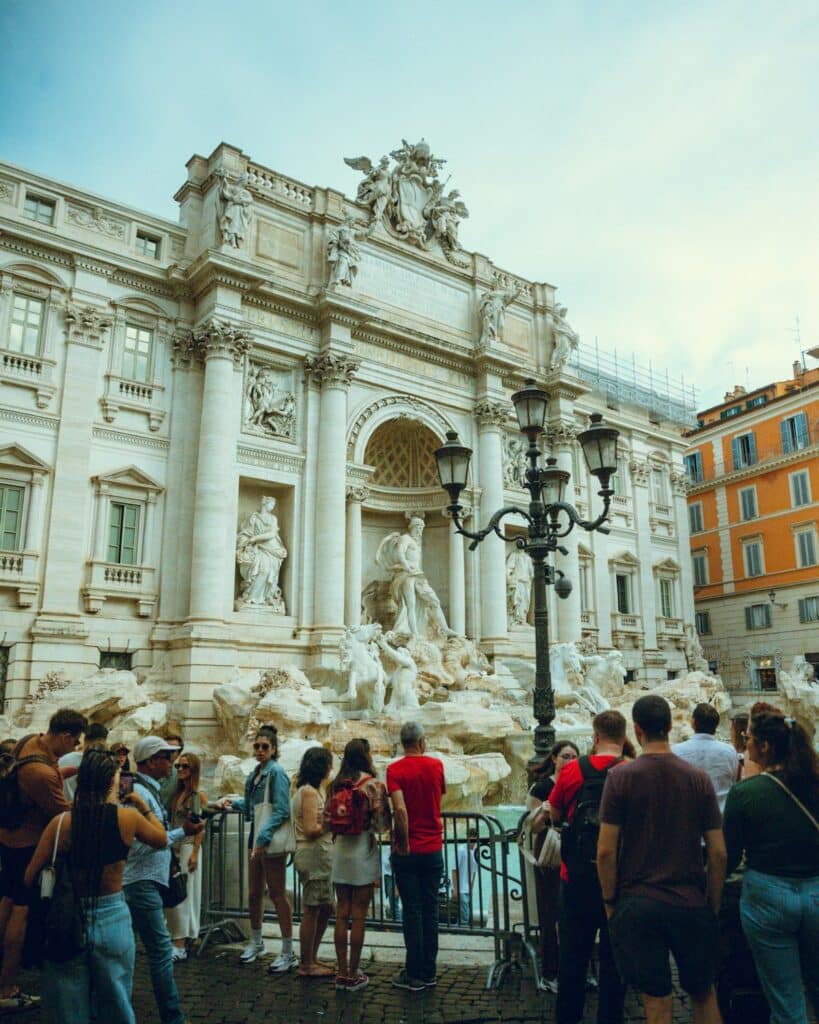
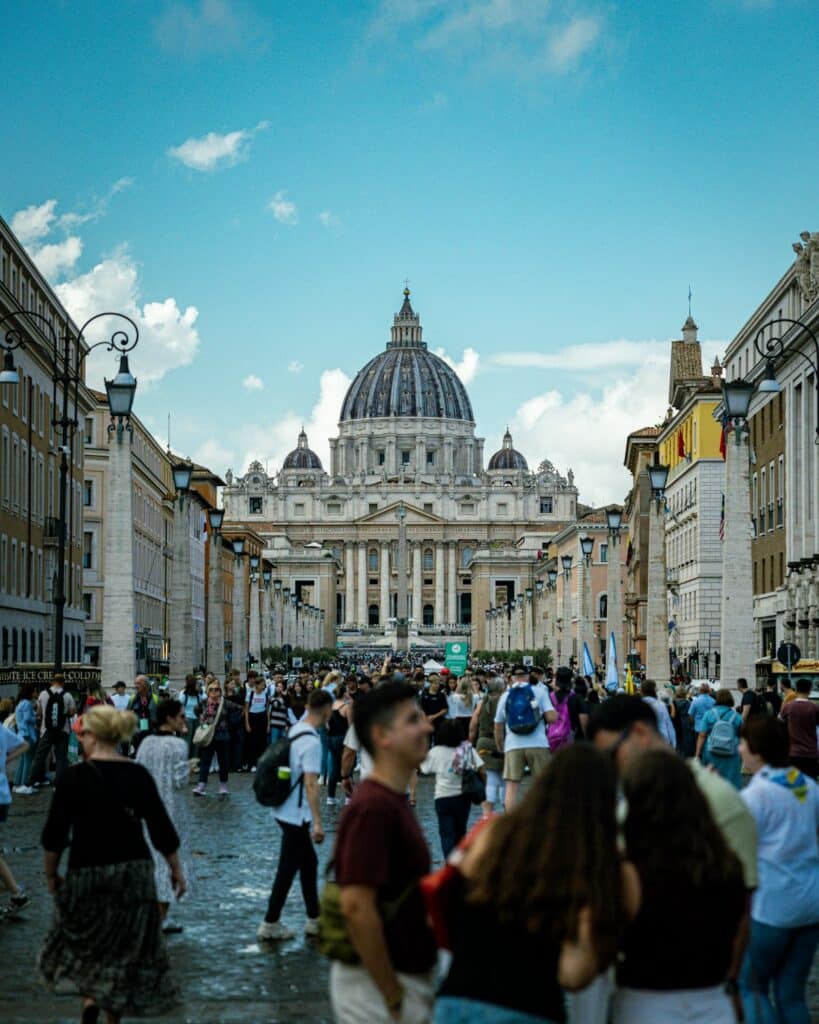
We think the biggest myth about European summer travel is that you can “beat the crowds” by going early or staying late. The truth is that major attractions in popular cities are overcrowded from morning until closing time, and no amount of planning can change that.
What the Numbers Say
In August 2025, the Louvre in Paris averaged over 40,000 visitors per day — more than double its comfortable capacity. The Uffizi in Florence had queues exceeding three hours on most days. Venice recorded over 100,000 daily visitors in peak August, more than the entire resident population of 50,000. Rome's Trevi Fountain was surrounded by crowds from 7AM until midnight.
Why Peak Season Crowds Are Bad for Your Trip
Overcrowding is not just inconvenient. It actively reduces the quality of your trip. You spend more time in queues than inside museums. Streets are so packed that walking feels like navigating a shopping mall at Christmas. Spontaneous discoveries — the reason many people love travel — become impossible because every corner already has fifty people at it.
The Solutions That Actually Work
We recommend three strategies for dealing with crowds. Book skip-the-line tickets for every major attraction, even if it costs extra. Visit the most famous sights at 8AM or 6PM, and use the middle of the day for neighbourhood walks or siesta-style breaks. Most importantly, reduce the number of major sights you try to see each day — two is the maximum we recommend for peak season.
Heat Waves Are the New Normal

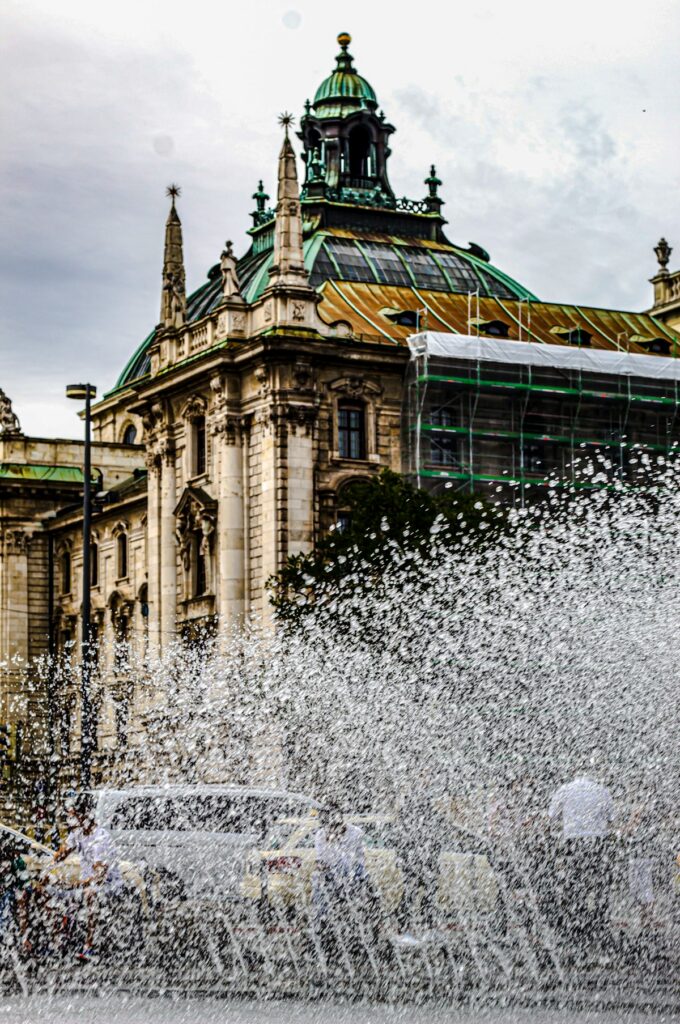
The data is unsettling. July 2025 was the hottest month on record for much of Southern Europe. Athens hit 44°C. Rome hit 42°C. Barcelona hit 39°C. Seville and Cordoba regularly exceed 45°C. These temperatures are not just uncomfortable — they are dangerous for outdoor sightseeing, especially for older travellers and families with young children.
The Air Conditioning Problem
We believe this is one of the most important things to understand: many European buildings, including hotels in historic city centres, do not have air conditioning. Building preservation laws in cities like Rome, Florence, and Paris prevent the installation of modern AC units in historic facades. You may pay €350 per night for a room with a small portable fan and a warning that it will be warm from June to September.
How to Handle the Heat
We think the best approach is to accept that midday sightseeing is not viable in Southern Europe between late June and early September. Plan your days around a three-part structure: morning exploration from 7AM to 12PM, a long break during the hottest hours, and evening activities from 5PM onwards. This is actually the traditional Mediterranean lifestyle — and it works.
Where to Go Instead
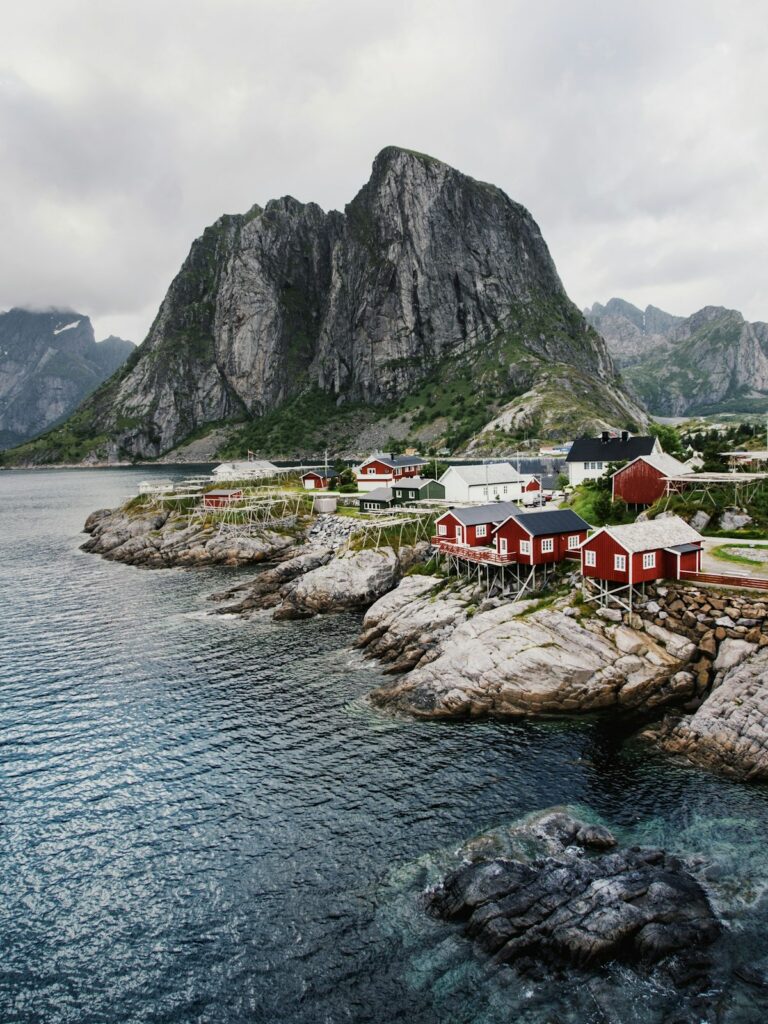
Northern Europe offers a completely different summer experience. Scandinavia, the Baltic states, and the UK rarely exceed 30°C. Stockholm, Copenhagen, Helsinki, and Riga have pleasant summers with long daylight hours and no need for air conditioning. The downside is higher accommodation prices in Scandinavia, but the trade-off is comfort.
Accommodation Prices Double (or Triple)
We have tracked hotel prices across Europe for two years, and the pattern is consistent: July and August see accommodation prices increase by 80-150% compared to May or September. A decent hotel in central Paris that costs €150 per night in May is €300-400 per night in August. The same room in Rome costs €100 in April and €250 in July.
Why This Happens
Dynamic pricing is the main driver. Hotels know that demand far exceeds supply during the summer months, so they raise prices to match. This is not a secret, but the scale of the increase still surprises most travellers.
Tips for Affordable Accommodation
We recommend several strategies. Book early — ideally 6-8 months ahead — to lock in rates before prices spike. Stay just outside the city centre, in neighbourhoods connected by metro or tram. Consider apartments with kitchens, which save money on meals and often offer better value than hotels. Use hotel comparison sites that show historical pricing to understand whether you are getting a fair deal.

The Booking Window Is Smaller Than You Think
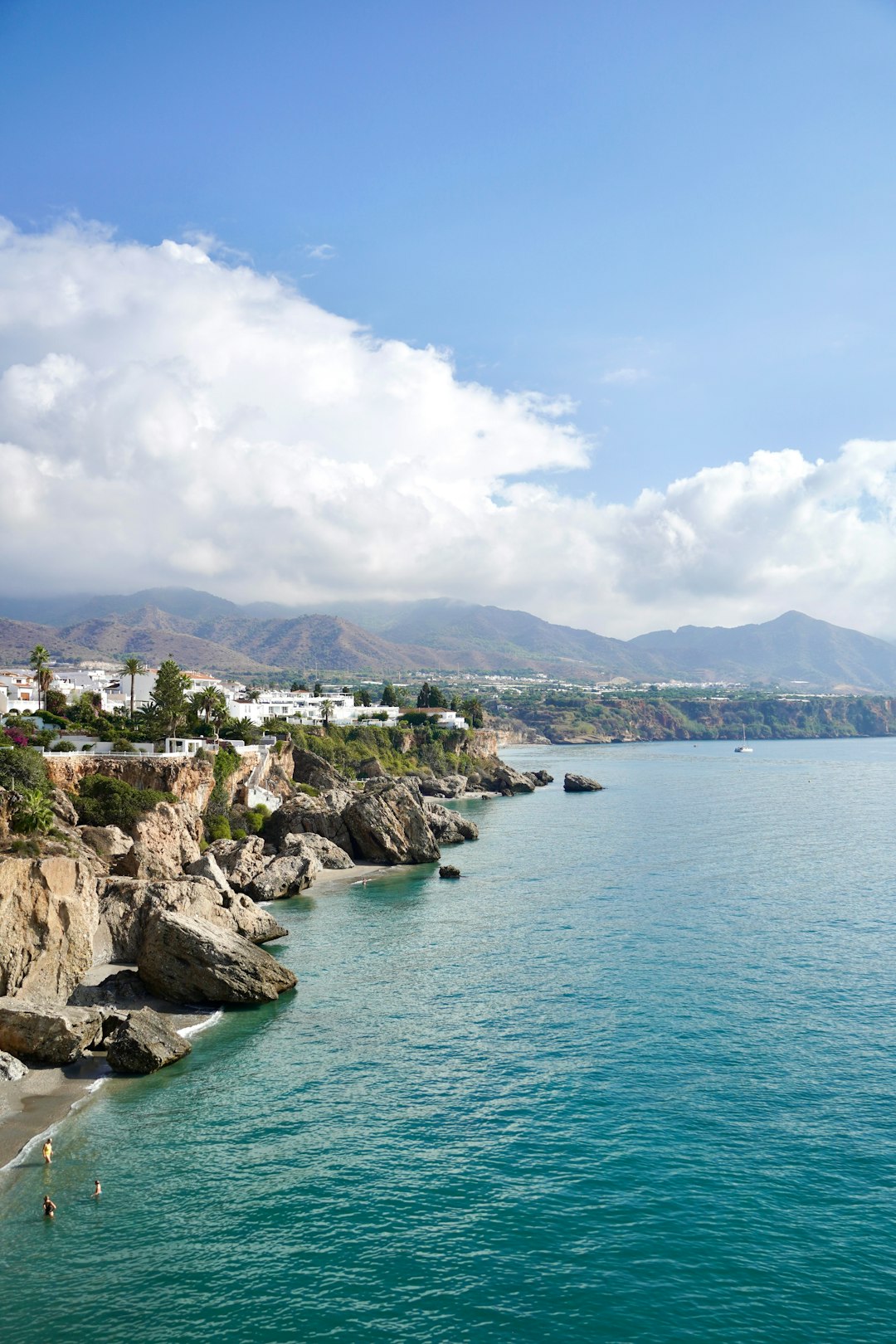
Many travellers assume they can book a European summer trip a few months in advance. In reality, the most desirable hotels, tours, and restaurants book up 6-9 months ahead for July and August. Popular restaurants in Paris, Florence, and Barcelona require reservations two months in advance. The best hotel rooms in any desirable location are often gone by April.
The Hidden Consequence
Late bookings limit your options to overpriced, inconvenient, or lower-quality accommodation. We have seen travellers pay €500 per night for a cramped room in a distant suburb because everything reasonable in the city centre was already sold out.
Our Recommendation
If you are determined to travel in July or August, we recommend booking accommodation by January at the latest. This is especially important for popular destinations like Paris, Rome, Barcelona, Santorini, and the Amalfi Coast. If you haven't booked by March, we suggest either choosing a less popular destination or shifting your trip to June or September.
Shoulder Season Is Often Better (and Cheaper)
We believe there is no good reason to travel to most of Europe in July or August unless your schedule absolutely requires it. The shoulder seasons — late May to mid-June, and September to early October — offer the same attractions with fewer people, lower prices, and more comfortable weather.

The June Advantage
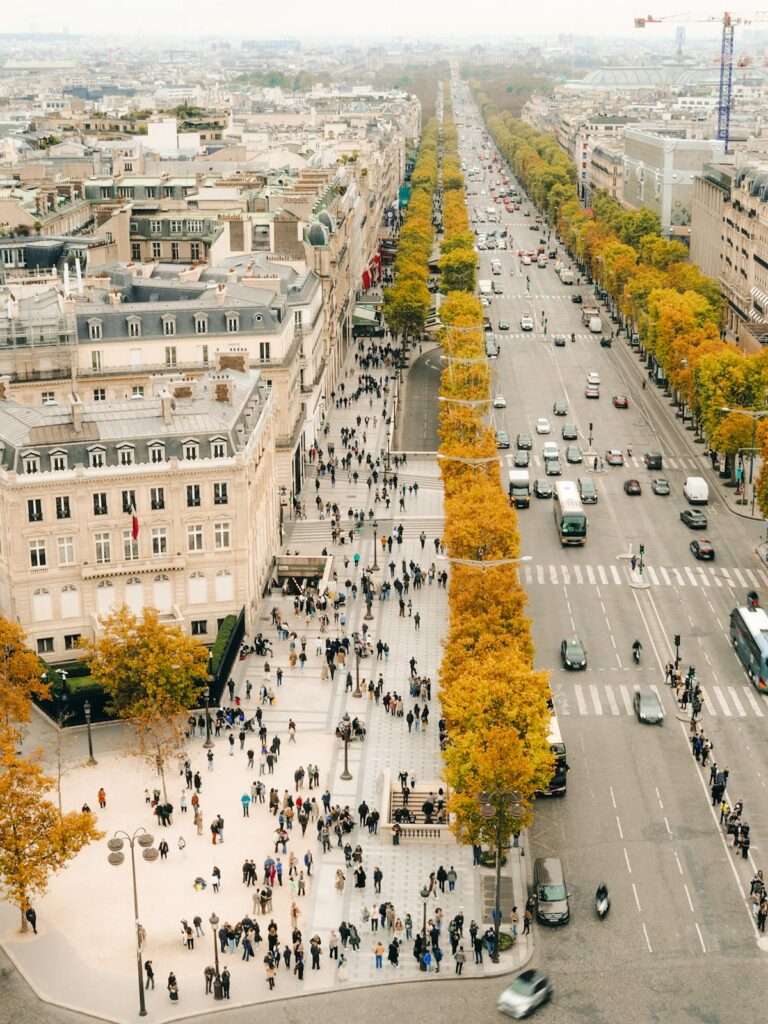
June is the best month for European travel. The weather is warm but not extreme. Crowds are manageable. Prices are 30-50% lower than August. All attractions and restaurants are open. The Mediterranean water is warm enough for swimming. We think June is the ideal month for first-time visitors to Europe.
The September Alternative
September is another excellent choice. The weather is still warm, particularly in Southern Europe where September averages 28-32°C. Crowds thin out after the first week. Prices drop significantly. The Mediterranean Sea is at its warmest from September swimming. The only downside is that some coastal restaurants begin closing from mid-September.
What You Give Up (and Gain)
The single thing you lose by avoiding peak summer is the “lively” atmosphere — the summer festivals, the outdoor concerts, the sense of peak season energy. But we think the trade-off is worth it: quieter streets, shorter queues, affordable accommodation, and the ability to actually enjoy your surroundings.
Northern Europe Is a Different Story
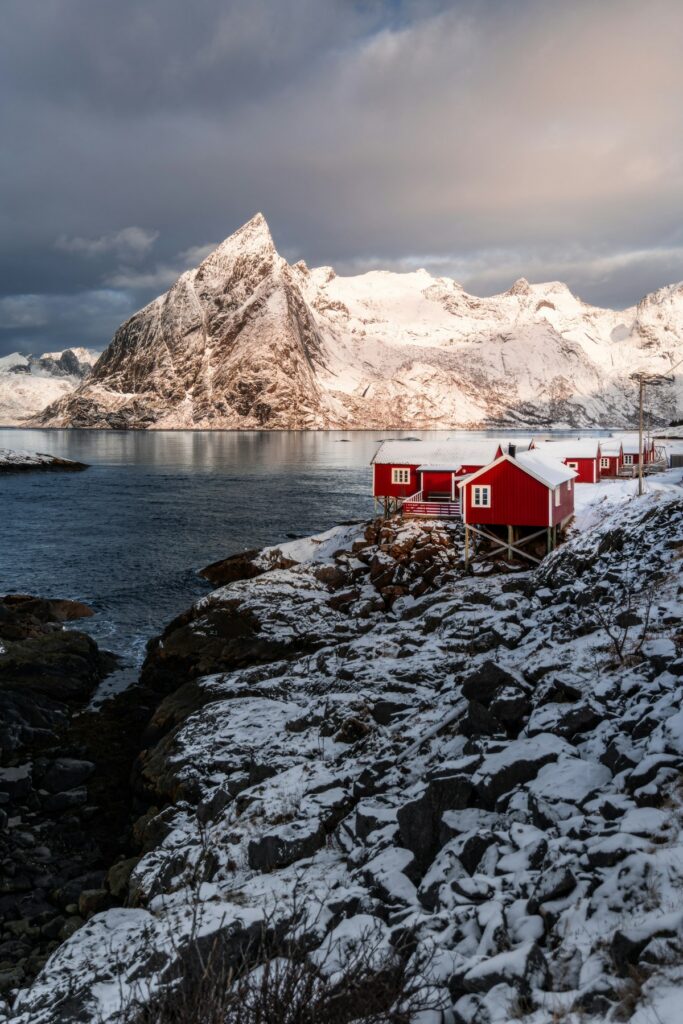
While Southern Europe struggles with heat and crowds, Northern Europe offers a completely different summer experience. Scandinavia, the Baltic states, Poland, and the UK have mild summers, long daylight hours, and significantly fewer tourists in most places.
Why Scandinavia Works
We think Scandinavia is the best region for a European summer trip. Stockholm, Copenhagen, and Oslo have average August temperatures of 20-24°C, rarely exceeding 28°C. The days are long — 16-18 hours of daylight in midsummer. The crowds are concentrated in a few well-known spots, leaving plenty of room to explore. The downside is higher costs, but the quality of experience often justifies the premium.
If Copenhagen is on your list, book early since the good rooms go fast even in a cooler climate. Nimb is a well-reviewed option right by Tivoli Gardens, within easy walking distance of the harbour and the city centre. It is a good base for exploring on foot during those long summer daylight hours.
The Baltic Alternative
Estonia, Latvia, and Lithuania offer excellent summer travel with much lower prices. Tallinn's old town is beautiful and rarely overcrowded. Riga has a lively cultural scene. The Baltic coastline has sandy beaches that are pleasant in summer. Accommodation is 40-60% cheaper than Western Europe.
In Riga, we like Revelton Suites Riga for its central location near the old town. Rates stay reasonable even in the busier summer weeks, which fits the budget-friendly case for a Baltic summer trip.
Central and Eastern Europe
Poland, Czech Republic, and Hungary have busy summers, but the crowds are far less intense than in Western Europe. Warsaw, Krakow, Prague (which is busy but manageable), Budapest, and Wroclaw offer excellent summer travel without the extremes of Southern Europe. Prices remain reasonable even in peak season.

The Best “Summer” Destinations Are Actually Alternatives
We believe the most important travel advice is this: most famous European destinations are not at their best in summer. There are many alternative destinations that offer a comparable experience with fewer downsides.
Mediterranean Alternatives
- Instead of Santorini or Mykonos, try Naxos, Paros, or Crete
- Instead of the Amalfi Coast, try the Puglia region or Sicily
- Instead of Barcelona, try Valencia, Girona, or San Sebastian
- Instead of Dubrovnik, try Split, Zadar, or the Dalmatian islands
- Instead of the French Riviera, try the Languedoc coast or Corsica
Northern Alternatives
- Instead of Paris, try Lyon, Bordeaux, or Annecy
- Instead of Amsterdam, try Utrecht, Rotterdam, or Ghent
- Instead of London, try Edinburgh, Bath, or the Cotswolds
- Instead of Berlin, try Leipzig, Hamburg, or Dresden
Month-by-Month Timing
| Month | Best For | Avoid |
|---|---|---|
| June | Most of Europe (peak sweet spot) | None, really |
| July | Northern Europe, Alps, coastal spots | Southern cities, inland Spain/Italy |
| August | Scandinavia, Baltics, mountains | Mediterranean coast, major capitals |
| September | Southern Europe, Mediterranean | Northern coastal towns (closures) |
Regional Differences: South vs North vs East
Europe's summer experience varies dramatically by region. Understanding these differences helps you choose the right destination for your travel style.
Southern Europe (Italy, Spain, Greece, Portugal, Croatia)
This is the most popular and most extreme summer destination. Expect heat waves, high prices, and heavy crowds in July and August. Southern Europe is best visited in June or September. If you must go in peak season, choose coastal or island destinations where sea breezes provide some relief.
Western Europe (France, UK, Benelux, Germany)
Summer conditions are mixed. Paris and London are crowded but manageable in June. July and August bring higher prices and some heat waves, particularly in France. Germany's summer is generally pleasant. The UK has mild summers with occasional rain. We recommend June for Western Europe.
Northern Europe (Scandinavia, Baltics)
The best summer region in terms of comfort. Mild temperatures, long days, and reasonable crowds. Prices are high in Scandinavia but affordable in the Baltics. We recommend July and August for this region.
Eastern Europe (Poland, Czech Republic, Hungary, Balkans)
Good summer conditions with tolerable crowds and moderate temperatures. Budapest and Prague are busy but not overwhelming. Poland offers excellent value. The Balkans — particularly Slovenia, Croatia (inland), and Montenegro — are increasingly popular but still offer good value compared to Western Europe.
Frequently Asked Questions
Is it really that bad to travel to Europe in July?
It depends on where you go. July is manageable in Scandinavia, the Baltics, and mountain regions. It is difficult in Southern Europe and major capitals. We recommend choosing your destination carefully rather than avoiding July entirely.
What is the cheapest month for European travel?
January and February are the cheapest, but the weather is cold and many attractions have reduced hours. The best value travel months are May and September, when prices are low but the weather is still pleasant.
How far in advance should I book a European summer trip?
We recommend booking accommodation 6-9 months ahead for July and August, especially for popular destinations. For June and September, 3-5 months is usually sufficient. Flights should be booked 4-6 months ahead for the best prices.
Are European trains reliable in summer?
Generally yes, but summer brings delays due to heat (which can warp tracks) and increased passenger volume. Book high-speed and overnight trains in advance, particularly for popular routes like Paris to Amsterdam or Rome to Florence.
What should I pack for a European summer?
Lightweight, breathable clothing is essential. Pack a reusable water bottle, sun protection, comfortable walking shoes, and a light jacket for cooler evenings. A portable fan can be helpful in budget accommodation without air conditioning.
Which European country has the best summer weather?
Slovenia and Croatia offer excellent summer weather with manageable crowds and reasonable prices, assuming you avoid July and August. In peak season, Norway and Sweden offer the most comfortable conditions.
How do I avoid tourist traps in Europe?
The best strategy is to avoid the main tourist streets by walking one or two blocks away. Eat where locals eat and look for restaurants filled with local languages, not English menus with photos. Use neighbourhood-specific recommendations rather than global travel guides.
Is it worth visiting Europe in summer despite the downsides?
Yes, with caveats. Summer in Europe is still wonderful if you choose the right destinations, book ahead, and manage your expectations. But we believe most travellers would have a better experience in June or September than in July or August.
Final Thoughts
European summer travel is a paradox. The same season that draws millions of visitors also makes the experience worse for those visitors. The crowds are real. The heat is escalating. The prices are higher than ever. But this does not mean you should avoid Europe in summer.
We believe the solution is to be smart about where and when you go. Choose Northern Europe for peak summer. Pick June or September for Southern Europe. Book early. Manage your expectations. And consider the alternative destinations that offer a comparable experience without the downsides.
Travelling in Europe requires staying connected. We recommend [checking our eSIM options for Europe] for affordable mobile data that works across multiple countries, so you can navigate, research, and book on the go without worrying about roaming charges.
Related Blog
Best Islands in Greece: How to Choose the Right One for Your Trip
10-Day Travel Route Through Spain: The Essential Itinerary
2-Week Itinerary for Italy: The Perfect Route from North to South
Places to Avoid in Europe in Summer (And Where to Go Instead)
Alternatives to Santorini: Less Crowded Greek Islands Worth Visiting
Best Beaches in Portugal: A Guide to the Country's Top Coastal Spots
Where to Stay in Barcelona: The Best Areas Explained
Other Destination Guide Blog (Stay Connected during Your Trip)
How to Get Internet in Italy as a Traveller : Best eSIMs, SIM Cards & WiFi for 2026
Best eSIM for Spain: Do You Need One in 2026? (Complete Guide)
eSIM or Physical SIM in France? Pros, Cons & Best Pick for Travellers 2026
eSIM Portugal vs Roaming: Best Way to Stay Connected as a Traveler in 2026
Add your first comment to this post