


Table of Contents
Hotel rooms in the 16 World Cup 2026 host cities have been under pressure since tickets went on sale. Sponsors, national federations, and corporate travel agencies blocked large portions of prime inventory years in advance. What remains for individual fans booking now — in the weeks or months before the tournament — is a different landscape from what the travel advice columns were describing in early 2025.
The good news is that options still exist. They are less convenient than the options that were available six months ago, they require more flexibility, and some of them involve accepting a longer commute to the stadium. But fans who are willing to think laterally about location, accommodation type, and booking platform are still finding workable solutions in every host city.
This guide covers the last-minute accommodation strategies that genuinely work for the World Cup 2026 right now — what platforms still have inventory, which accommodation types are being overlooked, which satellite cities still have rooms, and what the limits are on each option.
At a Glance
Here is what this guide covers:
- The real availability picture: Why standard hotel searches look empty, and where inventory actually exists
- Crewfare and specialist platforms: Platforms holding World Cup-specific room blocks at sold-out properties
- Extended-stay hotels: The most overlooked accommodation type at any major sporting event
- Satellite cities: Which secondary locations still have rooms and how transit connects to each stadium
- Airbnb and VRBO: When short-term rentals work, and the risks specific to World Cup periods
- Hostels: Why this option is underused by football fans who would genuinely benefit from it
- Loyalty points: How to use accumulated points when cash rates are at peak pricing
- Free cancellation strategy: How to hold a room while continuing to search for better options
- Mexico and Canada host cities: Why booking a non-US destination might solve the problem entirely
The Real Availability Picture
The conventional wisdom — “book early, book smart” — was accurate advice 18 months ago. The practical reality for anyone reading this now is different, and it is worth being honest about it.
Hotels near most World Cup stadiums are sold out or close to it for the core June and July match weeks. In cities like Vancouver, Kansas City, and New York/New Jersey, the supply-demand gap is extreme. Vancouver is facing an estimated 70,000-night shortfall across the tournament period. Kansas City has approximately 40,000 hotel rooms serving an expected 650,000 visitors. The properties that do have availability in prime locations are listed at 200–300% above their normal rates.
This does not mean accommodation is impossible to find. It means the approach needs to shift. Standard searches on Booking.com or Expedia, filtered by proximity to the stadium, will often return either empty results or prices that look impossible. The actual inventory — what still works right now — exists across a different set of channels, accommodation types, and geographic locations than those searches typically surface.
The starting point is accepting that “available near the stadium at a reasonable price” is not a realistic parameter for most host cities in 2026. “Available with manageable transit to the stadium at an acceptable total cost” is a solvable problem.

1. Crewfare — The Platform With World Cup Room Blocks
Crewfare is a travel platform specifically focused on major sporting events. For the World Cup 2026, they negotiated direct room blocks with hotels across all 16 host cities — signing agreements before the general public booking wave. This means they hold inventory at properties that appear fully booked or sold out on every other platform.
In testing by Matador Network, Crewfare listed rooms at hotels that showed zero availability on Booking.com and on the hotels' own websites — at rates that were still elevated versus normal but significantly lower than secondary-market pricing.
What Crewfare offers:
- Room blocks in Los Angeles, Miami, Dallas, San Francisco, Atlanta, and Seattle confirmed
- Shorter minimum stay requirements than many hotels are imposing independently (some hotels in host cities require 4–7 night minimums during match weeks)
- Direct comparison across multiple properties from one search
The catch: Crewfare is not cheap. The rates are World Cup rates. But for fans who have run out of options on standard platforms, it represents genuine supply that is otherwise invisible.
Where to use it: crewfare.com — search by city and match dates.

2. Extended-Stay Hotels — The Most Overlooked Option
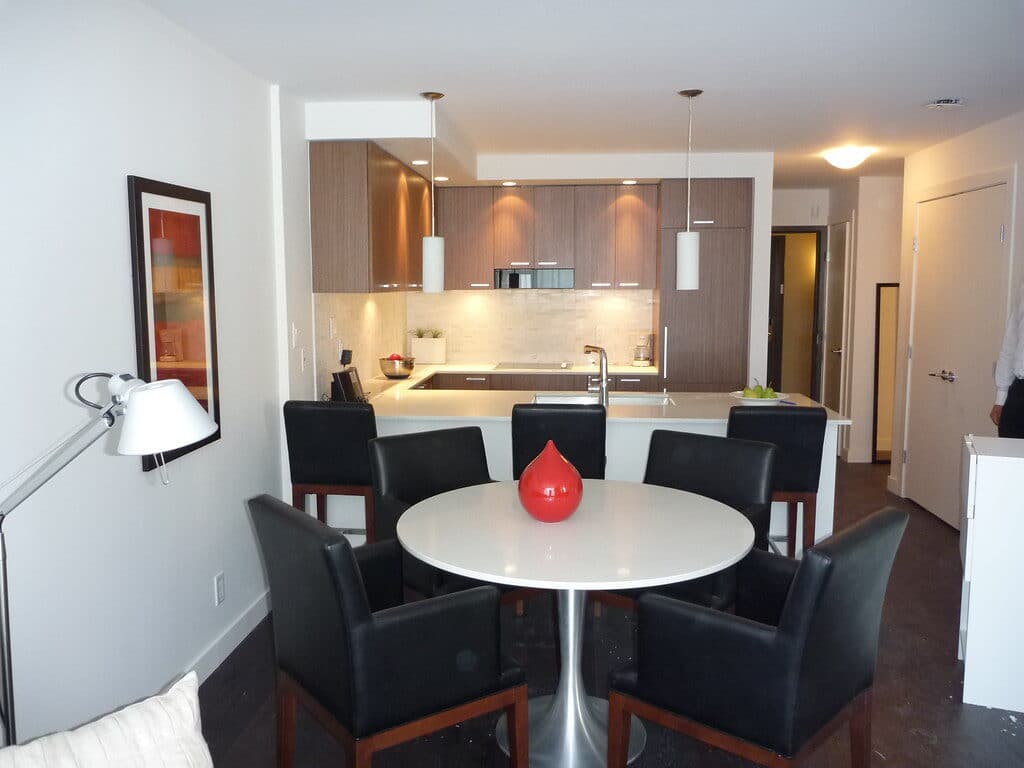
Extended-stay hotel brands — Residence Inn by Marriott, Homewood Suites by Hilton, TownePlace Suites, Element Hotels, and Staybridge Suites by IHG — are designed for business travellers on multi-week assignments. They typically offer in-room kitchens or kitchenettes, larger room formats, and a different pricing structure from standard hotels.
During major sporting events, these properties consistently have better availability than traditional hotels for two reasons. First, their core customers are business travellers who may reduce travel during a major event. Second, they attract less direct competition from event-focused leisure travellers who are searching for “hotel near [stadium]” rather than “extended stay near [city centre].”
Why extended-stay hotels work well for World Cup visitors:
- In-room kitchen: Breakfast and simple meals prepared in the room reduce daily food costs significantly — important when eating near stadium zones becomes expensive
- Better value per night for groups: Larger room formats work for 2–4 people sharing, which reduces the per-person accommodation cost
- Laundry facilities: Available in-room or on-site — relevant for stays of 5+ nights
- Pricing lag: These properties tend to raise prices less aggressively than branded luxury hotels during peak events
How to find them: Search by brand name on Google Maps in your target city and check availability directly on Marriott.com, Hilton.com, or IHG.com. Also check Booking.com with the filter “Apartment” or “Apart-hotel” — this surfaces the same category of properties.
3. Satellite Cities — The Most Practical Strategy
For every US host city, there are satellite locations within transit range of the stadium that still have reasonable hotel availability. This is the single most reliable strategy for fans who need a room and are willing to accept a longer commute.
The logic is simple: as distance from the stadium increases, hotel prices decrease and availability opens up. The transit systems in most host cities extend well beyond the city core and connect to suburban hotels that are 30–60 minutes from the match venue.
Satellite city options by host city
New York / New Jersey (MetLife Stadium):
- Cherry Hill, NJ (30 min by transit/rideshare to Newark Penn, then NJ Transit direct)
- King of Prussia, PA (suburban Philadelphia — 90 min but good hotel supply at $200–350/night)
- Newark itself (more affordable than Manhattan; NJ Transit to stadium)
- Stamford, CT (Metro-North to Penn Station, then NJ Transit connection)
Los Angeles (SoFi Stadium, Rose Bowl):
- Long Beach (Metro C Line connections)
- Pasadena (adjacent to Rose Bowl for Group Stage matches; walkable for those fixtures)
- Anaheim (Disneyland hotel area — odd but practical; Metrolink connections)
- Torrance / El Segundo (south suburbs; close to LAX and SoFi by highway)
Dallas (AT&T Stadium, Arlington):
- Downtown Dallas (20–25 min by shuttle from Arlington; better atmosphere and dining than Arlington itself)
- Fort Worth (30 min west; more affordable; good nightlife and Stockyards)
- Frisco / Plano (northern suburbs; more affordable; shuttle connections)
San Francisco (Levi's Stadium, Santa Clara):
- Oakland / Berkeley (East Bay via BART; significantly more affordable than SF)
- San Jose (close to Santa Clara; walkable to VTA)
- Palo Alto / Mountain View (Caltrain direct to Santa Clara station)
Houston (NRG Stadium):
- Sugar Land / Pearland (south suburbs; good value; rideshare or park-and-ride to NRG)
- Galveston (50 miles south; beach access as a bonus; for multi-day stays)
- The Woodlands (north suburb; shuttle connections available)
Vancouver (BC Place):
- Surrey, Burnaby, Coquitlam, Richmond (all SkyTrain-connected; significantly more affordable; covered in our Vancouver guide)
- Seattle, WA (3-hour drive south; practical for group stage fans who don't mind the commute)
Kansas City (Arrowhead Stadium area):
- Overland Park, KS (south suburban; good hotel supply; Uber/rideshare to stadium)
- Independence, MO (eastern suburb; affordable; rideshare connection)
- Lee's Summit, MO (further out but hotels at pre-event pricing)

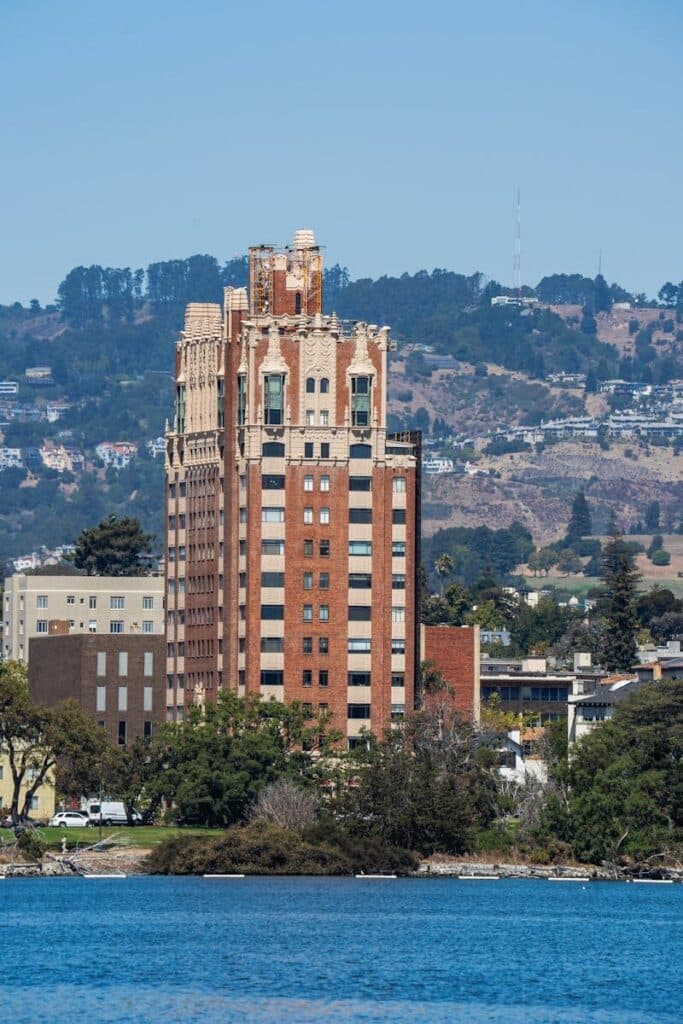
Find hotels, apartments, and last-minute stays across all 2026 World Cup host cities in North America.
4. Airbnb and VRBO — What Still Works and What to Watch
Short-term rental platforms still have supply in most host cities, particularly for entire-home or apartment listings in residential neighbourhoods away from the immediate stadium district. For groups of 3–6 people, a rented apartment or house can deliver better value per person than hotel rooms — particularly when a kitchen reduces food costs.
However, Airbnb and VRBO carry specific risks during major sporting events that are worth understanding before booking.
The primary risk: host cancellations. At previous World Cups and major sporting events, a documented pattern of hosts accepting bookings far in advance and then cancelling closer to the event — to relist at significantly higher prices — has caused problems for fans. Both platforms prohibit this practice and have penalty policies, but enforcement is inconsistent.
How to reduce cancellation risk:
- Book Superhosts only. Superhosts have met Airbnb's consistent performance criteria over multiple years and have more to lose from a cancellation
- Look for hosts with 50+ reviews and a recent review history. A host with 80 reviews and an active review timeline in the past 3 months is less likely to be acting opportunistically
- Prefer entire-home listings with longer track records over listings that appeared after the World Cup schedule was announced
- Read recent reviews specifically. Look for comments from guests who stayed during other major events in the city
Where Airbnb still makes strong sense:
- Groups of 4+ people where per-person cost beats hotels
- Stays of 7+ nights where kitchen savings compound
- Satellite city locations where supply is genuinely good
- Mexico host cities (Guadalajara, Mexico City, Monterrey) where rental culture is strong and prices remain reasonable

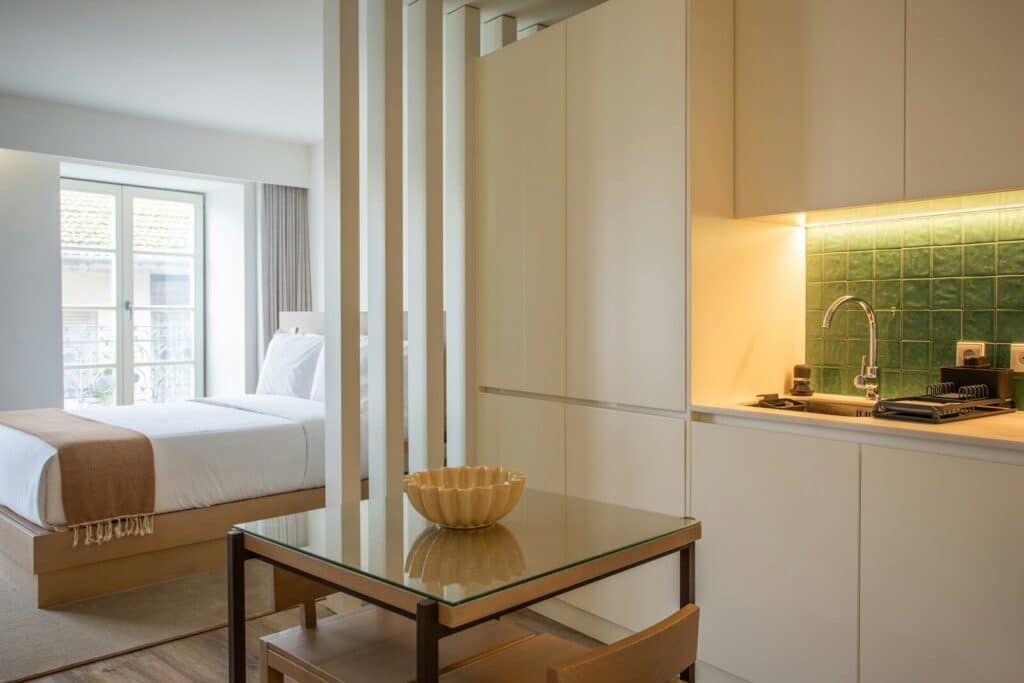
Find vacation rentals, family homes, and apartments across all 2026 World Cup host cities in North America.

5. Hostels — The Underused Option for Solo and Group Fans
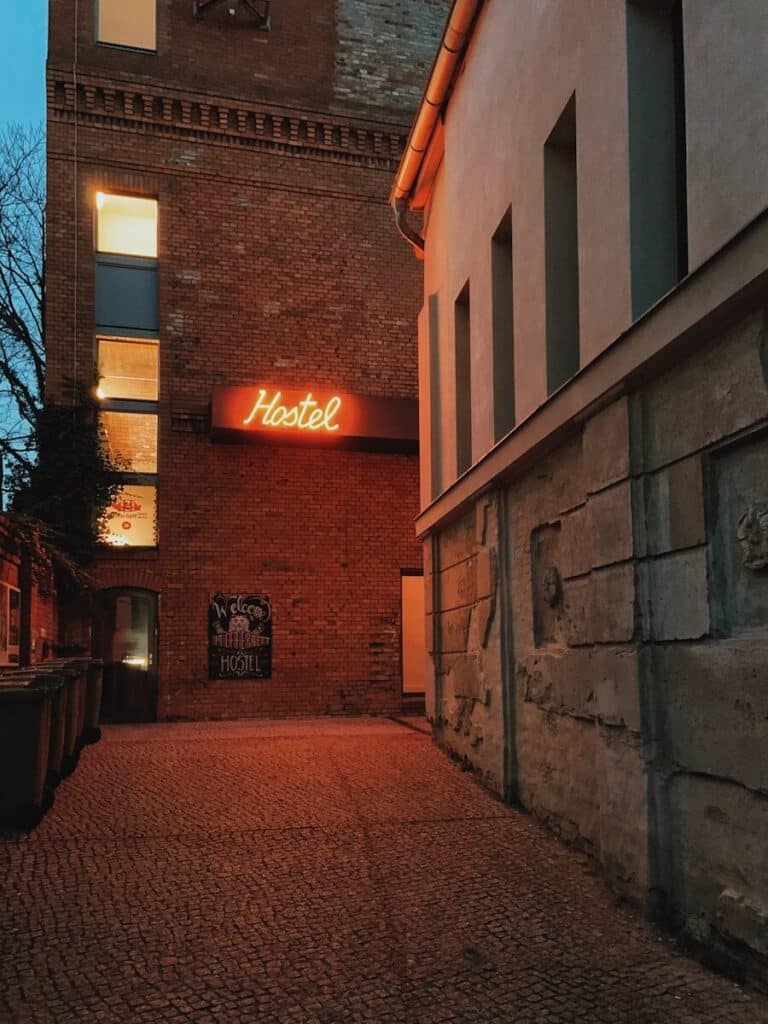
Hostels are the most underutilised accommodation option for World Cup fans — and for solo travellers in particular, they offer a combination of price, community, and social energy that hotels do not replicate.
Hostelworld lists hostel options in all 16 host cities. In most US host cities, hostels occupy a specific niche: they are cheaper than any hotel option, they were often not on the radar of corporate travel buyers who blocked hotel inventory early, and they attract exactly the kind of international football fan community that makes a World Cup trip memorable.
What to expect from a good hostel during the World Cup:
- Shared dormitory rooms (4–12 beds) at $40–90/night in most US cities
- Private hostel rooms (1–2 people) at $90–160/night — still significantly cheaper than comparable hotel rates
- Common areas that become natural fan watching zones on match days
- Staff who are often knowledgeable about the local match-watching scene, fan zones, and local transport
Good hostel options exist in: New York (multiple in Manhattan and Brooklyn), Los Angeles (Venice Beach, Hollywood), San Francisco (many in the Mission and Downtown), Miami (South Beach), Seattle. Canadian host cities Toronto and Vancouver have strong hostel cultures.
Important: Book hostels as early as possible — the same supply pressure applies. Quality hostels in host cities during the World Cup weeks are already filling. Hostelworld is the most comprehensive search platform for this category.

6. Loyalty Points — When Cash Rates Are Prohibitive
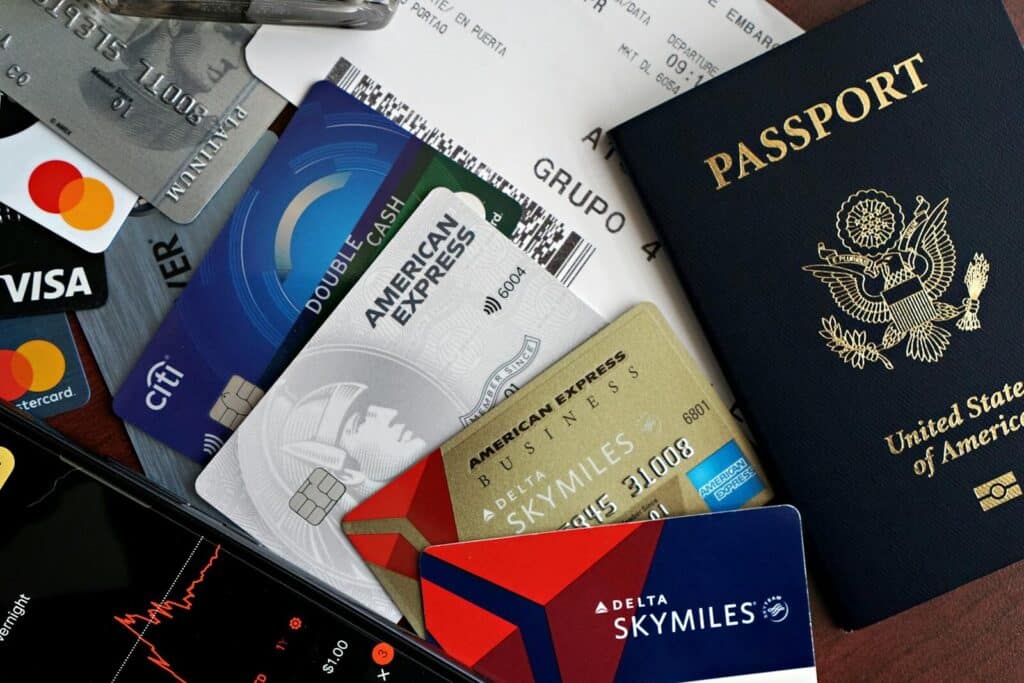
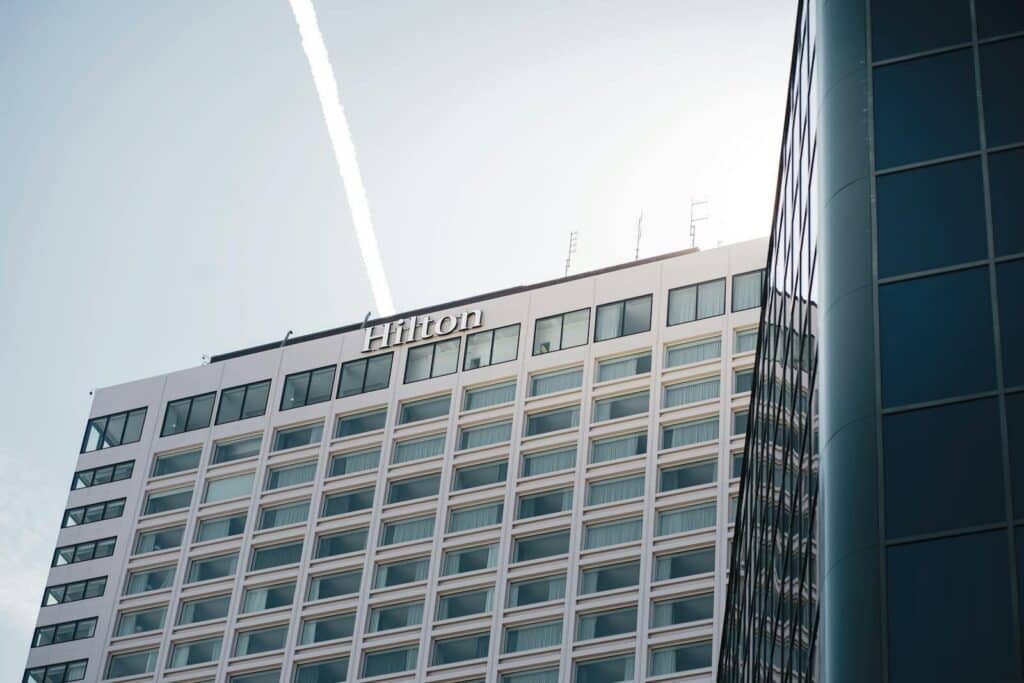
If you have accumulated points through Marriott Bonvoy, Hilton Honors, IHG One Rewards, World of Hyatt, or similar programmes, the World Cup window is one of the strongest use cases for a redemption.
Points redemptions are typically pegged to a property's category tier rather than to dynamic cash pricing. This means a hotel that normally costs $200/night and is listed at $550/night during match week may be available for the same points cost as always — the points rate does not automatically surge alongside the cash rate in the same proportion, particularly for standard rooms.
How to identify points availability:
- Log into your loyalty programme directly and search by city and date — points availability is not always visible through third-party platforms
- Use AwardMapper.com — a free tool that shows which hotels in a given area have award availability across multiple programmes simultaneously
- Set up alerts via programs like Award Hacker or Points.com if you are flexible on timing
The highest-value programmes for North America during the World Cup:
IHG One Rewards: Good mid-range portfolio across all host cities; extended-stay brands (Staybridge, Candlewood) particularly accessible on points
World of Hyatt: Historically the strongest value-per-point in North American urban markets; properties exist in most host cities
Marriott Bonvoy: Largest portfolio in North American cities; standard award availability at properties with normal occupancy; dynamic pricing applies to peak dates at some properties
7. The Free Cancellation Strategy
If you need to lock in accommodation now but are not confident it is the best available option, the free cancellation approach is the most practical hedge.
Most hotels on Booking.com, Expedia, and direct hotel websites offer a “Reserve Now, Pay Later” or “Free Cancellation” rate tier alongside prepaid options. The free cancellation rate is typically 10–20% higher than the non-refundable rate. For the World Cup, paying this premium is almost always worth it.
How to use the free cancellation strategy:
- Book the best currently available free-cancellation room in your target city or satellite location
- Set a calendar reminder to check availability every 2–4 weeks leading up to your travel date
- Watch for new inventory releases: hotels periodically release held corporate blocks that were not taken up; this typically happens 3–4 months before an event and again 4–6 weeks out
- If a better option appears — closer location, better price, better accommodation type — book it with free cancellation first, then cancel the original
- Do not cancel the original booking until the new one is confirmed in writing
This approach costs marginally more per night than a prepaid rate, but protects you from losing money if your team is eliminated and travel plans change — a very real scenario in a 48-team tournament where group stage exits are frequent.
8. Mexico and Canada Host Cities — The Underpriced Alternative
The three North American countries hosting the World Cup 2026 have dramatically different accommodation cost profiles. If you are not fixed on attending a match in a specific US city, booking accommodation in a Canadian or Mexican host city may solve the problem entirely.
Mexico host cities: Guadalajara, Mexico City, and Monterrey all host group stage matches and knockout rounds. Accommodation prices in Mexican host cities are a fraction of US equivalents — a hotel in Guadalajara during a match week is priced at the equivalent of $8-160/night for a well-located mid-range property, versus $400-800+ for comparable quality in New York or San Francisco. Mexico City and Guadalajara in particular are exceptional destinations beyond the football.
Canada host cities: Toronto and Vancouver are more expensive than Mexican cities but generally more affordable than major US host cities, particularly outside the core downtown hotel districts. Suburban accommodation in Surrey or Burnaby for Vancouver, or in Mississauga or Etobicoke for Toronto, remains available at reasonable prices with transit connections.
For fans who are flexible on host country, the match schedule includes qualifying team fixtures spread across all three countries. Following a national team through Mexico and Canada produces a significantly more affordable trip than the same itinerary based in US cities — and in many cases a more culturally interesting one.
➡ How to Plan a Last-Minute World Cup Trip
➡ World Cup 2026 Travel Tips Nobody Tells You


What No Longer Works
To complete the picture honestly: some strategies that worked at previous tournaments do not apply in the same way to the 2026 World Cup.
Waiting for last-minute drops: Hotel prices do not typically fall in the final weeks before a World Cup match in the host city. The pattern at Qatar 2022 and Russia 2018 was the opposite — prices rose toward the event and the last-minute supply was thin and overpriced. The scale of 2026 (16 cities, 104 matches, 48 teams) makes certain cities — particularly those with capacity constraints like Vancouver and Kansas City — even less likely to see last-minute price normalisation.
Walk-up bookings: Arriving in a host city during a match week without a confirmed booking is a genuine risk. Unlike a normal tourist destination, hotels in match-week host cities may be at 95%+ occupancy. Do not rely on walk-up or same-day booking in any of the 16 cities during scheduled match days.
“Near the stadium” proximity as a primary filter: Properties in the immediate stadium district are the first to sell out and carry the highest prices. The better strategy — satellite city with transit — produces more options at every price point.
Frequently Asked Questions
Are there genuinely still hotel rooms available for the World Cup 2026?
Yes, but the picture is uneven across cities. Cities with large hotel supplies (Dallas, Houston, Los Angeles) still have availability at various price points in the city and in nearby suburbs. Cities with limited supply (Vancouver, Kansas City) have very little prime availability left at any price. The strategies that work: specialist platforms like Crewfare, extended-stay brands, satellite city locations, and loyalty points redemptions. Standard hotel searches on Booking.com may show empty results in the prime areas, but inventory exists through other channels.
How much more expensive are World Cup hotels versus normal rates?
Research across host cities shows average price increases of 200–300% versus comparable dates in previous years. A hotel that normally costs $150/night during June maybe listed at $450-600/night during World Cup match weeks. Arlington (Dallas), downtown Kansas City, and Vancouver downtown are the most extreme cases. Mexico host cities and Canadian suburbs remain significantly more affordable.
Is Airbnb safe to use for World Cup accommodation?
It can be — with precautions. The documented risk at major sporting events is hosts accepting bookings and then cancelling to relist at higher prices. Use Superhosts with long review histories, read recent reviews carefully, and avoid listings that appeared after the World Cup schedule was announced. For groups of 4+ people sharing an entire apartment or house, Airbnb can still deliver competitive per-person pricing versus hotels.
Can I use hotel points to book World Cup accommodation?
Yes, and this is one of the strongest use cases for loyalty point redemptions. Points rates do not always surge in proportion to cash rates during peak events. World of Hyatt, Marriott Bonvoy, and IHG One Rewards all have properties in every host city. Check availability directly through your loyalty programme — points availability is not always visible through third-party platforms. AwardMapper.com is a useful free tool for comparing award availability across programmes.
What is the free cancellation strategy and how do I use it?
Book the best currently available room with free cancellation, then continue searching for better options as the tournament approaches. Hotels periodically release held corporate blocks that were not taken up — new inventory typically appears 3–4 months before an event and again 4–6 weeks out. When better availability appears, book it with free cancellation first, then cancel the original. This approach keeps you in the game without locking in a poor option.
Which host city has the best last-minute accommodation situation?
Among the US host cities, Houston, Los Angeles, and Dallas have the largest overall hotel supplies and the most realistic last-minute options — particularly in suburban and satellite locations. Miami and Seattle also have workable availability. Among all 16 host cities, Guadalajara is consistently identified as the most affordable and most available option for fans who are flexible on location.
Final Thoughts
The last-minute accommodation picture for the World Cup 2026 is not hopeless — but it requires a different approach than standard hotel searching. The options that still work are real: specialist platforms with pre-contracted inventory, extended-stay hotels that have been overlooked, satellite city locations connected by transit, loyalty points redemptions, and Mexico and Canada host cities that never had the same supply constraints as the US venues.
The strategies that no longer work are equally worth knowing: waiting for price drops, relying on walk-up booking, and searching only in the immediate stadium zone. The fans who find workable accommodation from here are the ones willing to widen the geographic radius, think about accommodation type rather than just hotel category, and use the channels where inventory actually exists.
➡ Where to Stay if Everything Is Fully Booked (Smart Alternatives)
➡ How to Plan a Last-Minute World Cup Trip
➡ World Cup 2026 Travel Tips Nobody Tells You
Add your first comment to this post