


Southeast Asia is one of the world's most rewarding travel destinations. From the limestone karsts of Vietnam to the turquoise waters of Thailand, from the colonial charm of Indonesia to the mountain trekking of Laos, the region offers something for every type of traveller. But it is also famous for the travel stories that go wrong & lost passports, stolen bags, visa nightmares, and cultural faux pas.
We have heard the travel stories from both first-timers and repeat visitors. The difference between a magical trip and a frustrating one often comes down to what you avoid doing while you are there. This guide breaks down the most common mistakes that ruin Southeast Asia trips and how to avoid them.
In a Rush?
Top Hotels in Southeast Asia
- ⭐⭐⭐ Hotels in Bangkok, Thailand – Check prices and availability
- ⭐⭐ Hotels in Hoi An, Vietnam – Check prices and availability
- ⭐ Hotels in Ubud, Bali – Check prices and availability
Before you book anything, watch out for these mistakes travelling southeast asia that catch first-timers off guard.
At a Glance: Mistakes Travelling Southeast Asia
| Category | Common Mistake | The Reality | How to Avoid It |
|---|---|---|---|
| Visas | Arriving without proper documentation | Denied entry, detained | Check visa requirements 60+ days in advance |
| Currency | Using ATMs on the street | Skimmed cards, fake receipts | Use bank ATMs only, keep receipts |
| Tipping | Expecting to tip everywhere | Small service charges built in | Learn local tipping customs |
| Water | Drinking tap water anywhere | Dangerous bacteria, serious illness | Buy bottled water, use purification tablets |
| Transport | Taking random taxis | Overpriced, unsafe | Use ride apps, agree on fare |
| Food | Eating street food anywhere | Food safety varies by location | Eat where locals eat, avoid raw food |
| Pacing | Rushing too many countries | No time to relax | Pick 2-3 countries, not 6 |
| Culture | Dressing inappropriately | Cultural offence | Respect local dress codes |
| Social Media | Posting risky spots | Personal safety risk | Don't share exact locations |
| Budget | Underestimating costs | Hidden fees, expensive traps | Budget 30% more than expected |
Visa Mistakes: The Biggest Travel Nightmares
We have seen too many travellers arrive in Southeast Asia only to be stopped at the border, not just turned away, but detained and forced to book a flight home. This is often the single biggest mistake that can ruin an entire trip.
The Common Error
Many travellers assume that “Southeast Asia” is one visa jurisdiction. It is not. The region includes ten countries, each with its own visa policy. Vietnam, Thailand, Indonesia, and the Philippines have very different requirements, and they change frequently.
What to Do Instead
- Check visa requirements 60+ days before departure: Most travellers should apply for visas before they leave their home country. Some countries offer visa-on-arrival, but this requires proper documentation.
- Keep digital and physical copies: Store your passport scan and visa approval online, and carry a physical copy in your carry-on bag.
- Know your visa type: Tourist visas are not the same as business or transit visas. Don't use a tourist visa to work or stay longer than authorized.
- Enter through major airports: If your country offers visa-on-arrival, use the major international airport. Smaller airports may not offer this service.
Regional Variations
| Country | Typical Requirement |
|---|---|
| Thailand | Visa exemption for many nationalities (60-90 days) |
| Vietnam | Visa-on-arrival or e-visa (3 months) |
| Indonesia | Visa exemption for many nationalities (30 days) |
| Philippines | Visa exemption for many nationalities (30 days) |
| Malaysia | Visa exemption for many nationalities (90 days) |
| Cambodia | Visa-on-arrival or e-visa (60 days) |
| Laos | Visa-on-arrival or e-visa (60 days) |
Currency Mistakes: Financial Scams That Leave You Empty-Handed

Southeast Asia uses different currencies in different countries. Thailand uses the baht, Vietnam uses the dong, Indonesia uses the rupiah, and the Philippines uses the peso. Each currency has its own exchange rate, and each country has its own black market.
The Common Error
Many travellers use ATMs on the street, accept cash from street vendors, or exchange money at unofficial kiosks. They assume the exchange rate is fair, but it is not. Street ATMs charge high fees, and the money you receive may be counterfeit.
What to Do Instead
- Use only bank ATMs: Find ATMs inside banks, not on the street. Bank ATMs charge lower fees and give you verified currency.
- Get a receipt: Always ask for a cash receipt from ATM withdrawals. This is your proof of transaction.
- Withdraw in local currency: Don't use US dollars to get local currency. The exchange rate will be terrible.
- Keep small bills: Large bills are harder to spend on the street. Use ATMs to get smaller denominations.
- Use credit cards for big purchases: Hotels and restaurants often accept cards. Pay with cards for expensive purchases, cash for small items.
Country-Specific Tips
| Country | Currency | Best ATM Banks |
|---|---|---|
| Thailand | Baht | Bangkok Bank, SCB |
| Vietnam | Dong | Vietcombank, BIDV |
| Indonesia | Rupiah | Bank Mandiri, BNI |
| Philippines | Peso | BDO, BPI |
Tipping Mistakes: Cultural Insults That Make You Look Uneducated

Southeast Asia has different tipping cultures, and assuming that tipping is universal leads to awkward situations. In some countries, tipping is expected. In others, it is offensive. In still others, there is a built-in service charge.
The Common Error
Many travellers arrive expecting to tip everywhere â hotels, restaurants, drivers, guides â and leave tips that feel excessive in some places and insulting in others.
What to Do Instead
- Thailand: Tipping is optional. Small tips (50-100 baht) for good service are appreciated.
- Vietnam: Tipping is not expected. Some restaurants add a 10% service charge.
- Indonesia: Tipping is appreciated but not expected. Small tips for guides are common.
- Philippines: Tipping is optional. Small tips for good service are nice.
- Cambodia: Tipping is not expected. Small tips for guides are appreciated.
- Laos: Tipping is not expected. Small tips for guides are appreciated.
The Reality
Most Southeast Asian services are not staffed with people who rely on tips for their income. They are paid regular salaries. Tipping is a gesture of appreciation, not a requirement.

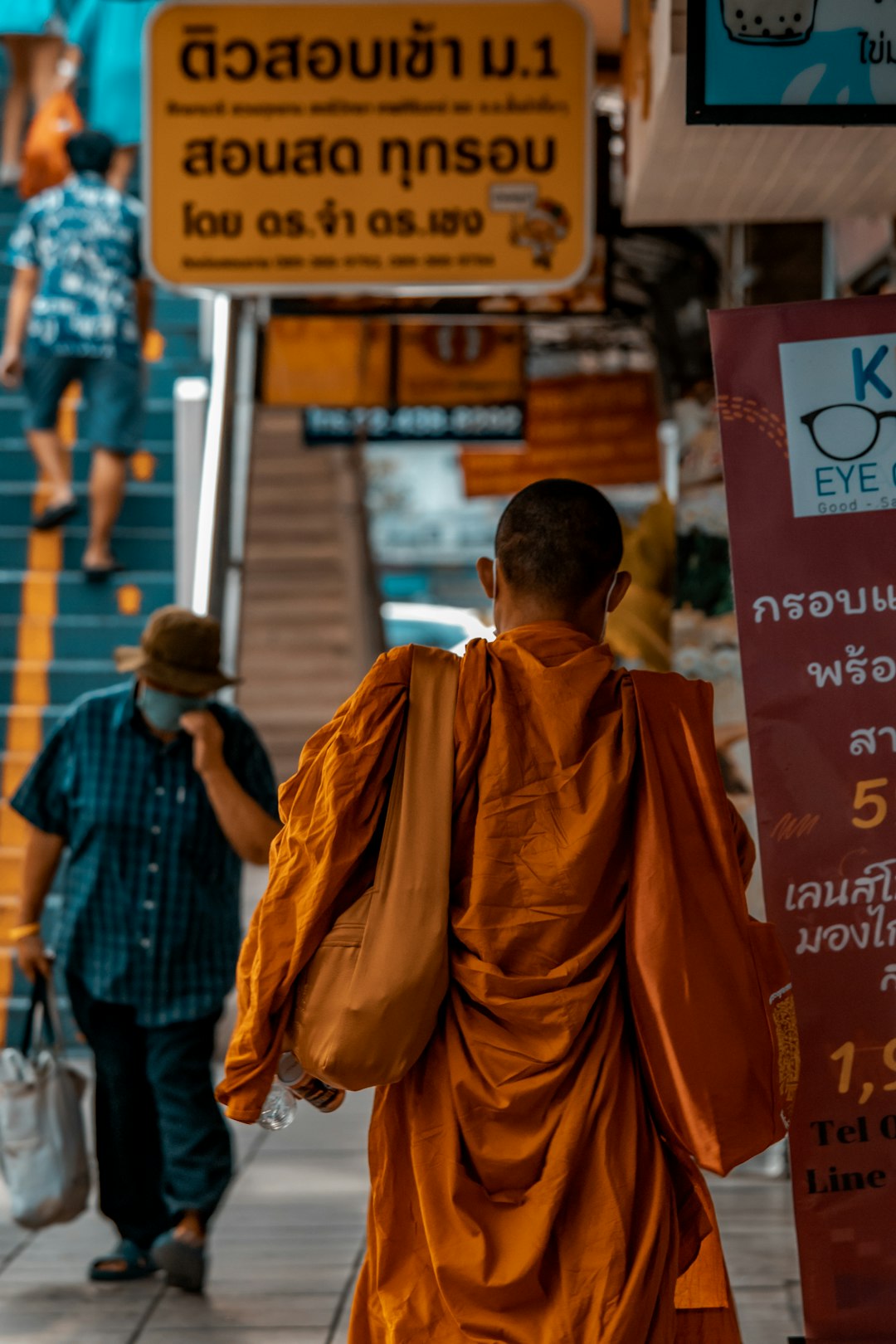
Water Mistakes: Illness That Ruins Your Trip
We have seen travellers spend weeks in Southeast Asia, only to spend their final days in a medical clinic because they drank tap water. Food poisoning from unsafe water can last for days and ruin your entire trip.
The Common Error
Many travellers drink tap water, use tap water to brush their teeth, drink ice in restaurants, or consume raw vegetables washed in tap water. They think they are being adventurous, but it is the fastest way to get sick.
What to Do Instead
- Drink bottled water: Buy sealed bottled water from shops, not from street vendors.
- Use bottled water for brushing teeth: This is a simple step that prevents illness.
- Avoid ice in drinks: Most restaurants use tap water for ice. Ask if the ice is made from purified water.
- Eat cooked food: Food that is cooked and served hot is generally safe. Avoid raw food.
- Use water purification tablets: Many shops sell tablets that can be used to treat water.
- Use a portable filter: Small filters can remove bacteria from tap water.
Food Safety Tips
| Food Item | Safe? | Why/Why Not |
|---|---|---|
| Cooked rice noodles | Safe | Cooked and served hot |
| Spring rolls (raw) | Unsafe | Raw vegetables washed in tap water |
| Beef bowls | Safe | Cooked meat, hot broth |
| Street fruit | Usually safe | Washed and peeled on the spot |
| Cold salads | Unsafe | May contain raw vegetables |
| Ice tea | Variable | Ask if ice is safe |
Transport Mistakes: Getting Stuck in Expensive Situations

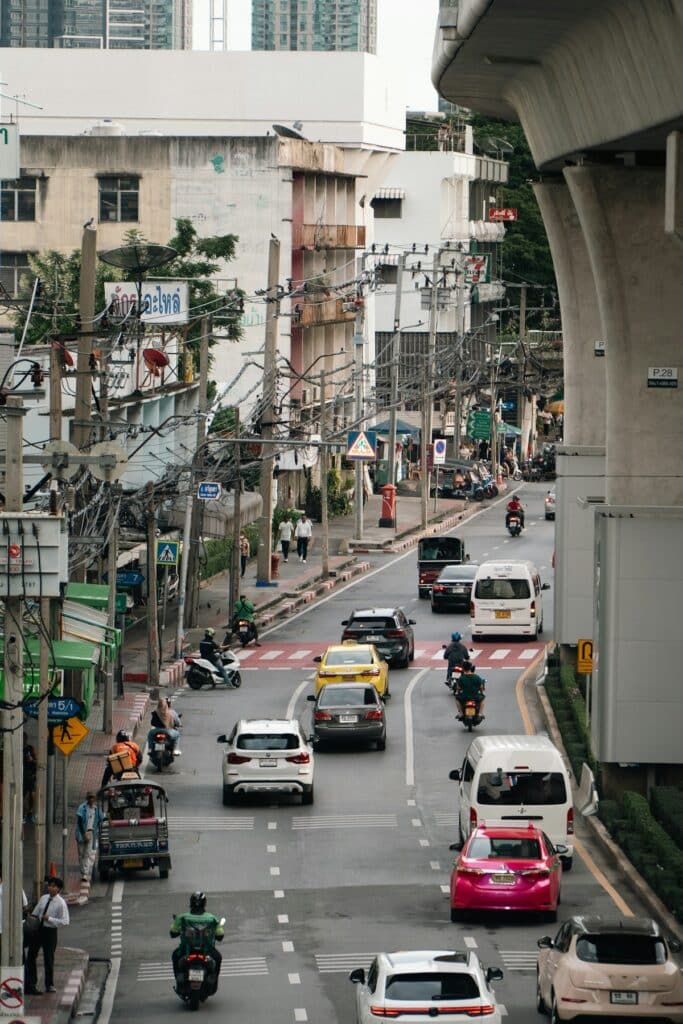
Southeast Asia's transport network is extensive, but it is also prone to scams. From overpriced taxis to unsafe ride apps, from unlicensed buses to long-distance scams, transport is where many travellers go wrong.
The Common Error
Many travellers accept random taxis, use ride apps in countries without proper regulation, take unlicensed buses, or book long-distance transport without checking.
What to Do Instead
- Use ride apps: Grab (Thailand, Indonesia, Malaysia, Philippines), Gojek (Indonesia, Vietnam), Uber (Thailand, Vietnam). These apps provide fixed fares and driver ratings.
- Agree on taxi fares: For street taxi fares, agree on the price before you start the ride. This avoids disputes later.
- Use official bus companies: For long-distance travel, use official bus companies. Avoid unlicensed operators.
- Check bus terminals: Long-distance buses operate from official terminals, not random stops.
- Avoid night rides: Ride at night in unfamiliar areas. It is dangerous.
Country-Specific Transport Tips
| Country | Ride App | Long-Distance Transport |
|---|---|---|
| Thailand | Grab, Uber | Royal Bus Company, Bangkok Bus Terminal |
| Vietnam | Grab, Gojek | Red Dragon Bus, Mekong Bus |
| Indonesia | Grab, Gojek | FeliX, Anteraja |
| Philippines | Grab, Indrive | Greyhound, National Express |
Food Mistakes: Eating Your Way Sick
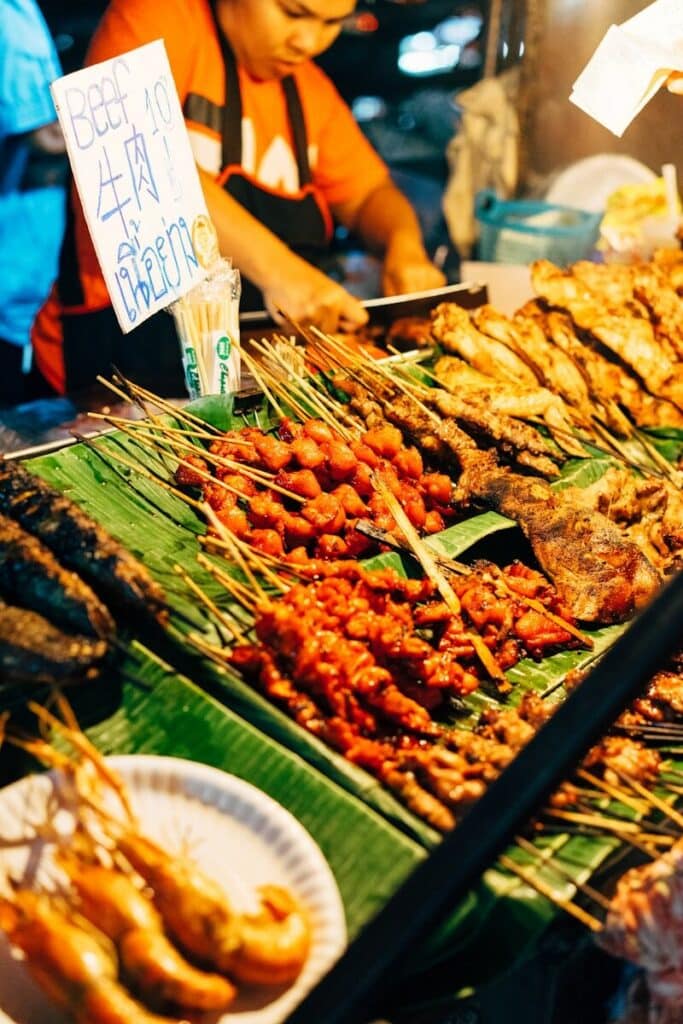
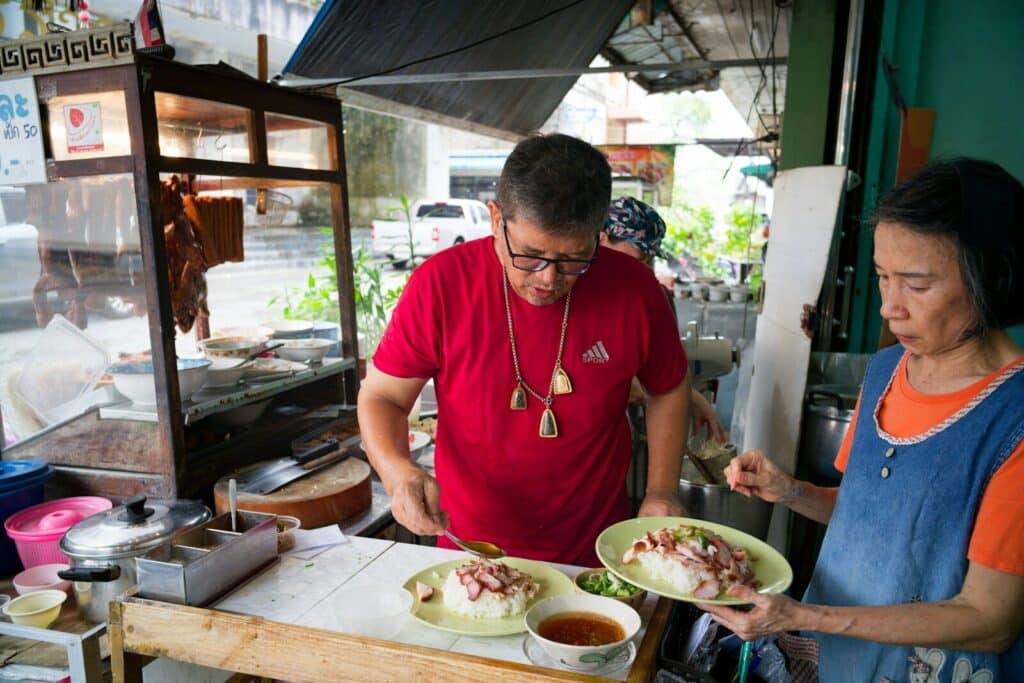
Southeast Asia's food scene is legendary. But it is also notorious for food safety issues. Street food is delicious in many places, but not all.
The Common Error
Many travellers eat street food everywhere, drink from public cups, or consume raw food without proper preparation.
What to Do Instead
- Eat where locals eat: Street food is generally safe in popular areas. Avoid places where locals avoid.
- Avoid raw food: Raw vegetables, uncooked meat, and undercooked fish are risky.
- Drink bottled water: Use bottled water for drinks and brushing teeth.
- Eat hot food: Food that is cooked and served hot is generally safe.
- Ask about food preparation: In restaurants, ask if the food was cooked recently and if ice is safe.
Food Safety by Country
| Country | Street Food Safety | Best Areas |
|---|---|---|
| Thailand | Very safe | Bangkok, Chiang Mai |
| Vietnam | Safe | Hanoi, Ho Chi Minh City |
| Indonesia | Safe | Jakarta, Bali |
| Philippines | Safe | Manila, Cebu |
| Cambodia | Safe | Phnom Penh |
| Laos | Safe | Vientiane |
Pacing Mistakes: Rushing Too Many Countries
Southeast Asia is large, and trying to visit too many countries in a short time leads to travel fatigue. Many travellers spend 2 weeks in 6 countries, rushing from one airport to another. They regret it months later.
The Common Error
Many travellers pack too many countries into their itinerary. They book flights between airports in different countries, spending 24 hours in transit. They burn out before they even start exploring.
What to Do Instead
- Pick 2-3 countries: A 2-week trip to 2-3 countries is more rewarding than 6 countries.
- Stay in one country: Spend 10-14 days in one country before flying out.
- Don't rush: Take your time in each country. Explore thoroughly before moving on.
- Use regional flights: Consider flights between countries in the same region.
Recommended Itineraries
| Trip Length | Countries | Focus |
|---|---|---|
| 7-10 days | 1 country | Deep dive |
| 10-14 days | 2 countries | Regional |
| 14-21 days | 2-3 countries | Extended |
| 21+ days | 3-4 countries | Comprehensive |
Cultural Mistakes: Offending Local Customs
Southeast Asia is a region of diverse cultures. Each country has its own customs, dress codes, and social norms. Assuming that one culture applies everywhere leads to awkward situations.
The Common Error
Many travellers dress inappropriately, photograph people without permission, or violate local taboos. They think they are being respectful, but their actions may cause offence.
What to Do Instead
- Dress modestly: In religious sites and conservative areas, cover shoulders and knees.
- Ask before photographing: Always ask for permission before taking photos of people.
- Respect religious sites: Don't enter temples in inappropriate attire. Don't touch religious objects.
- Learn basic phrases: A few words in the local language go a long way.
- Understand taboos: Some countries have specific taboos (e.g., the crocodile in Thailand).
Dress Code by Location
| Location | Appropriate Attire |
|---|---|
| Temples | Shoulders and knees covered |
| Beach resorts | Swimwear on beach, cover-ups elsewhere |
| Urban areas | Casual, respectful clothing |
| Religious sites | Modest clothing |
| Rural areas | Long pants, long sleeves |
Social Media Mistakes: Sharing Your Location
Southeast Asia is beautiful, and many travellers want to share their experiences on social media. But sharing exact locations can compromise your safety.
The Common Error
Many travellers post exact photos with GPS coordinates, post their current location in real time, or share detailed itineraries. This information appears on social media for weeks, making them vulnerable to theft.
What to Do Instead
- Don't post exact locations: Remove GPS coordinates from photos before posting.
- Wait before posting: Don't post about your location until you are in a safe place.
- Share general areas: Post “Chiang Mai” not “Chiang Mai, 123 Road X”.
- Remove personal details: Don't post your hotel name, phone number, or exact address.
- Use privacy settings: Set social media posts to friends-only during your trip.
Budget Mistakes: Underestimating Costs
Southeast Asia is generally affordable, but budgeting incorrectly leads to financial stress. Many travellers underestimate the cost of accommodation, transport, and food.
The Common Error
Many travellers budget for backpacking when they are actually mid-range travellers. They expect to find $10 hostels and $20 meals, but these options are scarce.
What to Do Instead
- Budget correctly: Mid-range travellers should budget $30-50/day. Budget travellers should budget $15-25/day.
- Include visa costs: Don't forget visa fees in your budget.
- Include airfare: Long-distance flights are expensive. Budget for them separately.
- Factor in medical costs: Travel insurance is essential. Medical care is expensive in many countries.
- Save for emergencies: Keep 10-20% of your budget for unexpected expenses.
Cost Estimates (Per Person, Per Day)
| Activity | Budget | Mid-Range | Luxury |
|---|---|---|---|
| Accommodation | $10-20 | $25-45 | $60-100+ |
| Food | $5-10 | $10-15 | $20-30 |
| Transport | $3-10 | $10-20 | $30-50 |
| Activities | $5-15 | $15-30 | $50-100 |
| Total | $23-45 | $60-105 | $160-280+ |
Frequently Asked Questions
What countries in Southeast Asia have the best visa policies?
Many nationalities get visa exemptions for 30-90 days, but requirements change frequently. Always check your country's official immigration website 60+ days before departure. Thailand, Malaysia, and Indonesia typically offer the most generous exemptions.
Is street food safe to eat in Southeast Asia?
Yes, street food in popular tourist areas is generally safe in Thailand, Vietnam, Indonesia, and the Philippines. Eat where locals eat, avoid raw food, and drink bottled water.
How do I avoid getting sick from water?
Drink only sealed bottled water from shops, never from street vendors. Use bottled water for brushing your teeth. Ask restaurants if their ice is made from purified water.
Which countries in Southeast Asia are cheapest?
Laos and Cambodia are the cheapest, followed by Vietnam and Thailand. Indonesia is mid-range. Philippines is slightly more expensive but still affordable.
What is the best country to start with for a first-time visitor?
Thailand is our recommendation. It has excellent infrastructure, English is widely spoken, food is delicious and safe, and there are many resources for first-time visitors.
Do I need travel insurance for Southeast Asia?
Yes, absolutely. Medical care is expensive and limited outside major cities. We recommend policies that cover medical evacuation and include trip cancellation.
Can I use my credit card in Southeast Asia?
Most hotels and restaurants accept cards, but cash is king for street food, transport, and small shops. Get local currency from bank ATMs and keep receipts.
What is the best time to visit Southeast Asia?
Each country has different monsoon seasons. December-February is generally the driest across most countries, but shoulder seasons (March-May, September-November) offer the best balance of weather and prices.
How many countries should I visit in one trip?
We recommend 2-3 countries for a 2-week trip. The region is large, and rushing leads to travel fatigue. Deep dive into fewer countries than try to visit many.
Final Thoughts
Southeast Asia is one of the most rewarding travel destinations in the world. But it also has many pitfalls. The mistakes we have covered are common, but they are avoidable with proper preparation and awareness.
We believe the key to a successful Southeast Asia trip is preparation. Check visa requirements, research transport options, learn about local customs, and budget correctly. If you do these things, you will have a trip that is rewarding, memorable, and safe.
We recommend starting with one country like Thailand, Vietnam, or Indonesia and exploring thoroughly before moving on. This approach allows you to experience the depth of each country without rushing.
Related Blog
Where to Go in Southeast Asia in Summer: Best Destinations by Month
Other Destination Guide in Asia
How to Get Internet in Thailand: SIM Cards, eSIM, and WiFi Explained (2026)
eSIM Indonesia 2026: Is an eSIM Worth It in Indonesia? Complete Traveller's Guide 2026
Best Way to Get Mobile Data in Japan: eSIM, Pocket WiFi & SIM Cards Compared (2026)
How to Avoid Roaming Charges in Vietnam: Your Complete Data Guide (2026)
SIM Card or eSIM in Sri Lanka: Which Should You Choose? (2026)
Do You Need a SIM Card in Japan? Your Data Options Explained (2026)
Add your first comment to this post