


In a Rush?
Top Hotels in Japan
- ⭐⭐⭐ Park Hyatt Tokyo – Check prices and availability
- ⭐⭐ The Ritz-Carlton Kyoto – Check prices and availability
- ⭐ Aman Tokyo – Check prices and availability
Figuring out the best time to visit japan comes down to what you want from your trip.
Japan has four distinct seasons, and each one offers something completely different. The best time to visit depends entirely on what you want to do — see cherry blossoms, ski powder snow, hike through autumn colours, or escape the crowds.
We think the real answer to “when should I visit Japan?” starts with a question back at you: where are you going? Japan stretches from Hokkaido's subarctic north to Okinawa's subtropical south, so “summer” in Tokyo is very different from “summer” in Sapporo. We've put together this month-by-month guide with the weather data, crowd levels, and seasonal highlights so you can decide for yourself.
At a Glance
Here's a quick overview to help you find the best time to visit japan for your specific trip.
| Season | Months | Best For | Crowds | Budget |
|---|---|---|---|---|
| Cherry Blossom | Late Mar-Apr | Sakura, culture, mild weather | Peak | Most expensive |
| Golden Week | Late Apr-Early May | Festivals | Peak (book early) | Most expensive |
| Summer | Jun-Aug | Festivals, hiking, Okinawa | High (Jul-Aug) | Moderate |
| Autumn | Oct-Nov | Fall colours, hiking, mild weather | Peak | Expensive |
| Winter | Dec-Feb | Skiing, snow festivals, onsens | Moderate | Affordable (except holidays) |
| Low Season | Jan-Feb, Jun, Sep | Budget travel, fewer crowds | Low | Cheapest |
Regional Climate Differences
Japan's climate varies significantly from north to south:
| Region | Summer | Winter | Best Time |
|---|---|---|---|
| Hokkaido | Cool, pleasant | Cold, heavy snow | Jun-Aug (summer), Jan-Feb (ski) |
| Tokyo / Kanto | Hot, humid | Cool, dry | Mar-Apr, Oct-Nov |
| Kyoto / Kansai | Hot, humid | Cold, dry | Mar-Apr, Oct-Nov |
| Hokuriku | Hot, humid | Heavy snow | Mar-Apr, Oct-Nov |
| Kyushu | Hot, humid | Mild | Mar-Apr, Oct-Nov |
| Okinawa | Hot, rainy season Jun | Mild, pleasant | Oct-Feb |
The key takeaway: if you're visiting Tokyo and Kyoto, spring and autumn are your best bets. If you're heading to Hokkaido for skiing, winter is the only option. If Okinawa is on your list, aim for autumn or winter.
Month-by-Month Breakdown
January

- Weather: Tokyo 5°C, Sapporo -3°C, Osaka 6°C, Okinawa 17°C
- Rainfall: Low. Dry and clear.
- Crowds: Low (except around New Year)
- Cost: Affordable (except Dec 29-Jan 3)
- Highlights: Sapporo Snow Festival (early Feb), onsens in Hakone, ski season
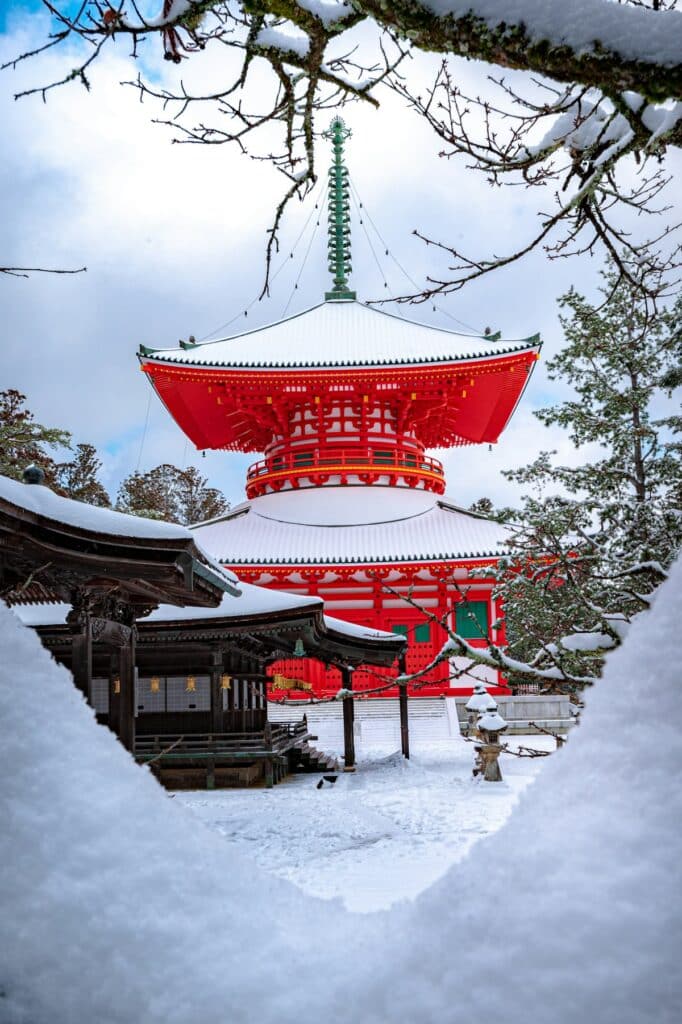
January is cold but offers clear skies and the lowest crowds of the year. We think this is the best month for budget-conscious travellers who want to experience winter Japan without the holiday crowds. The Sapporo Snow Festival starts in late January/early February and is a must-see.
Best for: Skiing, onsens, budget travel, winter photography
Avoid if: You dislike cold weather or short daylight hours
February

- Weather: Tokyo 6°C, Sapporo -2°C, Osaka 7°C, Okinawa 17°C
- Rainfall: Low. One of the driest months.
- Crowds: Low-Medium
- Cost: Affordable
- Highlights: Sapporo Snow Festival (first week), early plum blossoms, ski season peak
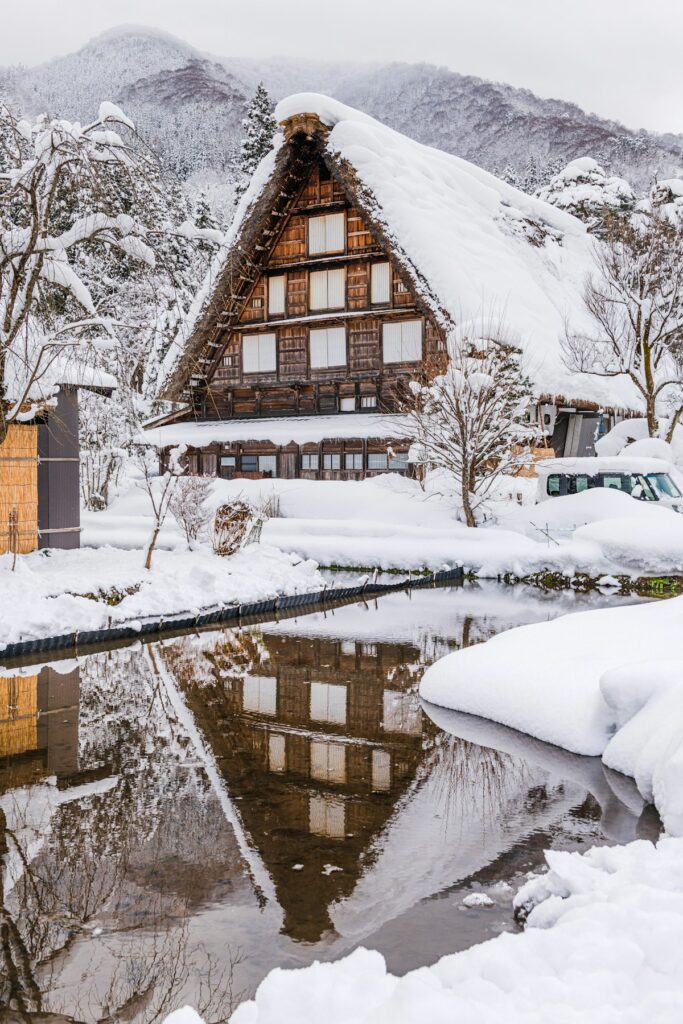
February is still winter, but the Sapporo Snow Festival draws crowds to Hokkaido. Elsewhere in Japan, it's quiet and affordable. Plum blossoms start appearing in Kyoto and Tokyo toward the end of the month — a quieter alternative to cherry blossom season.
Best for: Skiing (peak powder season), onsens, budget travel
Avoid if: You want warm weather or cherry blossoms
March
- Weather: Tokyo 10°C, Sapporo 2°C, Osaka 10°C, Okinawa 19°C
- Rainfall: Moderate. Increasing toward the end of the month.
- Crowds: Medium (increasing as cherry blossoms approach)
- Cost: Moderate
- Highlights: Cherry blossoms in Tokyo (late Mar), Hina Matsuri (Girl's Day, Mar 3)
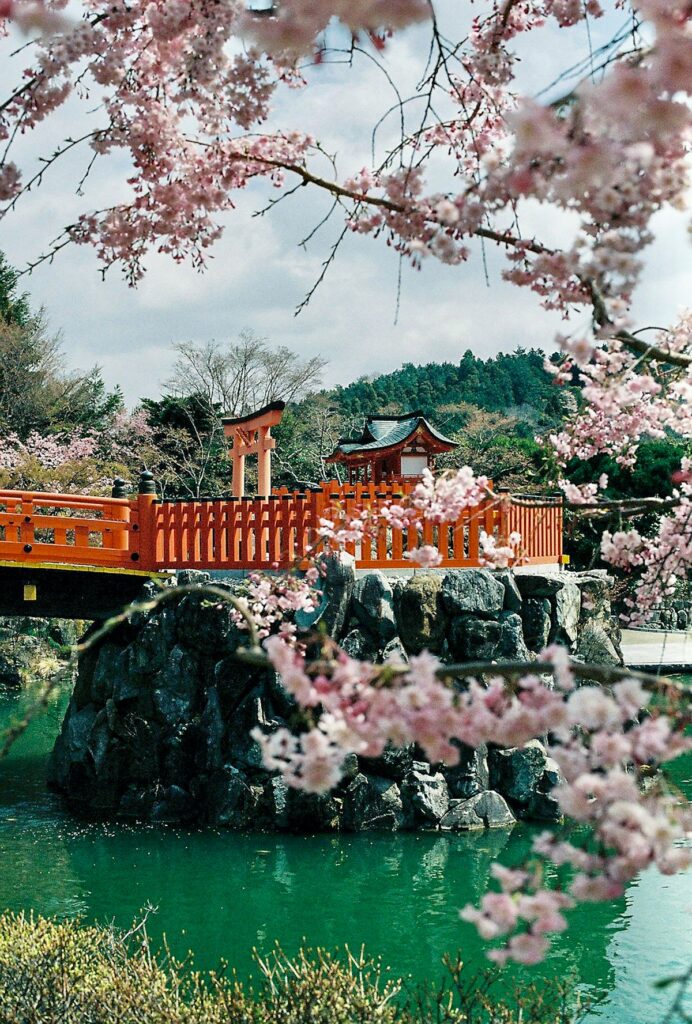
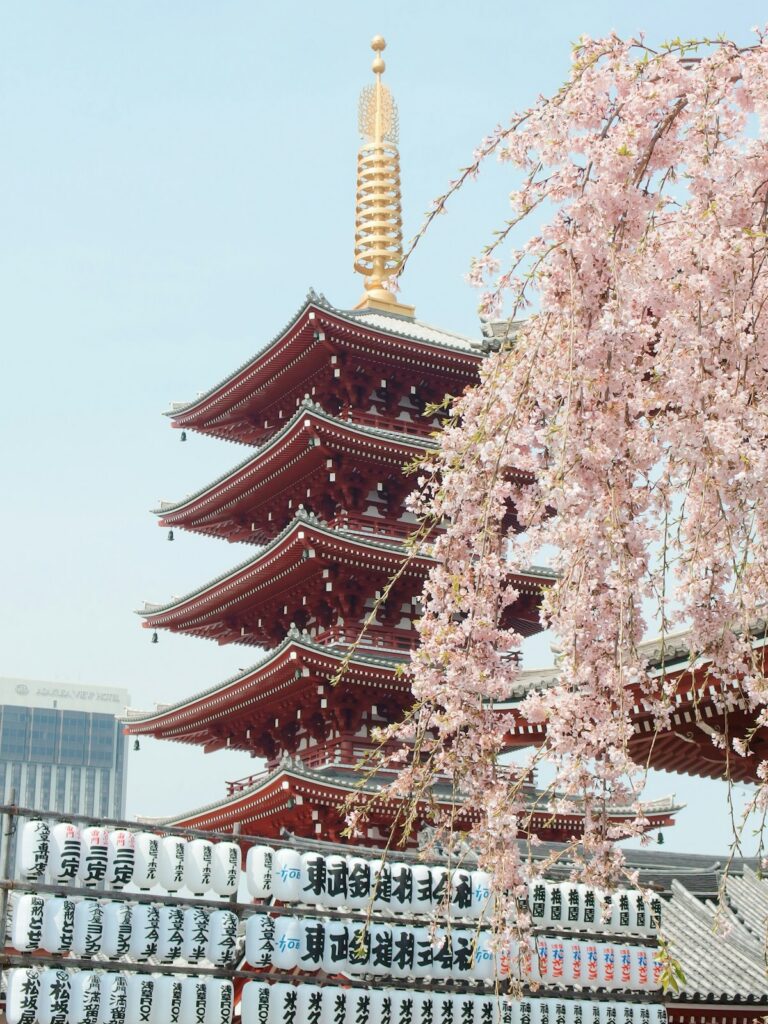
March is a transition month. Early March is still quiet and cool, but by late March, Tokyo's cherry blossoms start blooming and the crowds arrive. We recommend visiting during the last week of March for the start of sakura season in Tokyo.
Best for: Cherry blossoms (late Mar), mild weather starting
Avoid if: You want guaranteed cherry blossoms (aim for early April instead)
April

- Weather: Tokyo 16°C, Sapporo 8°C, Osaka 16°C, Okinawa 21°C
- Rainfall: Moderate
- Crowds: Peak
- Cost: Most expensive. Hotels 2-3x normal rates.
- Highlights: Cherry blossoms peak (first week), Kyoto at its best, Takayama Spring Festival
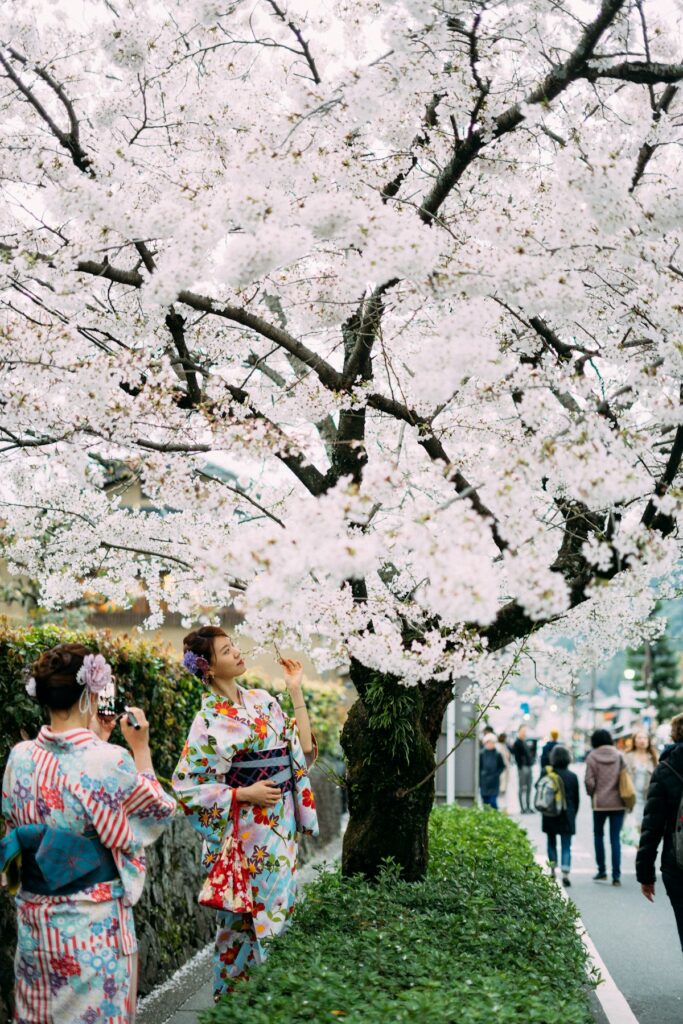
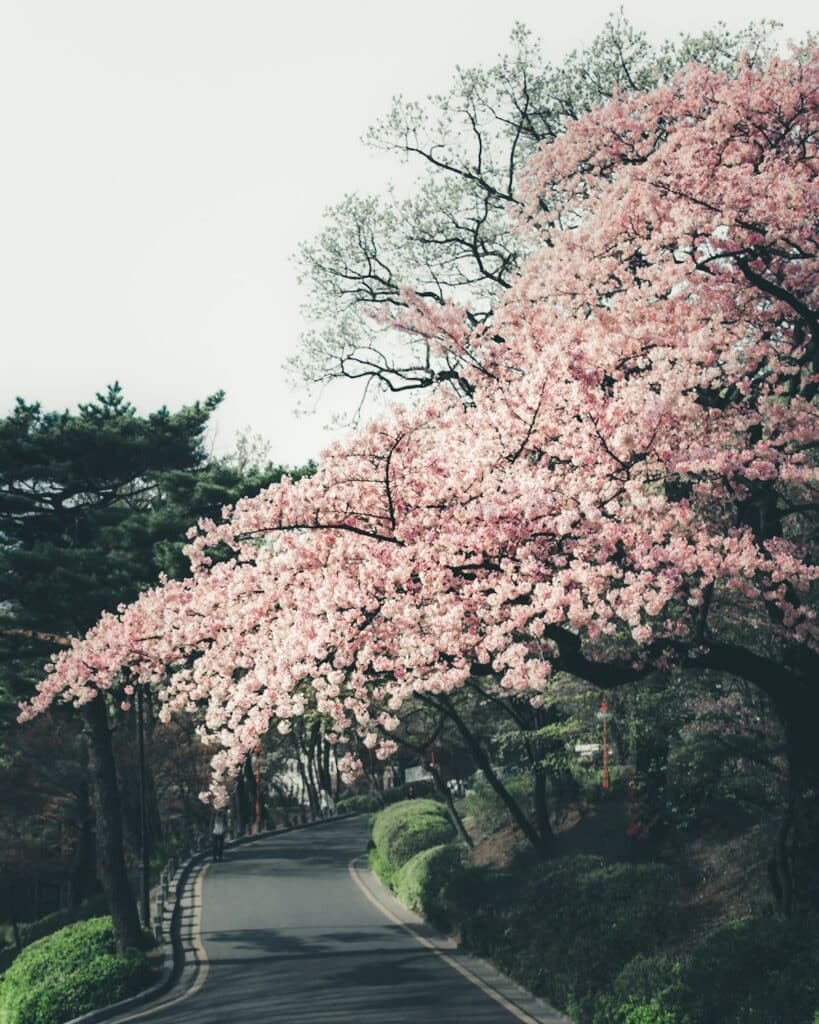
April is Japan's most popular month for international tourists, and for good reason. The cherry blossoms are at their peak across most of Honshu. Kyoto, Tokyo, and Osaka are packed, and prices reflect the demand. We think April is worth the crowds if cherry blossoms are on your bucket list, but book everything at least six months in advance.
Best for: Cherry blossoms, spring scenery, Kyoto
Avoid if: You dislike crowds or want affordable accommodation
May
- Weather: Tokyo 21°C, Sapporo 13°C, Osaka 21°C, Okinawa 24°C
- Rainfall: Moderate, increasing
- Crowds: Peak (Golden Week: Apr 29-May 5)
- Cost: Expensive
- Highlights: Golden Week festivals, Fuji Shibazakura, Aoi Matsuri (Kyoto)
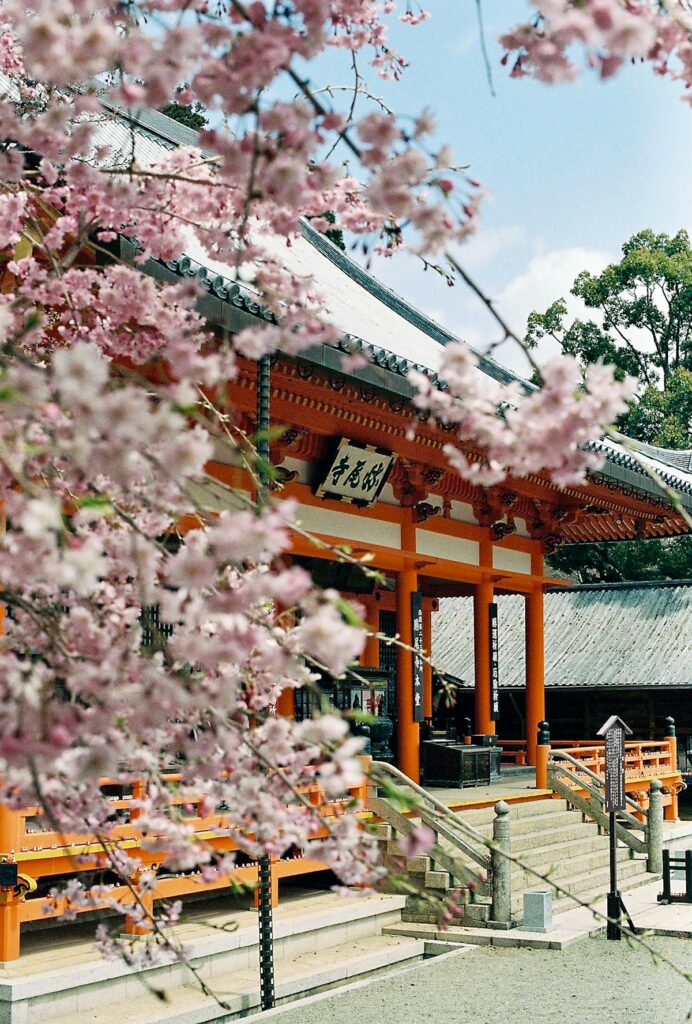
May is split by Golden Week — Japan's busiest domestic travel period. Everything is packed and expensive from April 29 to May 5. After Golden Week, crowds drop significantly and the weather is beautiful. The second half of May is one of the best times to visit for good weather without the cherry blossom crowds.
Best for: Spring greenery, Golden Week festivals, pleasant weather
Avoid if: You want to travel during Golden Week (book a year in advance)
June

- Weather: Tokyo 24°C, Sapporo 17°C, Osaka 25°C, Okinawa 27°C
- Rainfall: High (rainy season in most of Japan)
- Crowds: Low
- Cost: Affordable
- Highlights: Hydrangeas, Ainu culture in Hokkaido, Okinawa
June is rainy season (tsuyu) across most of Japan except Hokkaido. Expect overcast skies and frequent rain in Tokyo, Kyoto, and Osaka. The upside? Fewer tourists and lower prices. Hydrangeas bloom beautifully in Kyoto's temples. We suggest heading to Hokkaido, which avoids the rainy season entirely.
Best for: Budget travel, Hokkaido, temple visits in the rain
Avoid if: You want guaranteed sunshine
July
- Weather: Tokyo 28°C, Sapporo 20°C, Osaka 29°C, Okinawa 29°C
- Rainfall: High in early July, decreasing. Hokkaido: dry.
- Crowds: High
- Cost: Moderate-High
- Highlights: Gion Matsuri (Kyoto, all month), Fuji climbing season, fireworks, Hokkaido summer
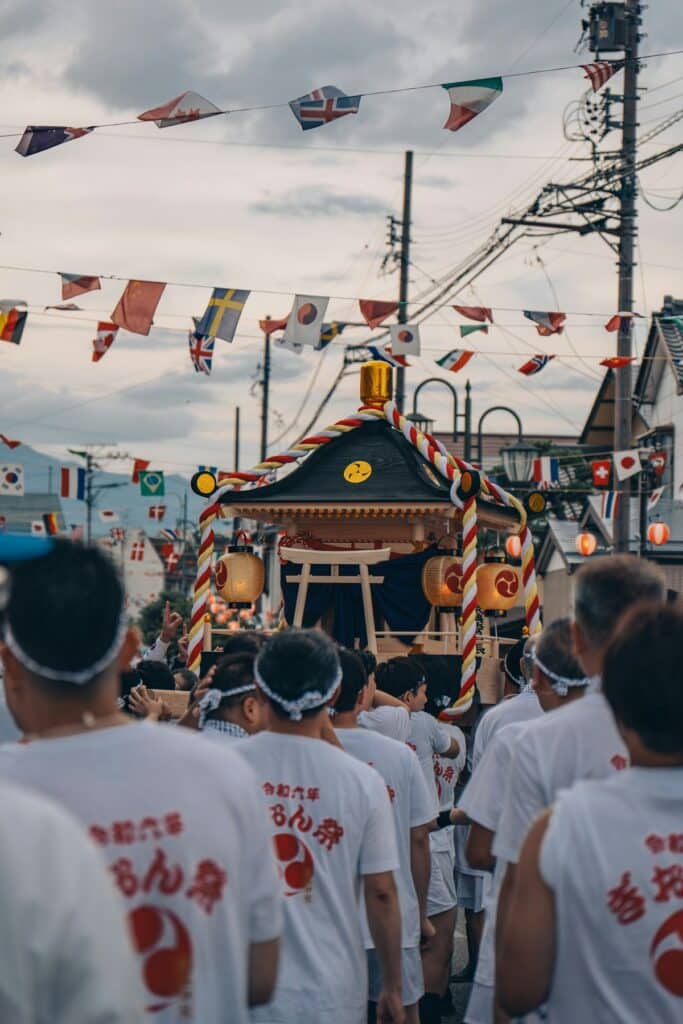
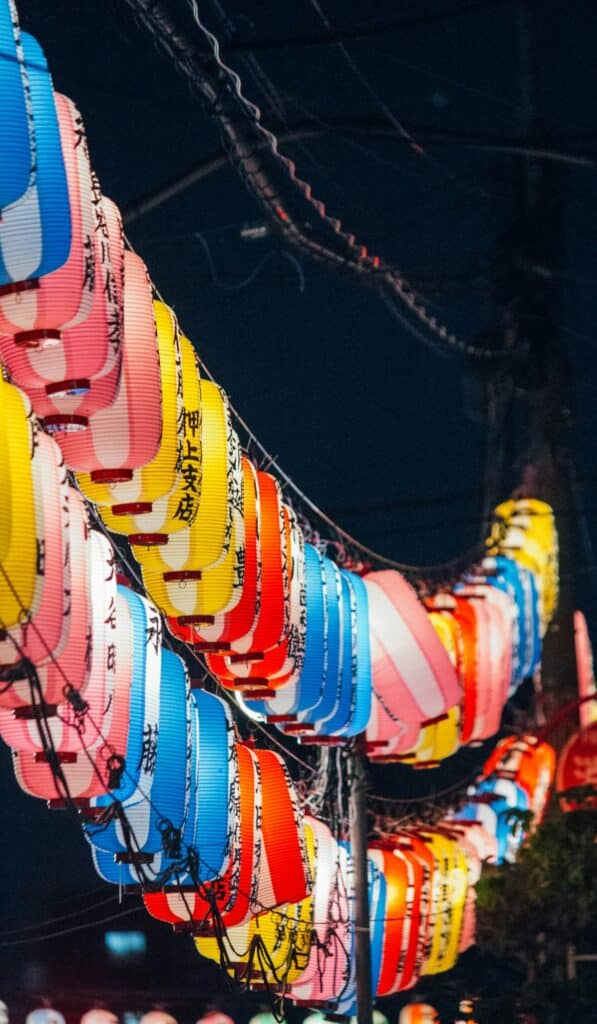
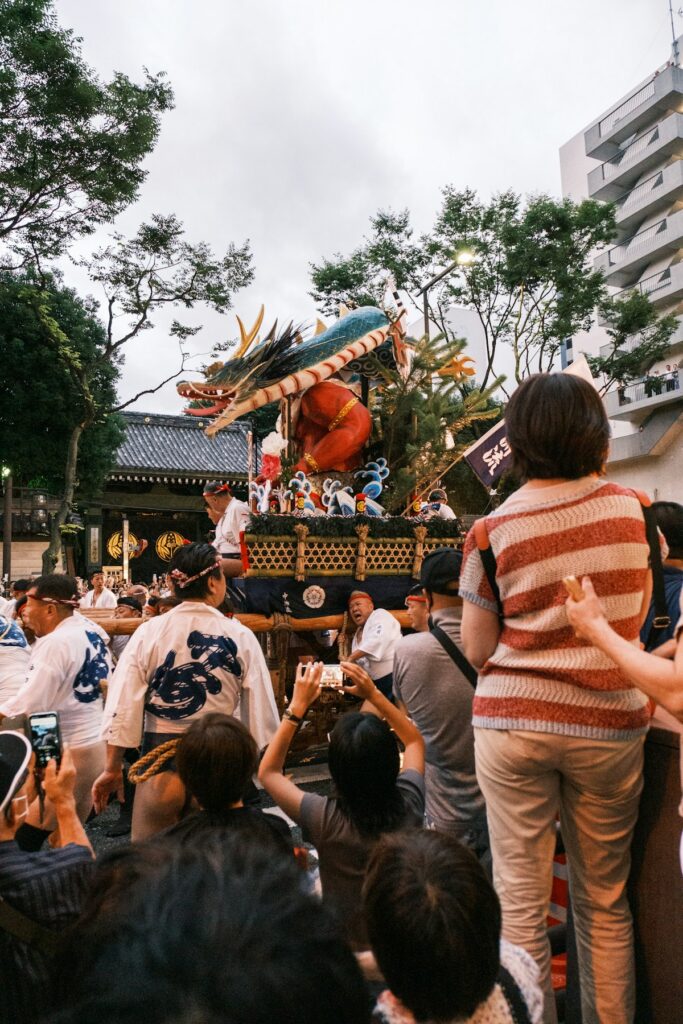
July is hot and humid in Tokyo and Kyoto, but it's also festival season. Kyoto's Gion Matsuri runs all month. Mount Fuji climbing season opens (July-September). Hokkaido hits its stride with comfortable summer weather. We think July is best spent in Hokkaido or at one of Japan's incredible summer festivals.
Best for: Festivals, Hokkaido, Mount Fuji climbing
Avoid if: You dislike heat and humidity
August

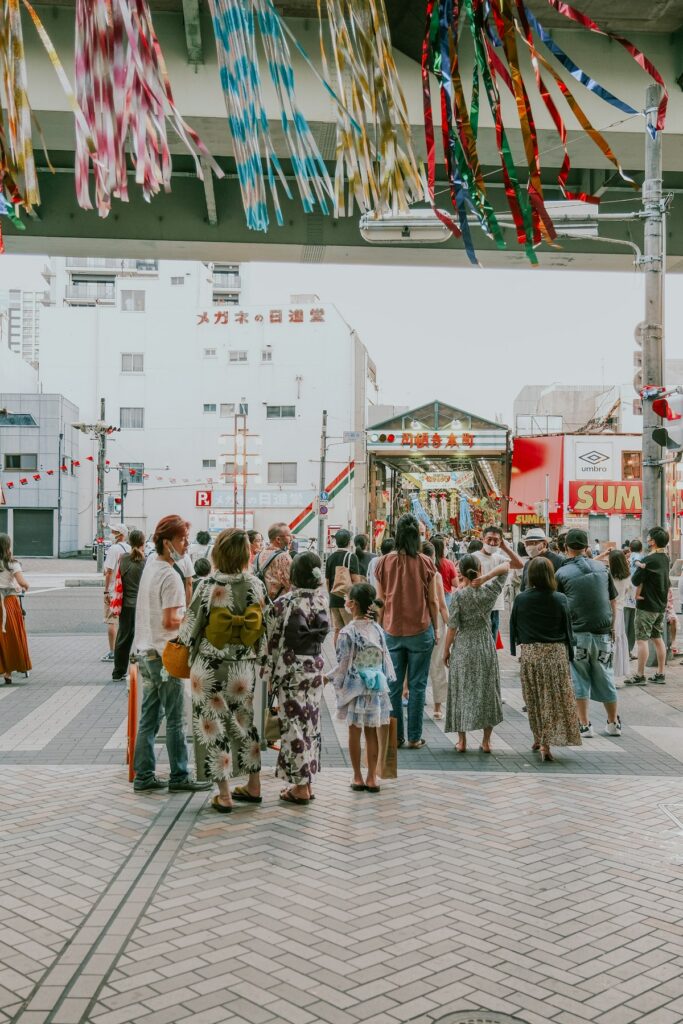
- Weather: Tokyo 30°C, Sapporo 22°C, Osaka 31°C, Okinawa 29°C
- Rainfall: Moderate. Hokkaido: low. Typhoon risk toward month end.
- Crowds: Peak (Obon festival mid-Aug)
- Cost: Expensive
- Highlights: Obon festivals, Aomori Nebuta Matsuri, Hokkaido summer, hiking in the Japanese Alps
August is the hottest and most humid month in most of Japan. It's also when domestic travel peaks during Obon (mid-August). Hokkaido and the Japanese Alps offer relief with cooler temperatures. We recommend focusing on northern Japan or higher elevations during August.
Best for: Festivals, Hokkaido, mountain hiking
Avoid if: You want comfortable temperatures in Tokyo or Kyoto
September
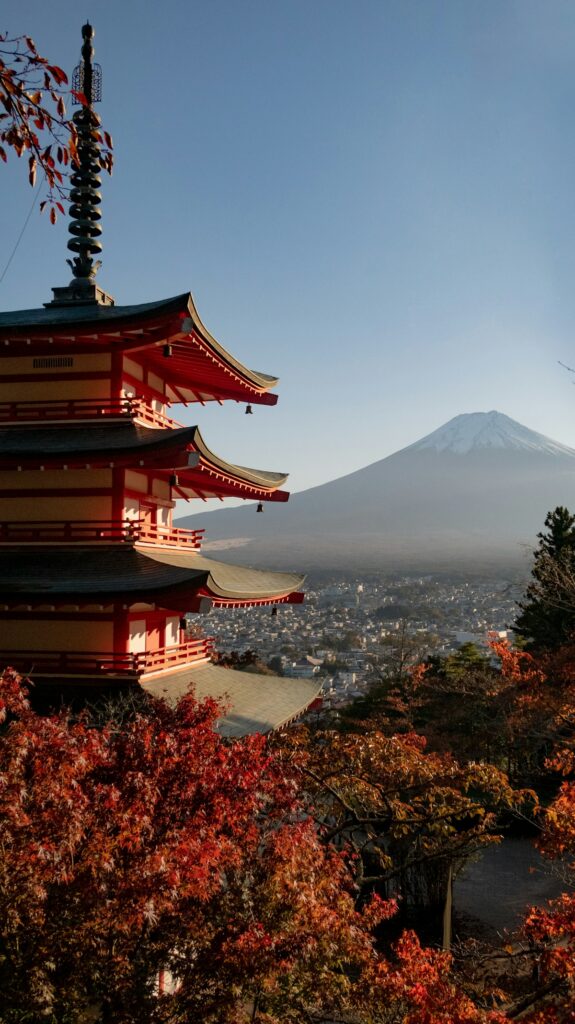

- Weather: Tokyo 26°C, Sapporo 18°C, Osaka 27°C, Okinawa 28°C
- Rainfall: Moderate-High. Typhoon risk remains.
- Crowds: Low
- Cost: Affordable
- Highlights: Autumn colours start in Hokkaido (late Sep), fewer crowds, lower prices
September is shoulder season — the heat starts to ease and the crowds thin out. Typhoon risk means you might get a rainy day or two, but the trade-off is low prices and empty temples. Late September sees autumn colours begin in Hokkaido.
Best for: Budget travel, fewer crowds, early autumn colours in Hokkaido
Avoid if: You want guaranteed clear weather
October
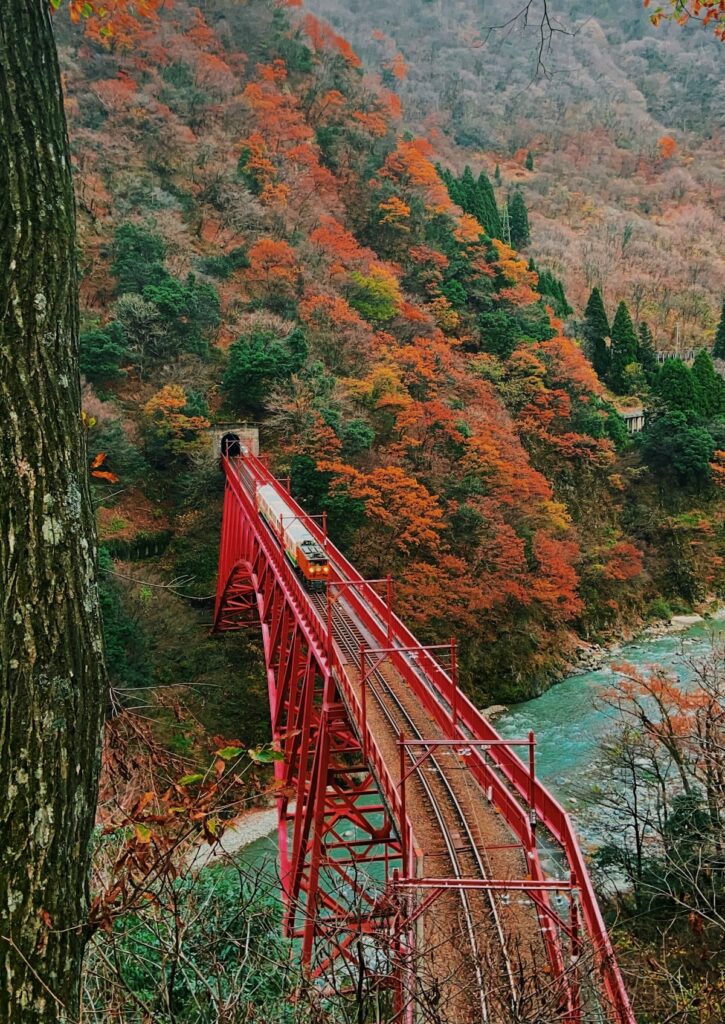
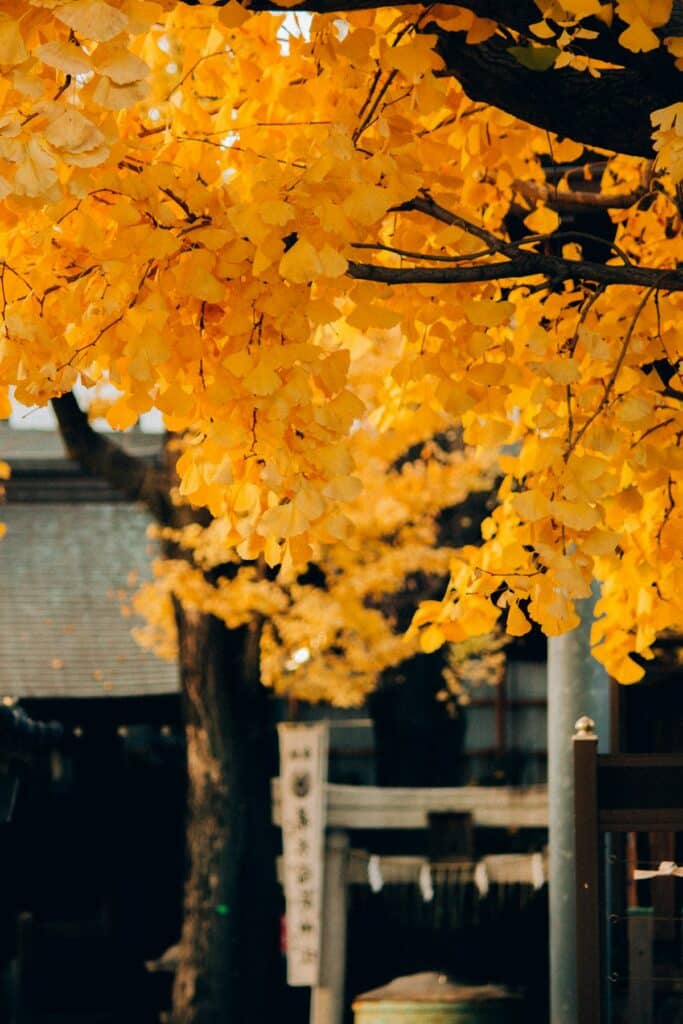
- Weather: Tokyo 20°C, Sapporo 12°C, Osaka 21°C, Okinawa 25°C
- Rainfall: Low. One of the best weather months.
- Crowds: Medium (increasing)
- Cost: Moderate
- Highlights: Autumn colours in Hokkaido (early Oct), Nikko, Kyoto (mid-late Oct), Halloween
October is one of the best months to visit. The weather is near-perfect — warm days, cool evenings, low humidity, and low rainfall. Autumn colours start in Hokkaido early in the month and reach Kyoto by late October. Crowds are moderate and prices are reasonable.
Best for: Autumn colours, hiking, comfortable sightseeing
November
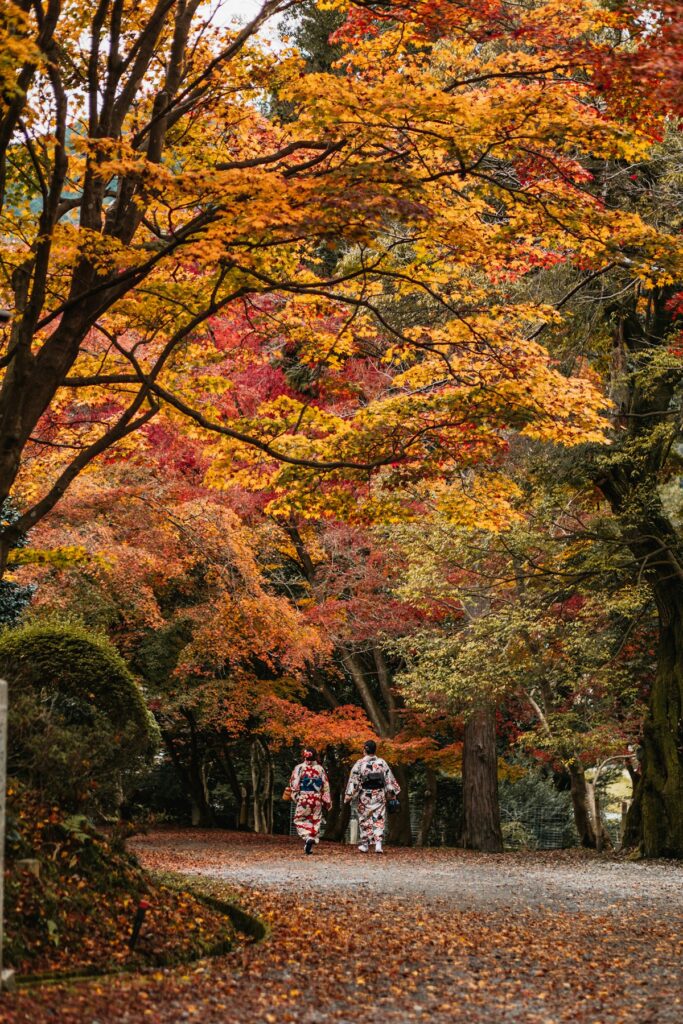
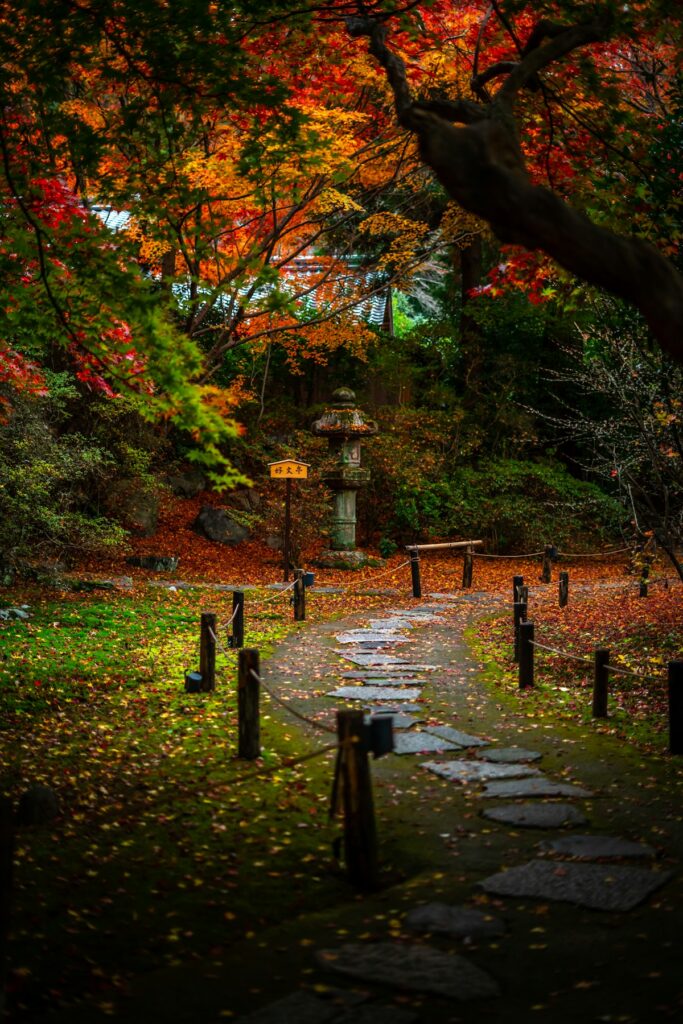
- Weather: Tokyo 14°C, Sapporo 5°C, Osaka 15°C, Okinawa 22°C
- Rainfall: Low. Dry, clear skies.
- Crowds: Peak
- Cost: Expensive
- Highlights: Autumn colours peak (Kyoto, Tokyo), Shichi-Go-San (Nov 15)
November offers the best weather of the year in much of Japan. Cool, crisp days with stunning autumn foliage. Kyoto is at its most beautiful. The trade-off is crowds — this is the second-most popular season for international tourists after cherry blossom season.
Best for: Autumn colours, photography, Kyoto, comfortable sightseeing
Avoid if: You want to avoid crowds (but honestly, November is worth the crowds)
December
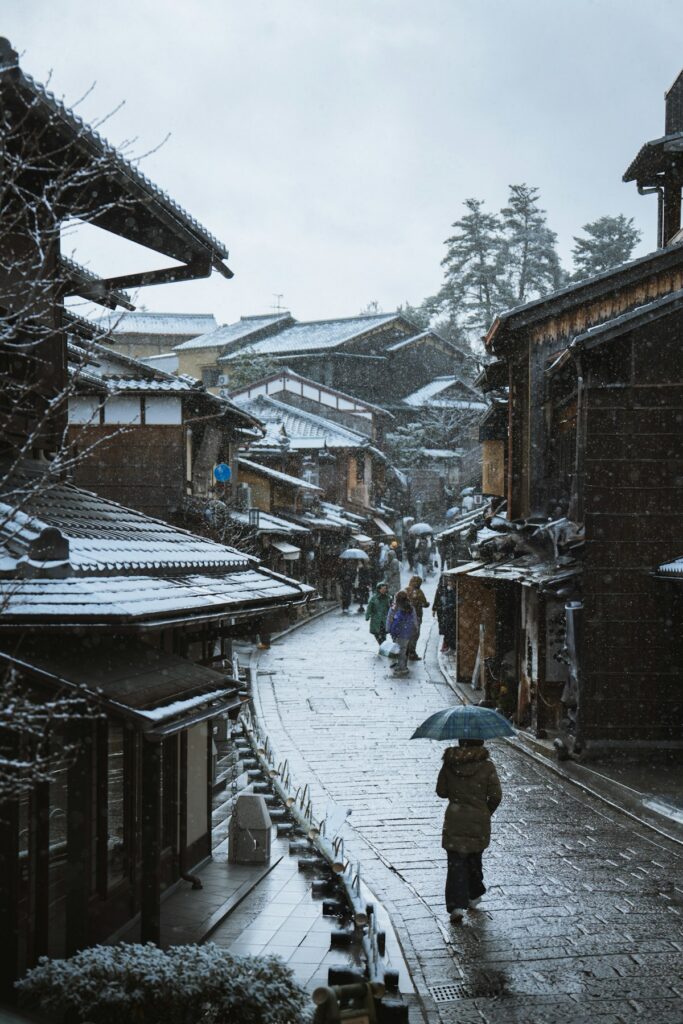
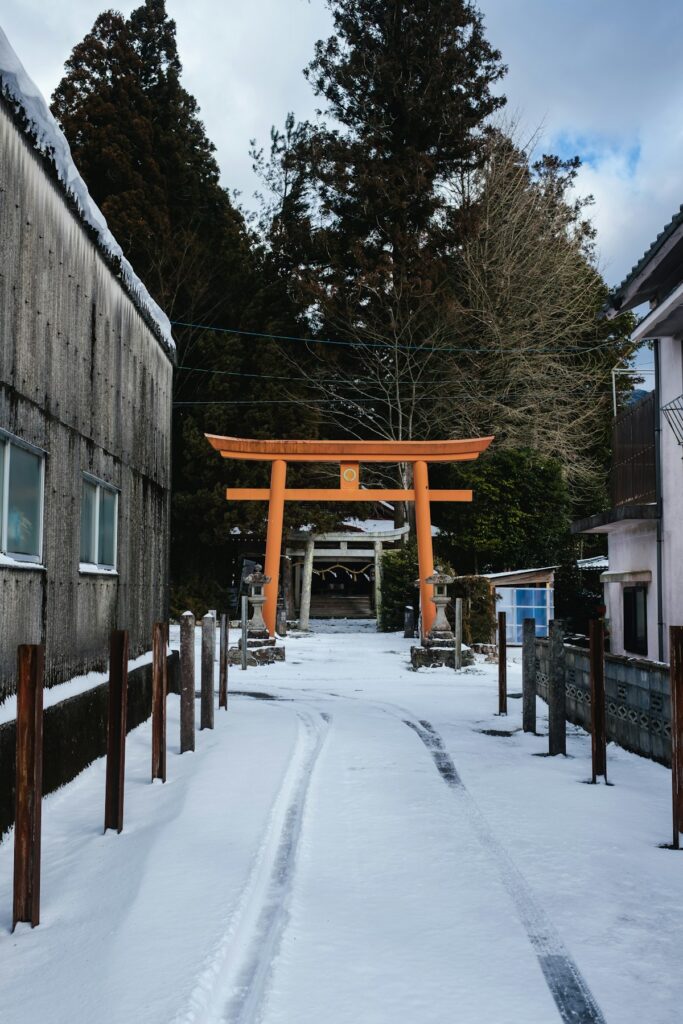
- Weather: Tokyo 9°C, Sapporo 0°C, Osaka 10°C, Okinawa 19°C
- Rainfall: Low. Dry winter weather.
- Crowds: Low-Medium (avoid Christmas/New Year period)
- Cost: Affordable (except Dec 28-Jan 4)
- Highlights: Winter illuminations, year-end markets, onsens, ski season starts
December is a great time for a budget-friendly Japan trip. Clear skies, cold but manageable temperatures, and minimal crowds outside the New Year period (December 28 to January 4). Winter illuminations in Tokyo and Osaka are spectacular. Ski season starts in Hokkaido and Nagano.
Best for: Budget travel, winter illuminations, onsens, skiing
Avoid if: You want warm weather or are visiting Dec 28-Jan 4
When to Visit for Specific Activities
Cherry Blossoms
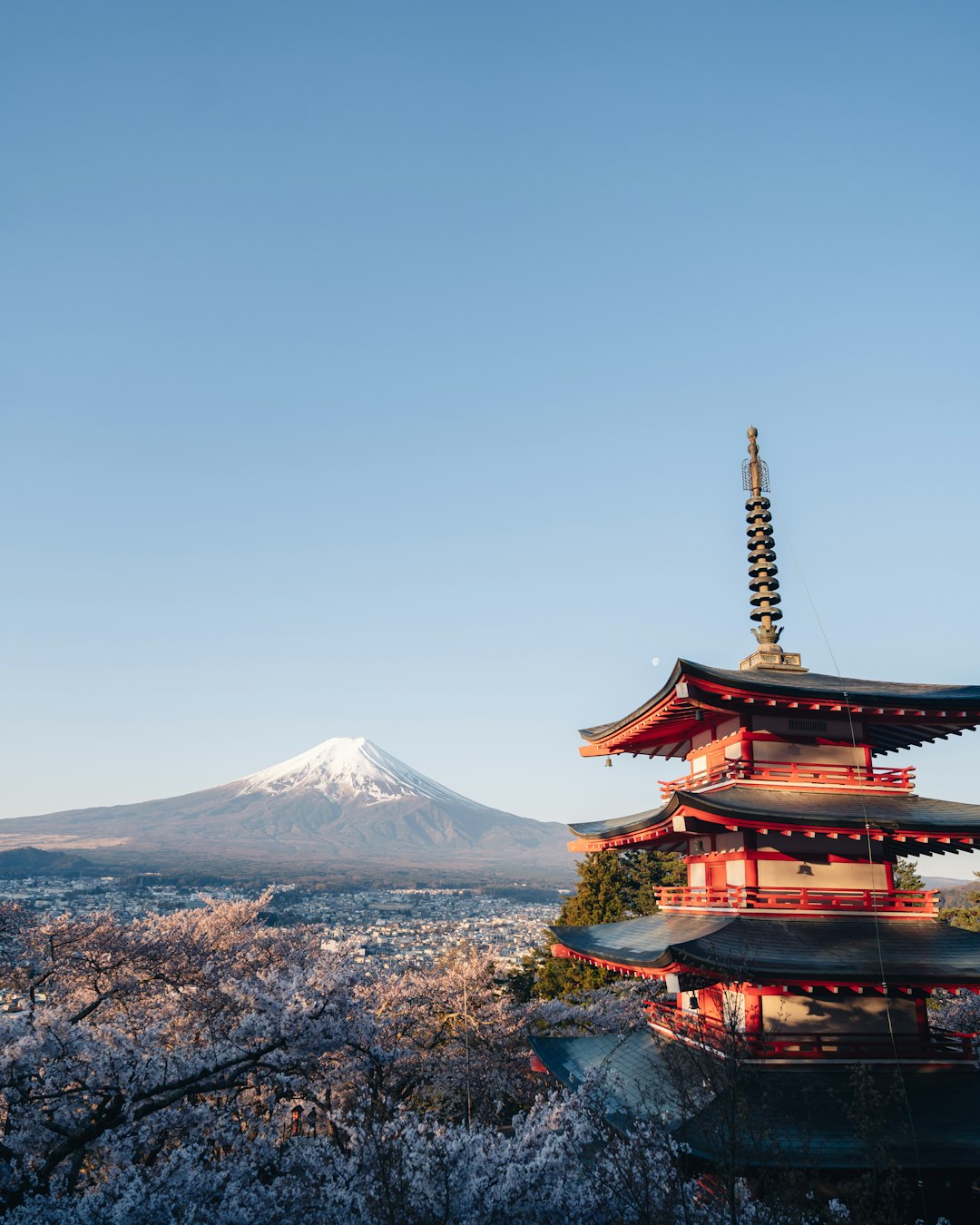
Late March to early April in Tokyo and Kyoto. Late April in Hokkaido (if you missed them on Honshu). This is the most popular time to visit, so book six months ahead.
Autumn Colours
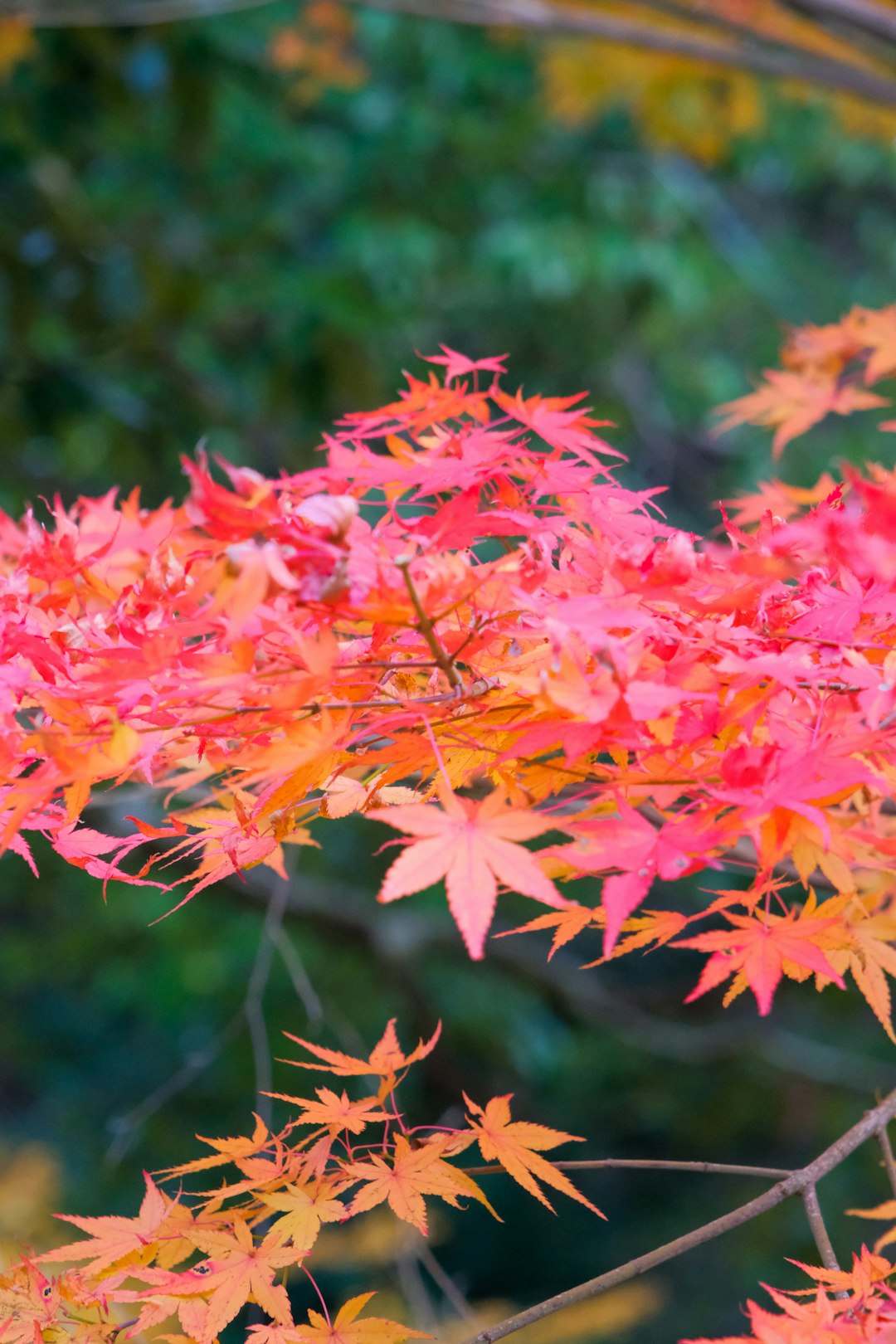
Mid-October to late November, starting in Hokkaido and moving south. Kyoto peaks in mid-to-late November. This is the second-most popular season.
Skiing and Snowboarding
January to February is the peak season. Niseko (Hokkaido) gets the best powder. Hakuba (Nagano) is also excellent.
Hiking
June to September for the Japanese Alps. March to May and October to November for lower-elevation trails. Avoid July-August in Tokyo/Kyoto unless you enjoy extreme humidity.
Festivals
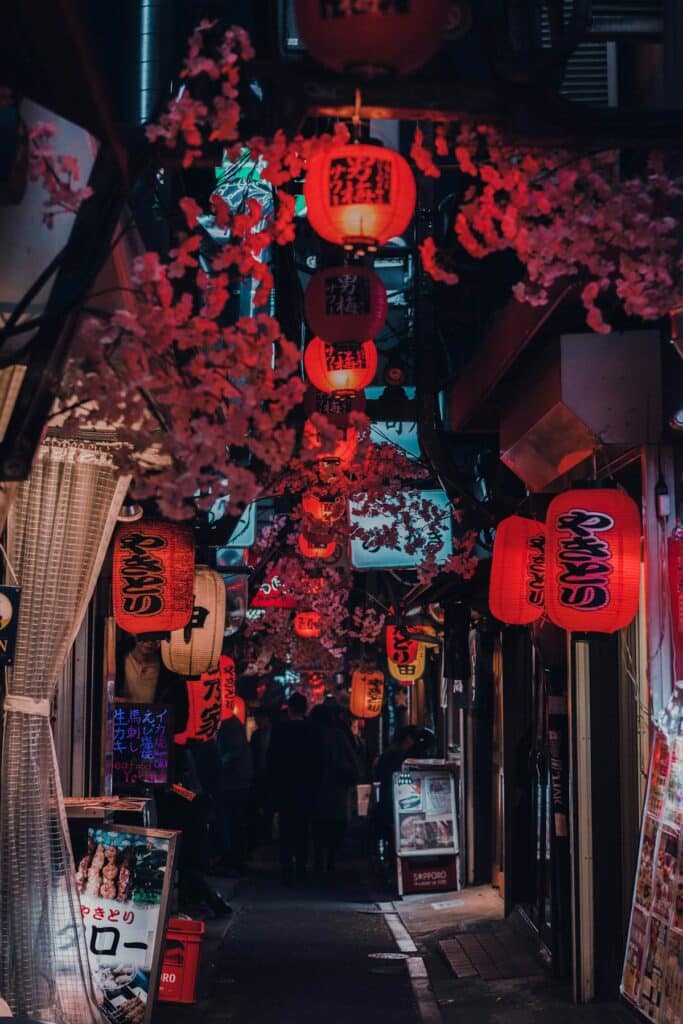
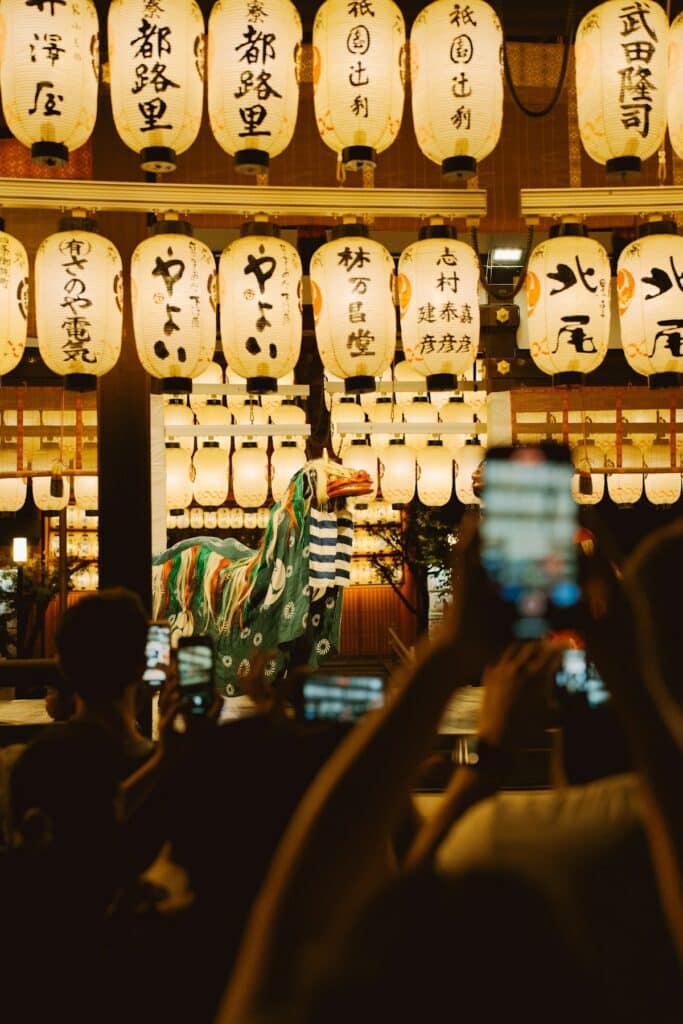
- Jan-Feb: Sapporo Snow Festival
- Apr: Takayama Spring Festival
- May: Sanja Matsuri (Tokyo)
- Jul: Gion Matsuri (Kyoto)
- Aug: Aomori Nebuta Matsuri, Obon
- Oct: Takayama Autumn Festival
Budget Travel
January, February, June, and September offer the lowest prices. Avoid cherry blossom season (late March-April), Golden Week (late April-early May), and November for the best deals.
Japan Weather by Month Overview
| Month | Tokyo | Kyoto | Hokkaido | Recommendation |
|---|---|---|---|---|
| Jan | 5°C, Low rain | 6°C, Low rain | -3°C, Low rain | Good for ski, budget |
| Feb | 6°C, Low rain | 7°C, Low rain | -2°C, Low rain | Good for ski, budget |
| Mar | 10°C, Mod | 10°C, Mod | 2°C, Mod | Good for early sakura |
| Apr | 16°C, Mod | 16°C, Mod | 8°C, Mod | Peak for cherry blossoms |
| May | 21°C, Mod | 21°C, Mod | 13°C, Mod | Excellent overall |
| Jun | 24°C, High | 25°C, High | 17°C, Mod | Rainy season |
| Jul | 28°C, High | 29°C, High | 20°C, Low | Festival season, Hokkaido |
| Aug | 30°C, Mod | 31°C, Mod | 22°C, Low | Hot, festivals, Hokkaido |
| Sep | 26°C, Mod | 27°C, Mod | 18°C, Mod | Budget, typhoon risk |
| Oct | 20°C, Low | 21°C, Low | 12°C, Low | Best weather overall |
| Nov | 14°C, Low | 15°C, Low | 5°C, Low | Autumn colours peak |
| Dec | 9°C, Low | 10°C, Low | 0°C, Low | Budget, illuminations |

How to Choose Your Travel Month
Answer these questions:
- Are cherry blossoms non-negotiable? Visit late March to early April. Book everything by October the previous year.
- Do you want autumn colours? Visit mid-October to late November. Kyoto is the undisputed king.
- Are you on a strict budget? Visit in January, February, June, or September. You'll save 30-50% on accommodation.
- Do you hate crowds? Avoid late March-April, late April-early May, and November. Go in January, February, or September.
- Do you want to ski? January and February offer the best conditions. Niseko is world-famous for powder.
- Is hiking your priority? July to September for the Japanese Alps. Avoid July-August in Tokyo/Kyoto.
- Do you want a beach holiday? Okinawa is best from October to February.
Staying Connected in Japan

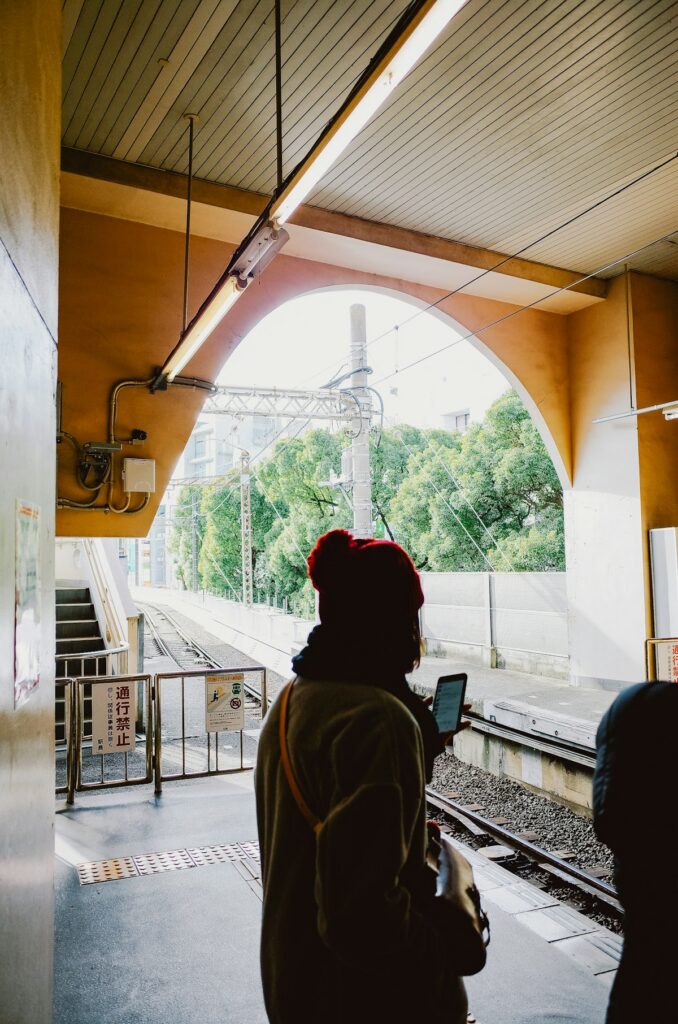
We've covered Japan mobile connectivity in detail in our other guides. Quick summary:
- eSIM: The easiest option. Set it up before you arrive. Works immediately on landing.
- Physical SIM: Available at airports (Narita, Haneda, KIX). Prepaid SIMs are easy to find.
- Pocket WiFi: Popular with families and groups.
- Free WiFi: Available in major train stations, convenience stores (7-Eleven, FamilyMart), and some cafes. Not reliable enough to depend on.
We recommend setting up mobile data before you arrive so you can navigate from the airport on day one.
Frequently Asked Questions
What is the absolute best month to visit Japan?
April for cherry blossoms and November for autumn colours are the two best months. For the best balance of good weather and reasonable crowds, October or May (after Golden Week).
What is the cheapest month to visit Japan?
January and February offer the lowest prices outside the New Year period. June (rainy season) and September (typhoon season) are also affordable.
Is summer too hot for Japan?
Summer in Tokyo and Kyoto is hot and humid (30°C+ with high humidity). If you dislike humidity, avoid July and August in central Japan. Hokkaido and the Japanese Alps are comfortable in summer.
When is the rainy season in Japan?
June to mid-July in most of Japan (Tokyo, Kyoto, Osaka). Hokkaido does not have a rainy season. Okinawa's rainy season is earlier (May to early June).
When is the best time for Mount Fuji?
July to September (official climbing season). Outside these months, the trails are closed.
Is Japan expensive in cherry blossom season?
Yes. April is the most expensive month. Hotels in Kyoto can cost 3x their normal rates. Book six to twelve months ahead.
What should I pack for Japan?
Spring (Mar-May): Layers, light jacket, umbrella. Summer (Jun-Aug): Light clothing, sunscreen, umbrella (rainy season) Autumn (Sep-Nov): Layers, warm jacket for evenings Winter (Dec-Feb): Warm coat, gloves, scarf, thermal layers for Hokkaido
How long should I spend in Japan?
We recommend 10-14 days for a first visit covering Tokyo, Kyoto, and Osaka. Add 5-7 days for Hokkaido. Add 3-5 days for Okinawa.
When is Golden Week in Japan?
April 29 to May 5 every year. Everything is packed. Hotels are full. Trains are crowded. We recommend avoiding this week if possible.
Final Thoughts
There's no single best time to visit japan — it depends entirely on what you want from your trip.
The best time to visit Japan really depends on what you want to experience. We think the sweet spots are:
- For first-time visitors: October or November. The weather is near-perfect, the autumn colours are stunning, and you'll see Japan at its most beautiful. The crowds are manageable if you plan ahead.
- For cherry blossom lovers: Late March to early April. Accept the crowds and high prices — cherry blossom season exists for a reason, and it's worth it.
- For budget travellers: February or September. Good weather at half the price.
- For skiers: January to February. Niseko is the obvious choice, but Nagano and Hokkaido's smaller resorts offer excellent value.
- For festival lovers: July or August. Gion Matsuri in Kyoto is one of the most spectacular festivals in the world.
Whichever month you choose, we suggest booking accommodation early, especially for spring and autumn. Japan's tourism infrastructure is excellent, but demand far outstrips supply during peak seasons. And don't forget to set up an eSIM before you arrive — staying connected makes navigating Japan's train system, finding restaurants, and translating signs much easier.
Related Blog
Best Way to Get Mobile Data in Japan: eSIM, Pocket WiFi & SIM Cards Compared (2026)
Do You Need a SIM Card in Japan? Your Data Options Explained (2026)
How Many Days Do You Need in Tokyo? An Honest Answer
Other Destination Guide in Asia
How to Get Internet in Thailand: SIM Cards, eSIM, and WiFi Explained (2026)
eSIM Indonesia 2026: Is an eSIM Worth It in Indonesia? Complete Traveller's Guide 2026
How to Avoid Roaming Charges in Vietnam: Your Complete Data Guide (2026)
SIM Card or eSIM in Sri Lanka: Which Should You Choose? (2026)
Where to Go in Southeast Asia in Summer: Best Destinations by Month
Add your first comment to this post