


Table of Contents
Atlanta is hosting eight FIFA World Cup 2026 matches — including Spain's two group stage fixtures, a Round of 32, a Round of 16, and the Semi-Final on July 15. Mercedes-Benz Stadium is one of the finest venues in the tournament: a retractable roof, LEED Platinum sustainability certification, a halo video board running the full circumference of the stadium roof, and a MARTA rail station that connects directly to Hartsfield-Jackson Airport in 25 minutes for $2.50. The logistics of getting to and from this stadium are better than almost any other venue in the 2026 World Cup.
Atlanta is also, beyond the football, a city of genuine depth. The civil rights history — the MLK National Historical Park, Ebenezer Baptist Church, the National Center for Civil and Human Rights — represents one of the most significant cultural itineraries available to any World Cup visitor in any host city. The Atlanta BeltLine is transforming 22 miles of former railway into a connected network of trails, parks, and neighbourhoods that no other American city has attempted at this scale. And the food — Southern soul food, the Varsity, Fox Bros BBQ, Ponce City Market — is a distinct and confident culinary tradition.
This guide covers all of it: the complete match schedule, the Fan Festival at Centennial Olympic Park, the civil rights sites, the BeltLine, the food halls, the best neighbourhoods, and the MARTA connections that make Atlanta one of the easiest-to-navigate host cities for things to do in Atlanta during the World Cup 2026.
At a Glance
| # | Thing to Do | Key Takeaway |
|---|---|---|
| 1 | Attend a match at Mercedes-Benz Stadium | 8 matches — Spain plays here twice. plus the Semi-Final on July 15 |
| 2 | FIFA Fan Festival at Centennial Olympic Park | Free fan hub steps from the stadium — Georgia food culture. live music. and 1996 Olympics history |
| 3 | MLK Jr. National Historical Park | The birth home. church. and tomb of Dr. Martin Luther King Jr. — one of the most significant cultural sites in any host city |
| 4 | Atlanta BeltLine | 22 miles of trail connecting Atlanta's best neighbourhoods — the best way to experience the city between matches |
| 5 | Georgia Aquarium and World of Coca-Cola | North America's largest aquarium and Atlanta's most iconic interactive museum. both steps from the stadium |
| 6 | Ponce City Market and Krog Street Market | The two best food halls in Atlanta — Old Fourth Ward and Inman Park |
| 7 | National Center for Civil and Human Rights | One of the most affecting museum experiences in the USA — adjacent to Centennial Olympic Park |
| 8 | Piedmont Park and Midtown | The city's great green space. with the High Museum of Art directly across the street |
| 9 | Southern food — soul food. BBQ. and the classics | Busy Bee Café. Fox Bros Bar-B-Q. The Varsity — Atlanta's food culture is unlike anywhere else in the tournament |
| 10 | Little Five Points and Inman Park | Atlanta's most eclectic neighbourhood cluster — record shops. craft beer. and the most independent street in the city |
1. Attend a Match at Mercedes-Benz Stadium
Mercedes-Benz Stadium is the home of Atlanta United FC (MLS) and the Atlanta Falcons (NFL) — a building completed in 2017 at a cost of $1.6 billion, designed by HOK Architects with a retractable roof modelled on the Pantheon's oculus, and certified LEED Platinum for environmental sustainability. It is one of the most architecturally distinctive stadiums in North America and one of the genuinely impressive venues of the 2026 tournament.
The halo video board — a single continuous LED screen running around the full interior circumference of the roof, 58 metres above the field — is the most immersive in-stadium broadcast technology at any World Cup venue. During matches, the effect makes watching from any seat in the building feel closer to the action than the geometry of the arena would suggest.
Atlanta is hosting eight matches in total — five group stage games, one Round of 32, one Round of 16, and the Semi-Final on July 15.

Full Match Schedule at Mercedes-Benz Stadium
| Date | Match | Phase | Kick-off (ET) |
|---|---|---|---|
| Mon. June 15 | Spain vs Cape Verde | Group H | 12:00 PM |
| Thu. June 18 | UEFA Playoff D Winner vs South Africa | Group Stage | 12:00 PM |
| Sun. June 21 | Spain vs Saudi Arabia | Group H | 12:00 PM |
| Wed. June 24 | Morocco vs Haiti | Group Stage | 6:00 PM |
| Sat. June 27 | Intercontinental Playoff Winner 1 vs Uzbekistan | Group Stage | 7:30 PM |
| Wed. July 1 | TBD vs TBD | Round of 32 | 12:00 PM |
| Tue. July 7 | TBD vs TBD | Round of 16 | 12:00 PM |
| Wed. July 15 | TBD vs TBD | Semi-Final | 3:00 PM |
Spain plays twice in Atlanta — on June 15 and June 21 — making Mercedes-Benz Stadium the only venue in the 2026 tournament where a single top-tier team plays two group stage home games. For Spanish football fans, this is the most efficient itinerary in the entire tournament: two fixtures in the same stadium with six days between them, in a city with genuine depth to explore between matches. Spain's squad, featuring Lamine Yamal, is among the favourites for the tournament.
The Semi-Final on July 15 is the second of the two World Cup semi-finals (Dallas hosts the first on July 14). If you are targeting a semifinal, Atlanta's MARTA transit connection makes it the more logistically straightforward of the two semi venues — one direct train from the airport to a station adjacent to the stadium.
Getting to Mercedes-Benz Stadium
Mercedes-Benz Stadium has one of the best public transit connections of any major sports venue in the United States.
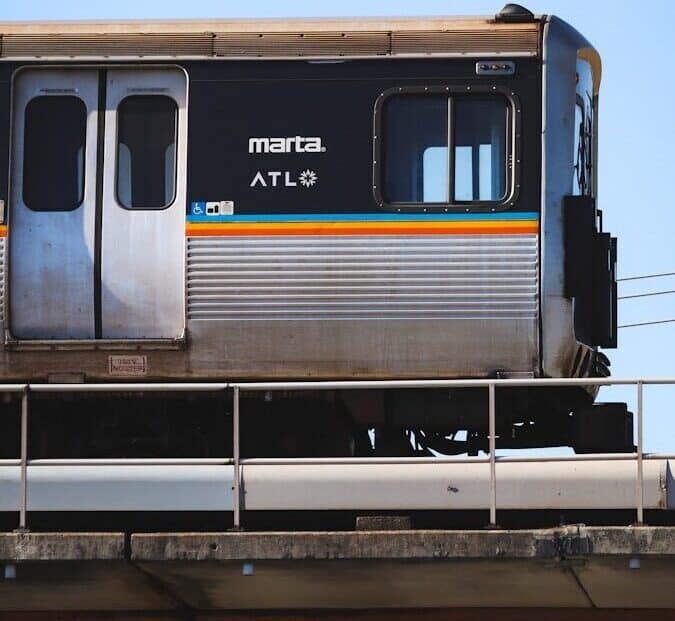
MARTA — by far the best option:
- Gold and Red Lines stop at State Farm Arena/Mercedes-Benz Stadium station — the station entrance is a 2-minute walk from the stadium gates
- From Hartsfield-Jackson Atlanta Airport: MARTA Gold or Red Line from Airport Station directly to State Farm Arena station — 25 minutes, $2.50 one-way. No transfers, no walking between platforms. This is the clearest and most affordable airport-to-stadium transit connection of any US host city in the 2026 World Cup.
- From downtown hotels: 2–5 minutes on MARTA
- From Midtown: 5–8 minutes on MARTA from Midtown station
On match days, MARTA increases service frequency on the Gold and Red Lines specifically for the stadium. The trains will be busy in the 90 minutes before kick-off and the 60 minutes after the final whistle — but the journey is short enough that crowding is manageable.
Driving: On-site parking at $30–60 per day. Not recommended for match days due to exit traffic. The MARTA option is so straightforward that driving to this venue is genuinely unnecessary for most visitors.
Getting Match Tickets for Atlanta
If you don't have tickets yet, there are still legitimate options:
- Official FIFA sales: Check FIFA.com/tickets for any remaining availability. FIFA periodically releases returned or unsold tickets — worth checking regularly.
- FIFA official resale: The fan-to-fan resale platform on FIFA.com allows ticket holders to resell at face value. This is the safest secondary option.
- Verified resellers: Platforms such as StubHub and SeatGeek list tickets from private sellers. Prices on secondary markets are typically well above face value, particularly for knockout rounds. Always use a verified platform with buyer protection.
- Hospitality packages: Premium packages including tickets are available through On Location, the official FIFA hospitality provider. These include stadium access, dining, and dedicated entry — at a significant premium over standard ticket prices.
For price expectations: group stage tickets on the secondary market typically start from several hundred dollars. Knockout rounds — and especially the semi-final on July 15 — are significantly more expensive. We recommend budgeting conservatively and using only verified platforms.
Stadium Bag Policy & Entry Rules
FIFA enforces a strict clear bag policy at all 2026 World Cup venues, including Mercedes-Benz Stadium.
What's allowed:
- Transparent bags only — maximum 12″ x 6″ x 12″
- Small clutch bags (approximately 4.5″ x 6.5″), with or without a handle
- One clear bag plus one small clutch per person
What's not allowed:
- Backpacks of any kind — including clear or mesh ones
- Opaque bags, tote bags, or purses
- Outside food or drink (sealed water bottles may be permitted — check FIFA guidelines closer to your match date)
- Umbrellas, selfie sticks, large cameras with detachable lenses, or banners above the permitted size
Arrive early: Plan to be at the stadium at least 60–90 minutes before kick-off. Security queues on match days — especially for Spain fixtures and the semi-final — will be long. Arriving late and discovering your bag doesn't comply is a situation you want to avoid.
If your bag doesn't comply: You'll need to leave it somewhere before entering. Several luggage storage services operate near Mercedes-Benz Stadium and near State Farm Arena MARTA station. We've listed the most convenient options we found below.
2. FIFA Fan Festival at Centennial Olympic Park
Atlanta's official FIFA Fan Festival is at Centennial Olympic Park — a 22-acre public park built as the centrepiece of the 1996 Summer Olympics, sitting directly adjacent to Mercedes-Benz Stadium in downtown Atlanta. The Fan Festival runs during Atlanta's match window with a capacity of 30,000 fans and free general admission.
The park's 1996 Olympic heritage gives the Atlanta Fan Festival a specific resonance: the Fountain of Rings — the world's largest interactive fountain, with 251 water jets choreographed to music — was built for the Olympics and is still the park's visual centrepiece. Standing in Centennial Olympic Park and watching Spain vs Saudi Arabia on a large screen, 30 years after Muhammad Ali lit the Olympic cauldron in this same park, is the kind of layered historical experience that defines Atlanta's relationship with global sport.
The Fan Festival programme includes live match broadcasts, live music, Georgia food and beverage culture (“Food & Soul” zone with local restaurants and food trucks serving Southern comfort food, Georgia peaches, and local craft beer), and interactive football activities. The park's central location makes it a natural gathering point before and after every Mercedes-Benz Stadium match — a 10-minute walk from the stadium gates.
What's Around Centennial Olympic Park
The Fan Festival is surrounded by major attractions within a 5-minute walk:
- Georgia Aquarium (directly north)
- World of Coca-Cola (directly adjacent)
- National Center for Civil and Human Rights (50 metres from the park's western edge)
- College Football Hall of Fame (across the street)
This makes the downtown Atlanta attraction cluster the most concentrated in the entire World Cup — five major venues within a 400-metre radius of the Fan Festival.

3. MLK Jr. National Historical Park — The Civil Rights Itinerary
The Martin Luther King Jr. National Historical Park in the Sweet Auburn neighbourhood is the single most historically significant cultural destination available to World Cup visitors in Atlanta — and an argument for why Atlanta deserves its position as host city beyond its stadium credentials.
The park covers several blocks of Sweet Auburn, preserving the neighbourhood as it existed during Dr. King's childhood and early career. The key sites:
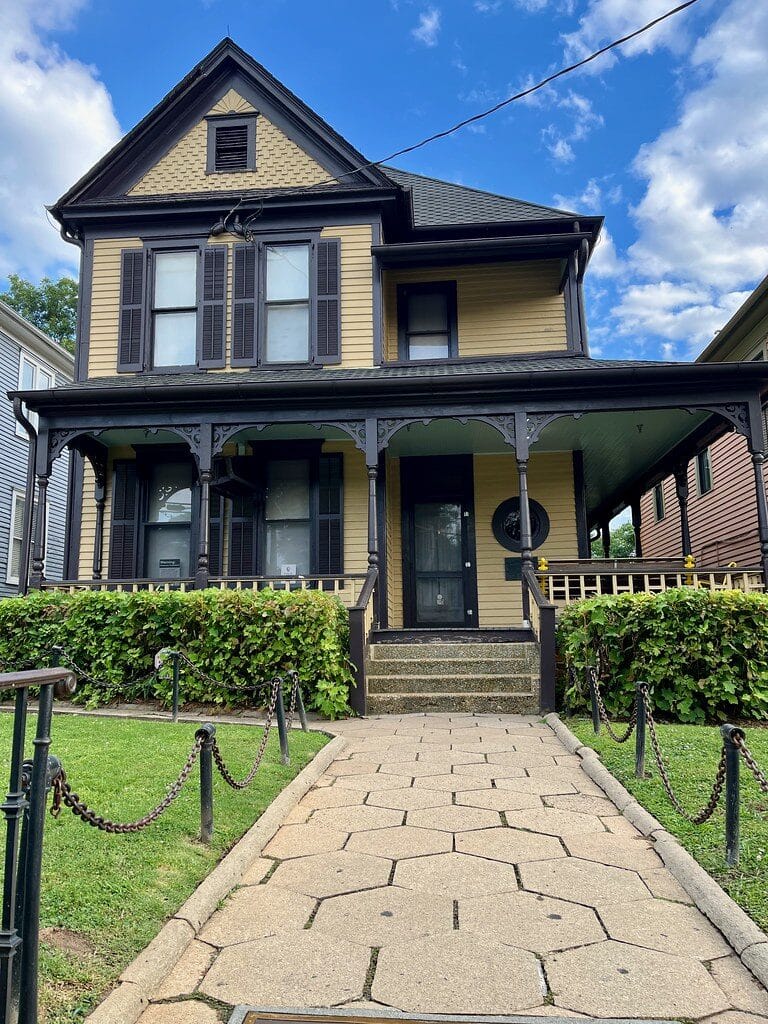
Birth Home of Dr. Martin Luther King Jr. (501 Auburn Ave NE):
The home where King was born on January 15, 1929, is preserved in its 1934 appearance. Tours run hourly and are free; they must be booked in advance at recreation.gov (walk-up availability is extremely limited during the World Cup period — book as far in advance as possible). The tours are 30 minutes and led by National Park Service rangers.
Ebenezer Baptist Church (407 Auburn Ave NE):
The church where King's grandfather and father served as pastors, and where King himself preached. The original church building (from 1922) is preserved as a museum; the Heritage Sanctuary adjacent to it is a functioning church that holds Sunday services open to the public. King's voice — recorded from his sermons — plays inside the sanctuary.
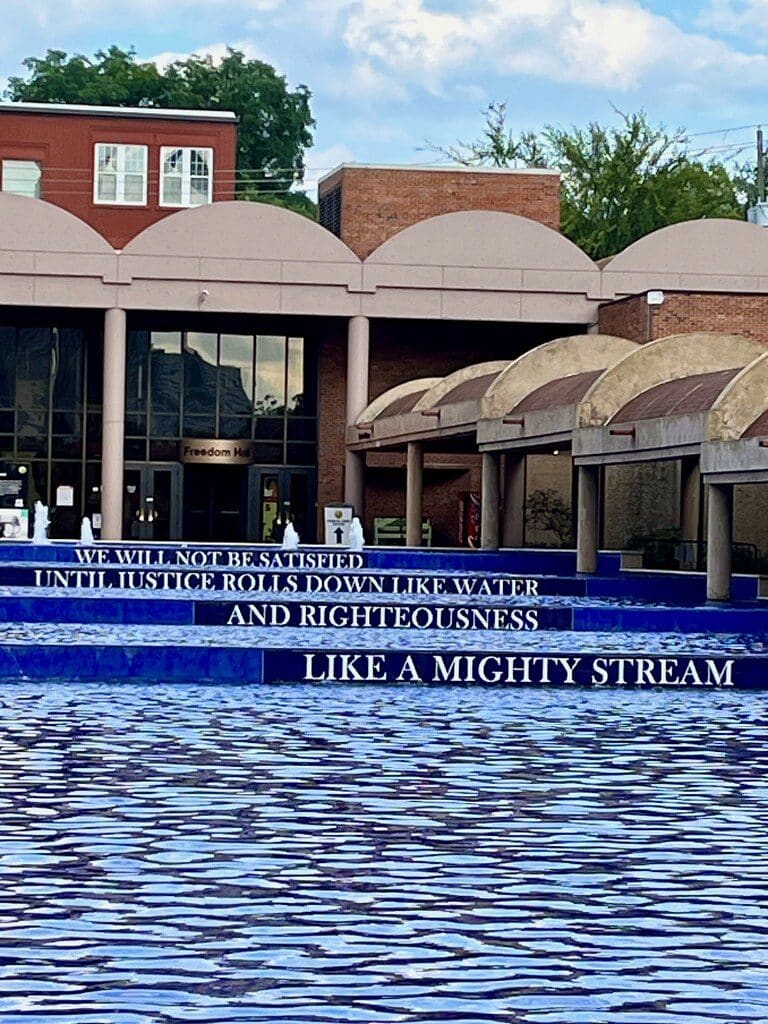
King Center and Tomb (449 Auburn Ave NE):
The Martin Luther King Jr. Center for Nonviolent Social Change, founded by Coretta Scott King in 1968, includes the reflecting pool and tomb where Dr. and Mrs. King are interred. Entry is free. This is the most visited site in the complex — the scale of the memorial is deliberately modest, in keeping with King's personal values.
National Center for Civil and Human Rights (100 Ivan Allen Jr Blvd):
Adjacent to Centennial Olympic Park, this museum (separate from the NHP) provides the broader context for the Civil Rights Movement, with collections spanning from the American civil rights era to contemporary human rights globally. The lunch counter exhibit — where visitors can sit at a replica of a Woolworth's segregated lunch counter and experience a simulation of the sit-in experience — is one of the most affecting interactive museum exhibits in any US cultural institution. Admission: approximately $20. Allow 2–3 hours.
4. Atlanta BeltLine — The City's Most Transformative Project
The Atlanta BeltLine is a 22-mile loop of multi-use trails being built on former railway rights-of-way that encircle the city's core — connecting 45 neighbourhoods, dozens of parks, and hundreds of restaurants, bars, and shops through a single continuous walking and cycling path. It is the most ambitious urban infrastructure project in the United States by social impact per dollar, and it has fundamentally changed how Atlanta residents experience their own city.
For World Cup visitors, the BeltLine is the single best framework for exploring Atlanta between matches. Walking or cycling along the trail reveals the city in a way that driving between isolated destinations never does — the way neighbourhoods connect, the public art installations, the density of independent food and drink options along the route, and the genuine public social life that has grown up along the trail since its partial opening.
Key BeltLine Segments for World Cup Visitors
Eastside Trail (Old Fourth Ward to Inman Park):
The most developed and most visited segment — running from Ponce City Market south through Inman Park to Krog Street Market and the Edgewood neighbourhood. This 3km stretch has the highest concentration of restaurants, bars, public art, and social activity on the entire BeltLine. On a warm June evening, it is one of the most lively pedestrian environments in the American South.
Westside Trail (West End to Mozley Park):
A more recent opening, this segment connects through historically Black neighbourhoods that were bypassed by Atlanta's earlier development waves. The trail includes community gardens, murals by Atlanta-based artists, and emerging food and beverage businesses.
Ponce City Market to Krog Street Market walk:
The 1.5km BeltLine stretch between these two food halls (see Section 6) is the most popular single segment for visitors — a flat, shaded path passing public art installations and the BeltLine's most celebrated restaurant terraces. Budget 2–3 hours for a relaxed walk with stops.
Cycling the BeltLine: Lime and Relay bike share have docking stations along the Eastside Trail. A 2-hour BeltLine cycling session covering 12–15km of trail is one of the best rest-day activities in Atlanta during the World Cup.
5. Georgia Aquarium and World of Coca-Cola
Georgia Aquarium
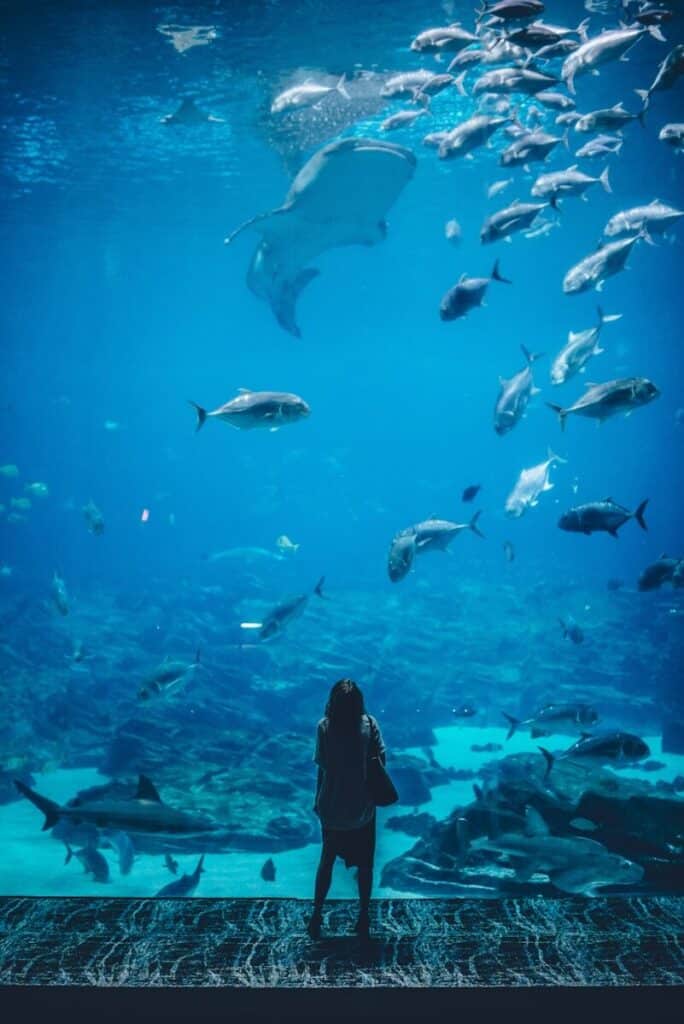
The Georgia Aquarium at 225 Baker St NW is the largest aquarium in North America — housing over 10 million gallons of water and approximately 100,000 animals across 11 galleries. The standout exhibit is the Ocean Voyager gallery: a 6.3 million gallon tank containing four whale sharks (the largest fish in the world), manta rays, and thousands of smaller fish species, viewed through a 61-foot panoramic acrylic window that is the largest in any aquarium in the world.
Admission is approximately $45 for adults; booking online in advance is strongly recommended during the World Cup period, when tourist demand in downtown Atlanta will be at its annual peak. Weekday mornings before 11am are the least crowded times. Allow 2–3 hours. The aquarium is directly adjacent to Centennial Olympic Park and the Fan Festival venue, making it a natural pairing on any downtown day.
World of Coca-Cola
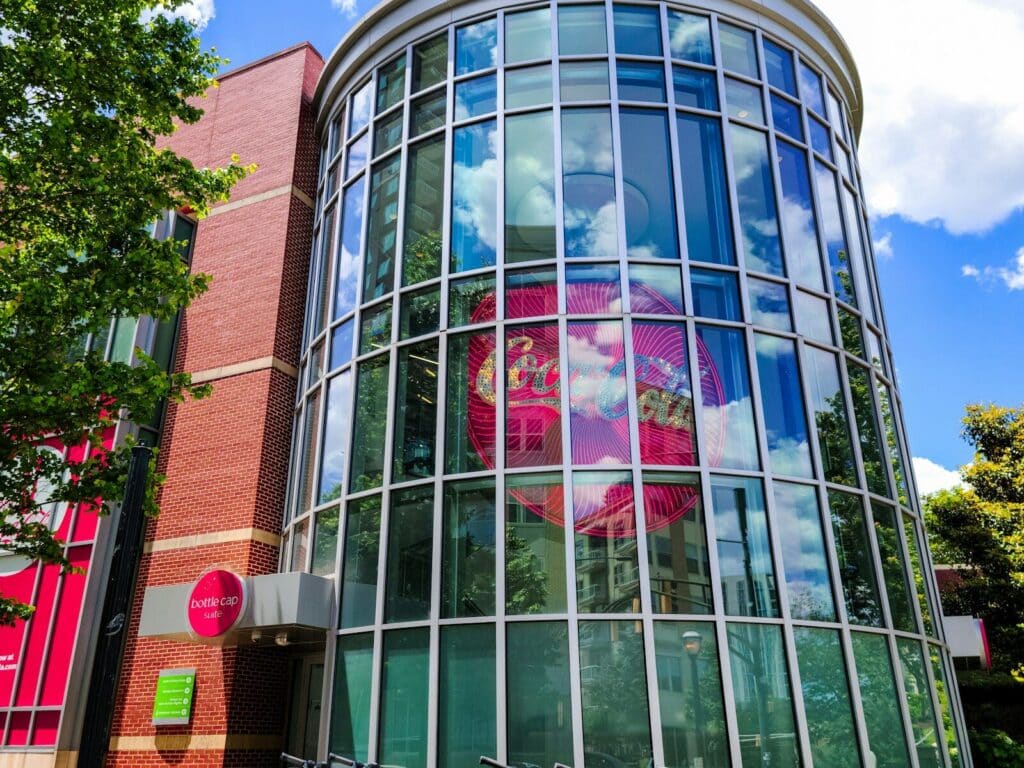
The World of Coca-Cola at 121 Baker St NW is one of Atlanta's most distinctive museum attractions — an interactive museum celebrating the history, global culture, and formula of Coca-Cola, which was invented in Atlanta in 1886. The highlights include the Vault of the Secret Formula (a theatrical experience around the world's most famous trade secret), 100+ soft drink flavours from Coca-Cola's global portfolio available to taste simultaneously, and the original 1886 soda fountain where Coca-Cola was first served.
Admission: approximately $20 for adults. During the World Cup, the connection between Coca-Cola (a primary FIFA sponsor) and the tournament will be visible throughout the museum's programming. For international visitors, tasting the regional Coca-Cola variants that are not available in their home country is a genuinely surprising experience — some international flavours are considerably better than the standard formula.
6. Ponce City Market and Krog Street Market
Atlanta has two food halls that are the best in the American South and among the best in the country.
Ponce City Market (675 Ponce de Leon Ave NE)
Ponce City Market occupies the restored 1925 Sears, Roebuck & Co. building in the Old Fourth Ward — a vast brick warehouse along the BeltLine Eastside Trail that has been transformed into a mixed-use development with a central food hall, retail, and residential floors above. The central food hall has 21 food vendors across a wide range of cuisines — ramen, Thai, Middle Eastern, Southern comfort food, sushi, and a well-regarded wine bar.
The rooftop level — Skyline Park — features a mini golf course, carnival games, and bar seating with panoramic views over Midtown Atlanta. This is the best elevated view of the city available without paying for an observation deck. Entry to Skyline Park is ticketed ($12 for adults after 5pm on weekends); the food hall level is free.
Krog Street Market (99 Krog St NE)
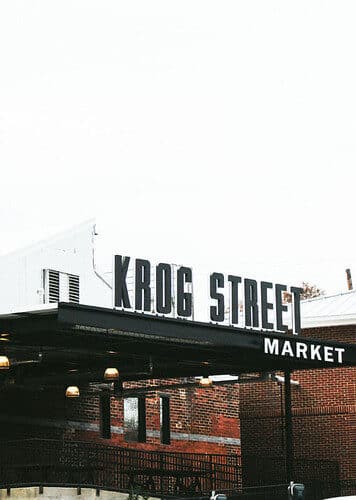
Krog Street Market in Inman Park is slightly smaller and more neighbourhood-in-feel than Ponce City — it operates in a converted 1920s industrial building directly on the BeltLine, with 16 food vendors and an open courtyard that functions as Atlanta's best outdoor social space during the warm months. The food vendors include some of the city's most-respected independent operators: The Optimist (seafood), Fred's Meat & Bread (smash burgers), and Craft Izakaya (Japanese small plates) are particular standouts.
The walk between the two markets along the BeltLine Eastside Trail takes approximately 25 minutes and is, on its own, one of the best single stretches of walkable urban public space in Atlanta.

7. National Center for Civil and Human Rights
(See Section 3 for full description in the context of the Civil Rights itinerary.)
The National Center for Civil and Human Rights at 100 Ivan Allen Jr Blvd deserves its own listing for visitors who are not routing through the MLK Historical Park. It is a standalone world-class cultural institution — directly adjacent to the FIFA Fan Festival at Centennial Olympic Park and part of the same downtown visitor cluster as the Georgia Aquarium and World of Coca-Cola.
The museum covers the American Civil Rights Movement from the 1950s through the 1960s, then extends to contemporary global human rights campaigns. The curatorial approach is ambitious and largely successful — connecting the specific history of Atlanta's civil rights activism to ongoing global struggles for equality. The lunch counter exhibit remains the most affecting single interactive exhibit in the building.
8. Piedmont Park and the High Museum of Art
Piedmont Park is Atlanta's primary urban green space — 189 acres of lawns, athletic fields, a lake, and tree-lined paths in the Midtown neighbourhood, 3km north of downtown. It is less dramatic than Stanley Park in Vancouver or Central Park in New York, but it is the city's main outdoor social gathering space and particularly pleasant in the early mornings and evenings of June.
The park's eastern edge along 10th Street is lined with restaurants and bars that represent the best of Atlanta's Midtown dining corridor — a convenient pre- or post-match destination from MARTA (Midtown station is a 10-minute walk). The Atlanta BeltLine Northside Trail connects Piedmont Park to the Eastside Trail, integrating it into the BeltLine network.

High Museum of Art
Directly across Peachtree Street from Piedmont Park at 1280 Peachtree St NE, the High Museum of Art is the leading art museum in the American Southeast — housed in a Richard Meier-designed building (the same architect as the Getty Center in Los Angeles) with a strong collection of American art, African art, and European paintings. Admission is approximately $20 for adults; free on select Thursday evenings. The permanent collection includes one of the strongest folk and self-taught art collections in the country, reflecting Atlanta's roots in the American South.
9. Southern Food — Soul Food, BBQ, and the Atlanta Classics
Atlanta's food culture is rooted in the American South — and during the World Cup, the contrast between the city's traditional food heritage and its emerging cosmopolitan restaurant scene gives visitors one of the most interesting culinary landscapes in any host city.
Soul Food
Busy Bee Café (810 Martin Luther King Jr Dr SW): One of the oldest soul food restaurants in Atlanta, established in 1947 in the Vine City neighbourhood. The fried chicken, oxtails, collard greens, and cornbread are the canonical Atlanta soul food order. The restaurant is in the same neighbourhood as the MLK National Historical Park — natural to combine into one itinerary. Cash only.
The Colonnade Restaurant (1879 Cheshire Bridge Rd NE): A 1927 Atlanta institution in Buckhead serving traditional Southern fare — baked chicken, fried shrimp, and the most steadfast peach cobbler in the city. A Friday lunch here is an Atlanta rite of passage.
BBQ
Fox Bros Bar-B-Q (1238 DeKalb Ave NE): The consensus best BBQ in Atlanta proper — brisket, pulled pork, smoked turkey, and a specific Atlanta specialisation: BBQ loaded fries. Located on the BeltLine Eastside Trail in Edgewood, making it a natural stop on a BeltLine walking day. Excellent craft beer selection.
Daddy D'z (264 Memorial Dr SE): A rib and BBQ specialist in Grant Park, known for the fall-off-the-bone rack ribs and the most relaxed atmosphere of any BBQ spot in the city. One of the genuinely under-known options in the Atlanta BBQ conversation.
Atlanta Originals
The Varsity (61 North Ave NW): The largest drive-in restaurant in the United States, established in 1928 near Georgia Tech. The menu is entirely American fast food — chili dogs, onion rings, and frosted orange drinks — but the scale and history of the place make it an Atlanta experience rather than just a food stop. During World Cup matches, the Varsity's outdoor seating and televisions make it one of the more chaotic and enjoyable viewing environments in the city.
10. Little Five Points and Inman Park — Atlanta's Eclectic East
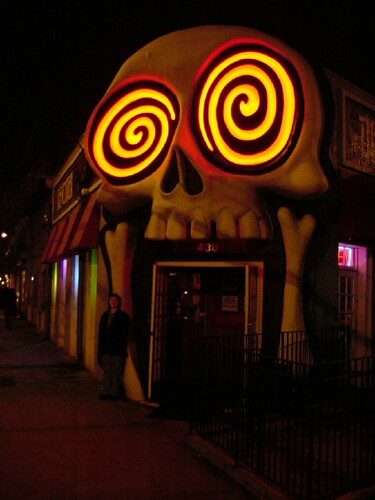
Little Five Points is the most distinctly characterful neighbourhood in Atlanta — a crossroads of record shops, vintage clothing, independent bookshops, tattoo studios, and community-oriented businesses centred on the intersection of Moreland and Euclid Avenues, about 5km east of downtown. It is connected to Inman Park by a short walk and to the BeltLine via the Eastside Trail.
The neighbourhood has a strong independent live music scene — Variety Playhouse (1099 Euclid Ave NE) is one of the best mid-size live music venues in the American South, programming rock, folk, and alternative acts through the summer months. The programming around World Cup dates will include watch parties before and after shows — check listings in advance.
Inman Park immediately to the west is Atlanta's first planned suburb, dating from 1889 — Victorian-era homes on tree-lined streets, increasingly converted to restaurants and wine bars. SLUG (Small Lots Urban Gardens) at 1015 Virginia Ave NE in the adjacent Virginia-Highland neighbourhood is one of Atlanta's most intimate bar gardens, with local craft beer and a crowd that reflects the neighbourhood's professional and creative character.
Little Five Points is accessible from the BeltLine Eastside Trail (exit at the Irwin Street section) or by MARTA Bus 16 from downtown.
Where to Stay in Atlanta During the World Cup 2026
Accommodation in downtown Atlanta is going to be in high demand during the World Cup — particularly for Spain's two group stage matches and the semi-final on July 15. Book as early as possible. Prices will rise significantly as match dates approach, and many central hotels will sell out.
Best areas to stay
- Downtown Atlanta (adjacent to Centennial Olympic Park): The closest option to Mercedes-Benz Stadium and the Fan Festival. MARTA State Farm Arena station is steps from the stadium. Best for fans who want to minimise travel time on match days and stay in the centre of the action.
- Midtown: A slightly calmer base with better independent dining, Piedmont Park, and a more residential atmosphere. MARTA Midtown station puts you 5 minutes from the stadium on the Gold or Red Line. Best for visitors who want a mix of World Cup and city exploration.
- Old Fourth Ward (near Ponce City Market and the BeltLine): The best choice for visitors who want to be immersed in Atlanta's most active neighbourhood during the tournament. The BeltLine Eastside Trail is on your doorstep, and MARTA is a short walk or rideshare away.
Book early — World Cup match weeks in Atlanta are already showing limited availability at most price points.

Find hotels, apartments, and convenient stays across Atlanta for your trip and World Cup matches.
What to Budget for a Match Day in Atlanta
Here is a realistic estimate for a single match day — covering transport, food, and entry:
| Item | Estimated Cost |
|---|---|
| Match ticket (group stage. secondary market) | Varies significantly — check current listings |
| MARTA return (airport or hotel to stadium) | 5.00(2×5.00(2×2.50) |
| Food and drinks at stadium | $20–40 |
| Pre-match meal or drinks in the city | $25–50 |
| Rideshare (if used) | $15–30 |
| Total (excluding ticket) | approx. $65–125 |
The MARTA connection is the single biggest cost-saver in Atlanta compared to other US World Cup cities — no parking fees, no rideshare surge pricing to the stadium. Mercedes-Benz Stadium's below-market concessions pricing policy also makes in-stadium food noticeably cheaper than comparable venues. The biggest variable in your budget is the ticket itself, which depends entirely on the fixture and how far in advance you buy.
Note: Ticket prices vary widely depending on the fixture, phase, and platform. For current availability and pricing, check verified platforms directly.
Getting Around Atlanta During the World Cup 2026
MARTA (Metropolitan Atlanta Rapid Transit Authority) is the fastest and most reliable connection for World Cup visitors — particularly for the airport-to-stadium connection that is better here than at any comparable US venue.
Key MARTA lines and connections:
- Gold and Red Lines (north-south trunk): Airport → downtown → Midtown → Buckhead. Every stop a World Cup visitor needs. The Airport station is the southern terminus; State Farm Arena/Mercedes-Benz Stadium station is 4 stops north.
- Blue and Green Lines (east-west): East Point and College Park in the southwest to Decatur and Doraville in the northeast. Less relevant for main visitor needs but useful for reaching Little Five Points area (King Memorial station) and Decatur.
- MARTA fare: 2.50pertripwithaBreezecard(reloadablesmartcard,availableatallMARTAstations).Daypass:9. The Breeze card is also valid on all MARTA bus routes.
BeltLine: Walking and cycling (Lime/Relay bike share) are the best ways to navigate the Old Fourth Ward, Inman Park, and Ponce City Market areas between matches.
Staying Connected in Atlanta During the World Cup 2026
Atlanta is a large, sprawling metropolitan area — the MARTA network is excellent in the core areas but the city extends well beyond it. Reliable mobile data is essential for Uber/Lyft (for areas MARTA doesn't reach), Google Maps navigation, Fan Festival updates, and group coordination around match days.
A US eSIM installed before arrival gives you full-speed local coverage from the moment you land at Hartsfield-Jackson — no queuing at an airport kiosk, no surprise roaming charges on your home plan. It is one of the simplest things to sort before you fly.

Stay connected in Atlanta with instant mobile data for maps, ride apps, and match updates during your trip.
Frequently Asked Questions
What matches are being played at Mercedes-Benz Stadium during the World Cup 2026?
Atlanta is hosting eight matches in total. The confirmed group stage fixtures are: Spain vs Cape Verde (June 15, 12pm ET), UEFA Playoff D Winner vs South Africa (June 18, 12pm ET), Spain vs Saudi Arabia (June 21, 12pm ET), Morocco vs Haiti (June 24, 6pm ET), and Intercontinental Playoff Winner 1 vs Uzbekistan (June 27, 7:30pm ET). The knockout rounds include a Round of 32 (July 1), a Round of 16 (July 7), and the Semi-Final on July 15 (3pm ET). Spain plays two group stage matches in Atlanta — the only team to play twice at the same venue in the 2026 tournament.
How do I get from Atlanta Airport (Hartsfield-Jackson) to Mercedes-Benz Stadium?
MARTA's Gold or Red Line runs directly from the Airport station to State Farm Arena station — a 2-minute walk from Mercedes-Benz Stadium's gates — in approximately 25 minutes, for $2.50 one-way. This is the clearest and most affordable airport-to-stadium transit connection of any US host city in the 2026 World Cup. No transfers, no walking between platforms. Get a Breeze card at any Airport station machine and tap to travel.
Where can I still get tickets for World Cup matches in Atlanta?
Check FIFA.com/tickets first for any official availability or returned tickets. The official FIFA fan-to-fan resale platform on FIFA.com allows resale at face value — the safest secondary option. For additional inventory, verified platforms like StubHub and SeatGeek list tickets from private sellers. Always use a platform with buyer protection, and be cautious of tickets sold outside of verified channels. Prices on the secondary market vary significantly by fixture — group stage games are more accessible than the semi-final.
Where is the FIFA Fan Festival in Atlanta?
The official FIFA Fan Festival is at Centennial Olympic Park, 265 Park Ave W NW — directly adjacent to Mercedes-Benz Stadium, the Georgia Aquarium, and the National Center for Civil and Human Rights. The festival runs during Atlanta's match window with free general admission and a capacity of 30,000 fans. The park was built for the 1996 Summer Olympics and includes the Fountain of Rings, the world's largest interactive fountain. MARTA State Farm Arena station (Red/Gold Line) is a 3-minute walk.
What is the Atlanta BeltLine and should I visit it during the World Cup?
The Atlanta BeltLine is a 22-mile network of multi-use trails being built on former railway rights-of-way encircling the city's core. The most developed segment — the Eastside Trail through Old Fourth Ward and Inman Park — connects Ponce City Market to Krog Street Market, with bars, restaurants, public art, and public social life along the full 3km. It is the best way to experience Atlanta between matches, either on foot or by bike share. A rest-day afternoon on the Eastside Trail covers more of the city's character than any other single activity.
Is it worth visiting both the MLK Historical Park and the National Center for Civil and Human Rights?
Yes, they serve different purposes and are best done together as a single civil rights itinerary. The MLK National Historical Park (birth home, Ebenezer Baptist Church, tomb) is personal and specific — it is about one man's life in one neighbourhood. The National Center for Civil and Human Rights is contextual — it places Atlanta's civil rights history within the broader American movement and global human rights campaigns. Budget a full day for both. Book the MLK birth home tour in advance at recreation.gov; walk-up availability during the World Cup period will be extremely limited.
What is the best area to stay in Atlanta during the World Cup?
Downtown Atlanta gives the best proximity to the Fan Festival and Mercedes-Benz Stadium, with direct MARTA access to all other attractions. Midtown is slightly further from the stadium but has better independent dining, Piedmont Park, and a more residential atmosphere — MARTA Midtown station puts you 5 minutes from the stadium. Old Fourth Ward is the best option for visitors who want to be immersed in Atlanta's most active neighbourhood during the tournament. Wherever you stay, book early — availability in central Atlanta is limited for match week dates.
What is the best place to eat in Atlanta during the World Cup?
Atlanta's most distinctive food experience is soul food — and Busy Bee Café on Martin Luther King Jr Drive (near the MLK Historical Park) is the most historically authentic and consistently excellent option. For BBQ, Fox Bros Bar-B-Q on the BeltLine Eastside Trail is the consensus best. For a food hall experience, Ponce City Market is the most impressive single building; Krog Street Market has a better outdoor courtyard for warm evenings. The Varsity on North Avenue is the mandatory Atlanta original — a drive-in the size of a city block, established in 1928.
Final Thoughts
Planning what to do in Atlanta during the World Cup 2026 is more rewarding than most people expect when they first look at the schedule. The football is extraordinary — Spain twice, a knockout run building toward a semi-final — but the city underneath it earns its own time.
The civil rights itinerary is not an add-on. It is the reason Atlanta's hosting of the world's most-watched sporting event carries a weight beyond logistics. To sit in Ebenezer Baptist Church, or to stand at the Fountain of Rings in Centennial Olympic Park where Muhammad Ali lit the Olympic flame, or to walk the BeltLine through the neighbourhoods that shaped the modern American South — these are not tourist experiences. They are encounters with the actual history of a city that changed a country.
The MARTA connection from the airport makes Atlanta easier to arrive in and navigate than any other US host city. Use that advantage. Give yourself more than the matches.
➡ World Cup 2026 Travel Guide
➡ Best eSIM for World Cup 2026
➡ How to Get Around at the World Cup
Add your first comment to this post