


Table of Contents
Getting around the FIFA World Cup 2026 is one of the most underestimated logistics challenges for international fans. The tournament spans a continent — 16 cities across three countries — with host venues ranging from walkable city-centre stadiums to car-dependent suburban arenas surrounded by motorways. What works in Atlanta does not work in Los Angeles. What works in Toronto is completely different from Monterrey.
That gap between cities is the part most fans don't see coming. Many assume that booking a flight to the US or Canada is the hard part, and that navigating on the ground will figure itself out. It won't — not without preparation. The difference between arriving at your stadium relaxed and arriving in a panic often comes down to one thing: knowing which transport options actually work in the city you're in.
We've put together this complete transport guide for all 16 World Cup 2026 host cities — covering how to get to each stadium, how to move around each city, how to travel between host cities, and which apps to have on your phone before you land. Read it before you fly and you'll save yourself a lot of stress on the ground.
At a Glance
Here is what this guide covers:
- The fundamental rule: Transport varies dramatically across host cities — one strategy does not work everywhere.
- Between countries: Fly between host countries; Amtrak works for select US East Coast city pairs.
- Best transit cities: Vancouver, Toronto, Atlanta, Philadelphia, and New York are the most transit-friendly venues.
- Most car-dependent cities: Kansas City, Miami, and suburban venues like Dallas and Boston require Uber/Lyft.
- Mexico tips: Use Uber or Cabify exclusively — never unlicensed street taxis.
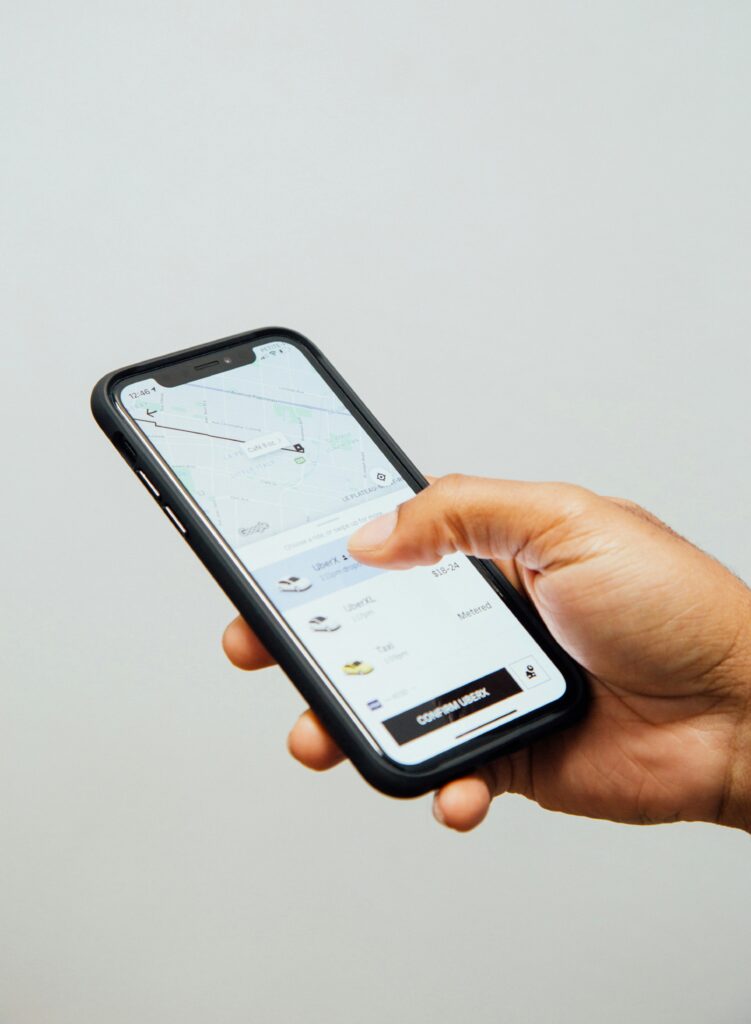
- Apps to download: Uber, Lyft, Cabify (Mexico), Google Maps, and a local transit app for each city.
- Pre-match planning: Pre-book your return ride before kick-off — surge pricing after 80,000-fan events is extreme.
- Connectivity: All transport apps need data. Have your eSIM active before you land.
The Fundamental Rule: One Transport Strategy Does Not Fit All 16 Cities
Before diving into city-by-city detail, understand the single most important transport truth of World Cup 2026:
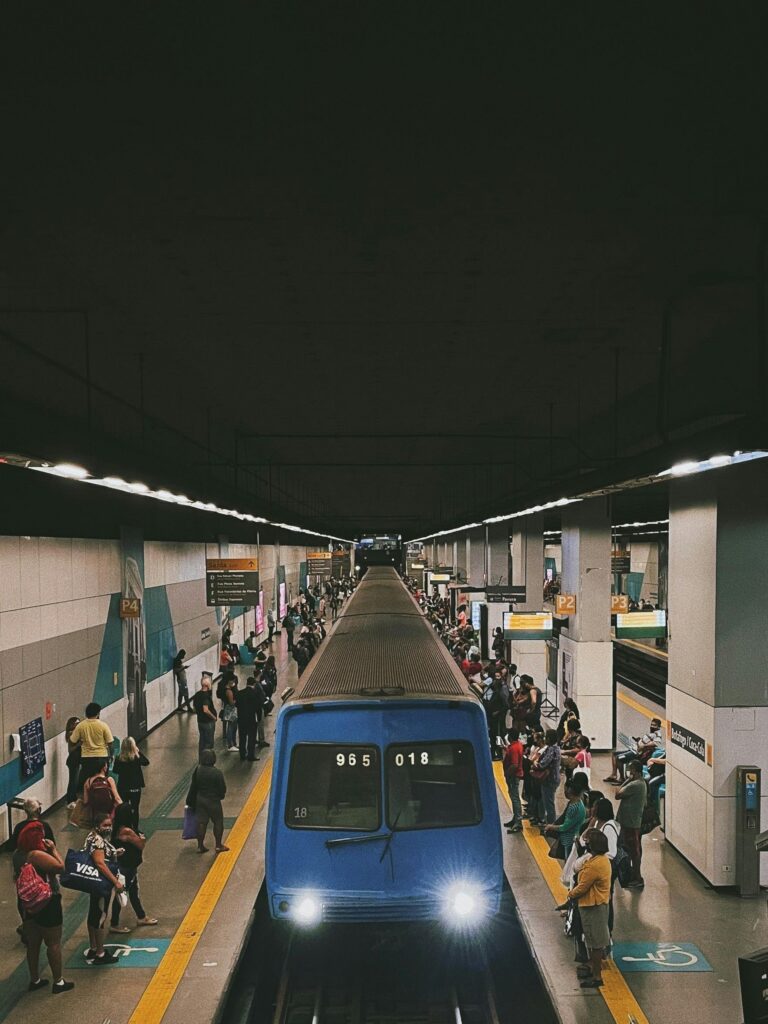
The USA is not a single transport environment. Some US host cities have world-class public transit (Atlanta's MARTA, Seattle's Link Light Rail, Philadelphia's SEPTA). Others are almost entirely car-dependent and require Uber or Lyft for every journey (Los Angeles, Houston, Kansas City). Assuming you can navigate any US host city the way you'd navigate London or Paris on public transit will get you stranded.
Mexico is a mix: Mexico City has an extensive and cheap metro system, but Uber is the safer and more practical option for international fans unfamiliar with the network. Guadalajara and Monterrey are largely car and ride-share dependent.
Canada's two host cities — Toronto and Vancouver — both have strong public transit systems that are genuinely fan-friendly. These are the easiest cities for transport in the entire tournament.
Getting Between Countries and Cities
Between Host Countries: Fly, Don't Drive
The distances between host countries make road travel impractical for most fans:
| Route | Distance | Drive time | Flight time |
|---|---|---|---|
| Dallas → Mexico City | 1.530 km | 15+ hours | ~2.5 hours |
| Los Angeles → Vancouver | 2.020 km | 19+ hours | ~2.5 hours |
| Miami → Toronto | 2.100 km | 20 hours | ~3 hours |
| New York → Mexico City | 3.350 km | 32+ hours | ~5 hours |
For any journey between host countries or non-adjacent US cities, book a flight. Domestic US flights are frequent, relatively affordable when booked in advance, and the only realistic time-efficient option given the tournament schedule.
Airlines to know:
- USA domestic: American, United, Delta, Southwest, Alaska Airlines
- USA → Mexico: United, American, Aeromexico, Volaris
- USA → Canada: Air Canada, United, American, WestJet
- Key hubs: Dallas/Fort Worth (DFW), Miami (MIA), Los Angeles (LAX), New York JFK/Newark (EWR), Toronto (YYZ)
Book early. Flights between World Cup host cities in June–July 2026 are selling out rapidly. Last-minute fares during the tournament will be extremely expensive.
Within the USA: The Rail Option
Amtrak connects several US host cities on the East Coast and makes sense for certain routes:
- New York ↔ Philadelphia: 1.5 hours by Amtrak — fast, frequent, and often more convenient than flying when you factor in airport time.
- New York ↔ Boston: ~3.5 hours — competitive with flying on total journey time.
For all other US city pairs, fly.
City-by-City Transport Guide
United States
New York / New Jersey — MetLife Stadium (Final, July 19)
Stadium location: East Rutherford, New Jersey — 25 km west of Midtown Manhattan
Getting to the stadium:
- NJ Transit train from Penn Station (Midtown Manhattan) to Meadowlands Station — approximately 45 minutes, $10–15 return. This is the recommended option. Trains run frequently on match days with dedicated service additions.
- Uber/Lyft: 30–60 minutes depending on traffic, surge pricing after the match will be significant. Pre-book return rides before kick-off.
- Driving: Not recommended on match days, parking is expensive and road congestion around the stadium is severe.
Getting around New York City:
- Subway (NYC MTA): $2.90 per ride, 24/7 service, covers all five boroughs. Buy a MetroCard or use contactless payment (Apple Pay/Google Pay work on all turnstiles).
- Citi Bike: Excellent for Manhattan and Brooklyn — day passes available through the app.
- Uber/Lyft: Available everywhere; useful for outer boroughs or late nights.
Base recommendation: Stay in Midtown Manhattan or Jersey City and use NJ Transit to the stadium. Subway for everything else in the city.

Los Angeles — SoFi Stadium (70,240 capacity)
Stadium location: Inglewood, California — 18 km southwest of downtown LA
Getting to the stadium:
- Metro K Line (Crenshaw Line): The K Line has a dedicated Inglewood/SoFi Stadium station. From downtown LA (7th Street/Metro Center), take the E Line to Expo/Crenshaw, then transfer to the K Line. Journey time approximately 45–60 minutes.
- Uber/Lyft: 20–40 minutes from central LA in normal traffic; 60–90 minutes post-match with surge. Pre-book return rides before kick-off — this cannot be stressed enough for LA.
- Driving: Possible but parking is $75–100+ on match days.
Getting around Los Angeles:
LA is famously car-dependent. The Metro system covers key corridors (Hollywood, Downtown, Westside, Inglewood) but does not reach most tourist areas efficiently. Uber and Lyft are the primary transport for most visitors in LA.
Base recommendation: Stay near a Metro station (Downtown, Hollywood, Santa Monica) and use ride-share for most journeys. Use the K Line for stadium access.
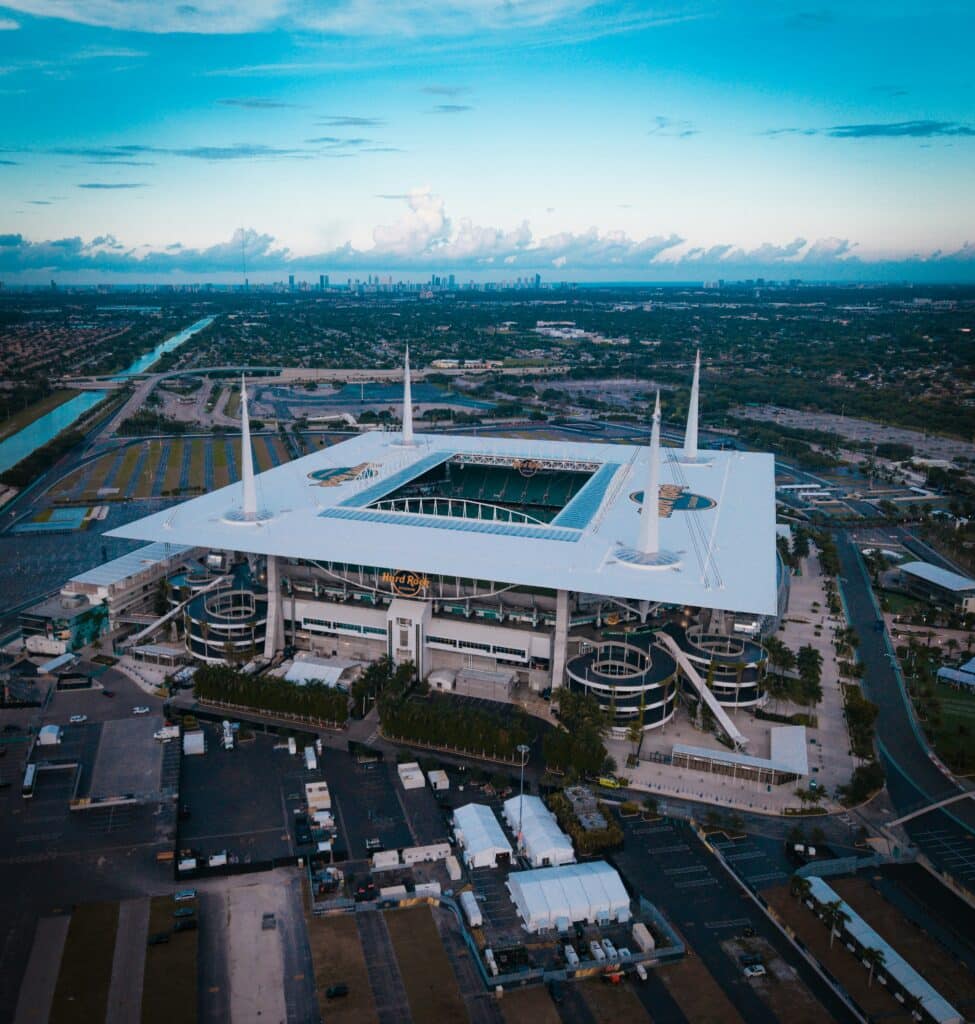
Miami — Hard Rock Stadium (64,767 capacity)
Stadium location: Miami Gardens, 25 km north of South Beach
Getting to the stadium:
- Uber/Lyft: The most practical option, 30–45 minutes from Miami Beach or Downtown Miami
- Tri-Rail: Commuter rail that stops at Hialeah Market station, with shuttle connection to the stadium on event days, check Tri-Rail match day service closer to the tournament
- Driving: Possible, but parking is expensive and post-match traffic is notoriously bad
Getting around Miami:
Miami's Metromover (free in downtown) and Metrorail (limited network) cover the downtown core. For South Beach and Wynwood, Uber/Lyft is the standard. Miami Trolley provides free service in some neighbourhoods.
Base recommendation: Stay in Brickell, Wynwood, or Miami Beach and use Uber for all journeys including stadium access.
Dallas — AT&T Stadium (80,000 capacity)
Stadium location: Arlington, Texas — midway between Dallas and Fort Worth, approximately 30 km from downtown Dallas
Getting to the stadium:
- TEXRail: Commuter train from DFW Airport to downtown Fort Worth, with shuttle services running to AT&T Stadium on event days. Check match-day shuttle schedules on the Trinity Metro website.
- Uber/Lyft: 30–50 minutes from downtown Dallas; 20 minutes from DFW Airport. Post-match surge pricing is high — pre-book.
- Driving: Arlington has substantial parking, but congestion post-match is severe.
Getting around Dallas:
DART (Dallas Area Rapid Transit) covers central Dallas well, with light rail reaching key neighbourhoods (Uptown, Deep Ellum, Bishop Arts). Arlington itself has no public transit — Uber/Lyft is the only option without a car in Arlington.
Base recommendation: Stay in downtown Dallas or Uptown and use Uber for stadium and inter-city journeys.
Atlanta — Mercedes-Benz Stadium (71,000 capacity)
Stadium location: Downtown Atlanta — excellent transit access
Getting to the stadium:
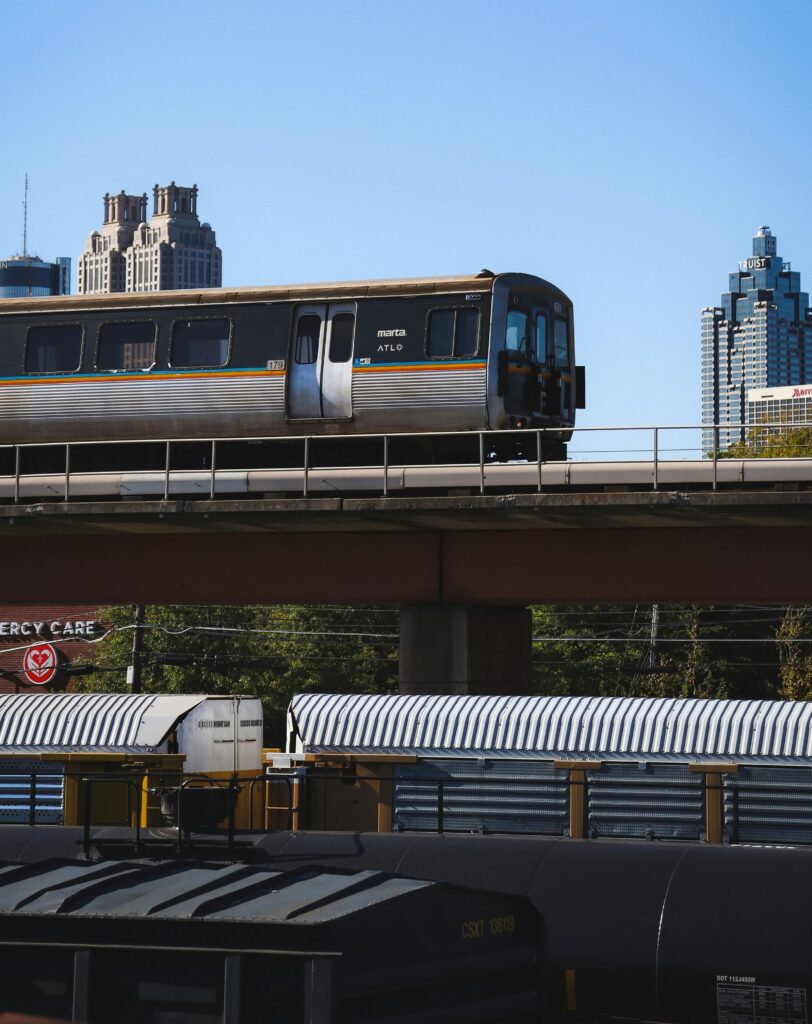
- MARTA Rail: The best transit situation of any US World Cup venue. The Mercedes-Benz Stadium is a 10-minute walk from the Vine City and Dome/GWCC/Philips Arena/CNN Center stations on the Green and Blue Lines. MARTA trains run directly from Hartsfield-Jackson Airport to downtown — approximately 20 minutes.
- Uber/Lyft: Available but unnecessary given MARTA's excellent coverage
Getting around Atlanta:
MARTA covers all major tourist areas (Midtown, Downtown, Buckhead, Airport). Frequency is every 15–20 minutes. Single ride: $2.50. The Beltline (walking/cycling trail) connects several Atlanta neighbourhoods.
Base recommendation: Atlanta is the most transit-friendly US host city. Stay anywhere on the MARTA network and use rail for everything.
Houston — NRG Stadium (72,220 capacity)
Stadium location: South of downtown Houston, approximately 7 km from the city centre
Getting to the stadium:
- METRORail Red Line: Runs from downtown Houston to the NRG Park Transit Center, directly adjacent to the stadium. Journey from downtown: approximately 15 minutes. $1.25 per ride.
- Uber/Lyft: 15–25 minutes from downtown; surge pricing post-match
Getting around Houston:
Houston is predominantly car-dependent. The METRORail covers a limited corridor (Main Street from downtown to the Medical Center and NRG Park). Most of Houston's tourist areas require Uber/Lyft.
Base recommendation: Stay downtown for METRORail access to the stadium. Use Uber for everything else.
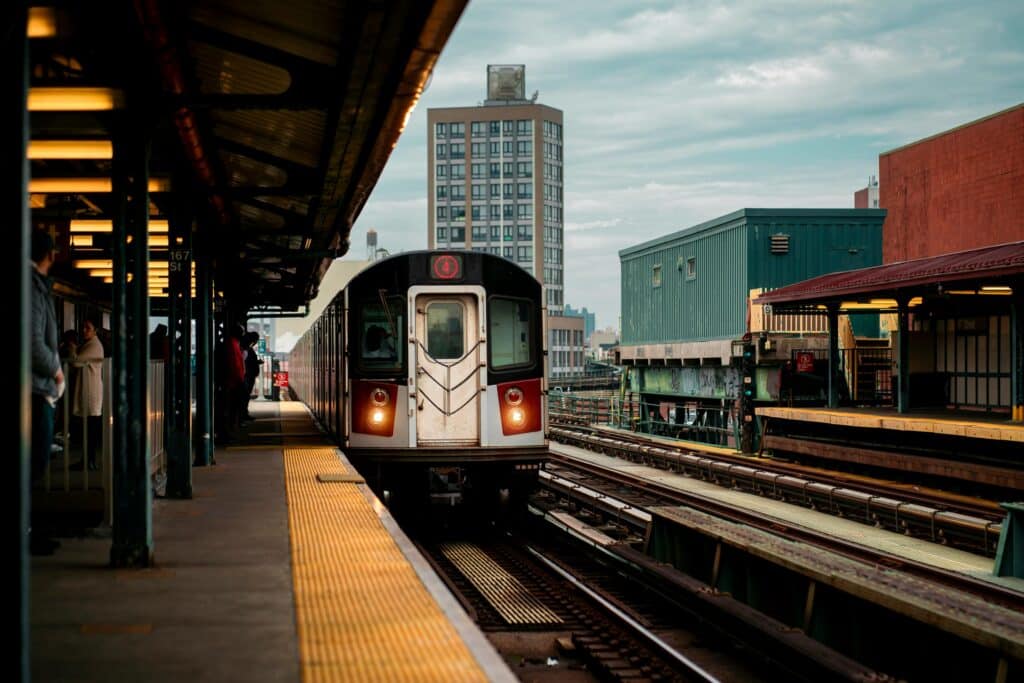
Philadelphia — Lincoln Financial Field (69,176 capacity)
Stadium location: South Philadelphia, approximately 8 km from Center City
Getting to the stadium:
- SEPTA Broad Street Line: Direct subway from City Hall area to AT&T Station (NRG Stadium) — 15–20 minutes, $2.50. This is the recommended option — fast, frequent, and specifically designed for stadium events.
- SEPTA Regional Rail: Connects 30th Street Station (Amtrak hub) to the South Philadelphia sports complex
- Uber/Lyft: Available but post-match surge is significant. SEPTA is considerably more reliable post-match.
Getting around Philadelphia:
SEPTA is comprehensive and tourist-friendly. The subway, trolley, and bus network covers all major areas. Philadelphia is also a walkable city in Center City — many attractions are within walking distance of each other.
Base recommendation: Philadelphia is highly transit-friendly. Stay in Center City and use SEPTA for the stadium.
Seattle — Lumen Field (68,740 capacity)
Stadium location: Downtown Seattle — excellent transit access
Getting to the stadium:
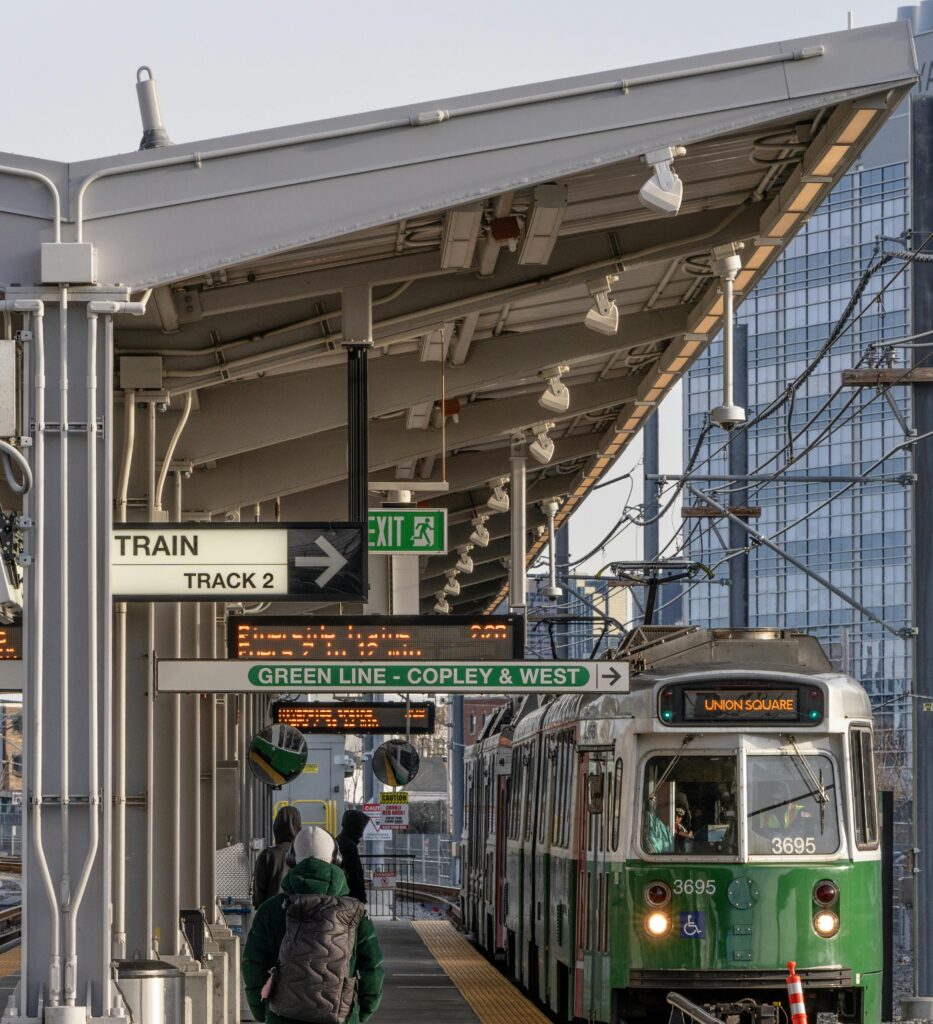
- Link Light Rail: King County Metro's 1 Line runs directly to Stadium Station, adjacent to Lumen Field. From Seattle-Tacoma Airport: approximately 40 minutes, $3.50. From downtown Seattle: 5 minutes.
- Walking: Lumen Field is within walking distance of Pioneer Square and parts of downtown Seattle
Getting around Seattle:
Seattle's Link Light Rail is expanding and provides good access to key areas (Capitol Hill, University District, Beacon Hill, Airport). King County Metro buses cover the rest. Seattle is also walkable in the downtown core and Capitol Hill.
Base recommendation: Seattle is transit-friendly with excellent light rail. Stay downtown or in Capitol Hill.
San Francisco Bay Area — Levi's Stadium, Santa Clara (68,500 capacity)
Stadium location: Santa Clara — 65 km south of San Francisco, in Silicon Valley
Getting to the stadium:
- CalTrain + VTA shuttle: CalTrain runs from San Francisco (4th and King) to Santa Clara station, with a VTA light rail or shuttle connection to Levi's Stadium. Journey from SF: approximately 1 hour 15 minutes.
- VTA Light Rail: From downtown San Jose to Levi's Stadium — 20–30 minutes.
- Uber/Lyft: From downtown San Francisco: 50–70 minutes in normal traffic.
- Driving: Possible from South Bay; not recommended from San Francisco.
Getting around San Francisco:
BART (Bay Area Rapid Transit) covers San Francisco, Oakland, Berkeley, and the East Bay efficiently. Muni buses and cable cars cover SF proper. For Levi's Stadium, the CalTrain is the recommended route.
Base recommendation: Consider staying in San Jose or Palo Alto for stadium access, or in San Francisco if you want city sightseeing — but budget extra travel time to the stadium.

Kansas City — Arrowhead Stadium (76,416 capacity)
Stadium location: Eastern Kansas City, approximately 10 km from downtown
Getting to the stadium:
- Uber/Lyft: The primary option — Kansas City's public transit does not serve the stadium area effectively on match days
- Driving: Large parking lots available at Arrowhead; road congestion post-match is manageable but plan for 30–60 minute delays leaving the lots
Getting around Kansas City:
Kansas City's public transit (KC Streetcar, bus network) covers downtown and the River Market area but is limited outside these zones. Uber/Lyft is the standard transport mode for most journeys.
Base recommendation: Rent a car or rely on Uber/Lyft throughout. Kansas City is the most car-dependent of all US host cities.
Boston — Gillette Stadium, Foxborough (65,878 capacity)
Stadium location: Foxborough, Massachusetts — 45 km south of downtown Boston
Getting to the stadium:
- MBTA Commuter Rail: Dedicated match-day trains run from South Station (Boston) to Foxborough/Gillette Station — approximately 1 hour. Check MBTA's match-day schedules as trains are added specifically for events. Book tickets in advance on match days — they sell out.
- Uber/Lyft: 45–60 minutes from Boston; post-match surge is high due to limited ride-share availability in suburban Foxborough. Pre-book your return ride inside the stadium before the final whistle.
- Driving: Route 1 and Interstate 95 both serve the stadium; parking is available but match-day traffic is significant.
Base recommendation: MBTA commuter rail is the best option — reliable, pre-bookable, and avoids the surge pricing chaos. Book your train ticket the night before.
Mexico
Mexico City — Estadio Azteca (83,000) & Estadio Ciudad de México
Getting to Estadio Azteca:
- Metro Line 2: Tasqueña station, then Tren Ligero (light rail) to Estadio Azteca station — total approximately 45 minutes from the city centre. The metro is extremely cheap (~$0.25/ride) but crowded during rush hours.
- Uber: Recommended for international fans — 30–60 minutes from Roma/Condesa, depending on traffic. Mexico City traffic is notoriously heavy; allow extra time.
- Cabify: Strong alternative to Uber; similar pricing and reliability.
Getting around Mexico City:
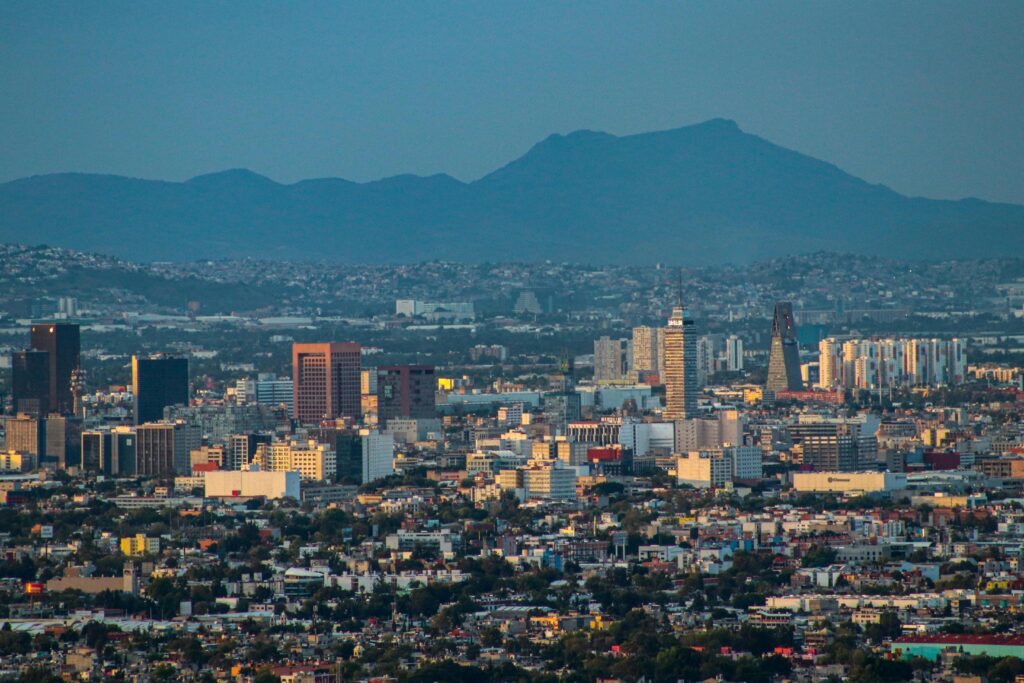
The Metro network (12 lines, 195 stations) covers the entire city and is the fastest way to move. For international tourists, Lines 1, 2, and 3 cover most tourist areas (Roma, Condesa, Centro Histórico, Polanco). Use Uber or Cabify for late-night journeys and when avoiding crowded metro carriages with luggage.
Base recommendation: Mexico City is transit-accessible for confident travelers. For most international fans, a combination of Uber for stadium access and metro for daytime sightseeing works well.
Guadalajara — Estadio Akron (49,850)
Getting to the stadium:
- Tren Eléctrico Urbano Line 3: Guadalajara's light rail runs from downtown to the Andares station, approximately 3 km from Estadio Akron, with connecting buses or Uber for the final stretch.
- Uber/Cabify: Most reliable direct option — 30–45 minutes from the historic centre.
Getting around Guadalajara:
The Tren Eléctrico (3 lines) covers key corridors. For most tourist movement between Tlaquepaque, the historic centre, and Zapopan, Uber is the most practical option.
Monterrey — Estadio BBVA (51,000)
Getting to the stadium:
- Metro Line 1: Guadalupe station, then walk or short taxi/Uber to the stadium — approximately 40 minutes from central Monterrey.
- Uber: Most practical option for international fans — 25–40 minutes from Barrio Antiguo or the city centre.
Getting around Monterrey:
Monterrey's Metro (2 lines) covers the main east-west and north-south corridors. For most tourist areas (Barrio Antiguo, Macroplaza, Cintermex), Uber is the most convenient option.
Important: Monterrey is extremely hot in June–July (36–38°C). All transport waiting — even short outdoor waits for Uber — should be managed with shade, water, and sun protection.

Canada
Toronto — BMO Field (~45,000 with expansion)
Getting to the stadium:
- TTC Streetcar (Route 509/511): From Union Station (downtown Toronto) to Exhibition Place/BMO Field — approximately 15 minutes. Union Station connects to the subway network, GO Transit, and the UP Express from Toronto Pearson Airport.
- GO Transit: Match-day GO Train service may run from Union Station — check Metrolinx schedules for event service additions.
- Uber/Lyft: Available throughout Toronto; 15–25 minutes from downtown.
Getting around Toronto:
Toronto's TTC (subway, streetcar, bus) is excellent and covers the entire city. The subway (4 lines) reaches most tourist areas: Downtown Core, Midtown, Scarborough. Presto card (reloadable transit card, $6 purchase) works on all TTC and GO Transit services.
Base recommendation: Toronto is highly transit-friendly. Use TTC throughout; it's reliable, affordable, and covers everything.
Vancouver — BC Place (54,500, retractable roof)
Getting to the stadium:
- SkyTrain (Canada Line or Expo Line to Stadium–Chinatown Station): BC Place is a 5-minute walk from Stadium–Chinatown Station on the Expo and Millennium Lines. From Vancouver International Airport, take the Canada Line to Waterfront and transfer — approximately 35 minutes total, ~$4.
- Walking: BC Place is in downtown Vancouver, walkable from the Gastown, Yaletown, and False Creek areas.
Getting around Vancouver:
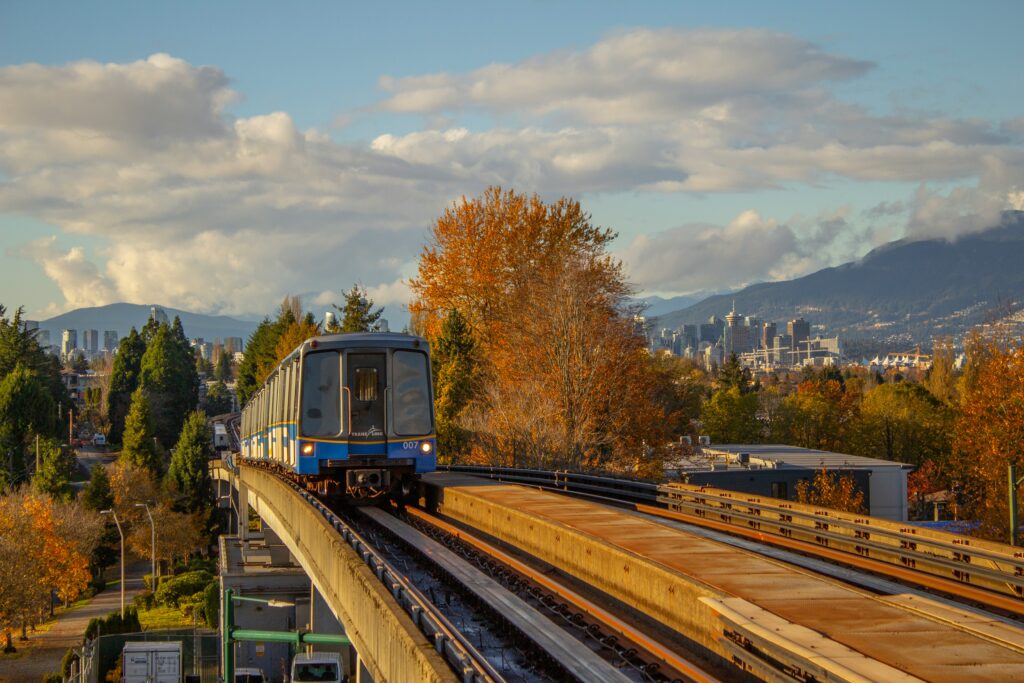
TransLink's SkyTrain (3 lines), buses, and SeaBus ferry cover the entire Metro Vancouver region. The Compass Card (reloadable) works on all TransLink services. Vancouver is also an excellent cycling city — Mobi bike share operates throughout downtown.
Base recommendation: Vancouver is the easiest transit city of the entire tournament. Stadium, airport, and all tourist areas are connected by efficient SkyTrain. Walk and use the SkyTrain for everything.
Transport Apps to Download Before You Arrive
| App | Used for | Countries |
|---|---|---|
| Uber | Ride-hailing | USA + Mexico + Canada |
| Lyft | Ride-hailing backup | USA + Canada |
| Cabify | Ride-hailing | Mexico (strong alternative to Uber) |
| Google Maps | Transit + navigation (with offline downloads) | All 3 |
| Transit App | Real-time public transit | USA + Canada |
| Moovit | Public transit route planning | USA + Mexico |
| Citymapper | Transit in NY. LA. Atlanta. Toronto. Vancouver | USA + Canada |
Download all apps on home Wi-Fi before departure. Ensure your payment method is saved in Uber and Lyft before you need them, the post-match rush is not the time to be adding a credit card.
Transport Quick Reference: All 16 Host Cities
| City | Stadium | Best stadium transport | Public transit quality |
|---|---|---|---|
| New York/NJ | MetLife Stadium | NJ Transit train | ⭐⭐⭐⭐⭐ |
| Atlanta | Mercedes-Benz Stadium | MARTA Rail | ⭐⭐⭐⭐⭐ |
| Philadelphia | Lincoln Financial Field | SEPTA Broad Street Line | ⭐⭐⭐⭐⭐ |
| Seattle | Lumen Field | Link Light Rail | ⭐⭐⭐⭐ |
| Toronto | BMO Field | TTC Streetcar | ⭐⭐⭐⭐⭐ |
| Vancouver | BC Place | SkyTrain | ⭐⭐⭐⭐⭐ |
| Boston | Gillette Stadium | MBTA Commuter Rail | ⭐⭐⭐⭐ |
| Dallas | AT&T Stadium | TEXRail + shuttle | ⭐⭐⭐ |
| Houston | NRG Stadium | METRORail | ⭐⭐⭐ |
| San Francisco | Levi's Stadium | CalTrain + VTA | ⭐⭐⭐ |
| Los Angeles | SoFi Stadium | Metro K Line | ⭐⭐⭐ |
| Miami | Hard Rock Stadium | Uber / Tri-Rail | ⭐⭐ |
| Kansas City | Arrowhead Stadium | Uber / drive | ⭐⭐ |
| Mexico City | Estadio Azteca | Uber / Metro | ⭐⭐⭐⭐ |
| Guadalajara | Estadio Akron | Uber / Light Rail | ⭐⭐⭐ |
| Monterrey | Estadio BBVA | Uber / Metro | ⭐⭐⭐ |
Key Transport Rules for World Cup 2026
- Pre-book your post-match ride before kick-off — Uber surge pricing after 80,000-fan events is extreme. The Schedule a Ride feature locks in a fare and a driver in advance.
- Download offline transit maps — Google Maps offline mode shows transit routes even without live data. Download each city before you arrive.
- Use Uber/Cabify exclusively in Mexico — never unlicensed street taxis. This is a safety rule, not a preference.
- For East Coast US cities, consider Amtrak — New York ↔ Philadelphia ↔ Boston are better connected by train than by flying when you factor in airport time.
- Have your eSIM active before you land — navigation, Uber booking, and transit apps all need data. Without connectivity, ground transport in an unfamiliar city is significantly harder.
➡ Best eSIM for World Cup 2026
Staying Connected: Why Your Phone is Your Most Important Transport Tool
Every transport option in this guide depends on your phone working. Uber needs data to book a ride. Google Maps needs data to show you the right platform. Transit apps need data to show live departure times. If you land without mobile data, getting from the airport to your hotel — let alone to the stadium — is significantly harder.
The simplest solution for covering all three host countries is a North America regional eSIM. These are digital SIM cards you install before departure, and they activate automatically when you land. One plan covers the USA, Canada, and Mexico — no swapping physical SIMs, no hunting for a local SIM card at the airport.
Airalo, Saily, and Holafly all offer North America plans. Install your eSIM at home on your existing Wi-Fi, and you'll have a working data connection the moment you step off the plane. All apps — Google Maps, Uber, Cabify, transit apps, Google Translate — work immediately without any setup.
One note: make sure your phone is unlocked before you travel. Most modern smartphones bought directly from manufacturers (Apple, Samsung, Google) are unlocked by default. Phones bought through a carrier may be locked — check with your provider before departure if you're unsure.

Covers USA, Canada, and Mexico on a single eSIM. No swapping, no reactivation when you cross a border.
Frequently Asked Questions
Can I use a single transport card across all host cities?
No, each city uses its own transit payment system (MetroCard in NYC, Presto in Toronto, Compass in Vancouver, SEPTA Key in Philadelphia, etc.). The most practical solution is to use contactless payment (Apple Pay/Google Pay) where accepted. Most modern North American transit systems now accept contactless, which eliminates the need for city-specific transit cards in many cases.
Is it worth renting a car for the World Cup?
Only in Kansas City, where public transit is genuinely limited. For all other host cities, a combination of public transit and Uber/Lyft is more practical than a rental car. Parking at or near stadiums is expensive, match-day traffic is severe, and driving under jet lag in an unfamiliar city adds unnecessary stress.
How long before the match should I leave for the stadium?
Allow significantly more time than you think you need, especially for the first match at each venue. As a rule: if using public transit, leave 90 minutes before kick-off. If using Uber/Lyft, leave 2 hours before kick-off — Uber surge starts building 1–2 hours before matches as demand rises. For New York/MetLife and Boston/Gillette (suburban venues with limited options), 2 hours minimum.
What is the best way to get from the airport to my hotel in each host city?
New York (JFK): AirTrain + NYC Subway or LIRR — $10–20
Los Angeles (LAX): Metro K Line (new direct connection) — $1.75
Atlanta (ATL): MARTA Rail — $2.50, 20 minutes to downtown
Toronto (YYZ): UP Express to Union Station — CAD $12.35, 25 minutes
Vancouver (YVR): Canada Line SkyTrain to downtown — CAD $4, 25 minutes
Mexico City (MEX): Metro Line 1 (Aeropuerto station) or Uber — $5–15
Do I need a separate data plan for each country to use Google Maps and Uber?
No, a North America regional eSIM (Airalo, Saily, or Holafly) covers USA, Canada, and Mexico on one plan. All apps including Google Maps, Uber, and Google Translate work seamlessly as you cross between countries.
Is Uber safe to use in Mexico?
Yes, Uber and Cabify are both safe and widely used in Mexico's World Cup host cities. The key rule is to never take unlicensed street taxis, particularly in Mexico City, Guadalajara, and Monterrey. Always book through the app, verify the driver and licence plate before getting in, and share your trip with someone you trust. This applies regardless of how short the journey is.
What happens if I miss the last train back from the stadium?
In cities with suburban stadiums (Boston/Foxborough, Dallas/Arlington), late-night trains may be limited after matches that go to extra time. For these venues, have Uber or Lyft open and ready to book as a backup — and if possible, pre-book a scheduled ride before kick-off. In city-centre venues (Atlanta, Seattle, Vancouver), this is much less of an issue as trains run late into the evening.
Final Thoughts
Getting around the World Cup 2026 comes down to one core habit: plan each leg before you need it, not after. The fans who show up at a stadium in a city they've never visited, with no offline maps and no pre-booked return ride, are the ones queuing for 45 minutes in the heat waiting for an Uber that's already surging at 3x.
Every city in this guide has a workable transport solution. Some are genuinely excellent, Vancouver and Atlanta in particular are as straightforward as any European tournament city. Others need more planning, but the information is there if you look for it. The city-by-city section above gives you everything you need for each venue.
- World Cup 2026 Travel Guide → Complete World Cup 2026 Travel Guide
- Uber vs public transport at the World Cup → Detailed cost and practicality comparison
- Safety tips for World Cup travel → includes Mexico taxi safety guidance
- Common mistakes at the World Cup → includes transport mistakes (underestimating US distances, wrong accommodation location)
- Best eSIM for World Cup 2026 → connectivity needed for all transport apps
Add your first comment to this post