


Table of Contents
Miami is one of the most anticipated host cities of the 2026 FIFA World Cup — and it is easy to see why. Hard Rock Stadium is hosting seven matches including a quarterfinal and the third-place match on July 18. The official FIFA Fan Festival runs at Bayfront Park from June 13 to July 5, covering nearly the full tournament window. And the city itself — South Beach, Wynwood, Little Havana, the warm Atlantic water, and the Latin football fever that runs through the population year-round — makes Miami a natural fit for the world's biggest sporting event.
The challenge is that Miami is not a city that organises itself conveniently for first-time visitors. Its best experiences are spread across distinct neighbourhoods, the heat and humidity in June and July are serious, and the gap between a well-planned trip and a disorganised one is felt in time, comfort, and money. Most online guides cover the match schedule or the attractions — rarely both together with the practical layer a travelling football fan actually needs.
We've put this guide together to cover everything: the full match schedule at Hard Rock, the Bayfront Park Fan Festival, the best fan zones and soccer bars, and the city's most rewarding beaches, neighbourhoods, food, and day trips. If you're planning what to do in Miami during the World Cup 2026, this is the only guide you need — from attending a match at Hard Rock to taking an airboat into the Everglades.
At a Glance
| # | Thing to Do | Key Takeaway |
|---|---|---|
| 1 | Attend a match at Hard Rock Stadium | 7 matches: Brazil. Portugal. Colombia. Uruguay — plus a quarterfinal and the third-place match |
| 2 | FIFA Fan Festival at Bayfront Park | Free waterfront fan hub — June 13 to July 5. right in downtown Miami |
| 3 | South Beach and Ocean Drive | Art Deco architecture. the Atlantic. and the most famous beach stretch in the Americas |
| 4 | Wynwood Walls and Arts District | World's largest outdoor street art museum — walkable. free to view. open daily |
| 5 | Little Havana and Calle Ocho | The cultural soul of Miami — Cuban food. live music. cigars. and World Cup atmosphere |
| 6 | Watch at a soccer bar (Grails. Fritz and Franz) | Miami's best football bars — Grails has 70+ screens. Fritz and Franz is the German matchday classic |
| 7 | Explore Biscayne Bay and Bayside Marketplace | Waterfront dining. boat tours. and the best easy access to the bay from downtown |
| 8 | Vizcaya Museum and Gardens | A 1916 Italian Renaissance villa on the bay — one of Florida's most beautiful buildings |
| 9 | Take an Everglades airboat tour | 45 minutes from Miami — one of the most unique natural experiences in North America |
| 10 | Discover Coral Gables and the Design District | Two neighbourhoods that reward slow walking — architecture. food. and culture away from the tourist crowds |
1. Attend a Match at Hard Rock Stadium
Hard Rock Stadium in Miami Gardens is one of the most experienced large-venue stadiums in the United States — it has hosted the Super Bowl six times, multiple College Football Playoffs, and regular-season NFL games for the Miami Dolphins. For the World Cup 2026, it is hosting seven matches spanning the group stage, knockout rounds, and the tournament's third-place match.
The confirmed match schedule is exceptional for football fans. Brazil, Uruguay, Colombia, Portugal, and Scotland are all confirmed to play here — and Miami's population, with its deep Latin American and Caribbean roots, means the atmosphere for these fixtures will be unlike anywhere else in North America.

Full Match Schedule at Hard Rock Stadium
| Date | Match | Phase | Kick-off (ET) |
|---|---|---|---|
| 15-Jun | Saudi Arabia vs Uruguay | Group Stage | 6:00 PM |
| 21-Jun | Uruguay vs Cape Verde | Group Stage | 6:00 PM |
| 24-Jun | Scotland vs Brazil | Group Stage | TBC |
| 27-Jun | Colombia vs Portugal | Group Stage | TBC |
| 3-Jul | Group J Winner vs Group H Runner-Up | Round of 32 | 6:00 PM |
| 11-Jul | TBD vs TBD | Quarterfinal | 5:00 PM |
| 18-Jul | TBD vs TBD | Third-Place Match | 5:00 PM |
The Scotland vs Brazil fixture on June 24 deserves special mention — Brazil arrives in Miami as one of the tournament favourites, and the Brazilian community in South Florida is enormous. That match will generate an atmosphere comparable to a home game for Brazil, with the samba drums starting hours before kick-off. Colombia vs Portugal on June 27 has similar energy: Colombians represent the second-largest Latin American community in South Florida, and Portugal's global fanbase travels in force.
Getting to Hard Rock Stadium
Hard Rock Stadium is in Miami Gardens, approximately 27km north of downtown Miami and 30km from Miami Beach. The driving journey on a normal day takes 30–40 minutes; on match days, traffic on I-95 and NW 199th Street can extend this significantly.
The most reliable option is the Brightline train from downtown Miami (MiamiCentral station) or Boca Raton/Fort Lauderdale stations northward, combined with a short rideshare or shuttle to the stadium. Brightline is expanding its station network in 2025–2026, with a Miami Gardens stop expected to be operational before the tournament. Check the latest Brightline route updates closer to your travel dates.
Alternatively, official shuttle services will operate from designated downtown Miami and Miami Beach pick-up points on match days — check the Miami Host Committee website for confirmed routes.
Avoid driving to Hard Rock on match days. Parking lots around the stadium are expensive ($50–100 on major match days) and traffic leaving the venue can add 60–90 minutes to your post-match journey.
Getting Match Tickets for Miami
If you don't have tickets yet, there are still legitimate options:
- Official FIFA sales: Check FIFA.com/tickets for any remaining availability. FIFA periodically releases returned or unsold tickets — worth checking regularly.
- FIFA official resale: The fan-to-fan resale platform on FIFA.com allows ticket holders to resell at face value. This is the safest secondary option.
- Verified resellers: Platforms such as StubHub and SeatGeek list tickets from private sellers. Prices on secondary markets are typically well above face value, particularly for knockout rounds. Always use a verified platform with buyer protection.
- Hospitality packages: Premium packages including tickets are available through On Location, the official FIFA hospitality provider. These include stadium access, dining, and dedicated entry — at a significant premium over standard ticket prices.
For price expectations: group stage tickets on the secondary market typically start from several hundred dollars. Knockout rounds — and especially the quarterfinal and third-place match at Hard Rock — are significantly more expensive. We recommend budgeting conservatively and using only verified platforms.
Stadium Bag Policy & Entry Rules
FIFA's standard clear bag policy applies at Hard Rock Stadium — transparent bags only, no larger than 12″ x 6″ x 12″. No backpacks, no opaque bags. No outside food or drink is permitted; sealed water bottles may be allowed but this can vary by match — check the FIFA guidelines for your specific fixture.
Other prohibited items include selfie sticks, large cameras with detachable lenses, and banners exceeding FIFA's specified dimensions. Arrive at least 60–90 minutes before kick-off to allow for security screening, especially on high-profile match days (Brazil, Colombia vs Portugal, and the quarterfinal will have long entry queues).
If your bag doesn't meet FIFA's clear bag policy, you'll need to leave it somewhere before heading to the stadium. Several luggage storage services operate near major World Cup venues — look for options within walking distance of Hard Rock or near the Brightline station and main transit hubs.
Heat note: June and July in Miami Gardens are hot and humid — temperatures of 30–34°C (86–93°F) are normal for a 6pm kick-off, with humidity making it feel hotter. Hard Rock Stadium has shade structures over most seating areas, but afternoon sun before kick-off is intense. Light clothing, sun protection, and hydration are not optional.
After the match: Rideshare surge pricing after the final whistle is significant. Walking 15–20 minutes away from the stadium before requesting a pickup reduces both wait time and cost.
2. FIFA Fan Festival at Bayfront Park — The Heart of Miami's World Cup
The official FIFA Fan Festival for Miami is at Bayfront Park in downtown Miami, running from June 13 to July 5, 2026 — covering the entire Miami match window and then some. This is one of the longest-running fan festivals of any host city in the 2026 tournament, operating for 23 days along the waterfront.
Bayfront Park is ideally positioned. It sits directly on Biscayne Bay at the foot of Brickell Avenue, with the downtown Miami skyline as its backdrop and views across the water toward Miami Beach. It is family-friendly, free to attend (no match ticket required), and features live match broadcasts on large screens, entertainment between games, cultural performances, food vendors representing multiple cuisines, and interactive football experiences.
The location means you can combine a Fan Festival visit with Bayside Marketplace (Section 7) and the Brickell financial district — making the downtown waterfront area a natural full-day itinerary on any match day or rest day during June 13 to July 5.
Getting to Bayfront Park
Bayfront Park is in downtown Miami and is accessible by multiple routes:
- Metromover (free): Miami's free elevated rail system has a Bayfront Park stop on the Brickell Loop — the easiest connection from the Brickell hotel district
- Metrorail: Take the Orange or Green Line to Government Center, then walk 10 minutes south to the park
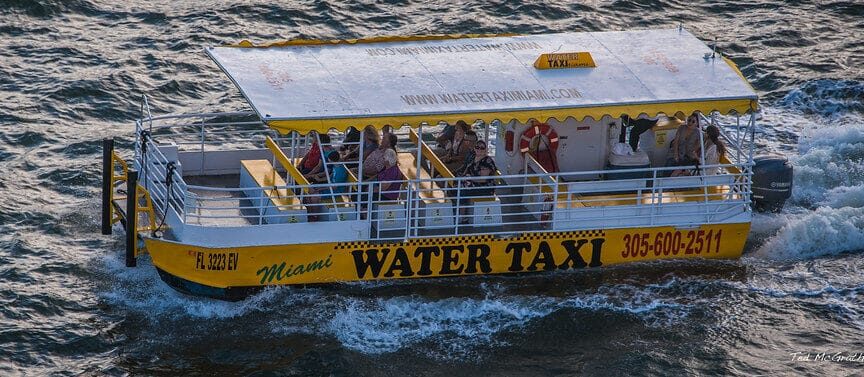
- Water taxi: Services run from Miami Beach to downtown during the tournament — a scenic 20-minute crossing

3. South Beach and Ocean Drive
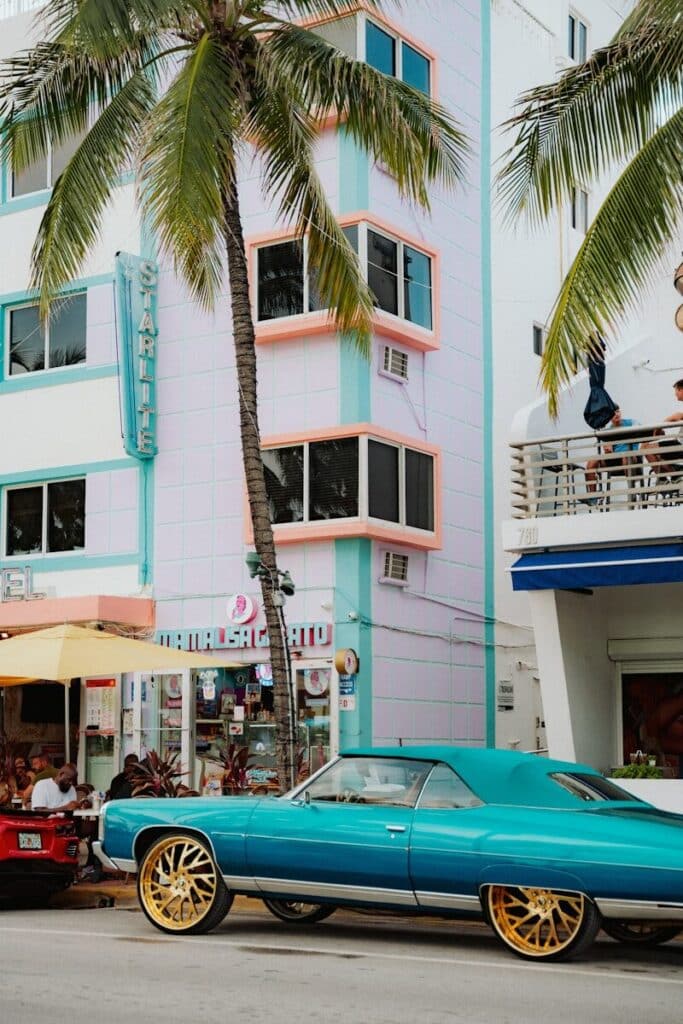
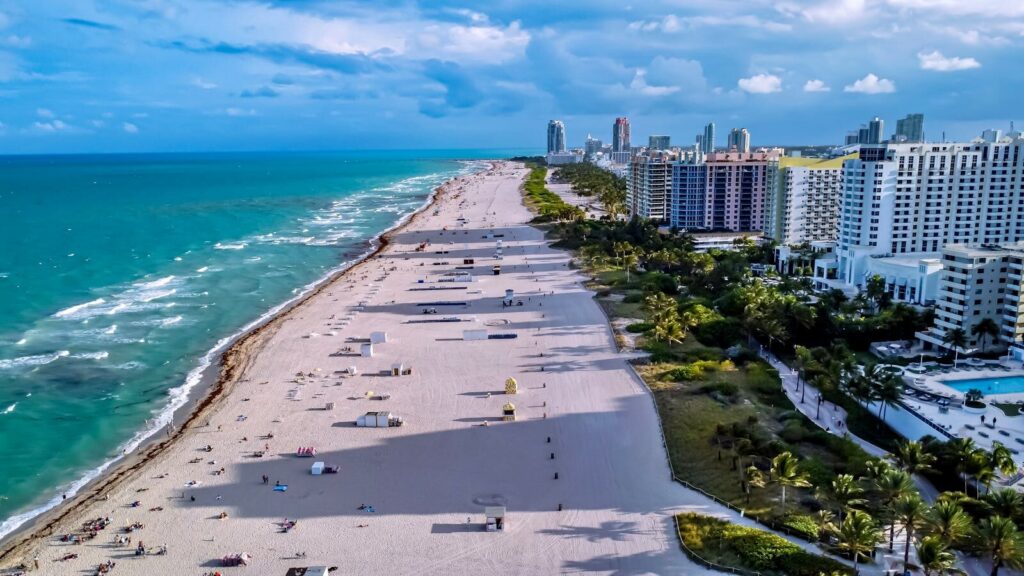
South Beach is Miami's most iconic destination — and during the World Cup, it will be at its most charged. The wide, white sand beach stretches for several kilometres along the Atlantic, backed by the pastel Art Deco buildings of Ocean Drive, one of the most photographed street façades in the United States.
Art Deco Historic District
The Art Deco Historic District runs along Ocean Drive and Collins Avenue between 5th and 23rd Streets — over 800 buildings from the 1930s and 1940s, recently restored to their original colours of pink, yellow, turquoise, and cream. The easiest approach is to walk north along Ocean Drive from 5th Street in the early morning (before 9am, before the day heats up and the foot traffic builds), when the light hits the buildings from the east and the beach is quiet.
The Wolfsonian-FIU museum at 1001 Washington Ave houses an extraordinary collection of design, propaganda, and decorative arts from 1885–1945 — a fascinating complement to the architectural walk outside. Admission is $15; Thursday evenings are free after 6pm.
The Beach Itself
Miami Beach is warmest in June and July, with Atlantic water temperatures around 28–30°C (82–86°F) — perfect for swimming. The busiest sections are between 10th and 14th Streets (Ocean Drive). Quieter sections are north of 23rd Street and south of 5th Street.
Lummus Park (between the beach and Ocean Drive, running from 5th to 15th Streets) is the local gathering space — morning exercise, afternoon football kick-abouts, and a natural social focal point during the World Cup. Expect informal football games on the grass throughout the tournament.
A word on the heat: Miami Beach in July is genuinely hot. A 2-hour early morning beach visit is comfortable; a 4-hour midday beach session is not, unless you are fully prepared with shade, water, and sun protection. Plan accordingly.
4. Wynwood Walls and the Arts District
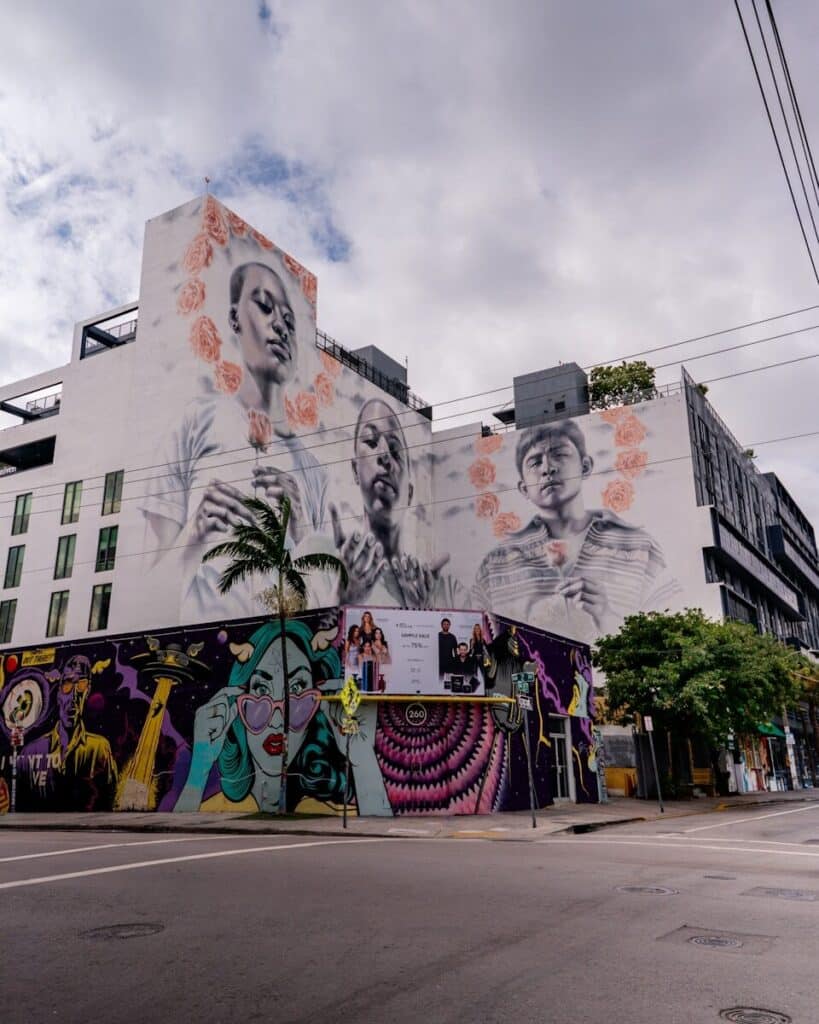
Wynwood is one of the most photographed neighbourhoods in Florida — a former garment and warehouse district that has transformed over the past 15 years into the world's largest outdoor street art museum. The Wynwood Walls at 2520 NW 2nd Ave are the centrepiece: a complex of warehouse walls covered by large-scale murals by over 120 artists from 25+ countries.
Entry to the outdoor Wynwood Walls is free during the day. The indoor Wynwood Walls Museum (an expanded gallery inside the complex) has a ticketed entry fee. The neighbourhood around the Walls — along NW 2nd Avenue, NW 25th Street, and NW 26th Street — extends the experience significantly, with murals on almost every building surface.
The Messi Mural
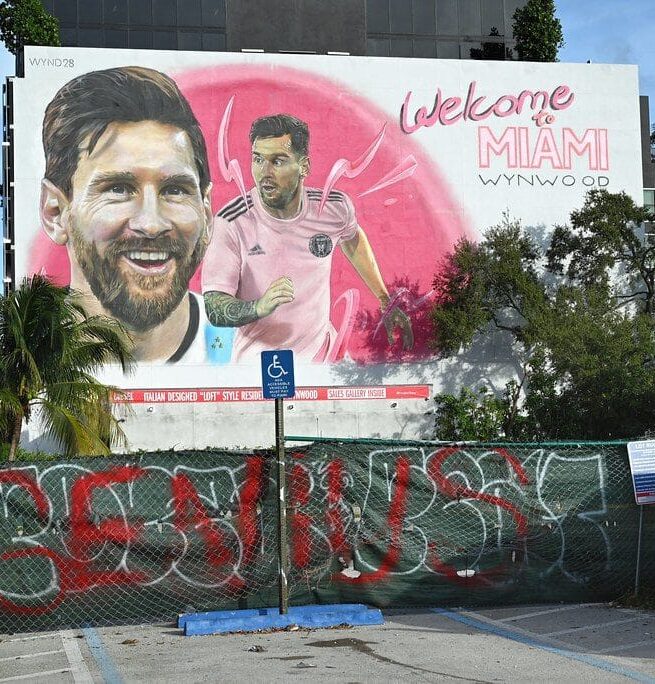
One of the most visited artworks in Wynwood during the World Cup period is the large-scale mural of Lionel Messi — painted following his role in Inter Miami CF's early seasons in South Florida and now one of the most photographed spots in the neighbourhood. Given Messi's cultural significance to the South American and Latin American communities that define Miami's football culture, this mural will have particular resonance during the 2026 tournament.
Wynwood Marketplace — Fan Zone and Viewing
The Wynwood Marketplace is one of Miami's confirmed fan zone locations during the World Cup — an outdoor market and events space at NW 2nd Ave that regularly hosts live events. During the tournament, expect large-screen viewing parties with the same outdoor festival energy that defines Wynwood's weekend events calendar. Good food options are directly on-site, and the neighbourhood's restaurants fill in the gaps. Grails Miami, the city's premier sports bar (see Section 6), is also in Wynwood.

5. Little Havana and Calle Ocho
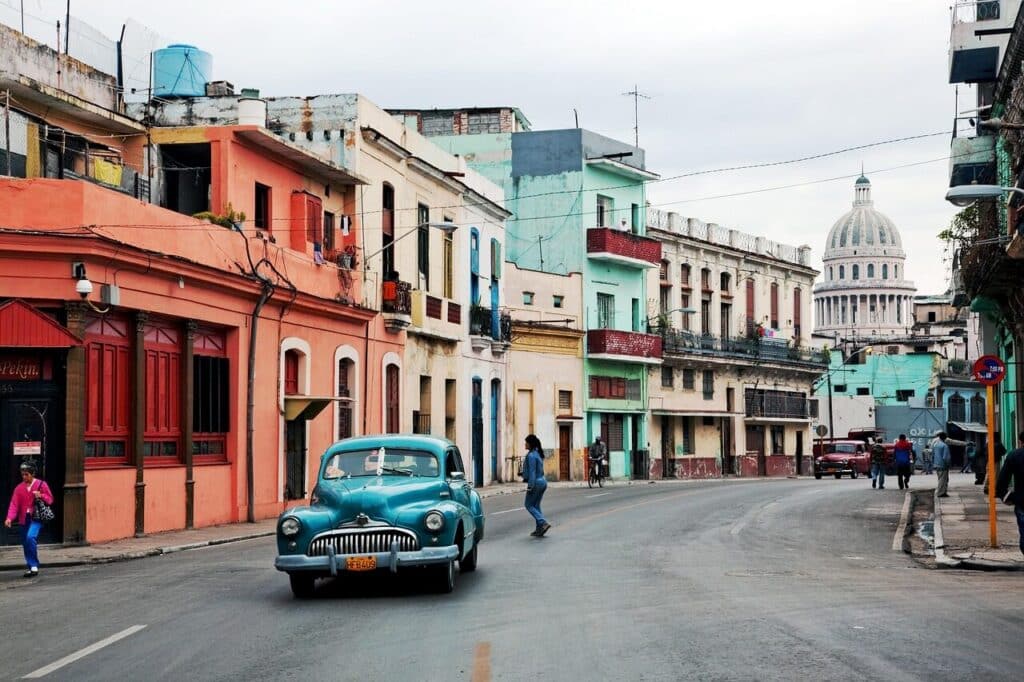
Little Havana is the cultural soul of Miami. It runs along SW 8th Street (Calle Ocho) from approximately SW 12th Avenue to SW 27th Avenue — a stretch of Cuban bakeries, cigar shops, fruit stands, domino parks, and live music venues that has been the heart of Miami's Cuban-American community since the 1960s.
During the World Cup, Little Havana will be one of the most genuinely atmospheric places in the city. Cuba is not among the 2026 participants, but the Cuban-American community's connection to Latin football runs deep — and the presence of Brazil, Argentina, Colombia, Uruguay, and Venezuela in the tournament means that Little Havana's football culture will be at full intensity from the first match.
What to Do in Little Havana
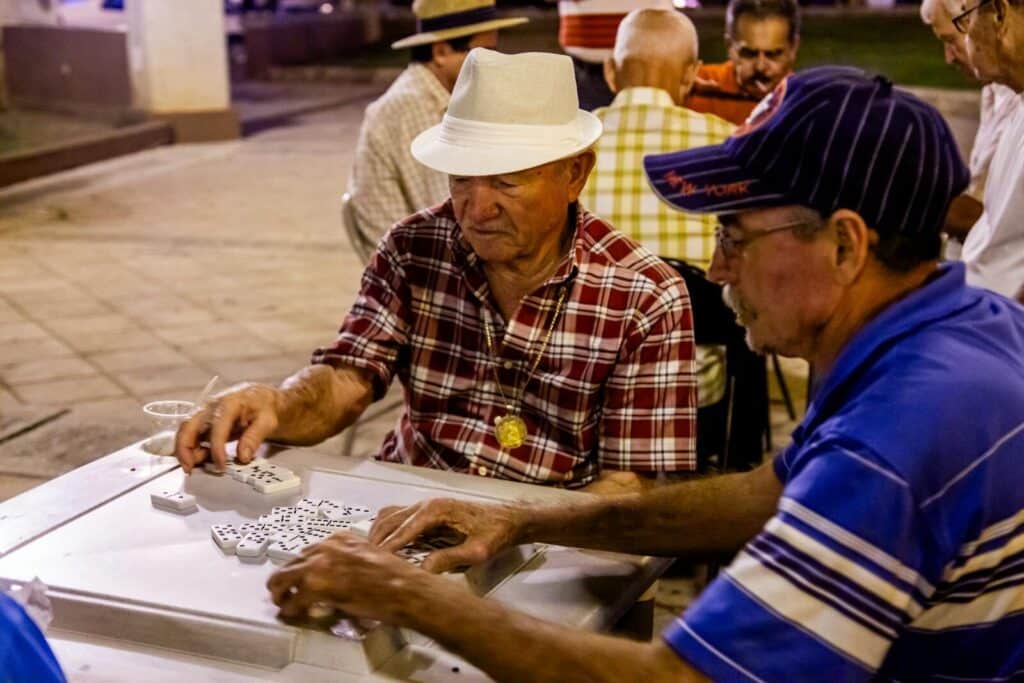
- Domino Park (Máximo Gómez Park): The corner of Calle Ocho and SW 15th Avenue — a small park where older Cuban men have played dominoes publicly since the 1970s. It is a genuine social institution and open to visitors. The best time to observe is in the afternoon.
- El Pub (1548 SW 8th St): One of the oldest restaurants on Calle Ocho, serving Cuban sandwiches, ropa vieja, and café cubano. No frills, excellent value, a local institution.
- Ball & Chain (1513 SW 8th St): A historic bar and music venue that has been part of Calle Ocho since 1935. Live music every night of the week — salsa, mambo, and Afro-Cuban jazz. During the World Cup, expect late-night football watch parties here on match evenings.
- Versailles Restaurant (3555 SW 8th St): Known as the “canteen of Cuban Miami” — a large, high-volume Cuban restaurant that has been operating since 1971. The café window on the street serves Cuban coffee and pastelitos to go; the best coffee stop on Calle Ocho.
- Walking tour: Several companies run guided Calle Ocho tours covering the art, history, food, and community of Little Havana — typically 2 hours, around $30–40 per person. Worth it if this is your first visit.
6. Watch at a Soccer Bar — Grails, Fritz & Franz, and More
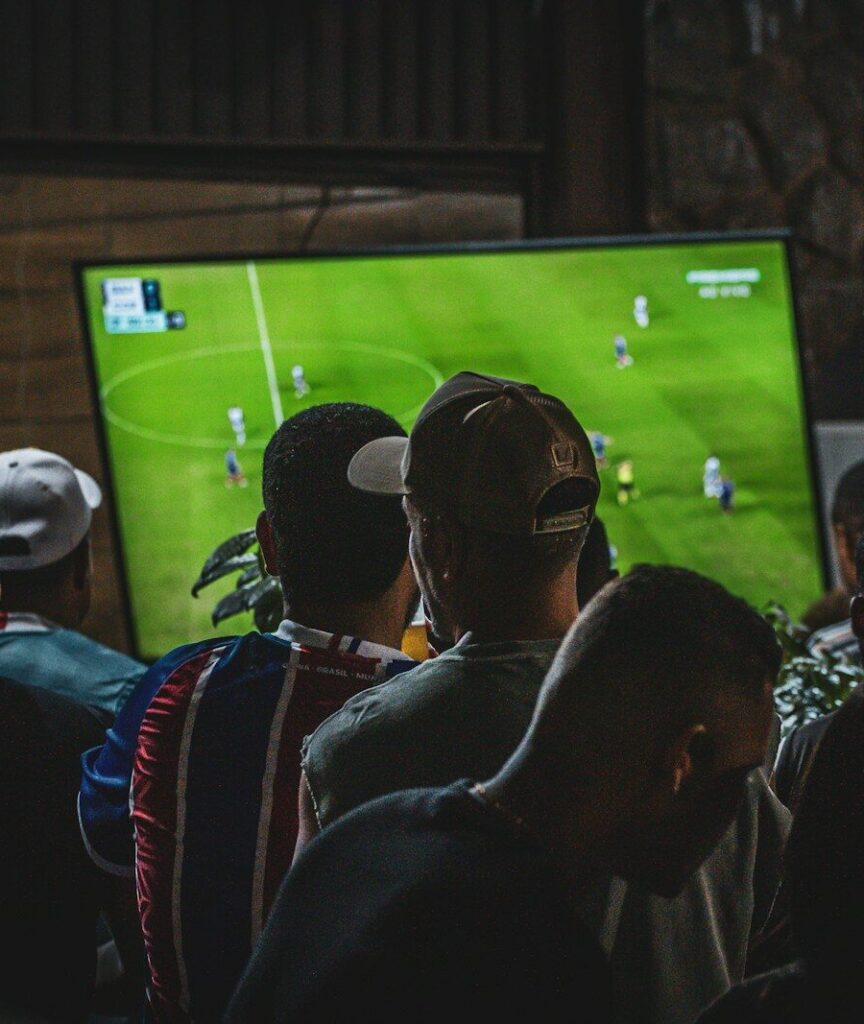
Miami has a strong sports bar culture for football — driven by a large Latin American immigrant population that has been watching international football seriously for decades. During the World Cup, the city's best venues will be extraordinary.
Grails Miami (Wynwood — the top recommendation)
Grails at 222 NW 24th St in Wynwood is the standout recommendation for World Cup viewing in Miami. It has over 70 televisions across two floors, a large indoor-outdoor bar, a menu of American sports food, and a reputation for the best match-day atmosphere of any venue in the city. The crowd is knowledgeable, international, and arrives early for major games. For the Brazil and Colombia matches in June, Grails will be at full capacity before kick-off — arriving 45–60 minutes early is essential.
Fritz & Franz Bierhaus (Coral Gables)
Fritz & Franz at 60 Merrick Way in Coral Gables is Miami's premier German sports bar — a genuinely themed biergarten with Bavarian beer, pretzels, and schnitzel, and a fiercely committed German football following. During Germany's group stage matches and the knockout rounds, this is the definitive Miami watch venue for German supporters. The Coral Gables location makes it accessible from South Miami and the University of Miami area.
Sports & Social at Dolphin Mall
Sports & Social at 11401 NW 12th St has one of the largest media walls in South Florida — a 50-foot display with over 30 HD televisions alongside it. It is a high-capacity venue suited to large groups on major match days, and its location near the Dolphin Mall (western Miami-Dade) makes it convenient if you're staying west of the city.
Bayshore Club and Biscayne Bay Brewing
For a more relaxed match-viewing environment with outdoor setting — Bayshore Club in North Bay Village has bay views and a mid-range food menu, while Biscayne Bay Brewing in Wynwood combines craft beer with reliable football programming. Both are good choices for group-stage matches where atmosphere is important but you prefer not to fight for space.
7. Biscayne Bay and Bayside Marketplace
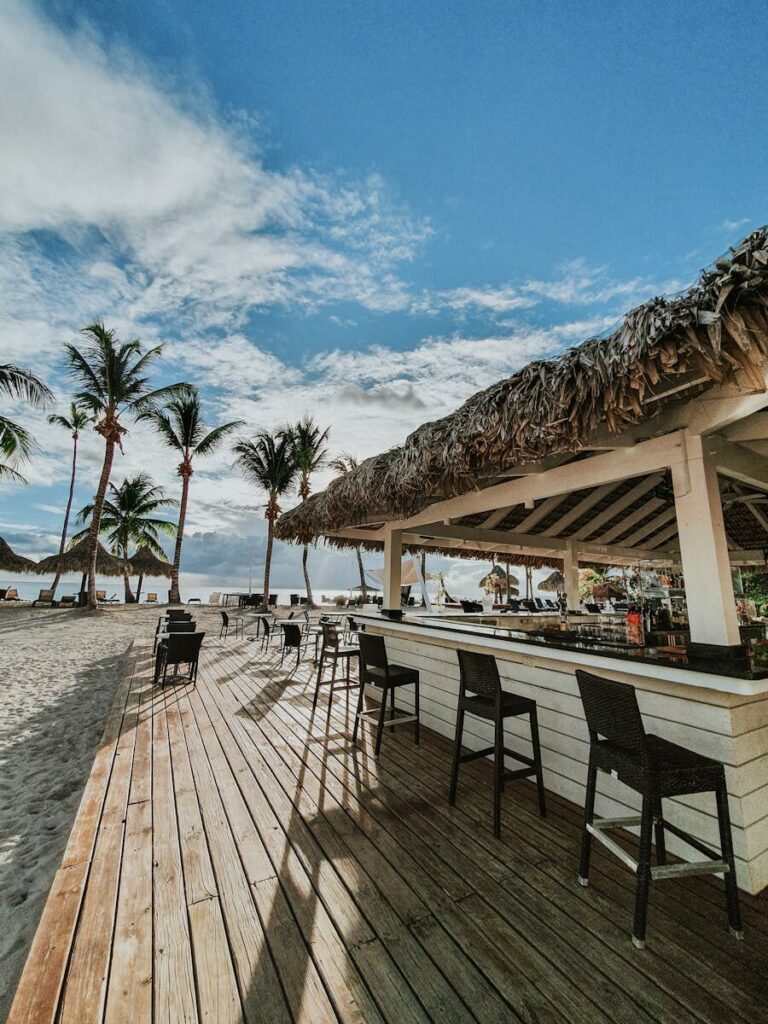
Bayfront Park and the Bayside Marketplace sit on the western shore of Biscayne Bay in downtown Miami — and the bay itself is as much a part of the Miami experience as the beach or the neighbourhoods.
Bayside Marketplace at 401 Biscayne Blvd is a waterfront shopping and dining complex with direct access to the Marina. It is primarily tourist-facing and not where Miami residents eat regularly — but as a base for the waterfront experience, it is well-located. The best reason to come here is the boat and water taxi access.
Water Experiences on Biscayne Bay
- Miami Duck Tours: Amphibious vehicle tours of downtown Miami that end by driving into Biscayne Bay — an unusual and genuinely fun 90-minute city orientation for first-time visitors
- Bay tours from Bayside: Multiple operators run 90-minute boat tours of the bay from the Bayside Marina, passing Millionaire's Row (the waterfront mansions on the barrier islands), the Port of Miami, and the Miami Beach skyline. Prices run $25–35 per person.
- Water taxi to Miami Beach: Water taxi services connect Bayside to various Miami Beach stops — a 20-minute crossing that gives you the best view of downtown Miami from the water. More scenic than the causeway road, and practical on days when driving to the beach is slow.
- Sunset cruise: Multiple evening cruise operators run from Bayside, particularly during the golden hour before dinner. The Miami skyline and bay at sunset is one of the best views the city offers.

8. Vizcaya Museum and Gardens
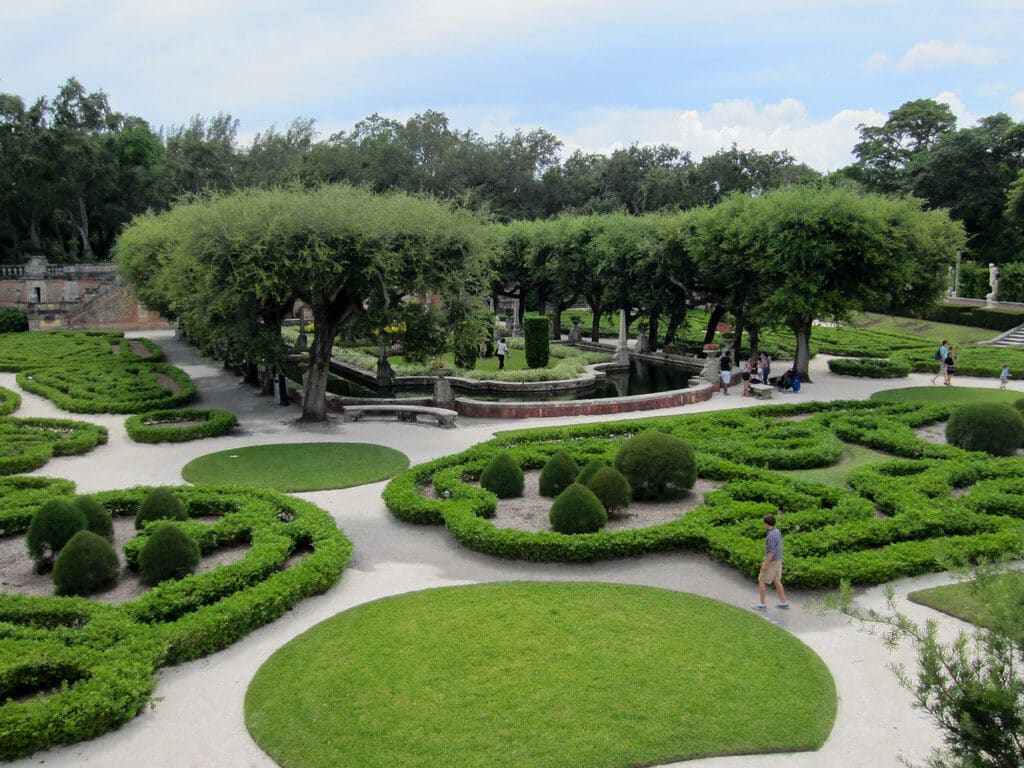
Vizcaya is the most unexpected attraction in Miami — a 1916 Italian Renaissance-style villa built by industrialist James Deering on the shore of Biscayne Bay in Coconut Grove, now a National Historic Landmark and one of Florida's most architecturally significant buildings.
The villa was built to resemble a 400-year-old Italian estate that had evolved over generations — the result is 34 decorated rooms filled with European antiques and art from the 1st to 19th centuries. The formal gardens behind the house were designed in the Italian baroque tradition, with fountains, stone balustrades, and native Florida planting merged into the same plan.
Admission is $22 for adults; children under 6 are free. The museum is open Wednesday through Monday, 9:30am to 4:30pm (closed Tuesdays). The easiest way to get here is by Miami trolley from Coconut Grove, or by rideshare from downtown — the address is 3251 S Miami Ave, approximately 6km south of Bayfront Park.
This is the best cultural half-day in Miami for visitors who want something beyond the beach and the bars — particularly on a rest day mid-tournament when the heat is at its peak and a shaded garden is genuinely welcome.

9. Take an Everglades Airboat Tour
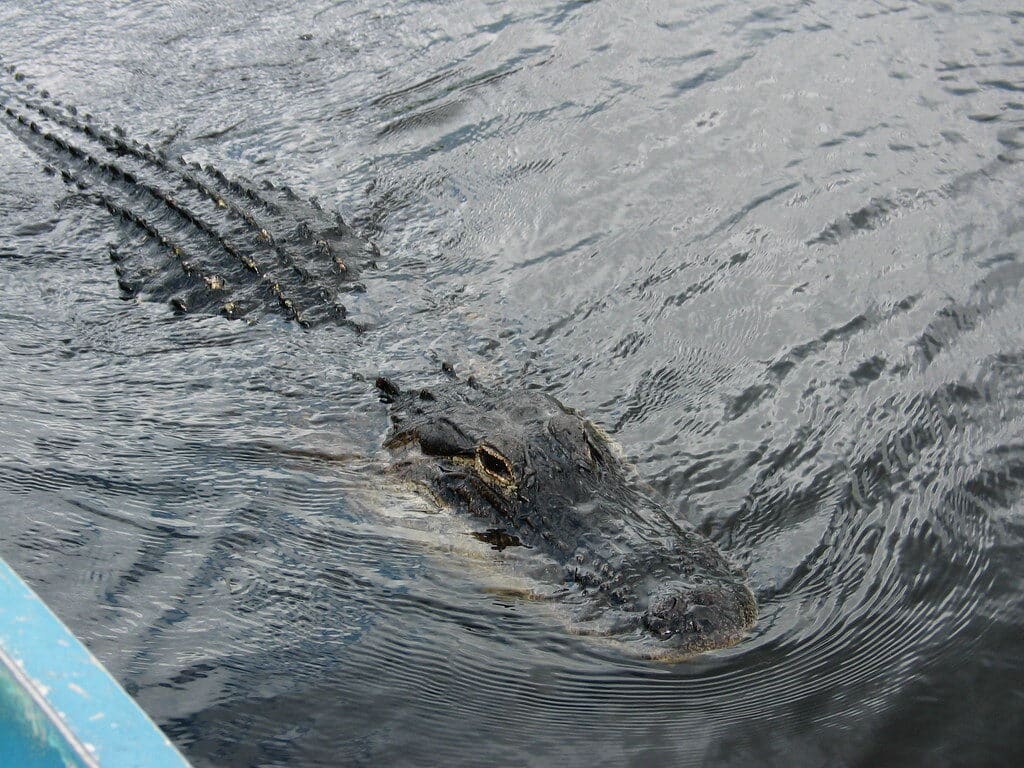
The Florida Everglades is one of the most unique ecosystems in the world — a slow-moving freshwater river 97km wide and 160km long, home to American alligators, Florida panthers, manatees, and over 300 species of birds. The closest access point to Miami is approximately 45–60 minutes by car or organised tour, making it a realistic half-day or full-day excursion from the city.
Airboat tours are the standard entry point — flat-bottomed boats powered by aircraft propellers that glide across the shallow sawgrass marshes. Tours run from multiple operators near the Tamiami Trail (US-41), the highway that cuts across the Everglades from Miami to Naples. Standard tours run 30–60 minutes and cost $25–45 per person. Longer tours with wildlife guides run 2–3 hours and are significantly more educational.
Recommended Operators Near Miami
- Everglades Airboat Tours (32 miles west of Miami): One of the most established operators on the Tamiami Trail, with 30-minute and extended tour options
- Wooten's Everglades Airboat Tours: Includes alligator wrestling demonstrations — relevant for families and visitors who want a more performative experience
- Private or small-group tours: Several operators run small-group naturalist tours that go deeper into the park and are more informative about the ecosystem
Practical note: If you're in Miami without a rental car, several companies run day-trip coach tours from South Beach and downtown Miami to the Everglades, including transport and tour cost bundled together. Prices run $60–90 per person. This is the easiest option for visitors who aren't renting a vehicle.
The Everglades tour is the clearest rest-day recommendation for the World Cup visitor who has already done South Beach and Wynwood — it provides a complete contrast to the urban experience and is unlike anything else available in any other World Cup host city.

10. Explore Coral Gables and the Design District
Miami's best neighbourhoods beyond the tourist axis of South Beach and Wynwood reward the visitor who has a day to slow down.
Coral Gables
Coral Gables was planned in the 1920s as a model city — wide Mediterranean-style boulevards, Spanish-inspired architecture, plazas, fountains, and lush tropical vegetation. It is one of the most pleasant walkable environments in the greater Miami area, with significantly lower energy than South Beach or Wynwood.
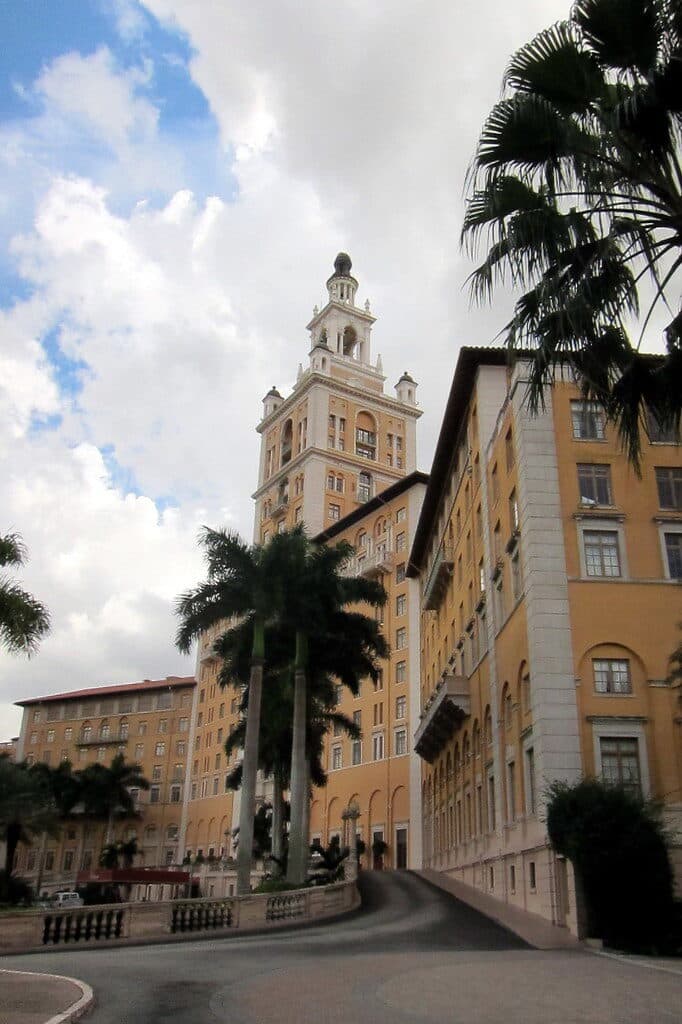
The centrepiece is The Biltmore Hotel at 1200 Anastasia Ave — a National Historic Landmark built in 1926, with a grand tower modelled on the Giralda in Seville. The Biltmore's outdoor swimming pool (one of the largest in the continental US) is open to non-guests through a day-pass programme. The surrounding Coral Gables streets — particularly Miracle Mile (Coral Way) and the Giralda Plaza pedestrian area — have good independent restaurants, wine bars, and coffee shops.
Fritz & Franz Bierhaus (covered in Section 6) is also here — combining a World Cup viewing evening with an afternoon in Coral Gables makes for a good full-day itinerary.
Miami Design District
The Design District is a luxury retail and cultural quarter about 10 minutes north of Wynwood, running along NE 38th and 40th Streets. The architecture is striking — conceived as an open-air design campus with buildings by Sou Fujimoto, Aranda/Lasch, and other contemporary architects. The Institute of Contemporary Art Miami (ICA Miami) is here, with free admission, a strong rotating programme, and a genuine connection to the city's art world (as distinct from the more commercially oriented Art Basel programming).

Where to Stay in Miami During the World Cup
Accommodation in Miami during the World Cup will be in high demand across all neighbourhoods — particularly in the weeks covering the group stage fixtures in June and the quarterfinal in July. Prices will be significantly above normal. Book as early as possible: World Cup match weeks are already showing limited availability at most price points.
Best areas to stay
- South Beach: The most central option for the beach, Ocean Drive, and walking distance to Wynwood. It is the most expensive area and the most tourist-dense — but for first-time Miami visitors who want everything within reach, it works well.
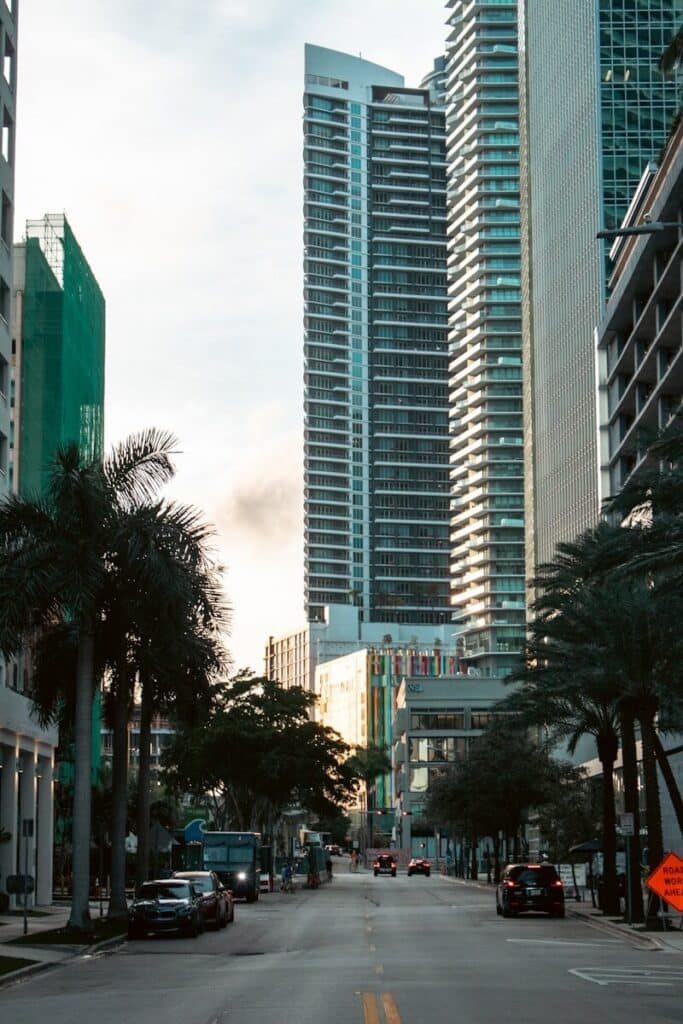
- Brickell (downtown Miami): The most practical base for World Cup visitors focused on the Fan Festival and stadium transport. Bayfront Park is walking distance, the Metromover is free, and the Brightline to Hard Rock Stadium runs from MiamiCentral nearby. Generally better value than South Beach.
- Wynwood / Midtown: Good for visitors who want walkability to the arts district and Grails Miami. A mid-range option with more independent character than South Beach. Less convenient for the stadium than Brickell.
- Coral Gables / Coconut Grove: Quieter residential areas south of downtown, suitable for visitors who want to avoid the tourist intensity of South Beach. Good public transport connections to the Fan Festival and stadium.

Find hotels, apartments, and beach stays across Miami for your trip and World Cup matches.
What to Budget for a Match Day in Miami During the World Cup 2026
Here is a realistic estimate for a single match day at Hard Rock Stadium — covering transport, food, and entry:
| Item | Estimated Cost |
|---|---|
| Match ticket (group stage. secondary market) | Varies significantly — check current listings |
| Brightline / shuttle return | $15–25 |
| Food and drinks at stadium | $30–50 |
| Pre-match meal or drinks in the city | $25–50 |
| Rideshare to/from transit hub | $15–30 |
| Total (excluding ticket) | approx. $85–155 |
The biggest variable is the match ticket itself — secondary market prices for the Brazil and Colombia vs Portugal fixtures will be considerably higher than the group stage average. Food and drink inside Hard Rock is standard US stadium pricing, meaning it is not cheap. The pre-match window in Wynwood or Little Havana is generally the better value option for food before you head north to Miami Gardens.
Note: Ticket prices vary widely depending on the fixture, phase, and platform. For current availability and pricing, check verified platforms directly.
Planning Around Miami's June/July Heat
This is important enough to address directly. Miami in June and July is hot, humid, and prone to afternoon thunderstorms. Average daytime temperatures run 30–33°C (86–91°F), with humidity that makes it feel 5–8 degrees warmer. Afternoon thunderstorms — particularly between 3pm and 6pm — are a regular feature of the summer season.
The practical implications for a World Cup itinerary:
- Schedule outdoor activities in the morning: The beach, Wynwood walking, Little Havana strolling, and the Bayfront Park Fan Festival are all better in the morning (8–11am) when temperatures are 26–28°C and humidity is lower
- Midday indoors: The hottest period (11am–3pm) is best spent in air-conditioned spaces — museums, restaurants, shopping, or the hotel. This is normal Miami behaviour, not tourist weakness
- Evening energy: Miami's best atmosphere — restaurants, bars, music, the Fan Festival — is in the evening from 6pm onward. Many of the best 6pm kick-offs are perfectly timed for this
- Hydration: Serious. Carry water at all times when outside. Heat exhaustion is a real risk in Miami summer for people not accustomed to this climate
Staying Connected in Miami
Miami is a complex city to navigate — Uber, Google Maps, Brightline train schedules, Fan Festival live updates, and restaurant reservations all require reliable data. International roaming from most European, Asian, or Australian carriers on a home SIM can cost $8–15 per day in the US and often throttles speed after a usage threshold.
A US eSIM installed before departure gives you a full-speed local data plan from the moment you land at MIA. Plans covering the entire USA are available for $15–25 for 7–14 days — significantly cheaper than daily roaming passes, and more reliable during peak-use periods around major matches. The same plan works across all 16 World Cup host cities, making it practical for multi-city tournament itineraries.
➡ Best eSIM for World Cup 2026
Frequently Asked Questions
What matches are being played at Hard Rock Stadium during the World Cup 2026?
Hard Rock Stadium is hosting seven matches in total. The confirmed group stage fixtures are: Saudi Arabia vs Uruguay (June 15, 6pm ET), Uruguay vs Cape Verde (June 21, 6pm ET), Scotland vs Brazil (June 24), and Colombia vs Portugal (June 27). The stadium also hosts a Round of 32 match (July 3, 6pm ET), a Quarterfinal (July 11, 5pm ET), and the Third-Place Match (July 18, 5pm ET). Brazil and Colombia vs Portugal are the headline fixtures for Miami's football-passionate Latin American community.
Where can I still get tickets for World Cup matches in Miami?
Check FIFA.com/tickets first for any officially released inventory — FIFA periodically makes additional tickets available throughout the tournament. The official fan-to-fan resale platform on FIFA.com allows ticket holders to resell at face value, which is the safest secondary option. Verified resellers such as StubHub and SeatGeek also list tickets; prices are typically well above face value, particularly for the quarterfinal and third-place match at Hard Rock. Always use a platform with buyer protection and avoid purchasing from individuals outside official channels.
Where is the FIFA Fan Festival in Miami and when does it run?
The official FIFA Fan Festival is at Bayfront Park in downtown Miami, running from June 13 to July 5, 2026 — 23 days, free to attend without a match ticket. Bayfront Park sits on the western shore of Biscayne Bay, with the downtown skyline as its backdrop. It includes live match broadcasts on large screens, entertainment, cultural performances, food, and interactive football activities. It is accessible by Metromover (free, Bayfront Park stop), Metrorail to Government Center, or water taxi from Miami Beach.
How do I get from Miami or Miami Beach to Hard Rock Stadium on match day?
Hard Rock Stadium is in Miami Gardens, about 27km north of downtown Miami. The most reliable options are the Brightline train from MiamiCentral station (with a Miami Gardens station expected to be operational in 2026) or official match-day shuttle services from designated downtown and Miami Beach pickup points. Driving is possible but traffic on match days is severe. Allow 90 minutes total journey time from downtown Miami to be inside the stadium before kick-off, regardless of method.
What is the weather like in Miami during the World Cup in June and July?
Hot and humid. Daily highs run 30–33°C (86–91°F) with high humidity, making it feel warmer. Afternoon thunderstorms are common, particularly between 3pm and 6pm. The practical strategy is to schedule outdoor activities in the morning, rest or stay indoors during the hottest midday hours, and embrace Miami's excellent evening culture from 6pm onward. Hard Rock Stadium has shade structures over most seating areas; the Bayfront Park Fan Festival is outdoors and requires sun protection.
Which is better for World Cup watching — Grails Miami or Fritz & Franz?
They serve different purposes. Grails in Wynwood is the best all-round sports bar in Miami for any match — 70+ TVs, large capacity, great atmosphere, convenient for the Wynwood neighbourhood. Fritz & Franz in Coral Gables is specifically excellent for Germany matches and for fans who want a Bavarian beer hall experience rather than a standard American sports bar. If you're watching Brazil, Colombia, or Uruguay matches, Grails is the better atmosphere. If you're watching Germany specifically, Fritz & Franz is the destination.
What is the best area to stay in Miami during the World Cup?
Brickell (downtown Miami) is the most practical base overall — close to Bayfront Park, the Fan Festival, and the Brightline to Hard Rock Stadium, with generally better value than South Beach. South Beach is ideal if the beach and Ocean Drive are a priority, but it is more expensive and further from the stadium transport hub. For a quieter stay, Coral Gables and Coconut Grove offer good transport connections with less tourist density. Whatever you choose, book early — Miami during the World Cup will have limited availability across all price points.
Can I visit the Everglades as a day trip from Miami without a car?
Yes. Several operators run coach day-trips from South Beach and downtown Miami that include transport, airboat tour, and return transfer — typically $60–90 per person and 4–5 hours in total. These tours pick up from hotel areas in South Beach and Brickell. If you have access to a rental car, the Tamiami Trail operators about 32 miles west of Miami are cheaper and offer more flexibility in timing.
Final Thoughts
Miami is the World Cup host city with the strongest natural alignment between its identity and football. The Latin American population, the multi-continental fan cultures, the heat that feels like Copacabana in June — this city was not assigned to the 2026 World Cup at random. It earns the role.
Hard Rock Stadium's schedule — Scotland vs Brazil, Colombia vs Portugal, and the third-place match — is one of the strongest of any venue in the entire tournament. The Bayfront Park Fan Festival runs for 23 days. And the things to do in Miami during the World Cup 2026 stretch well beyond the football itself: the beach in the morning, Wynwood in the afternoon, Little Havana at night, and the Everglades on a rest day.
Plan for the heat, plan the Hard Rock transport early, and give yourself more time in Little Havana than you think you need.
➡ World Cup 2026 Travel Guide
➡ Best eSIM for World Cup 2026
➡ How to Get Around at the World Cup
Add your first comment to this post