


Table of Contents
Seattle is hosting six FIFA World Cup 2026 matches at Lumen Field — including USA vs Australia on June 19, one of the most anticipated USMNT fixtures of the tournament, and a Round of 16 match on July 6 that will carry significant knockout-round intensity. The stadium is the home of Seattle Sounders FC, one of the most passionate MLS supporter cultures in North America, and the pre-match pub environment around Pioneer Square — built over fifteen years of Sounders match days — is already one of the best football atmospheres of any host venue in the 2026 tournament.
Beyond the football, Seattle is the host city that most surprises first-time visitors. The city sits between Puget Sound and Lake Washington, with the Olympic Mountains to the west and Mount Rainier visible to the southeast — a natural setting that is, alongside Vancouver, the most dramatically beautiful of any city in the 2026 World Cup. Pike Place Market has been operating continuously since 1907. The Museum of Pop Culture holds Jimi Hendrix's guitar and Nirvana's history. The original Starbucks is on the Pike Place corner. The Bainbridge Island ferry leaves from the downtown waterfront every hour.
This guide covers everything you need to know about the things to do in Seattle during the World Cup 2026 — from attending a match at Lumen Field to exploring the city's distributed fan zone network, its neighbourhoods, and its natural surroundings. Seattle also has a different approach to fan zones than every other host city, and this guide explains what that means in practice.
At a Glance
| # | Thing to Do | Key Takeaway |
|---|---|---|
| 1 | Attend a match at Lumen Field (Seattle Stadium) | 6 matches — USA vs Australia (June 19). Belgium. Egypt. Iran. and a Round of 16 on July 6 |
| 2 | Seattle's Unity Loop — distributed fan zones | 9 official fan zones across Seattle and Washington State — Seattle Center is the main hub |
| 3 | Pike Place Market | One of the oldest continuously operating public markets in the USA — Pike Place fish throw. original Starbucks. and 200+ vendors |
| 4 | Space Needle and Chihuly Garden and Glass | The definitive Seattle experience — 360-degree views and the world's most extraordinary glass art installation |
| 5 | Museum of Pop Culture (MoPOP) | Jimi Hendrix. Nirvana. Kurt Cobain. and the full history of Seattle's extraordinary musical legacy |
| 6 | Pioneer Square — pre-match pub culture | Seattle's oldest neighbourhood and the natural World Cup fan zone — Occidental Square. The Central Saloon. and Sounders FC supporter pubs |
| 7 | Capitol Hill — food. music. and nightlife | The best evening neighbourhood in Seattle — Broadway corridor. restaurant density. and live music venues |
| 8 | Bainbridge Island by ferry | A 35-minute ferry crossing from downtown to a forested island with a walkable village. art museum. and the best skyline views in the region |
| 9 | Seattle Waterfront — aquarium. Great Wheel. and Olympic Sculpture Park | The newly redeveloped waterfront with a flagship aquarium expansion. a Ferris wheel. and free sculpture park |
| 10 | Day trip to Mount Rainier National Park | A 14.411-foot active volcano visible from the city — two hours to the park boundary for the most dramatic Pacific Northwest landscape available |
1. Attend a Match at Lumen Field (Seattle Stadium)
Lumen Field is the home of Seattle Sounders FC (MLS) and the Seattle Seahawks (NFL) — an open-air stadium in the SoDo neighbourhood, 1km south of downtown, with a notoriously loud atmosphere driven by a roof design that concentrates crowd noise. It consistently records some of the highest stadium noise levels in North American professional sport.
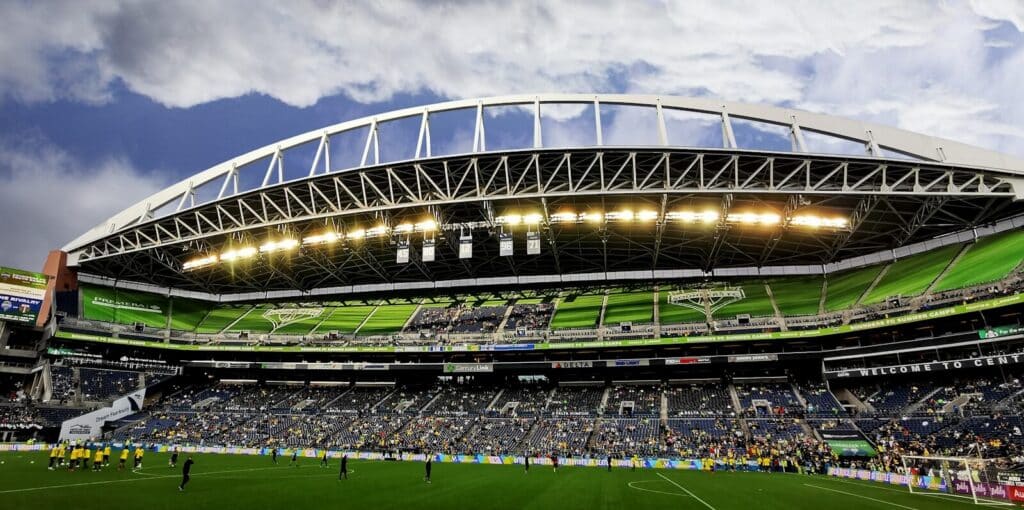
For the World Cup 2026, the stadium is operating as Seattle Stadium (as per FIFA venue naming conventions), hosting six matches between June 15 and July 6.
Full Match Schedule at Lumen Field
| Date | Match | Phase | Kick-off (PT) |
|---|---|---|---|
| Mon. June 15 | Belgium vs Egypt | Group Stage | 12:00 PM |
| Fri. June 19 | USA vs Australia | Group Stage | 9:00 AM |
| Wed. June 24 | TBD vs Qatar | Group Stage | TBC |
| Fri. June 26 | Egypt vs IR Iran | Group Stage | TBC |
| Wed. July 1 | Group G Winner vs Third-Place Team | Round of 32 | 1:00 PM |
| Mon. July 6 | TBD vs TBD | Round of 16 | 5:00 PM |
The USA vs Australia on June 19 is the headline fixture. The Pacific Northwest has the largest Australian expatriate population on the US West Coast, and Australia's qualification for the tournament brings a significant Socceroos following. Combined with the USMNT fanbase, this match will produce one of the most bicultural atmospheres of any fixture in the tournament — both sets of supporters, both national anthems, one of the most distinctive sporting environments in the competition.
Note the 9:00 AM PT kick-off — a very early start by any standard. This is a consequence of the tournament's global broadcast scheduling. Plan your morning around it: arrive at Pioneer Square from 7am, doors open 2+ hours before kick-off, bring coffee.
The June 15 Belgium vs Egypt match is also a strong draw — Belgium's “Golden Generation” players, though now in their 30s, include De Bruyne and Lukaku. Egypt's connection to Liverpool through Mohamed Salah (who at time of writing remains active at club level) will bring a global Egyptian fanbase to Seattle.
Getting to Lumen Field
Lumen Field has one of the most straightforward public transit connections of any World Cup venue in the USA.
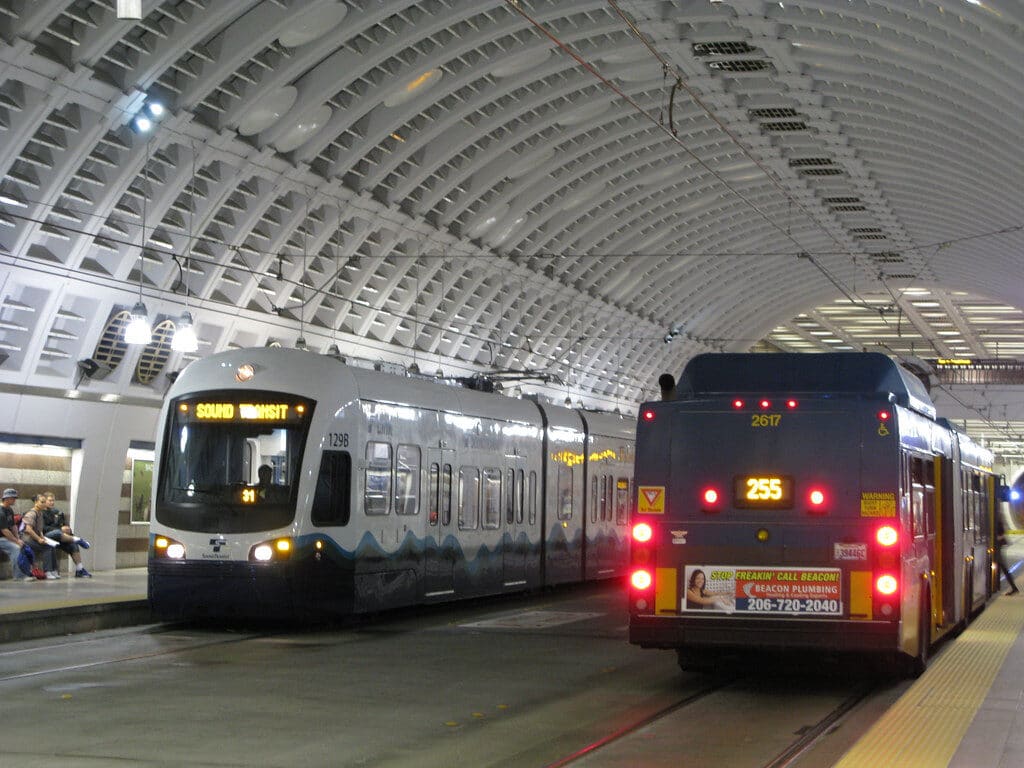
- Link Light Rail (recommended): Sound Transit's Link Light Rail runs from Seattle-Tacoma International Airport (SeaTac) through downtown to Stadium Station — which is a 2-minute walk from Lumen Field's main gates. From downtown King Street Station: 2 minutes on light rail. From SeaTac Airport: approximately 38 minutes, $3.25 one-way. There is no simpler stadium transit connection in any US host city.
- Walking from downtown: Pioneer Square is adjacent to the stadium — a 10-minute walk from King Street Station and from the waterfront.
- Driving: On-site parking in the SoDo area at $25–60 per match day. The Link Light Rail is a more reliable and cheaper option.
Getting Match Tickets for Seattle
If you don't have tickets yet, there are still legitimate options:
- Official FIFA sales: Check FIFA.com/tickets for any remaining availability. FIFA periodically releases returned or unsold tickets — worth checking regularly in the weeks leading up to each match.
- FIFA official resale: The fan-to-fan resale platform on FIFA.com allows ticket holders to resell at face value. This is the safest secondary option and keeps prices from being inflated.
- Verified resellers: Platforms such as StubHub and SeatGeek list tickets from private sellers. Prices on secondary markets are typically well above face value, particularly for knockout rounds and high-profile group stage fixtures like USA vs Australia. Always use a verified platform with buyer protection.
- Hospitality packages: Premium packages including tickets are available through On Location, the official FIFA hospitality provider. These include stadium access, dining, and dedicated entry — at a significant premium over standard ticket prices.
For price expectations: group stage tickets on the secondary market typically start from several hundred dollars. Knockout rounds are significantly more expensive. We recommend budgeting conservatively and using only verified platforms with buyer protection.
Stadium Bag Policy & Entry Rules
Lumen Field follows FIFA's standard clear bag policy for all World Cup matches. Make sure you know the rules before you arrive — security is strict and bags that don't comply will not be allowed in.
- Allowed: Transparent (clear) bags only, maximum 12″ x 6″ x 12″. Small clutch bags up to 4.5″ x 6.5″ are permitted regardless of material.
- Not allowed: Backpacks, opaque bags, drawstring bags, or any bag that exceeds the size limit.
- No outside food or drink: Sealed, empty water bottles may be permitted — check FIFA's latest guidelines before match day as this can vary by venue.
- Prohibited items: Selfie sticks, large cameras with detachable lenses, umbrellas, banners larger than the permitted size (check FIFA guidelines for current dimensions), and laser pointers.
- Arrive early: Plan to be at the stadium gates at least 60–90 minutes before kick-off. Security queues for high-profile matches — particularly USA vs Australia — will be significant.
If your bag doesn't meet FIFA's clear bag policy, you'll need to leave it somewhere before heading into the stadium. Several luggage storage services operate near Lumen Field and around the Pioneer Square and SoDo areas. Look for options within walking distance of Stadium Station or in Pioneer Square itself.
2. Seattle's Unity Loop — A Different Kind of Fan Festival
Seattle has taken a fundamentally different approach to the fan festival than any other host city in the 2026 World Cup. Rather than a single centralized FIFA Fan Festival venue, SeattleFWC26 has partnered with nine communities across Washington State to create a distributed network of official fan zones, connected by a route called the Unity Loop.
The Unity Loop links fan zones at:
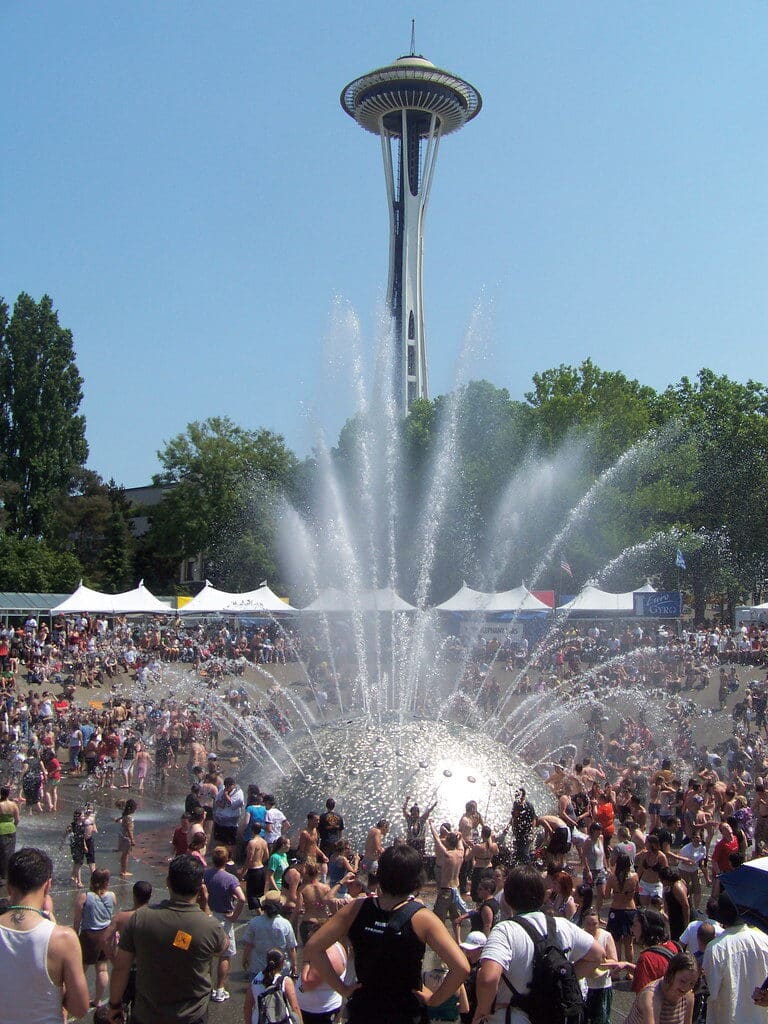
- Seattle Center (the primary hub — Space Needle campus, home of the main Fan Celebration with cultural programming, large-screen viewing, and food vendors)
- Waterfront Park (along the newly redeveloped Seattle Waterfront)
- Pacific Place (downtown shopping centre, central Seattle)
- Victory Hall (SoDo neighbourhood, adjacent to Lumen Field)
- Plus five additional sites across Washington State — including communities in the Puget Sound region
All Unity Loop locations are positioned along Sound Transit Link Light Rail, King County Metro buses, Seattle Monorail, Washington State Ferries, and water taxi routes. The city's stated goal is to distribute the economic benefits of the World Cup across more neighbourhoods and communities, with a specific commitment to ensuring BIPOC-owned and small businesses share in the tournament's economic activity.
For visiting fans, the practical implication is: there is no single “go here for the Fan Festival” answer in Seattle. The best approach is to use Seattle Center (Space Needle area) as the main fan hub for live viewing and the festival atmosphere, and explore the Waterfront Park and Victory Hall zones as extensions of the match-day experience.
Seattle Center — The Main Fan Hub
Seattle Center is the 74-acre campus built for the 1962 World's Fair — the Space Needle, Chihuly Garden and Glass, the Museum of Pop Culture, the Pacific Science Center, and the KeyArena / Climate Pledge Arena are all on the same grounds. The fan celebration here features live match broadcasts, cultural programming, interactive football activities, food vendors, and arts events.
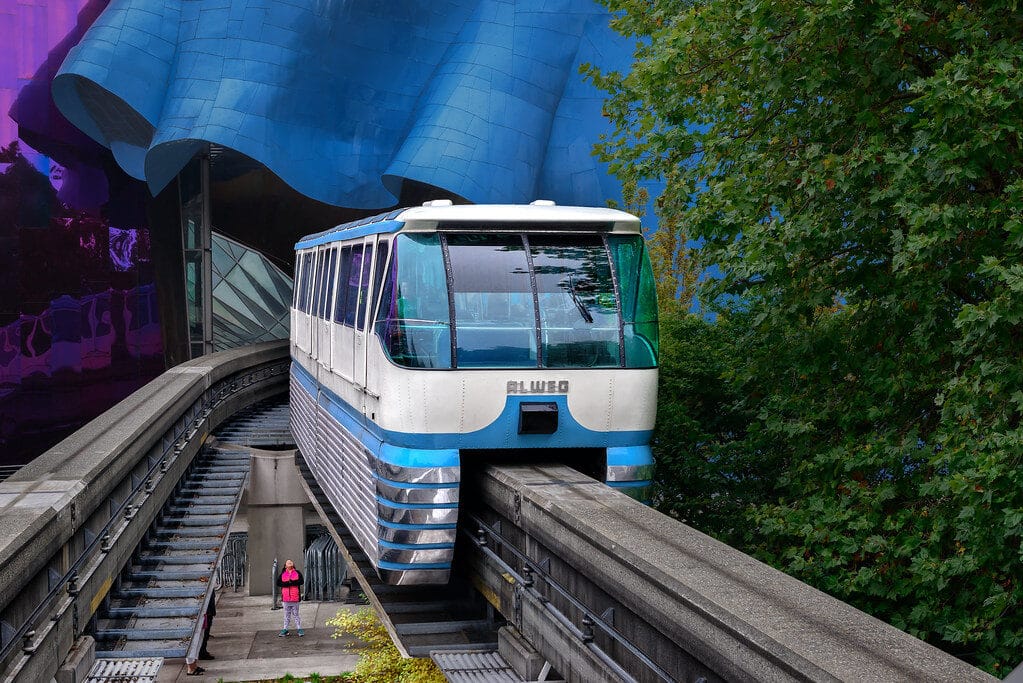
The Seattle Monorail runs from Westlake Center in downtown (directly above Westlake Station on Link Light Rail) to Seattle Center in approximately 90 seconds — one of the most charmingly efficient transit connections in the city. Fare: $3.50 each way.

3. Pike Place Market
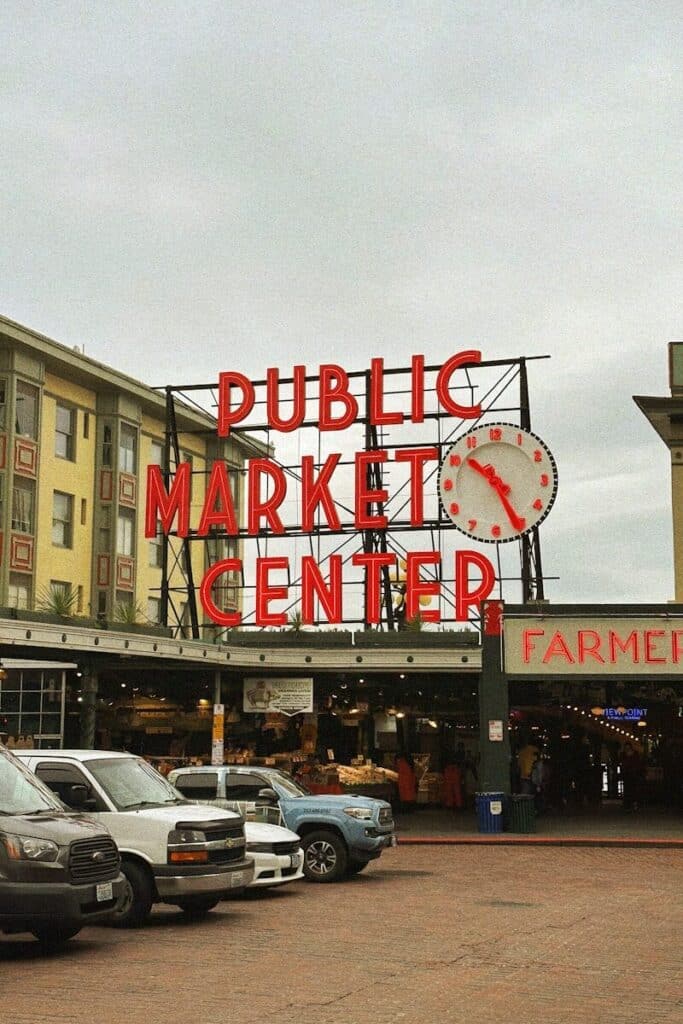
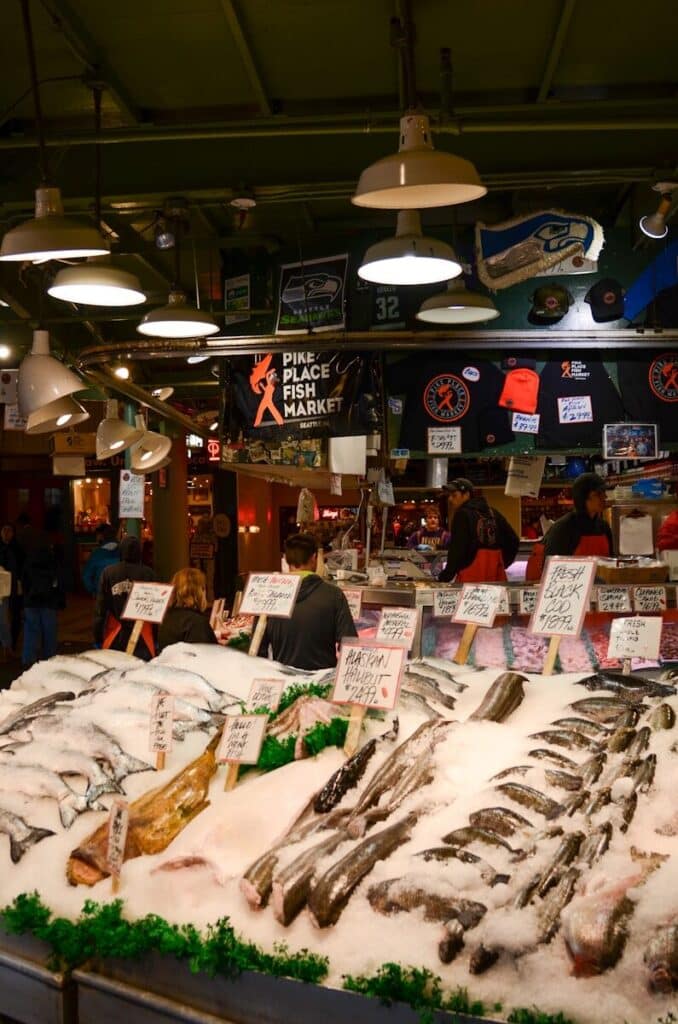
Pike Place Market at 85 Pike St has been operating continuously since 1907 — making it one of the oldest public farmers' markets in the United States. The nine-acre complex on the edge of the bluff above the waterfront houses over 200 independent vendors: fresh fish, local produce, flowers, artisan food, crafts, restaurants, and a collection of small specialty shops in the lower arcades that reward the visitor who goes beyond the main hall.
The flying fish at Pike Place Fish Company (the market's most photographed vendor) are a genuine institution — the fishmongers throw large salmon across the stall to each other as orders are packed, with the theatrical flair that has been part of the market's character for decades. It happens continuously during market hours; simply stand near the fish counter and wait.
What to Do in and Around Pike Place
- The Original Starbucks (1912 Pike Pl): The original Starbucks location, opened in 1971 and operating with a different logo and limited menu from the modern chain. Expect a queue; the experience is more historical than culinary, but the queue itself is a social ritual.
- Piroshky Piroshky: A Russian bakery in the market that makes fresh piroshky (stuffed pastries) throughout the day. The apple cinnamon roll and the smoked salmon piroshky are the most recommended items. One of the best casual eating spots in the entire market.
- Lowell's Restaurant (1519 Pike Pl): A three-floor diner with windows directly overlooking Elliott Bay — reliable American breakfast and lunch with one of the best water views available from any restaurant in central Seattle.
- Pike Place Chowder: A small counter-service chowder shop with regularly updated soup selections — the Sourdough Bowl of New England Clam Chowder is the standard order, for good reason. Queue is standard.
- Rachel the Pig: The market's bronze piggy bank sculpture at the main entrance — the traditional photo stop before entering.
4. Space Needle and Chihuly Garden and Glass
The Space Needle at 400 Broad St is Seattle's most recognisable structure — a 184-metre observation tower built for the 1962 World's Fair, with a rotating observation deck at 160 metres and a revolving glass floor in the main deck that extends the view straight down to the ground below. For World Cup visitors, the Space Needle provides the best orientation point for understanding Seattle's geography: the water on all sides, the mountains beyond, the compact urban grid below, and Lumen Field visible to the south.
Entry is approximately $37 for adults during the daytime; evening visits (after 7pm) cost slightly more. Book online to avoid the queue. Combination tickets with Chihuly Garden and Glass are available and recommended.
Chihuly Garden and Glass
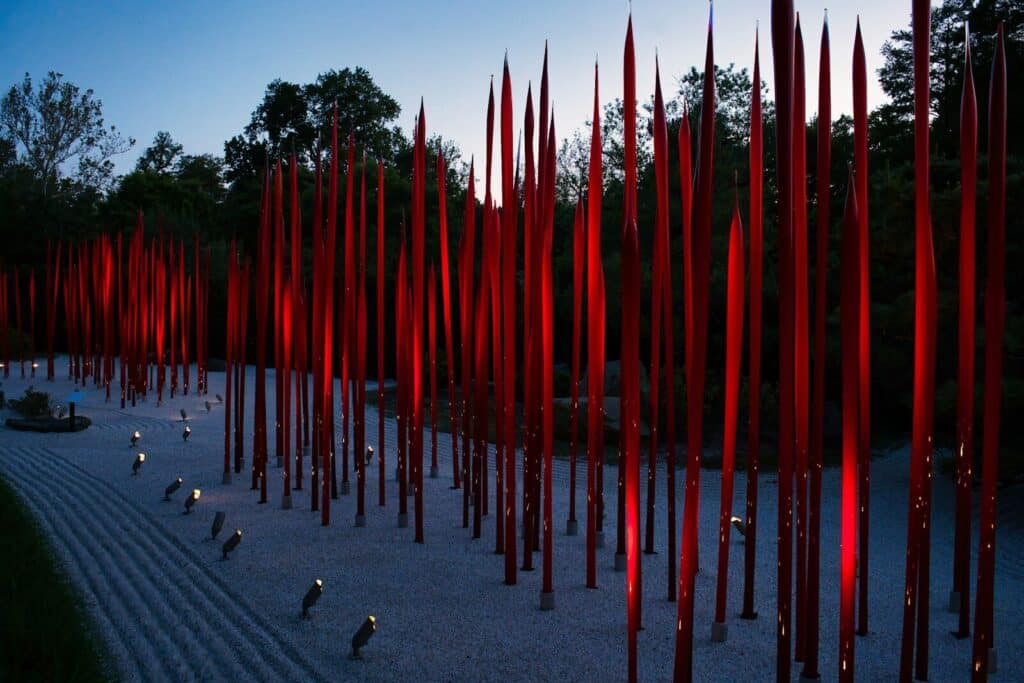
Immediately adjacent to the Space Needle at Seattle Center, Chihuly Garden and Glass is a museum dedicated entirely to the glass art of Dale Chihuly — a Washington-born artist whose large-scale glass installations are among the most visually extraordinary in contemporary art. The museum contains eight galleries of interior work and a glass house (the Glasshouse) featuring a single suspended installation 30 metres long, plus an outdoor garden where glass sculptures interact with the planted landscape.
Entry is approximately $32 for adults. Evening visits after the garden's artificial lighting activates (typically from 6pm) are significantly more dramatic than daytime — the illuminated glass in the outdoor garden and the Glasshouse at night is one of the most photographed experiences in Seattle. The proximity to the Fan Celebration at Seattle Center makes an evening at Chihuly a natural pairing with a Fan Festival visit before or after a match.

5. Museum of Pop Culture (MoPOP)
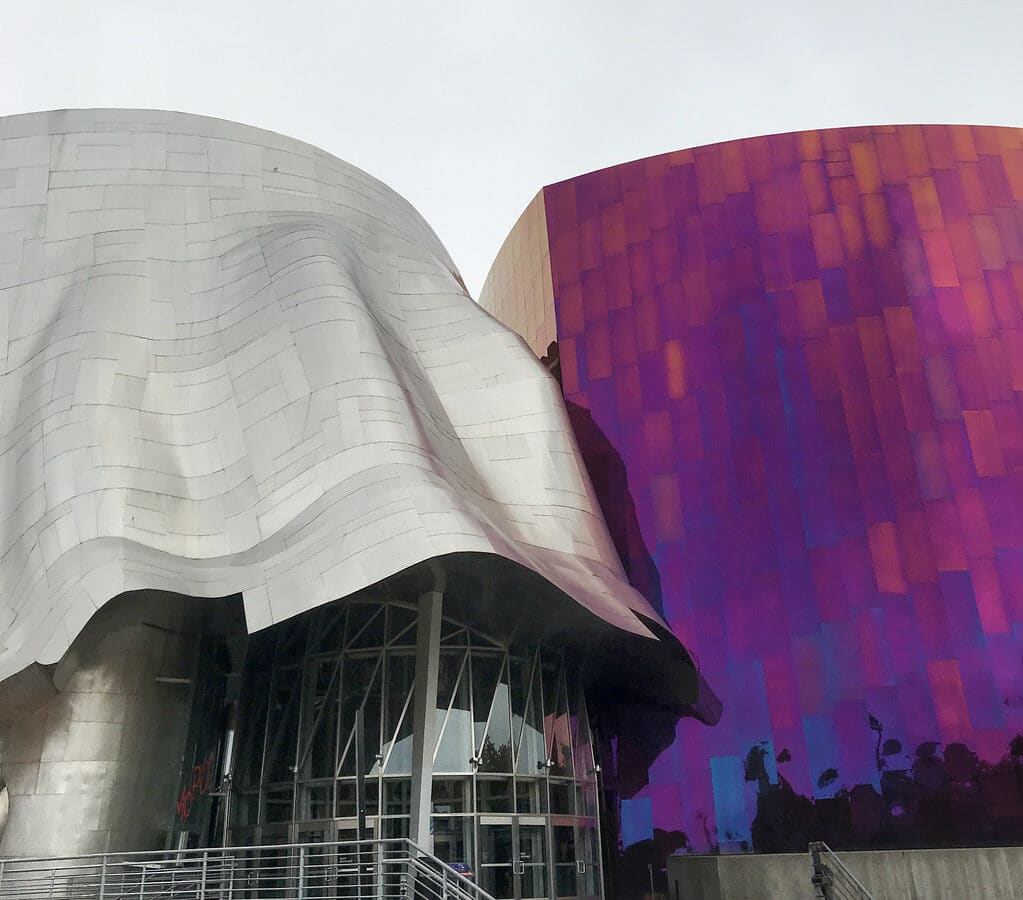
The Museum of Pop Culture at 325 5th Ave N is built in a Frank Gehry-designed building at Seattle Center — a structure of crumpled stainless steel and painted metal that looks different from every angle and is as much an architectural statement as the museum inside.
The collection covers the full history of popular music and pop culture, with particular depth in Seattle's own extraordinary musical legacy: Jimi Hendrix (born in Seattle, 1942), Nirvana and the grunge movement that emerged from Seattle in the late 1980s and early 1990s, Pearl Jam, Soundgarden, and the broader Pacific Northwest indie music scene. The Hendrix gallery contains original instruments, stage costumes, handwritten lyrics, and film footage that amount to one of the strongest single-artist museum presentations in any popular music institution globally.
Beyond the Seattle-specific material, MoPOP covers science fiction (an extensive collection including original Star Wars and Star Trek props), horror cinema, and the broader landscape of popular culture through rotating exhibitions. Admission is approximately $30 for adults. Allow 2–3 hours.

6. Pioneer Square — The World Cup's Best Pre-Match Neighbourhood
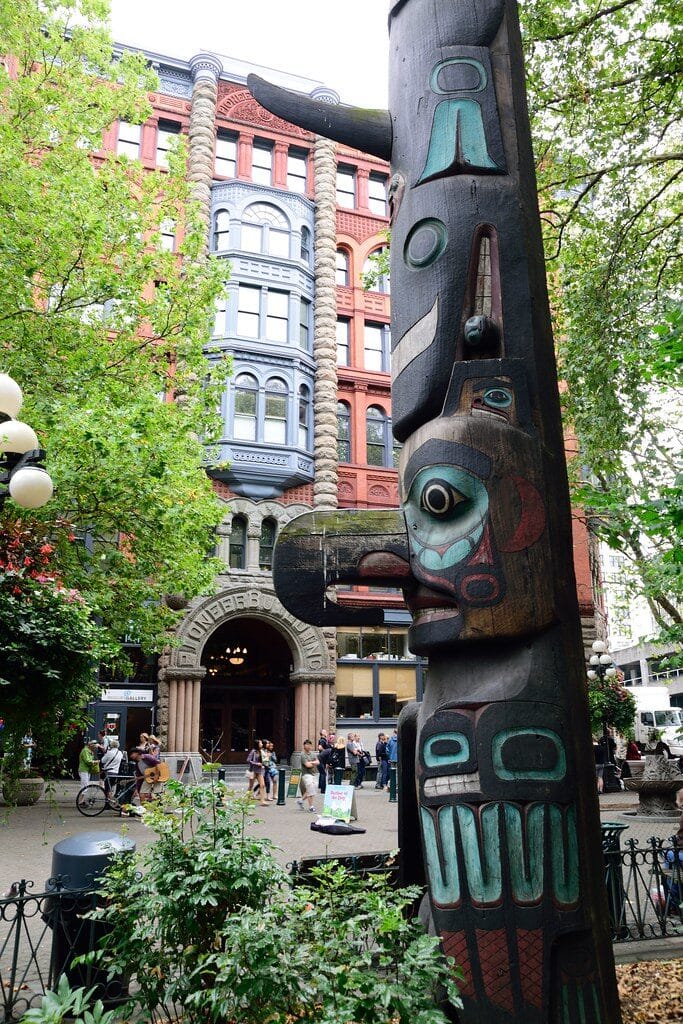
Pioneer Square is Seattle's oldest neighbourhood — the original settlement founded in 1852, now a district of Victorian-era red brick buildings, cobblestone streets, art galleries, and a bar scene that has served as the pre-match hub for Seattle Sounders FC supporters for fifteen years.
For World Cup 2026, Pioneer Square is the most natural and most concentrated fan zone outside the stadium itself. Its proximity to Lumen Field (10 minutes on foot from the stadium's main gate) and the existing football supporter infrastructure mean that the World Cup match-day atmosphere here will be the best pre-match environment in Seattle.
The Pioneer Square Match Day Experience
Occidental Square (Occidental Ave S, between S Main and S Jackson): The outdoor public plaza between 1st and 2nd Avenue South is the informal centrepiece of Pioneer Square match days — a cobblestone square with benches, public art, and surrounding bars that fills with fans from multiple nations in the hours before kick-off. Emerald City Supporters (ECS) and other Sounders FC supporter groups gather here for pre-match rituals that international fans are welcome to join.
The Central Saloon (207 1st Ave S): The oldest continuously operating bar in Seattle, open since 1892. Multiple screens, a mixed international fan crowd on World Cup match days, and an atmosphere that is genuinely more relaxed and convivial than a purpose-built sports bar. The Central Saloon's longevity is part of its character.
IrishTimes Pub (1520 2nd Ave): A reliable multi-screen football pub in downtown Seattle, with a strong international football following and good coverage of simultaneous matches on different screens.
Victory Hall (SoDo): The official World Cup fan zone in the SoDo neighbourhood adjacent to the stadium — confirmed as part of the Unity Loop, with large screens, food vendors, and fan activities specifically designed for matchday programming.
7. Capitol Hill — Seattle's Best Evening Neighbourhood
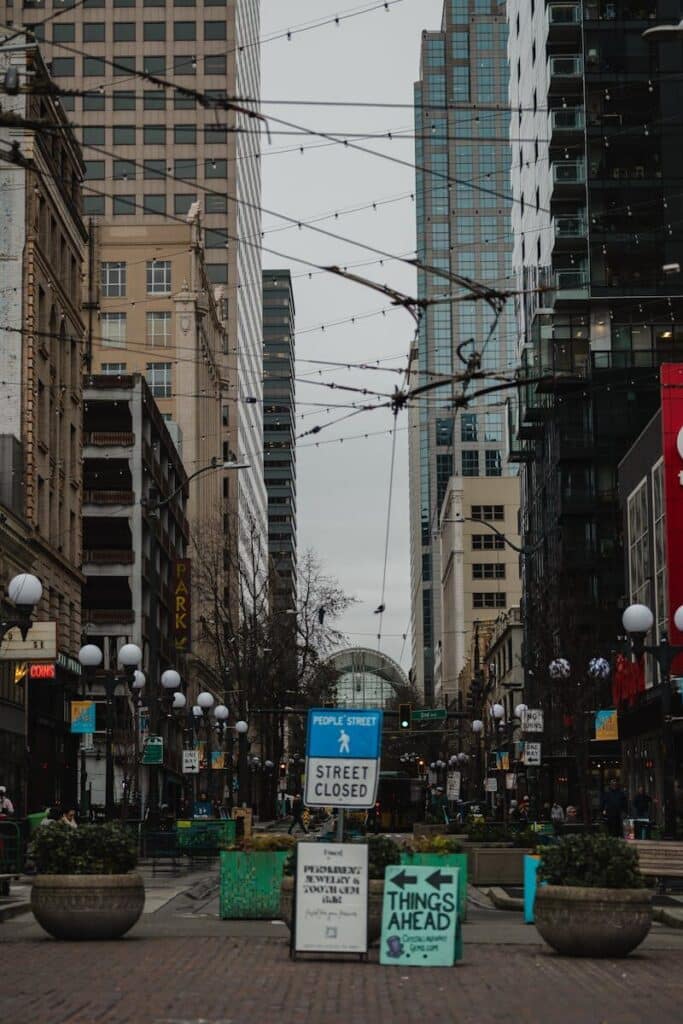
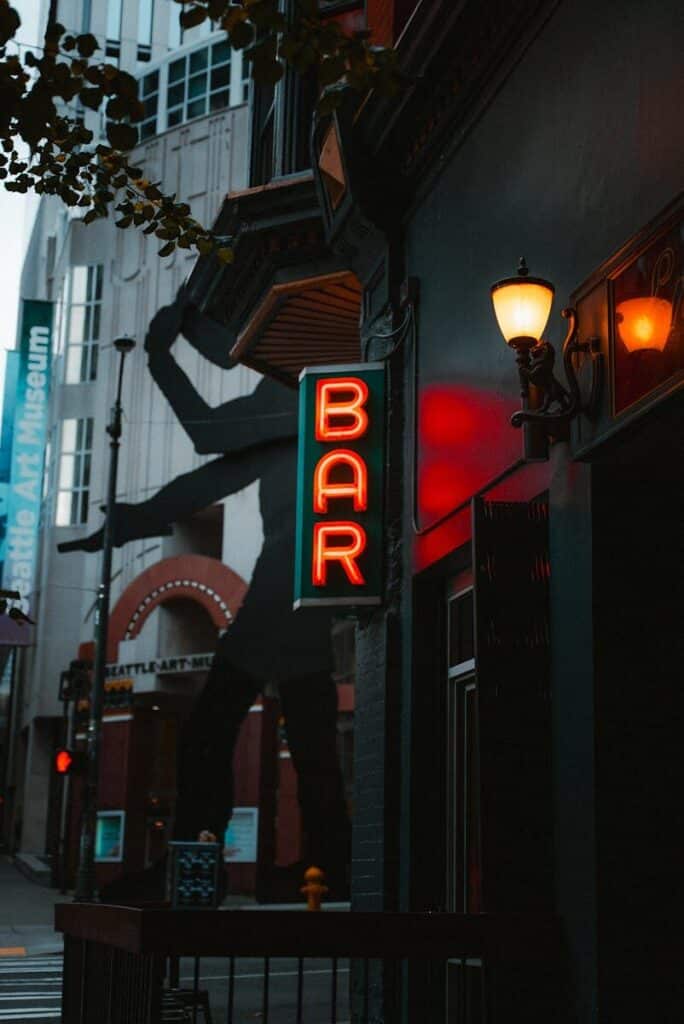
Capitol Hill is the neighbourhood that best represents Seattle's creative and social character — a dense, walkable grid of restaurants, coffee shops, music venues, bookshops, and bars approximately 2km east of downtown, accessible by Link Light Rail (Capitol Hill station, one stop from Westlake Center).
The neighbourhood is built around Broadway Ave E and Pike/Pine Streets — a T-junction of Seattle's strongest independent restaurant corridor. During the World Cup, Capitol Hill will be the evening destination of choice for fans who want to eat well, hear live music, and experience the city's genuine local culture rather than the more tourist-facing waterfront and downtown areas.
Key Capitol Hill Destinations
Volunteer Park: A 48-acre public park on the north side of Capitol Hill with the Seattle Asian Art Museum, a water tower observation deck with panoramic city views (free, open during park hours), and a Victorian conservatory (free). The park is the best green space in the neighbourhood for a pre-dinner afternoon break.
Eltana (1538 12th Ave): Wood-fired bagels and Middle Eastern-inspired café — one of the most distinctive breakfast options in Capitol Hill.
Altura (617 Broadway E): An intimate Italian fine-dining restaurant in the heart of Broadway that consistently appears on Seattle's best restaurant lists. Reservations essential — book 2 weeks in advance during the World Cup.
Neumos (925 E Pike St): One of Seattle's premier mid-size live music venues — touring acts across rock, indie, and alternative through June and July. Check programming; the venue runs shows on most nights and frequently books match-night supporting events.
Naomi Duguid: Capitol Hill's best independent cookbook and food writing shop — a niche recommendation but a genuinely excellent small bookshop in a city with strong independent bookselling culture.
8. Bainbridge Island by Washington State Ferry
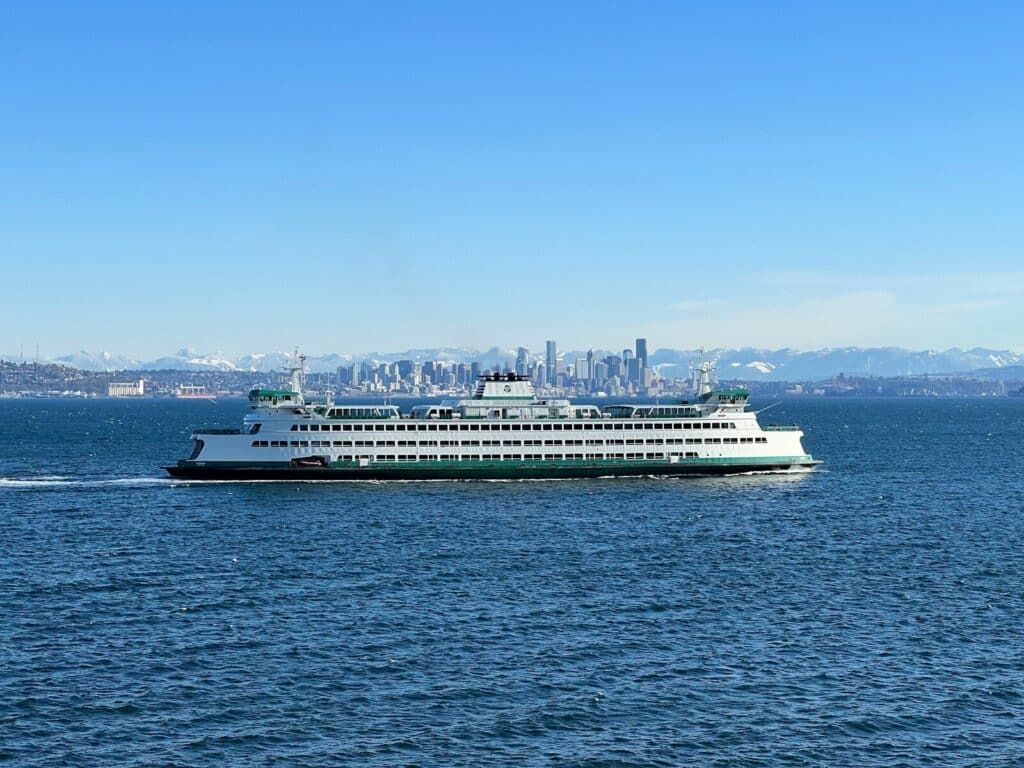
The Bainbridge Island ferry crossing from the Coleman Dock at Pier 52 downtown is one of the most memorable and most underused 35-minute journeys in the Pacific Northwest. The ferry is operated by Washington State Ferries — the same fleet that crosses Puget Sound daily for commuters and vehicles — and the crossing gives a view of the Seattle skyline retreating across the Sound, with the Olympic Mountains rising on the western horizon.
Foot passenger travel on the Bainbridge Island ferry is free westbound (Seattle to Bainbridge) for walk-on passengers. The eastbound return costs approximately $9.85 per adult (card payment accepted). Ferries depart from Pier 52 approximately every hour; the full crossing takes 35 minutes.
Bainbridge Island is a forested, low-density island of approximately 24,000 residents — accessible on foot from the ferry terminal through a small walkable village (Winslow) with independent restaurants, the Bainbridge Island Museum of Art (free admission, open daily, within 3 minutes walk of the ferry terminal), galleries, and a farmers' market on Saturdays.
Why It's Worth the Trip
For World Cup fans, the Bainbridge Island crossing serves a specific purpose: it is the most accessible and most complete mental break available from the intensity of the city. The 35-minute crossing — with a hot coffee from the ferry café, the Olympic Mountains ahead, the city behind — is one of the most genuinely calming short journeys in any World Cup host city. On a rest day between matches, a morning crossing, 2 hours on the island, lunch in Winslow, and a return crossing puts you back in Seattle by 2pm ready for an afternoon at Pike Place or an evening in Capitol Hill.

9. Seattle Waterfront, Aquarium, and Olympic Sculpture Park
Seattle's waterfront along Alaskan Way has been undergoing a major redevelopment — removing the elevated Alaskan Way Viaduct and replacing it with a pedestrian-friendly boulevard connecting the downtown core to the water for the first time in decades. By June 2026, the full waterfront redevelopment is substantially complete, creating a continuous walking route from the Olympic Sculpture Park in the north to the Coleman Dock ferry terminal and Pioneer Square in the south.
Seattle Aquarium Ocean Pavilion
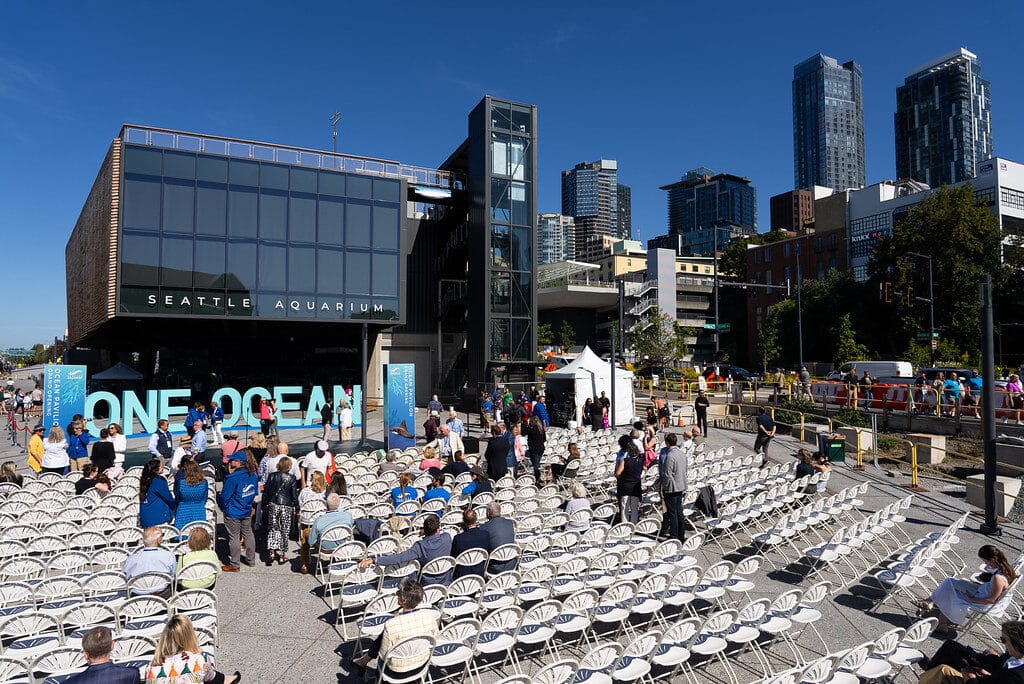
The Seattle Aquarium at 1483 Alaskan Way has opened a major new facility: the Ocean Pavilion — a 360,000-gallon tank showcasing creatures and plants native to the Indo-Pacific Coral Triangle, adding a warm-water marine counterpoint to the existing Pacific Northwest galleries. The full aquarium (both buildings) now represents one of the strongest urban aquarium experiences on the West Coast. Admission: approximately $42 for adults. Book online.
Seattle Great Wheel
The Seattle Great Wheel at Pier 57 is a 175-foot Ferris wheel on the waterfront pier — gondolas enclosed and climate-controlled, with waterfront and harbour views over Puget Sound. A 10–12 minute ride costs $16–19. A good rest option between activities or a post-match decompression with a view of the Sound.
Olympic Sculpture Park
The Olympic Sculpture Park at 2901 Western Ave, operated by the Seattle Art Museum, is a free outdoor sculpture park on nine acres of reclaimed industrial waterfront at the northern end of the waterfront corridor. Large-scale outdoor works by Alexander Calder, Richard Serra, Mark di Suvero, and Louise Bourgeois are installed across a zigzag path descending from Elliot Avenue to the waterfront. Free to enter, open daily from 30 minutes before sunrise to 30 minutes after sunset. One of the best free outdoor cultural experiences in any World Cup host city.

10. Day Trip to Mount Rainier National Park
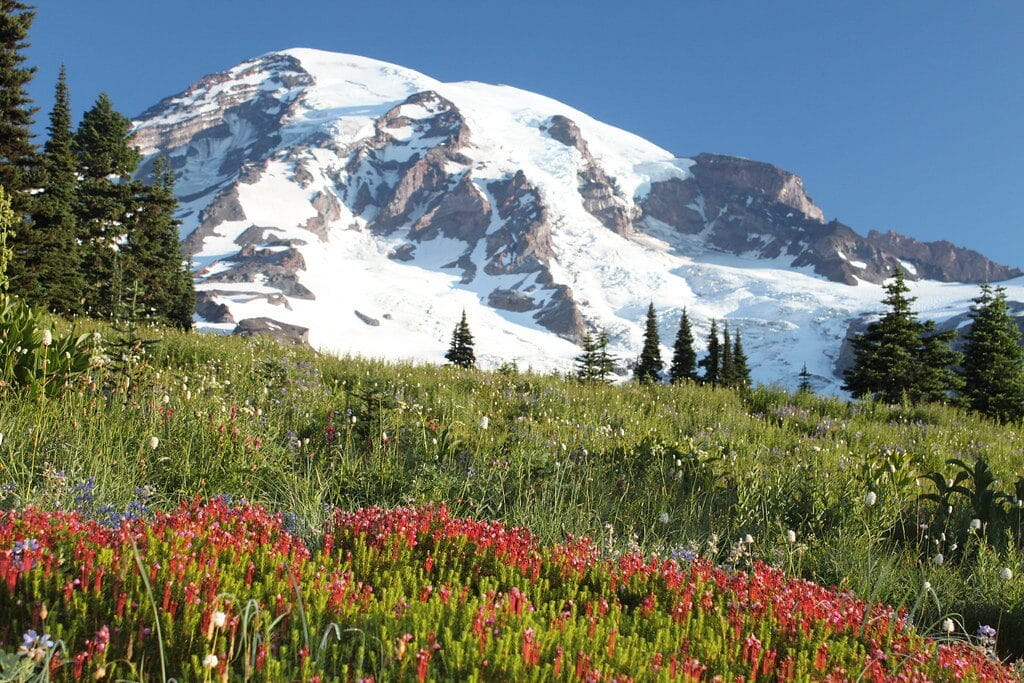
Mount Rainier is a 14,411-foot active stratovolcano — the tallest peak in the Cascade Range and one of the most visually commanding mountains in North America. On clear days (which are more common in July than June), it is visible from downtown Seattle as a massive white dome rising above the horizon to the southeast. It looks larger than it should be from that distance.
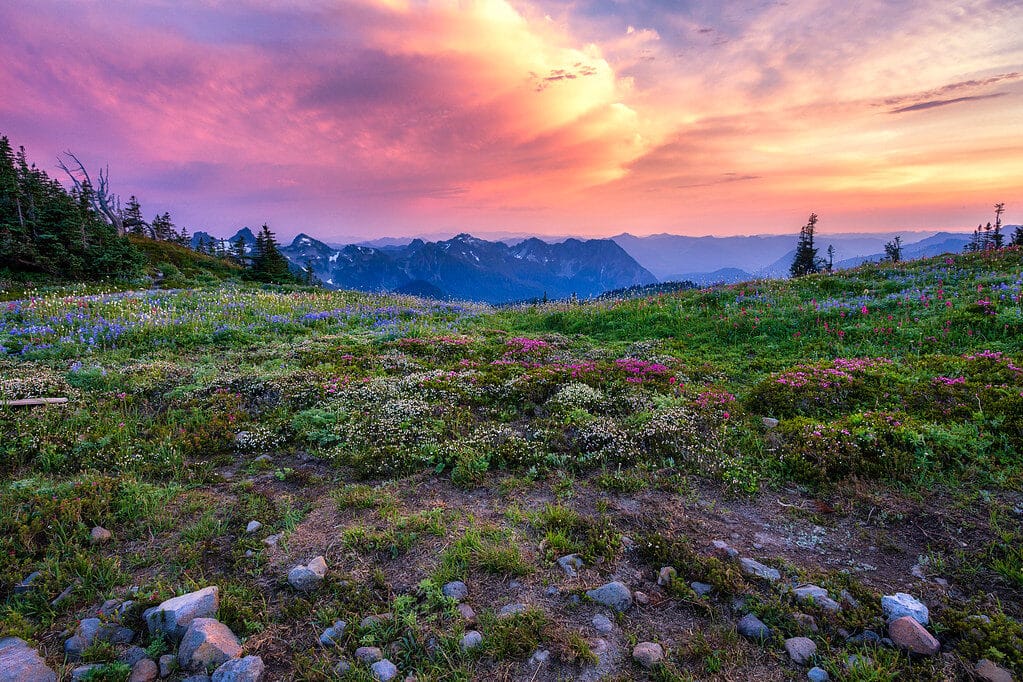
The national park boundary is approximately 100km from Seattle — a 1.5 to 2-hour drive depending on traffic. The two most accessible entry points are the Nisqually Entrance in the southwest (leading to Paradise, at 1,646m — the most popular visitor area, with wildflower meadows in July and a visitor centre with interpretive displays about the mountain's geology and glaciology) and the Carbon River Entrance in the northwest (leading to a temperate rainforest valley — less visited and distinctly different in character from Paradise).
Getting there without a car: Several day-trip coach operators run from Seattle to Mount Rainier during summer, departing from central pickup points (Westlake Center, Pike Place area). Standard day-trip packages run $70–110 per person including transport and a guided tour. The drive alone — through the Cascade foothills and approaching the mountain — is a significant part of the experience.
The Mount Rainier day trip is the definitive rest-day recommendation for Seattle — a total contrast to the city, more accessible than Whistler from Vancouver, and a landscape that reminds visitors how distinct the Pacific Northwest is from the urban cities hosting the rest of the tournament.
Where to Stay in Seattle During the World Cup
Demand for accommodation in Seattle during World Cup match weeks is high. Hotels in central areas — particularly around Pioneer Square, downtown, and Capitol Hill — are booking up quickly. If you haven't arranged accommodation yet, book as soon as possible; availability at reasonable prices narrows significantly as match dates approach.
Best Areas to Stay
- Pioneer Square: The best base for match-day convenience — a 10-minute walk from Lumen Field, with a strong pre-match pub culture and direct access to Stadium Station on Link Light Rail. Best for fans who want to be close to the stadium and in the thick of the match-day atmosphere.
- Downtown / Belltown: The highest concentration of hotels in Seattle, with direct Link Light Rail access to the stadium, Seattle Center, and Capitol Hill. Best for fans who want flexibility and easy connections across the city. Walking distance to Pike Place Market and the waterfront.
- Capitol Hill: One stop from downtown on Link Light Rail, and the best neighbourhood for food, independent bars, and local atmosphere. A good choice for fans who want to experience a more authentic side of Seattle alongside the tournament.
Avoid suburban areas south of downtown for the World Cup period — the transit connections are less direct and the distance from fan zones and the stadium adds unnecessary complexity.

Find hotels, apartments, and convenient stays across Seattle for your trip and World Cup matches.
What to Budget for a Match Day in Seattle
Here is a realistic estimate for a single match day in Seattle — covering transport, food, and entry:
| Item | Estimated Cost |
|---|---|
| Match ticket (group stage. secondary market) | Varies significantly — check current listings |
| Link Light Rail return (downtown ? Stadium Station) | $5–7 |
| Food and drinks at the stadium | $25–40 |
| Pre-match meal or drinks in Pioneer Square | $20–35 |
| Seattle Monorail (if visiting Seattle Center) | $7 return |
| Rideshare (if used instead of Link Light Rail) | $15–30 |
| Total (excluding ticket) | approx. $55–90 |
Seattle is an expensive city by US standards — food, drinks, and accommodation prices reflect that. The good news is that transport is genuinely cheap: the Link Light Rail from SeaTac to the stadium costs $3.25 each way, and the Bainbridge Island ferry westbound is free for walk-on passengers. Staying close to Pioneer Square or downtown reduces the need for rideshare costs entirely.
Note: ticket prices vary widely depending on the fixture, phase, and platform. For current availability and pricing, check verified platforms directly.
Getting Around Seattle During the World Cup
Seattle's public transport network — Sound Transit Link Light Rail, King County Metro, the Seattle Monorail, and Washington State Ferries — covers all major World Cup visitor needs without a car.
Key connections:
- Link Light Rail: The most important line for World Cup visitors. SeaTac Airport → downtown (SODO station, King Street, Westlake Center, Capitol Hill) in 38 minutes from SeaTac. SODO/Stadium station is a 2-minute walk from Lumen Field. Single fare from SeaTac: 3.25.Downtownfare:2.50–3.25 depending on zone.
- Seattle Monorail: Westlake Center (downtown, directly above Westlake Link station) to Seattle Center (Space Needle, MoPOP, Fan Celebration) in 90 seconds. Fare: $3.50.
- Washington State Ferries: Coleman Dock (Pier 52) to Bainbridge Island (35 min), Bremerton (60 min), and other Puget Sound destinations. Foot passenger westbound free; eastbound approximately $9.85.
- Water Taxi: King County Water Taxi runs between downtown (Pier 50) and West Seattle — useful for beach access on warm days.
ORCA Card: The unified Puget Sound transit smart card covers Link Light Rail, King County Metro buses, and can be loaded at any Link station machine or online. A single load covers all trips except Washington State Ferries (separate payment) and the Monorail (separate cash or card).
Staying Connected in Seattle
Seattle's mobile coverage is strong across all central areas — AT&T, Verizon, and T-Mobile all perform well in the city, Pioneer Square, Capitol Hill, and around Lumen Field. Mobile data is essential for ORCA card management, ferry timing, match updates, and navigating between the distributed fan zones along the Unity Loop.
A US eSIM installed before arrival gives you full-speed local coverage from the moment you land at SeaTac — no queuing at an airport kiosk, no surprise roaming charges on your home plan.

Covers USA, Canada, and Mexico on a single eSIM. No swapping, no reactivation when you cross a border.
Frequently Asked Questions
What matches are being played at Lumen Field during the World Cup 2026?
Seattle is hosting six matches in total. The confirmed group stage fixtures are: Belgium vs Egypt (June 15, 12pm PT), USA vs Australia (June 19, 9am PT), TBD vs Qatar (June 24), and Egypt vs IR Iran (June 26). The knockout rounds are a Round of 32 (July 1, 1pm PT) and a Round of 16 (July 6, 5pm PT). USA vs Australia is the headline fixture — the Pacific Northwest's largest USMNT match of the tournament, with a significant Australian expatriate community in the city adding to the bicultural atmosphere.
Where can I still get tickets for World Cup 2026 matches in Seattle?
Check FIFA.com/tickets for any remaining official availability — FIFA periodically releases returned or unsold tickets ahead of each match. For secondary market options, platforms such as StubHub and SeatGeek list tickets from private sellers, but expect prices to be significantly above face value for high-demand fixtures like USA vs Australia. Only use verified platforms with buyer protection. We recommend avoiding unofficial sellers entirely — counterfeit tickets are a real risk at major tournaments.
How do I get from Seattle-Tacoma Airport (SeaTac) to Lumen Field?
Take Sound Transit's Link Light Rail from the SeaTac/Airport station directly to Stadium Station — a 38-minute journey for $3.25 one-way STadium Station is a 2-minute walk from Lumen Field's main entrance. No transfers required. The same journey to downtown (Westlake Center, King Street, Pioneer Square) takes 38 minutes and costs $3.25)
What is Seattle's approach to the fan festival — where do I go?
Rather than a single FIFA Fan Festival venue, Seattle has distributed the fan experience across nine official fan zones via the Unity Loop. The main hub is the Fan Celebration at Seattle Center (Space Needle campus) with live match broadcasts, cultural programming, food, and interactive football. Additional Unity Loop locations include Waterfront Park, Pacific Place in downtown, and Victory Hall in SoDo (adjacent to Lumen Field). All are connected by Link Light Rail, the Monorail, and bus.
What time does USA vs Australia kick off and why is it so early?
USA vs Australia kicks off at 9:00 AM Pacific Time on June 19. The early local start is driven by FIFA's global broadcast scheduling — ensuring the match falls during prime time for major European and Asian broadcast markets. For fans in Seattle: Pioneer Square bars open from 7am on match days; the Link Light Rail runs from SeaTac from 5am. Bring coffee, arrive early, and embrace the European-style early match tradition.
What is the best area to stay in during the World Cup in Seattle?
Pioneer Square is the best base for match-day convenience — a 10-minute walk from Lumen Field and the closest neighbourhood to the stadium with a strong pub culture. Downtown/Belltown has the most hotel capacity and direct connections to all major attractions. Capitol Hill (one stop on Link Light Rail from downtown) is the best option for visitors who prioritise food, nightlife, and local atmosphere. Book as early as possible — World Cup match weeks in Seattle are already showing limited availability at most price points.
Is it worth taking the ferry to Bainbridge Island during the World Cup?
Yes, particularly on a rest day. The 35-minute crossing on Washington State Ferries is free for westbound walk-on passengers (the return costs approximately $9.85). Bainbridge Island has a walkable village (Winslow), the Bainbridge Island Museum of Art (free), independent restaurants, and a Saturday farmers' market. The crossing itself provides the best views of the Seattle skyline available from the water. A morning crossing, 2–3 hours on the island, and a return crossing leaves the afternoon free for city activities.
Can I see Mount Rainier from Seattle and how do I get there?
Mount Rainier is visible from Seattle on clear days (more common in July than June) as a massive white peak to the southeast. The national park is approximately 100km from the city — a 1.5 to 2-hour drive. Day-trip coach services run from central Seattle pickup points (Westlake Center, Pike Place area) for approximately $70–110 per person including transport. The best visitor area is Paradise (elevation 1,646m) — wildflower meadows in July and views directly up toward the summit glaciers.
Final Thoughts
The things to do in Seattle during the World Cup 2026 go well beyond the matches themselves. The distributed fan zone model is unique among host cities. The pre-match culture in Pioneer Square is already built — Sounders FC supporters have been doing this for fifteen years, and international fans walking into that environment on June 19 for USA vs Australia will encounter something that doesn't have to be invented for the occasion.
The city itself rewards the visitor who ventures past the Space Needle and Pike Place Market — Capitol Hill, Bainbridge Island, Gas Works Park, the Olympic Sculpture Park. The natural setting is extraordinary. Mount Rainier from the stadium on a clear day. The Olympic Mountains across Puget Sound from the ferry. The Cascades on the horizon from Capitol Hill.
This is a city where the match is surrounded by geography that makes it bigger. Use the time before and after the football to see it.
➡ World Cup 2026 Travel Guide
➡ Best eSIM for World Cup 2026
➡ How to Get Around at the World Cup
Add your first comment to this post