


Table of Contents
Toronto is hosting Canada's opening match of the 2026 FIFA World Cup — the first time Canada has played a home World Cup match in a generation. On June 12, Canada faces Bosnia and Herzegovina at BMO Field in what will be one of the most emotionally significant fixtures of the entire tournament for the host country. Six matches in total, a FIFA Fan Festival running the full tournament window at Fort York, and a city of 140 languages — the most ethnically diverse on Earth — ready to welcome football fans from every nation competing in 2026.
The challenge Toronto presents is not a shortage of things to do. It is that the city's best experiences — the waterfront, the neighbourhoods, the food markets, the islands — are spread across a large urban area, and knowing how to navigate them efficiently, especially around match days, requires some prior knowledge. Most guides cover either the football or the city. Few bring them together with the practical layer a travelling fan needs.
We've covered everything here: the full BMO Field match schedule, the Fan Festival at Fort York and The Bentway, the best places to watch without a ticket, the CN Tower and the islands, the neighbourhoods worth your time, and the food scene that reflects a city where over half the population was born outside Canada.
At a Glance
| # | Thing to Do | Key Takeaway |
|---|---|---|
| 1-Jan | Attend a match at BMO Field (Toronto Stadium) | 6 matches — Canada's opening game vs Bosnia (June 12) plus Germany. Croatia. Senegal. and more |
| 2-Jan | FIFA Fan Festival at Fort York and The Bentway | Free. full-tournament fan hub within walking distance of the stadium — runs June 11 to July 19 |
| 3-Jan | CN Tower and Ripley's Aquarium | Toronto's iconic skyline experience — EdgeWalk for the brave. glass floor for everyone |
| 4-Jan | Toronto Islands by ferry | 15-minute ferry from the waterfront to beaches. bike trails. and the best skyline view in the city |
| 5-Jan | Kensington Market | The most eclectic neighbourhood in Toronto — free. walkable. and full of international food |
| 6-Jan | Watch at a soccer bar — Greektown and Kensington | Danforth's Rivals Sports Pub and Kensington's Trinity Common are the best fan-culture spots |
| 7-Jan | Distillery District | 19th-century industrial complex turned arts and food destination — best for an evening walk |
| 8-Jan | Art Gallery of Ontario and Royal Ontario Museum | Two world-class institutions within 10 minutes of each other in downtown Toronto |
| 9 | St. Lawrence Market and Harbour waterfront | North America's best food market. plus boat tours and the full waterfront walk |
| 10 | Explore the city's global neighbourhoods | Greektown. Chinatown. Little Italy. Little Portugal — Toronto's diversity is its most extraordinary feature |
1. Attend a Match at BMO Field (Toronto Stadium)
BMO Field — officially renamed Toronto Stadium for the duration of the World Cup — is a purpose-built football stadium in Exhibition Place, on the Toronto waterfront. It is the home of Toronto FC (MLS) and has been upgraded significantly for the 2026 tournament, with capacity expanded to approximately 45,736 and infrastructure improvements including new stands, enhanced concourses, and improved accessibility.
Toronto is hosting six matches in total, and the schedule is exceptional. The June 12 opener — Canada vs Bosnia and Herzegovina — is the match of the entire Canadian World Cup programme.

Full Match Schedule at BMO Field
| Date | Match | Phase | Kick-off (ET) |
|---|---|---|---|
| Fri. June 12 | Canada vs Bosnia and Herzegovina | Group B | 3:00 PM |
| Wed. June 17 | Ghana vs Panama | Group L | 7:00 PM |
| Sat. June 20 | Germany vs Ivory Coast | Group Stage | 4:00 PM |
| Tue. June 23 | Croatia vs Panama | Group Stage | 7:00 PM |
| Fri. June 26 | Senegal vs Iraq | Group Stage | 3:00 PM |
| Thu. July 2 | Group K 2nd vs Group L 2nd | Round of 32 | 7:00 PM |
The June 12 Canada match is the centrepiece — Canada's first home World Cup fixture in the men's tournament, playing in their own city against a strong Bosnian side in front of a sold-out stadium. The atmosphere in Toronto from the day before kick-off through to the final whistle will be unlike anything the city has seen at a football match. If you have this ticket, plan your entire trip around this day.
The June 20 Germany vs Ivory Coast match is the other headline fixture — Germany's large diaspora community in the Greater Toronto Area ensures this will produce a genuinely extraordinary atmosphere both inside BMO Field and across the city's German-adjacent bars and biergartens.
Getting to BMO Field from Central Toronto
BMO Field is in Exhibition Place, roughly 3km west of Union Station — one of the most conveniently located World Cup venues in the entire tournament.
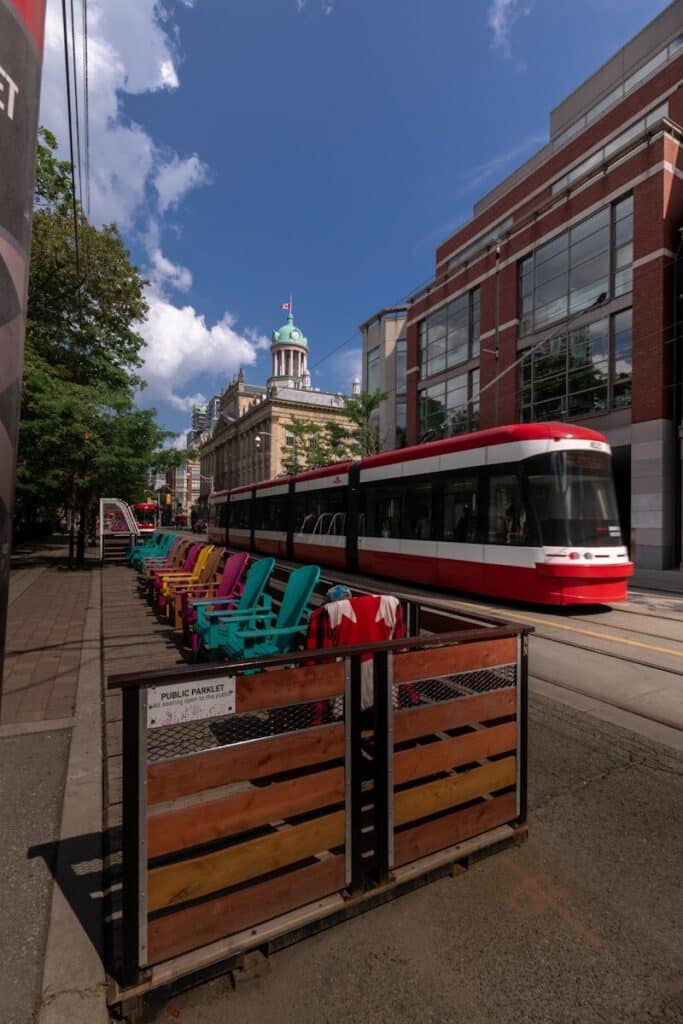
- Streetcar (recommended): TTC Lines 509 (Harbourfront) and 511 (Bathurst) both stop within a short walk of the stadium. From Union Station, the 509 runs westward along the waterfront directly to Exhibition Place. Journey time: 12–15 minutes.
- Exhibition GO Station: A pedestrian bridge built in 2024 connects Liberty Village and the Exhibition GO Station directly to the stadium grounds — making the GO Train from suburban areas and the airport corridor a clean, direct option on match days.
- Walking from Union Station: On good weather days, the waterfront walk from Union Station to BMO Field takes approximately 25–30 minutes and is one of the most pleasant ways to arrive — along the Lake Ontario shoreline, past Harbourfront Centre, and through the Exhibition Place gates.
- Driving: Not recommended on match days. Exhibition Place parking fills early and traffic on the Gardiner Expressway is significant.
Getting Match Tickets for Toronto
If you don't have tickets yet, there are still legitimate options:
- Official FIFA sales: Check FIFA.com/tickets for any remaining availability. FIFA periodically releases returned or unsold tickets — worth checking regularly.
- FIFA official resale: The fan-to-fan resale platform on FIFA.com allows ticket holders to resell at face value. This is the safest secondary option.
- Verified resellers: Platforms such as StubHub and SeatGeek list tickets from private sellers. Prices on secondary markets are typically well above face value, particularly for the Canada opener and any knockout rounds. Always use a verified platform with buyer protection.
- Hospitality packages: Premium packages including tickets are available through On Location, the official FIFA hospitality provider. These include stadium access, dining, and dedicated entry — at a significant premium over standard ticket prices.
For price expectations: group stage tickets on the secondary market typically start from several hundred dollars. The Canada vs Bosnia match on June 12 is the most sought-after fixture in Toronto — expect pricing to reflect that. We recommend budgeting conservatively and using only verified platforms.
Stadium Bag Policy & Entry Rules
BMO Field follows FIFA's standard clear bag policy for all 2026 World Cup matches. Make sure you know the rules before you arrive.
- Bags: Transparent bags only, no larger than 12″ x 6″ x 12″. No backpacks, no opaque bags of any kind.
- No outside food or drink. Sealed water bottles may be permitted — check the latest FIFA guidelines closer to match day.
- Arrive early: Allow at least 60–90 minutes before kick-off for security checks. On Canada match days, plan for longer.
- Prohibited items: Selfie sticks, large cameras with detachable lenses, umbrellas (varies by venue — check FIFA's official guidance), and banners exceeding permitted dimensions.
If your bag doesn't meet the clear bag requirement, you'll need to leave it somewhere before entering the stadium. Several luggage storage services operate near Exhibition Place and close to Union Station — worth sorting in advance on busy match days rather than scrambling on arrival.
A Canadian eSIM installed before arrival means you'll have data for navigation, transport updates, and group communication the moment you land — without paying international roaming rates.

Stay connected across Canada during the 2026 World Cup with instant mobile data for maps, tickets, and match updates. Activate before you fly and connect as soon as you land.
2. FIFA Fan Festival at Fort York and The Bentway
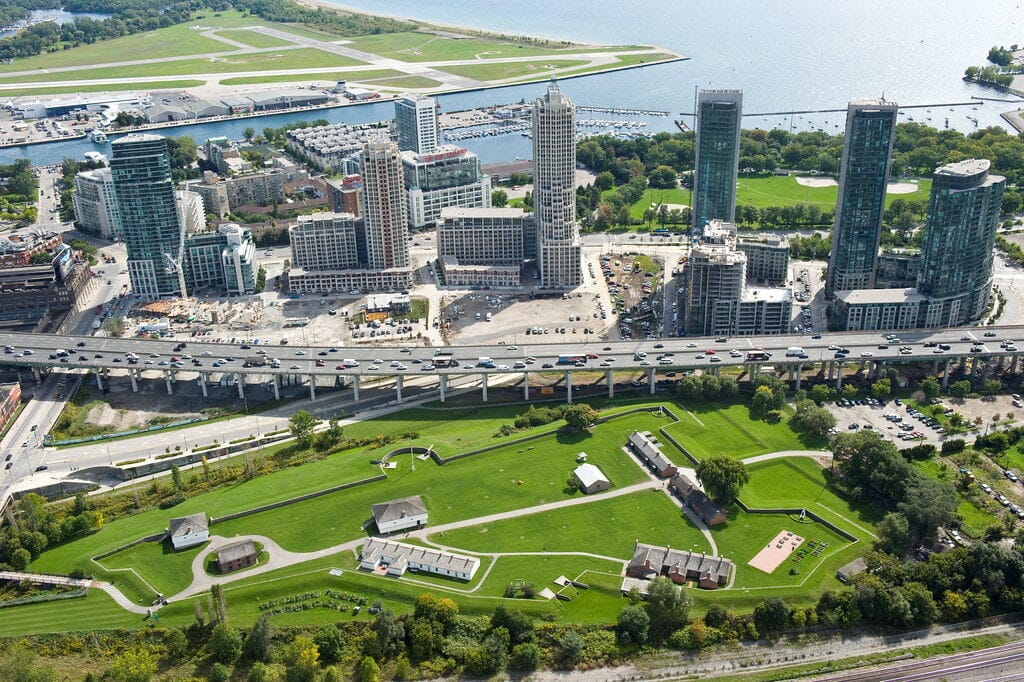
Toronto's official FIFA Fan Festival is hosted at a genuinely unusual and compelling dual venue: Fort York National Historic Site and The Bentway — a connected public space just west of downtown, within walking distance of BMO Field.
Fort York was built in 1793 as a military garrison and is one of Canada's most significant heritage sites — the original fortifications, blockhouses, and officers' quarters are preserved on a 43-acre site in the middle of the modern city. The Bentway is the newer counterpart: a public promenade and event space built beneath the arches of the elevated Gardiner Expressway, which runs directly above the site. Together, they form a single connected precinct where historic military architecture meets contemporary urban design.
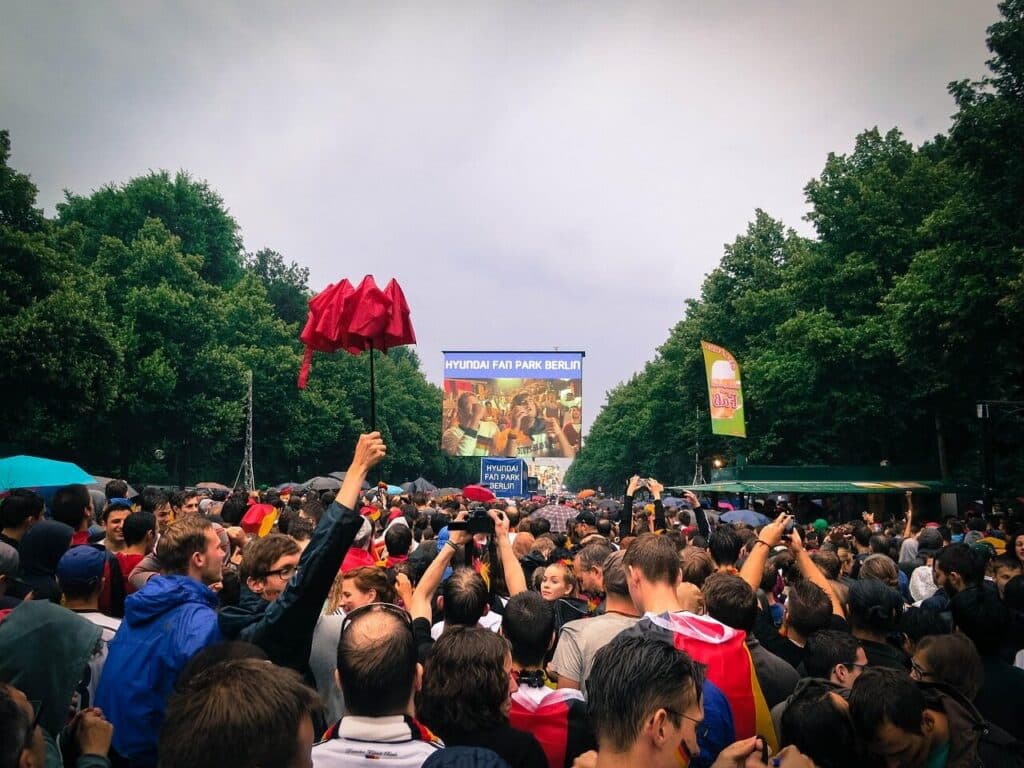
The Fan Festival runs from June 11 to July 19 — covering the full tournament — with free admission throughout. Programming includes live match broadcasts on large screens, live music and cultural performances, food vendors representing Toronto's extraordinary range of global cuisines, and interactive football activities. On Canada match days, Fort York is expected to hold some of the largest crowds of any fan festival venue across all 16 host cities.
Getting to Fort York and The Bentway
- Streetcar: TTC Lines 509 and 511, exiting at Strachan Ave or Fort York Blvd at Bastion St — the closest public transit stop
- Walk from BMO Field: A pleasant 10–15 minute walk, making it easy to visit before or after matches at Toronto Stadium
- Walk from downtown: From King Street West, a 20-minute walk south and west — or a short rideshare
3. CN Tower and Ripley's Aquarium of Canada
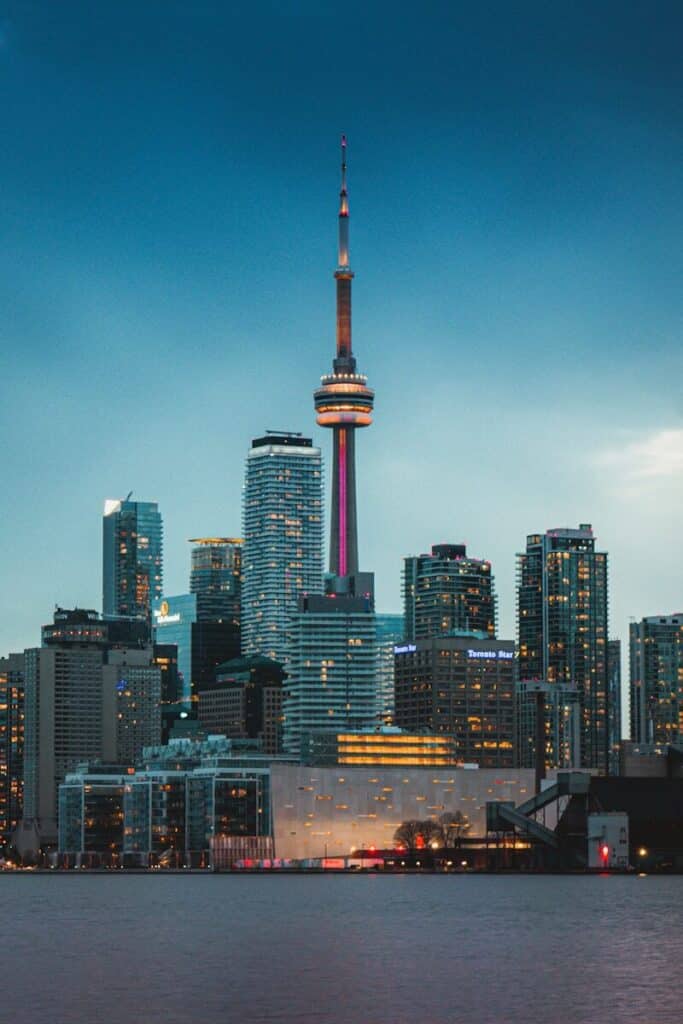
The CN Tower at 290 Bremner Blvd is the most recognisable structure in Toronto — a 553-metre communications tower completed in 1976 that held the title of world's tallest free-standing structure for over 30 years. For visitors, it offers two observation levels and one of the most distinctive optional experiences in any city on the World Cup circuit.
What to Do at the CN Tower
- Main Observation Level (346m): The standard visit — 360-degree views across Toronto, Lake Ontario, and on a clear day, the New York State shoreline across the water. Includes a glass floor section for the obligatory downward photo.
- SkyPod (447m): The upper observation level with a smaller, more enclosed viewing area — the view is marginally better but the difference is not dramatic. The main deck is the better value.
- 360 Restaurant (351m): A revolving restaurant that completes one full rotation every 72 minutes. Lunch reservations are easier to obtain than dinner during the World Cup period. Booking at least 2 weeks in advance is recommended.
- EdgeWalk: The standout experience — a hands-free walk along the outside rim of the CN Tower's main pod at 356 metres, with a 1.5-metre ledge and a 360-degree view. Fully harnessed, with wind speeds allowing the activity. Cost is approximately $250 CAD per person; booking in advance is required. This is not for everyone, but it is genuinely extraordinary for those who do it.
Practical note: Buy CN Tower tickets online to skip the queue. Walk-up waits in summer can run 45–75 minutes. Mornings and weekdays are significantly less crowded.
Ripley's Aquarium of Canada (directly adjacent)
Ripley's Aquarium at 288 Bremner Blvd, immediately next to the CN Tower, is consistently rated as one of the best urban aquariums in North America. The main draw is the Dangerous Lagoon — a 97-metre underwater tunnel through a tank containing sand tiger sharks, green sea turtles, and schools of large fish. A good half-day option for families or for visitors who want to complement the CN Tower visit. Tickets: approximately $40 CAD adults; book online.

4. Toronto Islands by Ferry
The Toronto Islands are a chain of small islands 1.5km off the southern shore of downtown Toronto, separated from the city by a narrow harbour channel. They are accessible by a 15-minute ferry from the Jack Layton Ferry Terminal at Queens Quay, and they offer the single best view of the Toronto skyline available from any publicly accessible point.
The islands cover approximately 820 acres and contain beaches, bicycle trails, a small amusement park (Centreville), gardens, and a community of approximately 700 year-round residents in small wooden cottages. For World Cup visitors, they function as the city's best escape from the match-day intensity — a 15-minute crossing to a place where the skyscrapers are visible but the noise is not.
What to Do on the Islands
- Hanlan's Point Beach: A clothing-optional (designated zone) sand beach on the western end of the islands — quieter than the central beaches and with unobstructed lake views to the west
- Centreville Amusement Park: A small traditional fairground with rides and games on Centre Island — primarily for families with children but charming for anyone who encounters it
- Bicycle rental: Bike rentals are available on the islands from late May through September. Cycling the island loop (approximately 8km) is the best way to cover the full area in one visit
- Skyline viewpoint near the ferry terminal on Ward's Island: The eastern landing point, with the clearest unobstructed view of the Toronto skyline across the harbour channel
Ferry timings: Ferries to Centre Island run every 15–30 minutes from the Queens Quay terminal. The ferry to Ward's Island and Hanlan's Point runs slightly less frequently. Check current schedules at toronto.ca/ferries. On hot June and July weekends, queues for the ferry can run 30–60 minutes — arriving in the morning or on weekdays avoids this.

5. Kensington Market — Toronto's Most Eclectic Neighbourhood
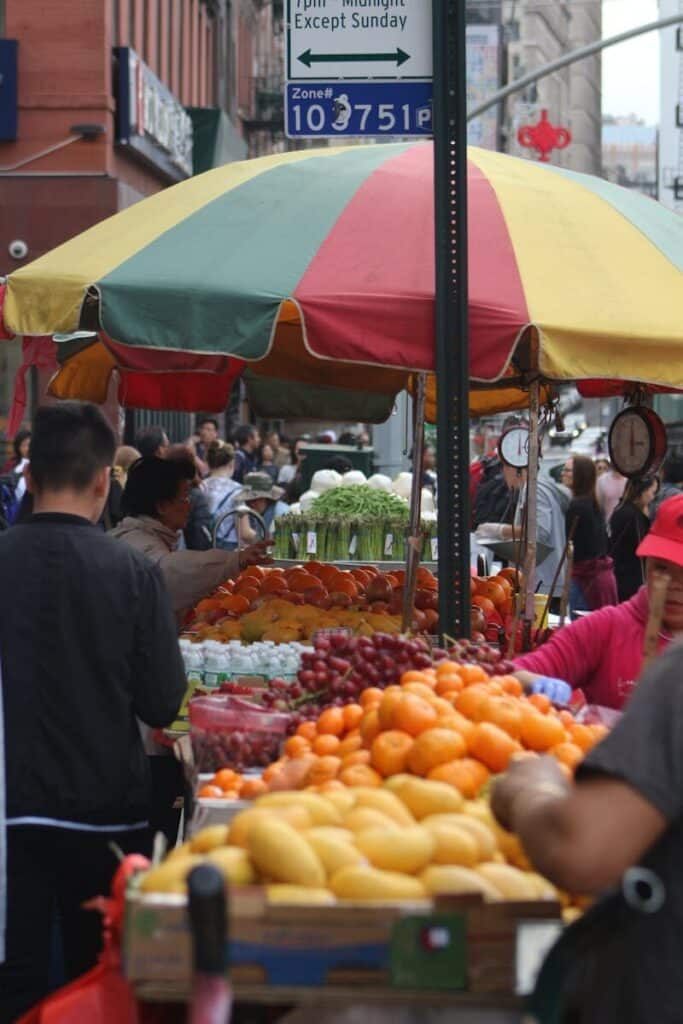
Kensington Market is the neighbourhood most worth knowing in Toronto — a dense, chaotic, colourful grid of narrow streets west of Chinatown, filled with independent food vendors, vintage shops, community gardens, and the kind of unplanned street life that is increasingly rare in large North American cities.
The market is not a building — it is an entire neighbourhood. The core area runs between Augusta Ave and Kensington Ave, south of College Street. During the World Cup, Kensington will be one of the most atmospheric areas in the city for informal fan gathering.
What to Do in Kensington
- Eat: The food offer is genuinely global — empanadas from Argentine vendors, jerk chicken from Caribbean spots, Portuguese custard tarts, Ethiopian injera, Japanese ramen, Jamaican patties, and Venezuelan arepas within a single block. Prices are significantly below comparable food in downtown restaurants.
- Watch the World Cup at Trinity Common: One of the confirmed soccer bar recommendations for the World Cup, Trinity Common combines craft beer, big screens, live music, and a Kensington atmosphere. Particularly recommended for smaller group-stage matches where you want a knowledgeable, engaged crowd.
- Chili Con Chile (Latin American food hall): Chilean-Mexican fusion in a small food hall format — one of the best budget eating options in Kensington and a natural gathering point for Latin American fans
- Pedestrian Sunday: During summer Sundays, the main Kensington streets are closed to vehicles and turned over to pedestrians — market stalls, buskers, open-air food, and community events. If the World Cup schedule aligns with a Sunday visit, this is the best version of Kensington Market.

6. Watch at a Soccer Bar — Greektown, Kensington, and Liberty Village
Toronto has a rich football bar culture built on decades of immigration from football-obsessed countries. The city's best venues during the World Cup break down by neighbourhood character:
Greektown (Danforth Avenue)
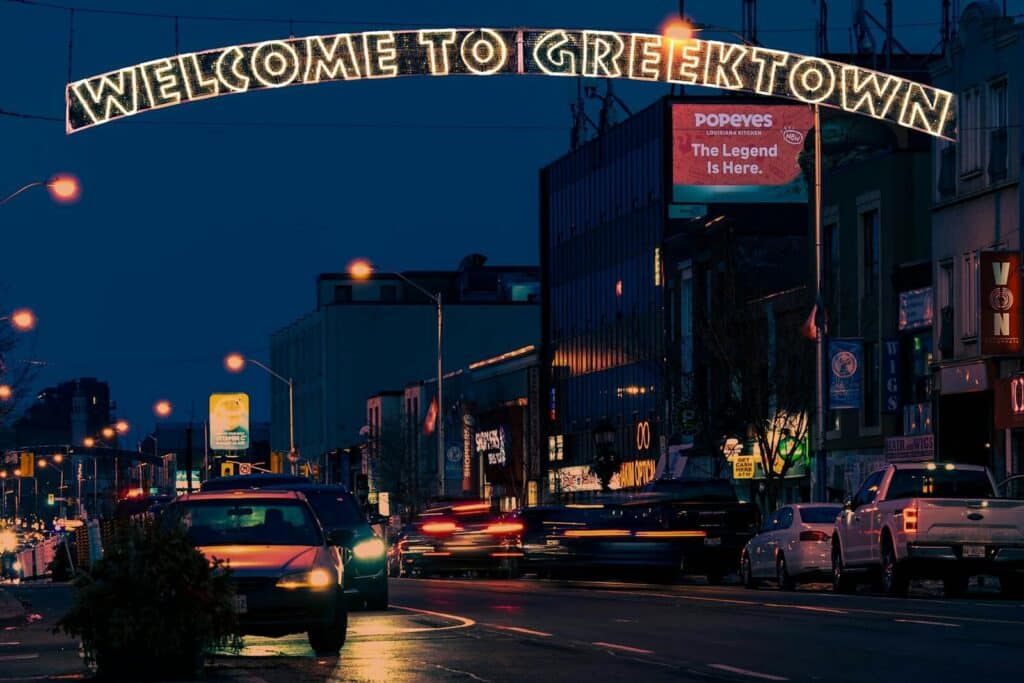
The Danforth strip in Greektown is one of the most consistent soccer bar environments in the city — a kilometre-long stretch of restaurants and bars with a strong Greek and Mediterranean football culture, multiple screen setups, and a crowd that is knowledgeable and committed.
- Rivals Sports Pub: Wall-to-wall screens, high energy on major match days, good value bar food. The standard recommendation for Greektown World Cup viewing.
- TKO's Sports Bar & Restaurant: A more relaxed atmosphere with a warm pub feel — good for smaller group-stage matches where you don't need a high-intensity experience.
- Blue Gin: Elevated viewing with craft cocktails and a Greek food menu — the better option for evening matches when atmosphere and food matter equally.
Greektown is accessible by TTC Line 2 (Bloor-Danforth) to Broadview or Chester stations.
Kensington Market
- Trinity Common and Ronnies Local 069 are both good options here — Trinity for craft beer and screens; Ronnies for a no-frills patio and a more unpredictable crowd mix.
- The best match for Kensington: Germany vs Ivory Coast (June 20) and Canada matches — the neighbourhood's diverse community produces the best multi-national mixing for these fixtures.
Liberty Village (adjacent to BMO Field)
- Left Field Brewery: A craft brewery in Liberty Village, minutes from the stadium by foot via the Exhibition GO Station pedestrian bridge. The pre-match pint option for BMO Field fixtures. Expect the place to be at full capacity 2 hours before any Canada match kick-off.

7. The Distillery District
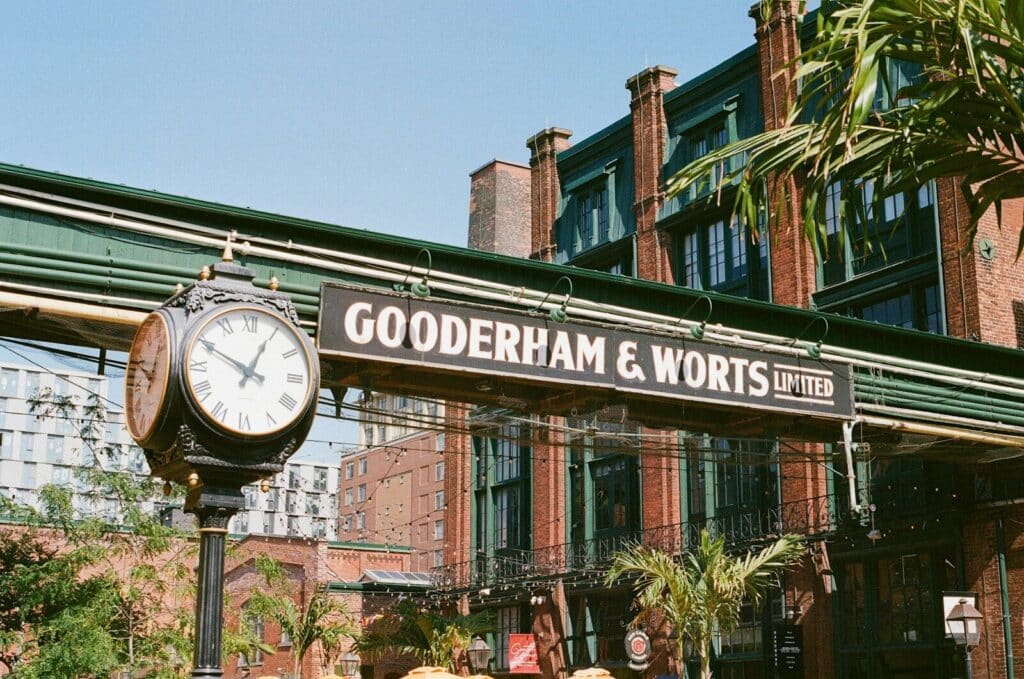
The Distillery District is a pedestrianised Victorian industrial complex in Toronto's east end — the original Gooderham and Worts distillery, operating from 1832 to 1990, now preserved and converted into a precinct of galleries, restaurants, theatres, and independent shops. The architecture is exceptional: original brick warehouses, cobblestone lanes, industrial machinery repurposed as public art, and a scale that makes it unlike any other neighbourhood in the city.
It is the best option in Toronto for an evening walk on a rest day — particularly in June and July when the patio season is in full swing and the long northern evenings (sunset in Toronto in June is around 8:45pm) give you time to explore after dinner.
The Distillery District is accessible by TTC streetcar Line 504 from King Street West, or by a 25-minute walk from Union Station through the South Core.
What to do here:
- Young People's Theatre and Case Goods Warehouse Gallery for arts programming during the World Cup period
- El Catrin (a large Mexican restaurant in a converted warehouse) — a fitting dinner venue given Mexico's co-host status in 2026
- Balzac's Coffee Distillery — the best-regarded espresso bar in the complex, in a dramatically high-ceilinged industrial space
- Tank House Theatre — theatre programming and events throughout the summer season
8. Art Gallery of Ontario and Royal Ontario Museum
Toronto's two flagship cultural institutions are both within easy reach of each other in the downtown core, and both are world-class in their respective categories.
Art Gallery of Ontario (AGO)
The Art Gallery of Ontario at 317 Dundas St W houses one of the largest art collections in North America — over 120,000 works spanning 2,000 years of art history. The building was redesigned by Frank Gehry (who grew up in Toronto) in 2008, with a distinctive glass-and-wood façade along Dundas Street. The Canadian collection is particularly strong, including the Group of Seven and Indigenous art from across the country. Admission: approximately $28 CAD; free for visitors under 25.
Royal Ontario Museum (ROM)
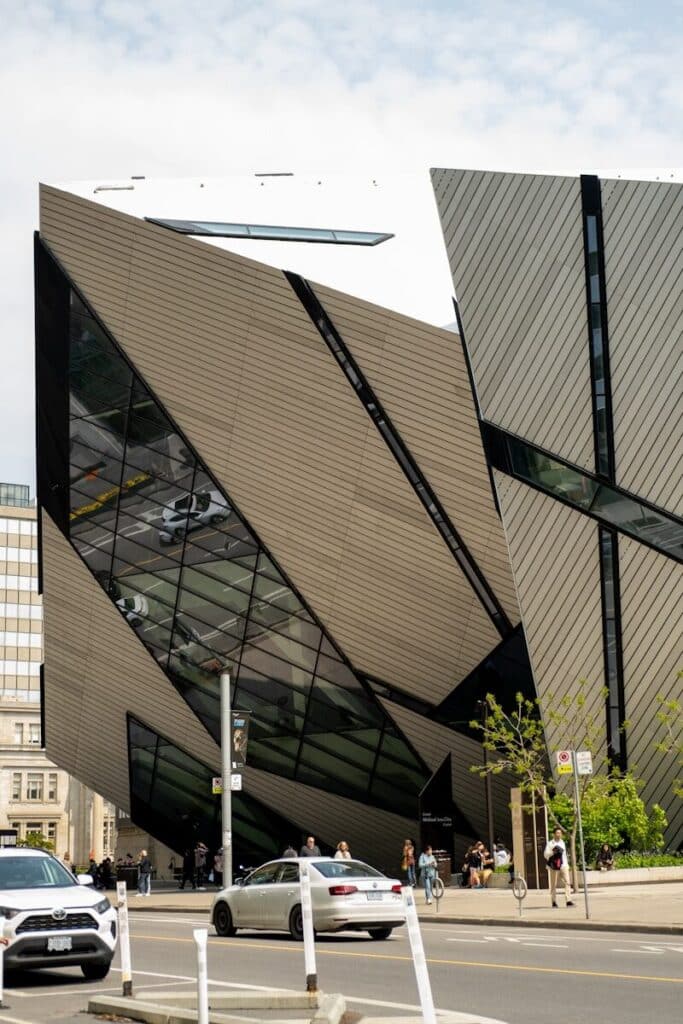
The Royal Ontario Museum at 100 Queen's Park is Canada's largest museum — a broad natural history and world cultures institution with notable collections in Mesoamerican archaeology (directly relevant to Mexico co-hosting the 2026 World Cup), East Asian art, ancient Egypt, and dinosaur palaeontology. The Michael Lee-Chin Crystal — a contemporary addition by architect Daniel Libeskind — is one of the most architecturally striking museum buildings in North America. Admission: approximately $30 CAD.
Both museums are accessible by TTC Line 2 (Museum station for the ROM; Dundas or St. Patrick for the AGO).

9. St. Lawrence Market and the Waterfront
St. Lawrence Market at 93 Front St E is regularly ranked among the best food markets in the world. It has occupied the same location in Toronto's old town since 1803 and operates across two buildings: the main South Market (Saturday farmers' market and daily vendors) and the North Market (Sundays only, antiques). The permanent food hall has over 120 vendors — cheese, charcuterie, fresh pasta, Canadian peameal bacon sandwiches (the market's signature item), artisan bread, seafood, and prepared food from around the world. A Saturday morning visit before a match day is the best single food experience available in Toronto.
The Waterfront Walk
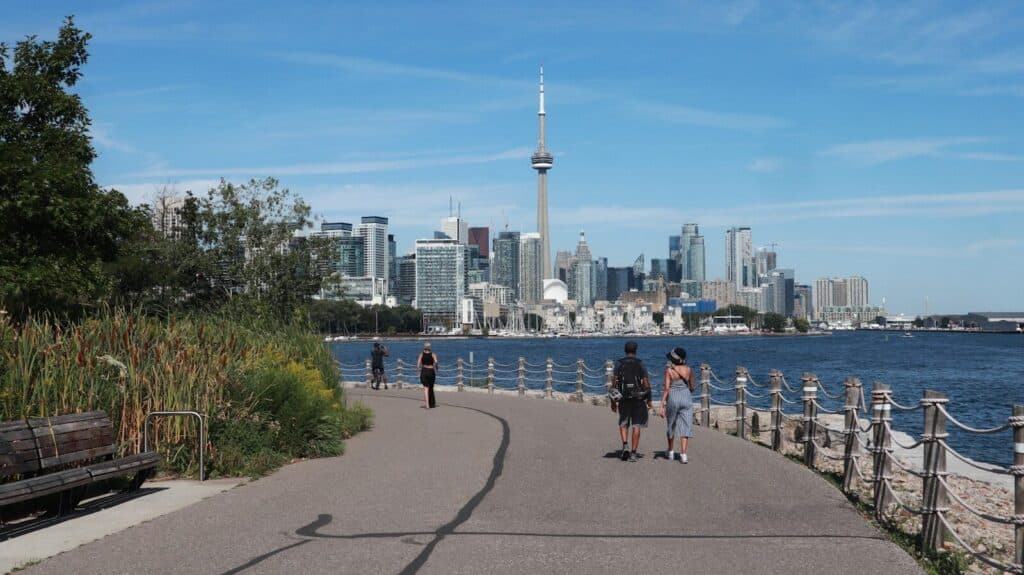
The Toronto Waterfront stretches from the western edge of Exhibition Place (by BMO Field) east past Harbourfront Centre, the Jack Layton Ferry Terminal, the Redpath Sugar Refinery waterfront park, and St. Lawrence Market neighbourhood. The full walk is approximately 5km and takes 60–75 minutes at a relaxed pace. Along the way: Harbourfront Centre (arts programming, kayak rentals), the Queens Quay Terminal building, waterfront restaurants, and the constant backdrop of Lake Ontario.
For World Cup fans arriving or departing from BMO Field on foot, the waterfront path is the most pleasant routing between the stadium and Union Station.

10. Explore Toronto's Global Neighbourhoods
Toronto is statistically the most ethnically diverse city on Earth — over 50% of the population was born outside Canada, speaking more than 140 languages. During the World Cup, this diversity becomes directly legible through the flags, the restaurants, and the communities representing the competing nations. Every neighbourhood that follows is within 30 minutes of downtown by TTC.
Greektown (The Danforth)
Centred on Danforth Avenue between Broadview and Pape stations — Greek tavernas, baklava pastry shops, and Mediterranean food culture. For the World Cup, the neighbourhood's football bar culture is its most relevant feature (see Section 6).
Chinatown and Little Portugal (Kensington area)
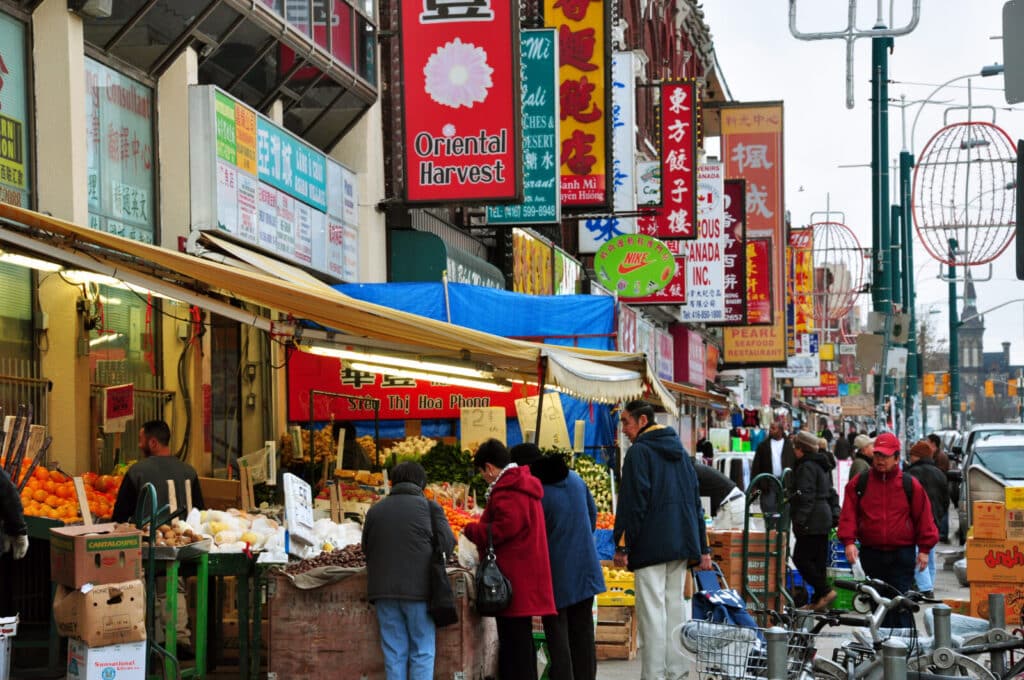
Toronto's Chinatown on Spadina Avenue is one of the largest in North America — dim sum restaurants, Cantonese bakeries, and bubble tea shops along a dense commercial strip. Little Portugal to the west (Dundas Street West corridor) has one of the best concentrations of Portuguese piri-piri restaurants and Portuguese custard tarts (pastéis de nata) outside of Lisbon.
Little Italy (Harbord Village/College St)
College Street between Bathurst and Shaw is Toronto's Italian neighbourhood — espresso bars, pasta restaurants, and a pavement café culture that feels closer to Rome than most North American equivalents. During Italy or Argentina matches (given the strong Italian diaspora in Toronto), this strip will generate exceptional atmosphere.
Scarborough (East Toronto)
For the most genuinely diverse eating experience in the city, Scarborough — 30 minutes east by TTC — has the best South Asian, Sri Lankan, East African, and Caribbean food in Greater Toronto. Scarborough Town Centre's food court and the Kennedy Road restaurant strips are destinations in themselves for serious food tourists.
Where to Stay in Toronto During the World Cup
Accommodation in Toronto during the World Cup period will be in high demand, particularly in the weeks around the Canada match on June 12 and the Germany vs Ivory Coast fixture on June 20. Book as early as possible — central neighbourhoods are already filling up quickly for match weeks.
Best Areas to Stay
- Liberty Village: The most convenient base for match days at BMO Field. Directly connected to the stadium via the Exhibition GO Station pedestrian bridge, with a strong selection of restaurants, craft breweries, and independent cafés. Slightly removed from the wider city, so transport elsewhere relies on the 509/511 streetcar or a short rideshare.
- King Street West / Entertainment District: The best all-round base for visitors who want both stadium access and easy reach of the rest of the city. Within walking distance of Union Station, the waterfront, and the TTC network. A broad mix of hotels at different price points.
- Midtown (Bloor and Yonge): The best option for TTC access across the full city — both subway lines intersect here, making it easy to reach the ROM, the AGO, Greektown, and downtown. Slightly further from BMO Field, but the subway to Union Station runs in under 10 minutes.
Book early: Toronto hotel availability for World Cup match weeks is limited, and prices reflect it.

Find hotels, apartments, and convenient stays across Toronto for your trip and World Cup matches.
What to Budget for a Match Day in Toronto
Here is a realistic estimate for a single match day in Toronto — covering transport, food, and entry:
| Item | Estimated Cost |
|---|---|
| Match ticket (group stage. secondary market) | Varies significantly — check current listings |
| TTC streetcar return (509/511) | 6.70CAD( 6.70CAD( 4.70 USD) |
| Food and drinks at stadium | $30–50 CAD |
| Pre-match meal or drinks in the city | $25–45 CAD |
| Rideshare (if used instead of TTC) | $15–30 CAD one way |
| Total (excluding ticket) | approx. $60–100 CAD |
Toronto is moderately priced by World Cup host city standards. Stadium food and drink is the biggest variable — pre-match eating in Kensington Market or Liberty Village is significantly cheaper than buying inside BMO Field. The TTC is the cheapest and most reliable way to get to the stadium; rideshare prices surge around kick-off times.
Note: Ticket prices vary widely depending on the fixture, phase, and platform. The Canada vs Bosnia opener on June 12 commands a significant premium on secondary markets. For current availability and pricing, check verified platforms directly.
Getting Around Toronto During the World Cup
Toronto's TTC (Toronto Transit Commission) operates an extensive network of subway, streetcar, and bus routes covering the entire city. The key lines for World Cup visitors:
- Line 1 (Yonge-University): The north-south spine of the system, connecting the airport corridor to downtown Union Station and continuing north through Midtown. Key stops: Bloor-Yonge, College, Queen, King, Union.
- Line 2 (Bloor-Danforth): East-west across the city, connecting Kipling in the west to Kennedy in the east. Key stops: Museum (ROM), Bay, Bloor-Yonge, Broadview (Greektown), Chester.
- Streetcar 509/511: The most direct route to BMO Field from Union Station — runs along the waterfront.
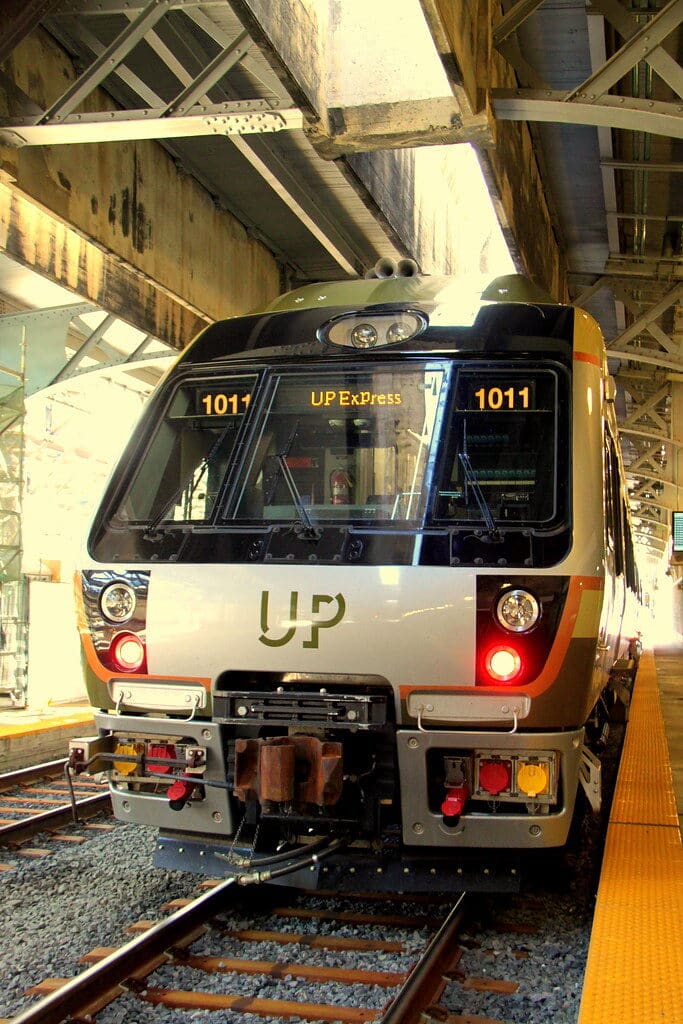
- UP Express: Runs from Pearson International Airport to Union Station in 25 minutes, every 15 minutes, for $13.50 CAD. The single best airport-to-downtown connection in any Canadian World Cup city.
A single TTC fare is CAD 3.35, A day pass is CAD 14.50. Load to a Presto card for tap-to-pay across all TTC, GO Transit, and UP Express services.
Staying Connected in Toronto
Toronto's mobile network is reliable across all central areas, but international visitors face two specific challenges: Canadian mobile data costs are among the highest in the world for pay-as-you-go plans, and US or European roaming packages often do not extend to Canada on standard international plans.
A Canadian eSIM installed before departure solves both problems — full-speed local data on the Rogers, Bell, or Telus networks, from approximately $10–20 CAD for 7–14 days. You install it before you fly, and you're connected from the moment you land.
Note that if your World Cup itinerary includes both Canadian cities and US cities, North American bundle eSIM plans covering both countries are available from several providers and offer better value than separate national plans.
Stay connected across Canada during the 2026 World Cup with instant mobile data for maps, tickets, and match updates. Activate before you fly and connect as soon as you land.
Covers USA, Canada, and Mexico on a single eSIM. No swapping, no reactivation when you cross a border.
Frequently Asked Questions
What matches are being played at BMO Field (Toronto Stadium) during the World Cup 2026?
Toronto is hosting six matches in total. The confirmed fixtures are: Canada vs Bosnia and Herzegovina (June 12, 3pm ET), Ghana vs Panama (June 17, 7pm ET), Germany vs Ivory Coast (June 20, 4pm ET), Croatia vs Panama (June 23, 7pm ET), Senegal vs Iraq (June 26, 3pm ET), and a Round of 32 match on July 2 (7pm ET). Canada's opening group match on June 12 is the emotional centrepiece — the men's national team's first home World Cup fixture in decades.
Where can I still get tickets for World Cup matches in Toronto?
Check FIFA.com/tickets first for any officially released remaining inventory. For secondary market options, StubHub and SeatGeek both offer verified listings with buyer protection. The Canada vs Bosnia opener is the most sought-after fixture in Toronto — expect prices to reflect that. Avoid unlicensed resellers and anyone selling outside the stadium gates on match day.
Where is the FIFA Fan Festival in Toronto and when does it run?
Toronto's official FIFA Fan Festival is at Fort York National Historic Site and The Bentway — a connected dual venue just west of downtown, within walking distance of BMO Field. The festival runs from June 11 to July 19, covering the entire tournament window. It is free to attend without a match ticket. Access by TTC streetcar (lines 509 or 511), with a stop at Fort York Blvd at Bastion St. Programming includes live match broadcasts, live music, global food vendors, and interactive football activities.
How do I get from Pearson International Airport to downtown Toronto and BMO Field?
The UP Express train runs from Pearson Airport directly to Union Station in downtown Toronto — 25 minutes, every 15 minutes, for $13.50 CAD. From Union Station, BMO Field is accessible by streetcar 509 (waterfront) or a 25-minute walk along the waterfront path. This is the most reliable and efficient airport-to-stadium connection in any Canadian World Cup city and is significantly faster than taxis or rideshare on match days.
What is the best neighbourhood to stay in during the World Cup in Toronto?
Liberty Village gives you the most direct access to BMO Field — a pedestrian bridge connects it directly to the stadium. For flexibility across the city, King Street West or the Entertainment District puts you close to Union Station and the full TTC network. Midtown around Bloor and Yonge has the best subway access to all major attractions. Book early regardless of which area you choose — match weeks are filling up quickly.
Do I need Canadian dollars in Toronto or can I use US dollars or credit cards?
Toronto operates in Canadian dollars (CAD). Credit and debit cards are accepted almost everywhere in the city — restaurants, transport (Presto card), stadiums, and attractions. Cash (CAD) is useful for smaller vendors in Kensington Market, St. Lawrence Market, and street food stalls. US dollars are not accepted at face value; use an ATM or exchange desk for Canadian currency. The exchange rate in April 2026 is approximately 1 USD=1.38–1.42 CAD.
What is the weather like in Toronto during the World Cup in June and July?
Toronto in June and July is mild and pleasant by World Cup host city standards — average temperatures of 20–27°C (68–80°F) with moderate humidity. Evening matches at BMO Field will typically be comfortable with a light layer for post-match. Rain is possible throughout summer; Toronto summers include occasional thunderstorms, particularly in late July. Compared to Miami, Dallas, or Mexico City, Toronto is among the most comfortable World Cup host cities for outdoor fan activities.
Is Toronto suitable for visiting with a family during the World Cup?
Yes, Toronto is one of the most family-friendly cities in North America. The Toronto Islands, Ripley's Aquarium, Centreville Amusement Park, the ROM, and the Distillery District are all well-suited to families with children. The FIFA Fan Festival at Fort York is free and has family programming. BMO Field is a compact, accessible stadium. The mild summer weather and excellent public transport make the city easier to navigate with children than Los Angeles or Miami.
Final Thoughts
Toronto brings something no other 2026 World Cup host city can offer: a genuinely home-nation opening match. When Canada walks out against Bosnia and Herzegovina at BMO Field on June 12, the city's football community — built from a hundred different immigrant traditions now all pulling for the same shirt — will produce one of the most emotionally resonant atmospheres of the entire tournament.
Outside the stadium, there's no shortage of things to do in Toronto during the World Cup 2026. The food alone — in Kensington, on Danforth, in Scarborough, at St. Lawrence Market — reflects every nation competing this summer. The neighbourhoods, the waterfront, the islands: the city rewards time spent exploring beyond the match schedule.
Give yourself enough time to get lost in a neighbourhood you didn't plan to visit. That is when Toronto reveals itself.
➡ World Cup 2026 Travel Guide
➡ Best eSIM for World Cup 2026
➡ How to Get Around at the World Cup
Add your first comment to this post