


Table of Contents
Vancouver is hosting seven World Cup 2026 matches at BC Place — including two of Canada's group stage games — against a backdrop that no other host city in this tournament can match: the ocean, the harbour, and the Coast Mountains rising directly behind the city skyline. When BC Place's retractable roof opens on a June evening, you can see snow-capped peaks from the stands. That is not something that happens in Dallas or Atlanta.
The practical challenge is knowing how to use Vancouver well. The city's best experiences — Stanley Park, the North Shore, Granville Island, Commercial Drive, Whistler — are spread across a geographically distinctive urban area where mountains and water shape the layout. Most guides cover either the football schedule or the tourist highlights. Few bring them together with the neighbourhood, food, and transport detail that makes the difference between a good trip and a great one.
We've put this guide together to cover everything: the full BC Place match schedule, how to get match tickets, the FIFA Fan Festival at Hastings Park (with its unique First Nations programming), the best soccer bars on Commercial Drive, Stanley Park and the Seawall, North Shore adventures, and the rest-day options that make Vancouver one of the most compelling host cities for things to do during the World Cup 2026.
At a Glance
| # | Thing to Do | Key Takeaway |
|---|---|---|
| 1 | Attend a match at BC Place | 7 matches — Canada vs Qatar and Canada vs Switzerland. plus Australia. New Zealand. and two knockout rounds |
| 2 | FIFA Fan Festival at Hastings Park | Free. full-tournament fan hub with unique First Nations cultural programming — no other host city offers this |
| 3 | Walk the False Creek Fan Promenade on match days | “The official “”Last Mile”” — a designed fan experience along the waterfront from SkyTrain to the stadium” |
| 4 | Stanley Park and the Seawall | 1.001 acres of old-growth forest. beaches. and the world's most scenic urban cycling path |
| 5 | Granville Island Public Market | The most walkable food and craft market on the West Coast — accessible by ferry from downtown |
| 6 | Watch at a soccer bar — Commercial Drive | Vancouver's most diverse and football-passionate neighbourhood for match viewing |
| 7 | Capilano Suspension Bridge Park | A 140-metre suspension bridge through old-growth forest in North Vancouver — 20 minutes from downtown |
| 8 | Grouse Mountain — gondola. hikes. and views | The best viewpoint over Vancouver and the harbour. directly accessible by public bus |
| 9 | Gastown. Chinatown. and the historic districts | Two adjoining heritage neighbourhoods — Victorian gas lamps. dim sum. and the oldest streets in the city |
| 10 | Day trip to Whistler or the Gulf Islands | The world's most accessible ski resort (now a summer destination) and the quietest escape from the city |
1. Attend a Match at BC Place
BC Place Stadium is right in the heart of downtown Vancouver — sitting on the north shore of False Creek, 10 minutes on foot from the main hotel districts, with the Coast Mountains as its backdrop. It is the only fully retractable-roof stadium in Canada and one of the more architecturally striking venues in the 2026 tournament, its white fabric roof visible from much of central Vancouver.
For the 2026 World Cup, BC Place is hosting seven matches in total — five group stage games and two knockout rounds — including two of Canada's three group stage fixtures. This makes Vancouver, alongside Toronto, the most significant location for Canadian football fans in the tournament.

Full Match Schedule at BC Place
| Date | Match | Phase | Kick-off (PT) |
|---|---|---|---|
| Sat. June 13 | Australia vs Turkey | Group Stage | 9:00 PM |
| Thu. June 18 | Canada vs Qatar | Group B | 3:00 PM |
| Sun. June 21 | New Zealand vs Egypt | Group Stage | 6:00 PM |
| Wed. June 24 | Canada vs Switzerland | Group B | 12:00 PM |
| Fri. June 26 | Group Stage TBD | Group Stage | TBD |
| Thu. July 2 | TBD vs TBD | Round of 32 | TBD |
| Tue. July 7 | TBD vs TBD | Round of 16 | TBD |
Canada plays here on June 18 (vs Qatar) and June 24 (vs Switzerland) — their second and third group stage fixtures, following the June 12 opener in Toronto. Canada's progression through the group stage will determine how much of the country travels between the two cities, but both Vancouver matches are effectively home games for Canada on the West Coast.
The June 13 Australia vs Turkey fixture is also a strong draw — Australia's large diaspora community in Greater Vancouver (one of the most significant in the city) ensures a passionate home-away-from-home crowd from the first night of the tournament.
Getting to BC Place from Central Vancouver
BC Place is exceptionally well-connected by public transit — one of the most accessible World Cup venues in all 16 host cities.
- SkyTrain (recommended): The Stadium-Chinatown station on the Expo and Millennium Lines is directly adjacent to BC Place's main entrance — a 2-minute walk from the platform. From downtown hotels and Gastown, the journey is 2–4 minutes. From the Canada Line (YVR airport connection) at Waterfront Station, it is one stop on the Expo Line.
- False Creek Fan Promenade (match day walk): On match days, the route from Main Street–Science World SkyTrain station along the north shore of False Creek to BC Place is being designed as a dedicated fan experience — live entertainment, street food, waterfront views, and atmosphere building throughout the walk. This 1.5km path is expected to be one of the standout pre-match experiences in the tournament. (See Section 3.)
- False Creek Ferries (mini ferry): Water taxis from Granville Island and the south shore of False Creek run to a dock adjacent to the stadium — a scenic and uncrowded alternative to the SkyTrain on match days.
Getting Match Tickets for Vancouver
If you don't have tickets yet, there are still legitimate options:
- Official FIFA sales: Check FIFA.com/tickets for any remaining availability. FIFA periodically releases returned or unsold tickets — worth checking regularly in the weeks leading up to each fixture.
- FIFA official resale: The fan-to-fan resale platform on FIFA.com allows ticket holders to resell at face value. This is the safest secondary option and the one we recommend checking first.
- Verified resellers: Platforms such as StubHub and SeatGeek list tickets from private sellers. Prices on secondary markets are typically well above face value, particularly for the Canada matches and any knockout rounds. Always use a verified platform with buyer protection.
- Hospitality packages: Premium packages including tickets are available through On Location, the official FIFA hospitality provider. These include stadium access, dining, and dedicated entry — at a significant premium over standard ticket prices.
For price expectations: group stage tickets on the secondary market typically start from several hundred dollars. Knockout rounds are significantly more expensive. We recommend budgeting conservatively and using only verified platforms.
Stadium Bag Policy & Entry Rules
BC Place follows FIFA's standard clear bag policy for all World Cup matches:
- Bags: Transparent bags only — maximum 12″ x 6″ x 12″. No backpacks, no opaque bags of any kind.
- Outside food and drink: Not permitted. Sealed, empty water bottles may be allowed — confirm this on FIFA.com closer to your match date.
- Prohibited items: Selfie sticks, umbrellas, large cameras with detachable lenses, banners larger than stadium guidelines permit (check FIFA.com for exact dimensions).
- Arrival time: Allow at least 60–90 minutes before kick-off for security screening, especially for the Canada matches where crowds will be largest.
If your bag doesn't meet FIFA's clear bag policy, you'll need to leave it somewhere before entering the stadium. Several luggage storage services operate near BC Place and around Stadium–Chinatown SkyTrain station. It's worth checking availability in advance during the World Cup period — demand is higher than usual around match days.
A Canadian eSIM installed before you arrive means you'll have data from the moment you land at YVR — no queuing at the airport, no surprise roaming charges on match day.

Stay connected across Canada during the 2026 World Cup with instant mobile data for maps, tickets, and match updates. Activate before you fly and connect as soon as you land.
2. FIFA Fan Festival at Hastings Park — With First Nations Cultural Programming
Vancouver's official FIFA Fan Festival is at Hastings Park in East Vancouver — and it has one feature that no other fan festival in the entire 2026 World Cup offers: dedicated First Nations arts and cultural programming, reflecting the Indigenous communities of the Pacific Northwest Coast.
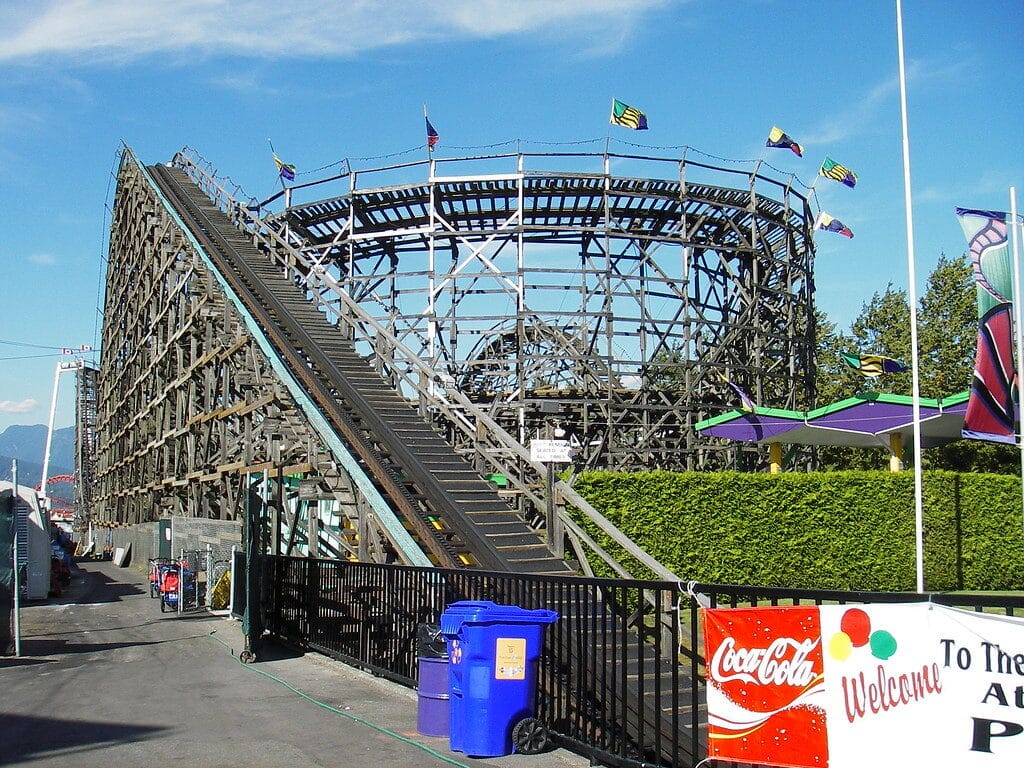
Hastings Park is a 65-hectare events and recreation complex in East Vancouver, home to the PNE (Pacific National Exhibition) grounds and the Playland amusement park. The fan festival venue is directly adjacent to Playland — families attending the Fan Festival can combine it with the amusement park rides in the same visit.
The First Nations programming component is genuinely significant. Vancouver is on the traditional territory of the Musqueam, Squamish, and Tsleil-Waututh Nations, and the fan festival's cultural programme reflects this with Indigenous art exhibitions, performances, and food. This is the clearest expression of local identity in any World Cup fan venue — a layer of cultural experience that has no equivalent in Dallas, Miami, or Los Angeles.
The Fan Festival runs across the full tournament window (June 11 – July 19), with free admission throughout. Access is by TransLink Bus 14 or 16 from downtown, approximately 25 minutes.
3. The False Creek Fan Promenade — Match Day's Best Walk
One of the most deliberately designed experiences of the Vancouver World Cup programme is the “Last Mile” — the pre-match walk from Main Street–Science World SkyTrain station along the north shore of False Creek to BC Place Stadium.
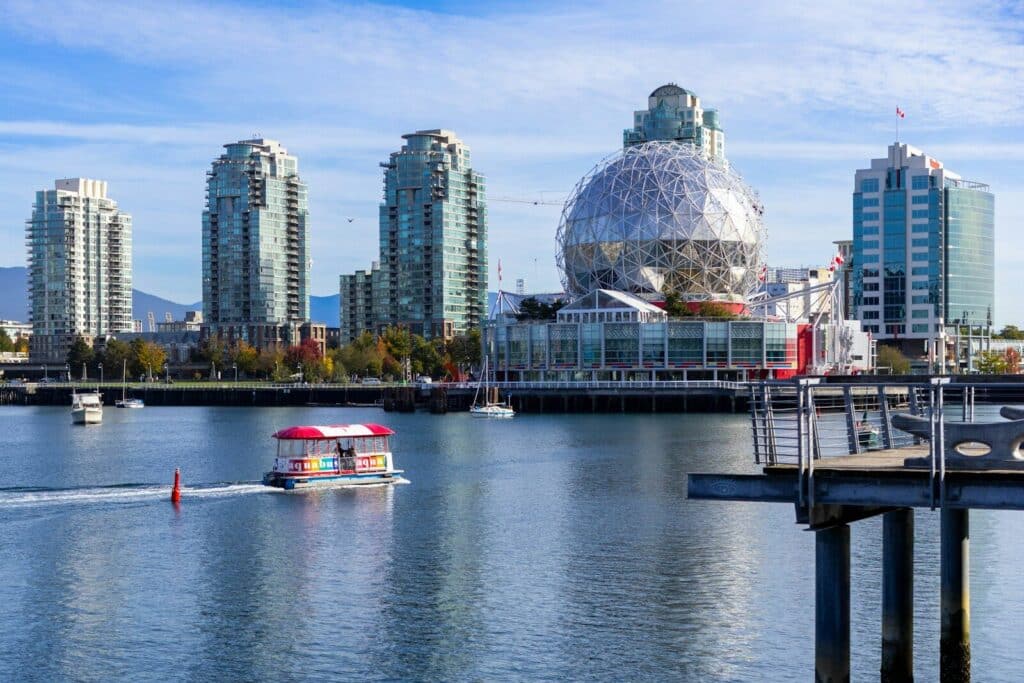
City organisers have designed this 1.5km waterfront path as a fan activation zone on match days: live entertainment, street food vendors, big screens showing earlier matches, waterfront views of the city and mountains, and the gradual build of atmosphere as 45,000 fans converge on the stadium from the east. The backdrop for this walk — False Creek with the Science World dome on one side, the downtown towers and mountains on the other — is one of the most visually extraordinary approaches to any stadium in world football.
Even on non-match days, the False Creek Seawall is one of the best walks in Vancouver — a flat, continuous waterfront path connecting the Olympic Village neighbourhood (east) to Granville Island (west) to the downtown waterfront (north). The full False Creek loop is approximately 5.5km. It can be walked in 60–75 minutes or cycled in 20 minutes.

4. Stanley Park and the Seawall
Stanley Park is the reason Vancouver appears in lists of the world's most liveable cities. A 1,001-acre forested peninsula on the northwestern edge of downtown — almost entirely old-growth temperate rainforest, surrounded by water on three sides — it is one of the most extraordinary urban parks on Earth. For World Cup visitors, it is the clearest example of what makes Vancouver different from every other host city in 2026.
The Seawall
The Stanley Park Seawall is a 9km paved path running around the perimeter of the park along the waterline, with views that cycle from the downtown skyline to the Lions Gate Bridge to the North Shore Mountains to English Bay and back. Walking the full loop takes approximately 2 hours at a relaxed pace; cycling takes 40–50 minutes. Bicycle rentals are available from multiple operators near the park's eastern entrance at Denman Street.
The best single stretch of the Seawall for views is between Prospect Point (the headland beneath the Lions Gate Bridge) and Third Beach on the western shore — approximately 2km of path with unobstructed water and mountain views in both directions.
Inside the Park
- Totem Poles at Brockton Point: A collection of ten totem poles representing the art traditions of several Pacific Northwest First Nations — located on the eastern shore of the park, 1.5km from the park entrance on the Seawall
- Vancouver Aquarium: Inside the park, housing the largest aquarium in Canada — beluga whales, sea otters, dolphins, and Pacific marine life. Admission approximately $45 CAD; book online.
- Lost Lagoon: A freshwater lake at the park's southern entrance, with a nature house, walking paths, and bird life — one of the quieter areas of the park and a good rest-day escape from the World Cup crowds
- Second Beach and Third Beach: Sandy beaches on the western shore of the park with lifeguards in summer, outdoor heated swimming pool (Second Beach), and fire pits (Third Beach). The most popular swimming locations in central Vancouver in June/July.


5. Granville Island Public Market
Granville Island is a former industrial peninsula under the south approach to the Granville Street Bridge, redeveloped since the 1970s into the most vibrant public market and arts district on the West Coast. The centrepiece is the Granville Island Public Market — a covered market hall of approximately 50 food vendors selling fresh produce, artisan cheese, seafood, charcuterie, bread, pastries, and prepared food from multiple culinary traditions.
Unlike most North American food markets that have become primarily tourist attractions, Granville Island retains genuine working relationships with local producers. The fish counters carry fresh Pacific salmon, halibut, and Dungeness crab; the cheese stalls source from BC farmstead producers; the bakery vendors include some of the best bread baking in the city.
What to Do on Granville Island
- Eat in the Market: The prepared food section inside the Market Hall is the best midday eating option — chowder, smoked salmon, Pacific sushi, and fresh-made bread at vendor stands with no reservations required
- Emily Carr University of Art + Design: Adjacent to the Market, the art and design university runs public galleries with rotating exhibitions throughout the summer — often the best contemporary art programming happening on the island during World Cup month
- Net Loft and artisan studios: The buildings surrounding the Market house potters, jewellers, textile artists, and glassblowers with working studios open to visitors — the best craft shopping in Vancouver
- Kayak and stand-up paddleboard rental: Multiple operators on the Granville Island waterfront rent kayaks and SUPs for self-guided False Creek paddling — a different perspective on BC Place and the city from the water
Getting to Granville Island
The most enjoyable approach is the False Creek Ferry — a small passenger ferry running every 5–15 minutes from docks at the waterfront south of Burrard Street, the David Lam Park dock in Yaletown, and the Science World dock. The ferry costs $5–7 CAD per crossing and takes 5–10 minutes. Alternatively, bus routes 50 (False Creek South) and C21 run directly to the island from downtown.


6. Watch at a Soccer Bar — Commercial Drive, Vancouver's Football Neighbourhood
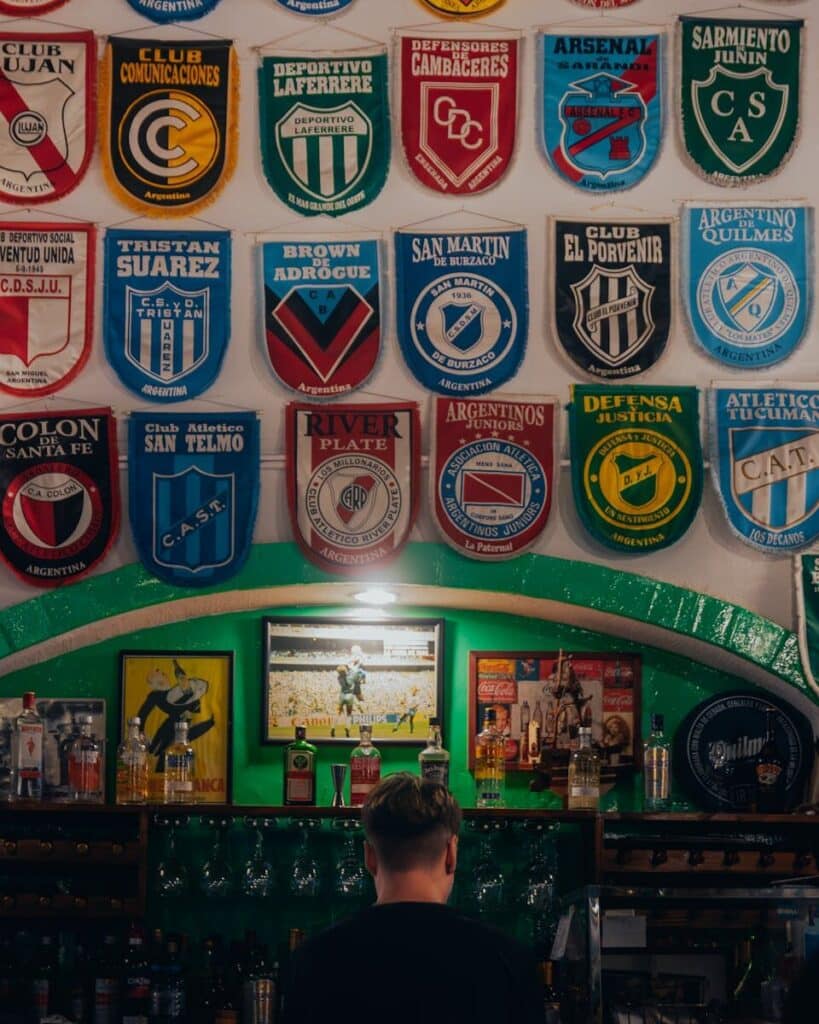
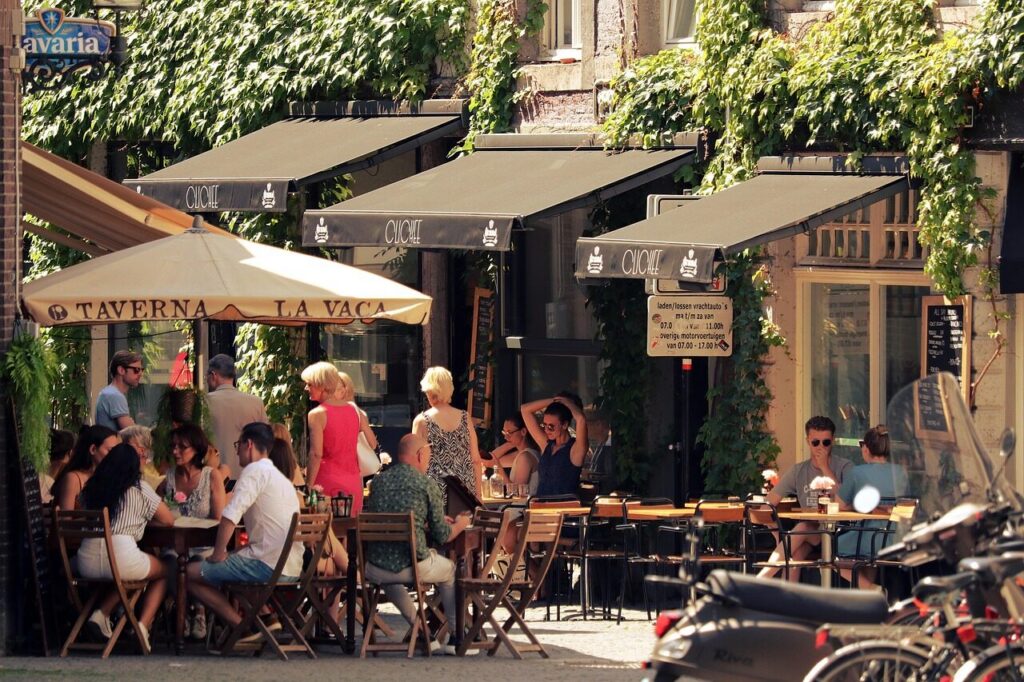
The best neighbourhood in Vancouver for watching World Cup matches without a ticket is Commercial Drive — a kilometre-long commercial strip in East Vancouver with deep Italian and Caribbean heritage, now one of the most multicultural streets in the city and home to the most knowledgeable and passionate football pub culture in British Columbia.
Commercial Drive (locally called “The Drive”) was originally Vancouver's Italian neighbourhood, established by Italian immigrants in the early 20th century. The football watching culture on The Drive developed from that Italian community's passion for Serie A and the Azzurri — and has since grown to incorporate the West African, Portuguese, Latin American, and South Asian communities that have made the street one of the most genuinely diverse in the city.
Best Bars on Commercial Drive for the World Cup
- Café Calabria: The Italian cultural anchor of The Drive — espresso, football, and a crowd that has been watching Italian football here for 40 years. The Canada and Italy matches will be extraordinary here.
- Charlatan: A no-frills pub with multiple screens and a committed football crowd — one of the best value, most atmosphere-dense venues on The Drive for major matches.
- The Biltmore Cabaret: For evening matches with live music between games — a larger venue that runs special football-plus-music programming during major tournaments.
- Havana Restaurant: A Cuban-Latin bar with good food and a warm atmosphere — particularly strong for South American matches given the neighbourhood's Latin community.
Commercial Drive is accessible by SkyTrain Line 1 (Expo Line) to Commercial-Broadway station, which is directly on The Drive. Journey time from downtown: approximately 8 minutes.
Downtown Options
For those staying in the city centre, the areas around BC Place also have reliable options:
- Banter Room (on the SkyTrain fan promenade route along False Creek): A recent addition to Vancouver's sports bar scene with big screens and a good pre-match atmosphere for BC Place fixtures
- Doolin's Irish Pub (downtown): A reliable multi-screen venue with a strong football culture and a more central location
7. Capilano Suspension Bridge Park
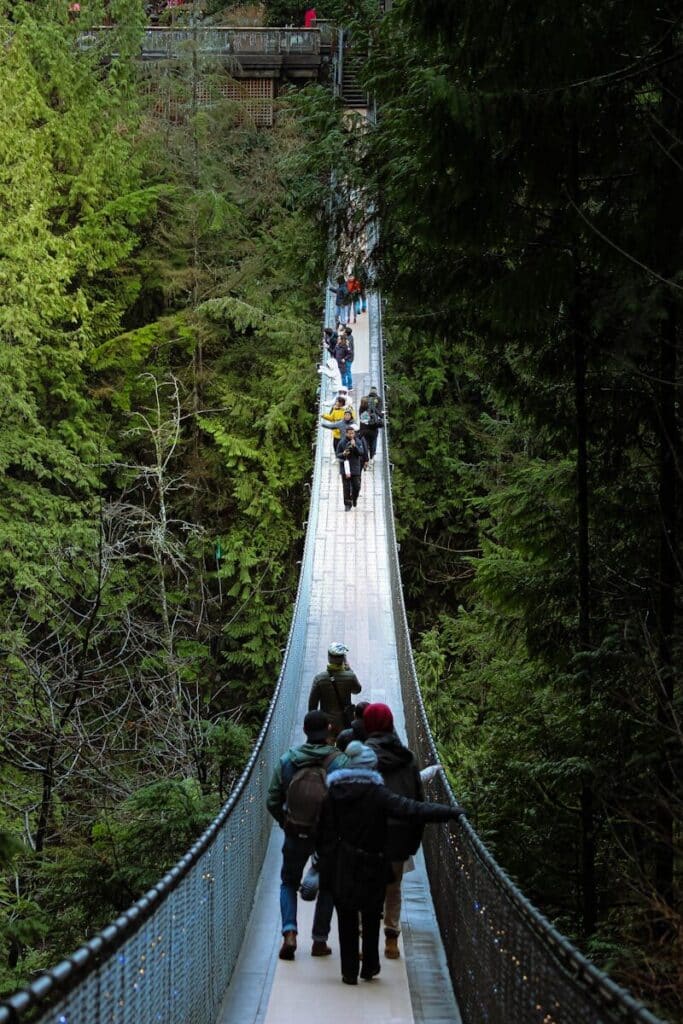
Capilano Suspension Bridge Park is one of the most visited attractions in British Columbia — and for good reason. The centrepiece is a 140-metre suspension bridge, 70 metres above the Capilano River, with old-growth Douglas fir trees towering above you on both sides. The bridge has been here since 1889; the current steel cable structure dates from the 1950s.
Beyond the main bridge, the park includes Cliffwalk (a narrow cantilevered walkway along the cliff face of the Capilano River canyon) and Treetops Adventure (a series of suspension bridges connecting platforms 27 metres up in the old-growth canopy). Together, these three experiences — bridge crossing, cliff walk, and treetop traverse — form a genuinely thrilling 2–3 hour outdoor circuit.
Capilano is in North Vancouver, 20 minutes from downtown by shuttle bus or 30 minutes by public bus. The park operates a free shuttle from downtown Vancouver hotels daily from 9am. Entry is approximately $65 CAD for adults — pre-book online for the World Cup period to guarantee entry times.
Practical note: The park's setting in old-growth rainforest means it is shaded and cooler than the city below, making it a good option even on the warmest June or July days. The canyon bottom, visible from the bridge, is kept moist by the river — bring a light layer regardless of the weather above.
8. Grouse Mountain — Gondola, Views, and Adventures
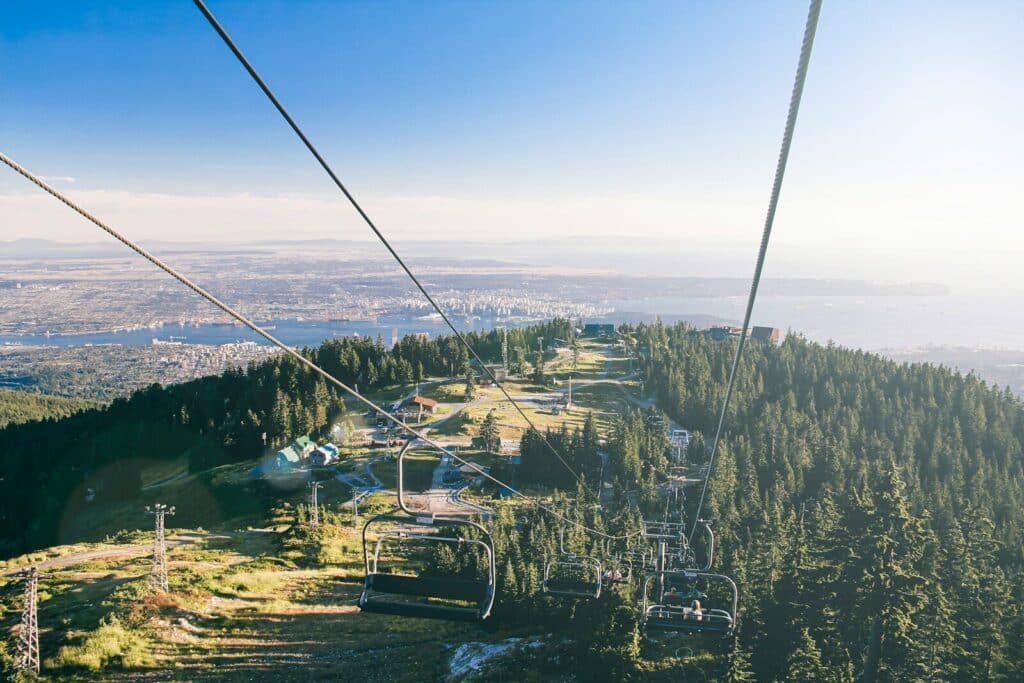
Grouse Mountain is Vancouver's most accessible mountain experience — a cable gondola ride from the base terminal in North Vancouver (25 minutes by bus from downtown) to a summit at 1,231 metres, with panoramic views of the city, the harbour, and on clear days, the entire Lower Mainland stretching toward Washington State.
The gondola (the Skyride) departs from a base terminal at 6400 Nancy Greene Way in North Vancouver. The return ticket is approximately $65–75 CAD (includes gondola and all summit activities). Journey time on the gondola is approximately 8 minutes.
What to Do at the Summit
- Observation platforms: The main summit platform has the most complete 360-degree view of Vancouver — the city grid below, False Creek, the Burrard Inlet, the Gulf Islands, and Mount Baker across the border in Washington State. This is the definitive visual orientation to the city.
- Eye of the Wind (Turbine Tower): A climbing platform inside one of the summit's wind turbines, accessible by a separate ticket — 100% powered by the mountain's own renewable energy, with a view pod at 60 metres that extends above the tree line.
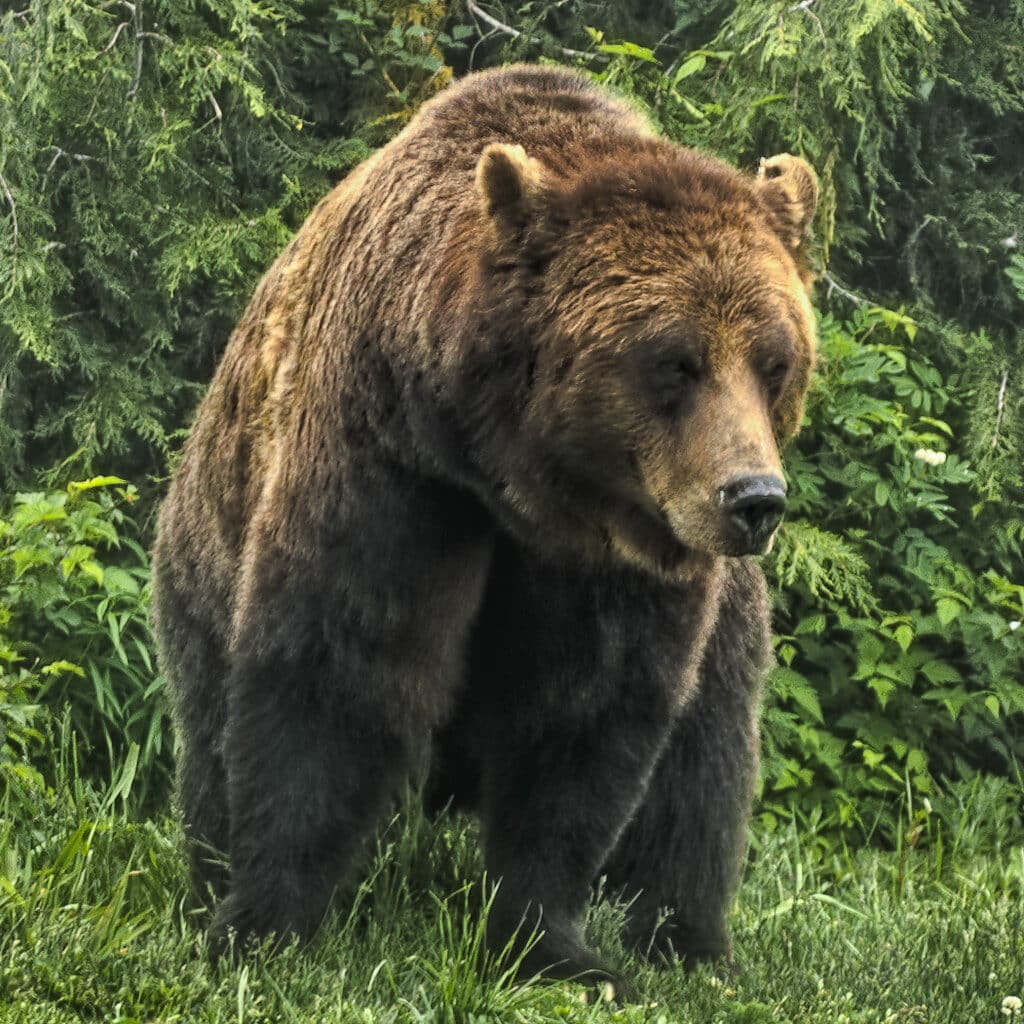
- Wildlife refuge: Grouse Mountain maintains a wildlife refuge with a pair of orphaned grizzly bears (Grinder and Coola) and a grey wolf pack — visible from a viewing area at the summit year-round.
- Hiking trails: The Grouse Grind — a 2.9km trail climbing 853 vertical metres up the face of the mountain from the base terminal — is one of the most popular urban hikes in Canada, done by 100,000+ people each summer. It is physically demanding; descend by gondola (one-way gondola down included in ticket).
- Alpine coaster (new for 2025–2026): A new mountain coaster installed for the 2025–26 season runs from the summit tree line down a 1km track — a fast and scenic option for visitors who want speed without the physical commitment of the Grind.
Getting to Grouse Mountain: TransLink Bus 236 from Lonsdale Quay (on the North Shore, reached by SeaBus from Waterfront Station) goes to the base terminal. Alternatively, a rideshare from downtown takes approximately 25 minutes. The SeaBus crossing from downtown to Lonsdale Quay is itself a 12-minute harbour crossing worth doing — one of the best waterfront views in Vancouver.
9. Gastown, Chinatown, and Vancouver's Historic Districts
Downtown Vancouver's oldest neighbourhoods sit directly east of the main hotel district — walkable from BC Place and from the SkyTrain Stadium-Chinatown station that serves the stadium on match days.
Gastown
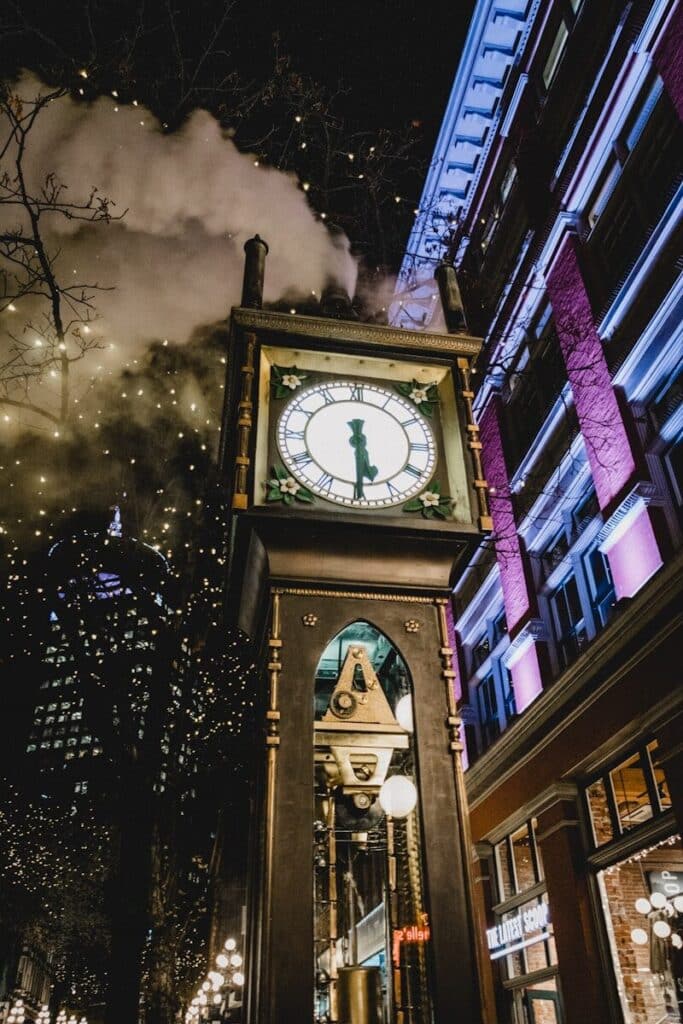
Gastown is Vancouver's original settlement — a cluster of Victorian-era brick buildings on Water Street, named after the city's first saloon keeper Gassy Jack Deighton, who arrived here in 1867. The neighbourhood's most photographed feature is the Steam Clock on the corner of Water and Cambie Streets — a working steam-powered clock that whistles every 15 minutes, more charming in person than photographs suggest.
Gastown has become a significant restaurant neighbourhood in the past decade — high-quality independent restaurants in heritage buildings, with a more intimate scale than Yaletown. The cobblestone pedestrian block of Water Street is the most atmospherically pleasant eating street in central Vancouver for an evening after a match at BC Place. It is a 10-minute walk from the stadium.
Chinatown
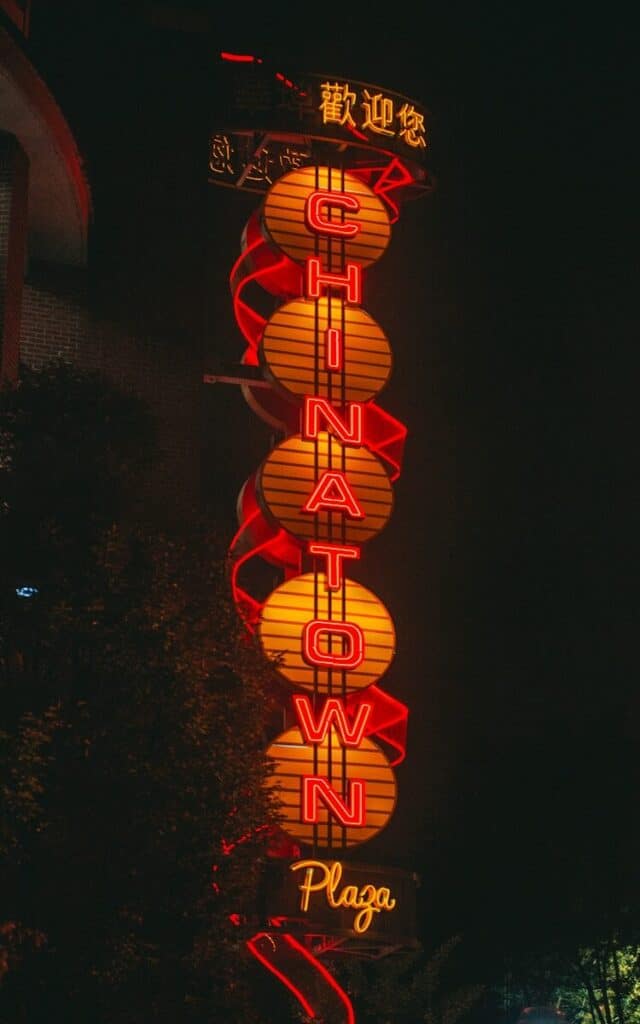
Vancouver's Chinatown, immediately east of Gastown, is the second-largest in North America (after San Francisco's). The main strip runs along East Pender Street, with a concentration of dim sum restaurants, traditional herbal medicine shops, Asian grocery stores, and tea houses that give the neighbourhood a genuinely distinct character from the rest of downtown.
The most important cultural site in the neighbourhood is the Dr. Sun Yat-Sen Classical Chinese Garden at 578 Carrall St — a 1986 replica of a classical Ming Dynasty scholar's garden, the first of its kind built outside China. Admission is approximately $22 CAD; the garden is open daily and one of the quietest and most contemplative spaces available near the stadium precinct.
10. Day Trip to Whistler or the Gulf Islands
Vancouver's position between mountains and ocean makes it the only World Cup host city where a single rest day can take you either to one of the world's premier mountain destinations or to a quiet archipelago of forested islands. Both are within 2 hours of the city.
Whistler (1.5 hours north by Sea to Sky Highway)
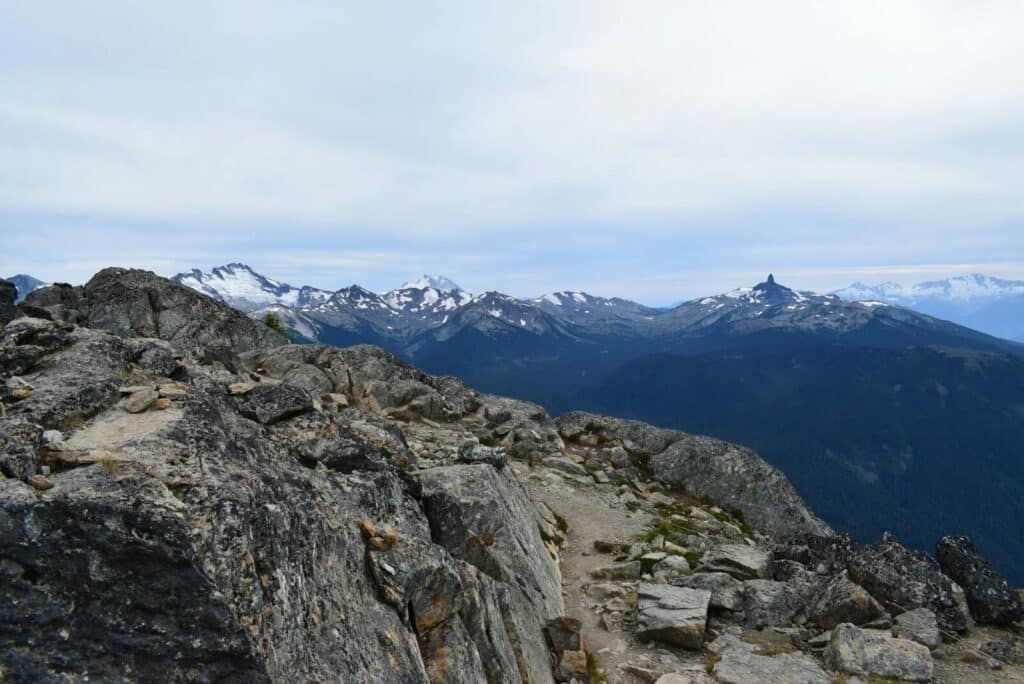
Whistler Blackcomb is the largest ski resort in North America — but in June and July, it is an alpine summer destination: mountain biking on the world's largest lift-accessed bike park, hiking on trails above 2,000 metres, the Peak 2 Peak Gondola (14km long, connecting Whistler and Blackcomb mountains), and a village of restaurants and cafés at the base.
The Sea to Sky Highway (Highway 99) from Vancouver to Whistler is one of the most dramatically scenic drives in the world — 120km of coastal highway climbing from sea level through mountain passes with the ocean visible below. Greyhound coaches run daily from Vancouver's Pacific Central Station. The journey takes approximately 2.5 hours by bus or 1.5–2 hours by car.
Gulf Islands (BC Ferries from Tsawwassen or Horseshoe Bay)
The Gulf Islands — Galiano, Salt Spring, Mayne, and others — are a chain of forested islands in the Strait of Georgia between Vancouver Island and the mainland, accessible by BC Ferries. Salt Spring Island is the most visited, with a Saturday morning farmers' market (the best in British Columbia), artisan studios, and quiet roads ideal for cycling. The ferry from Tsawwassen (accessible by Canada Line SkyTrain to Bridgeport, then bus) takes 50–75 minutes to the southern Gulf Islands.
The Gulf Islands are the World Cup rest-day option for visitors who want complete contrast to the city — minimal mobile signal, independent accommodation, farm food, and sea kayaking in a landscape that looks nothing like the tournament cities around it.

Where to Stay in Vancouver During the World Cup
Accommodation in Vancouver during the World Cup fills up quickly — particularly for the June 18 and June 24 Canada matches, where demand from fans travelling from across the country is highest. Book as early as possible: options at most price points in the areas closest to BC Place are limited during match weeks.
Best areas to stay
- Coal Harbour: The most waterfront-focused hotel district in downtown Vancouver, with several large hotels directly on the harbour. Close to the West End and Stanley Park, and an easy walk or short SkyTrain ride to BC Place.
- Yaletown: The best restaurant and bar density of any central neighbourhood, and within 15 minutes on foot of BC Place along the False Creek waterfront. Well-connected by SkyTrain and ferry.
- West End: The most residential of the three central options — quieter, slightly lower prices, and the closest neighbourhood to Stanley Park. A good base for visitors who want to balance match days with outdoor rest days.

Find hotels, apartments, and convenient stays across Vancouver for your trip and World Cup matches.
What to Budget for a Match Day in Vancouver
Here is a realistic estimate for a single match day in Vancouver — covering transport, food, and entry:
| Item | Estimated Cost |
|---|---|
| Match ticket (group stage. secondary market) | Varies significantly — check current listings |
| SkyTrain return (downtown to Stadium–Chinatown) | $7–8 CAD |
| Food and drinks at the stadium | $25–50 CAD |
| Pre-match meal or drinks in the city | $20–40 CAD |
| Rideshare (if used instead of SkyTrain) | $15–30 CAD one way |
| Total (excluding ticket) | approx. $50–100 CAD |
The SkyTrain is genuinely the best option for match days — parking around BC Place is limited and expensive, and SkyTrain drops you two minutes from the main entrance. Pre-match eating in Gastown or Yaletown costs less than stadium food and is significantly better quality. The biggest variable by far is the match ticket itself.
Getting Around Vancouver During the World Cup
Vancouver's public transport system — TransLink — is one of the most competent in North America, covering the city by SkyTrain, SeaBus, and bus. The key connections:
- Canada Line (YVR to downtown): Airport to Waterfront or Burrard stations — 26 minutes, approximately $13.75 CAD. Direct connection to all SkyTrain lines at Waterfront station.
- Expo/Millennium Line (Stadium–Chinatown station): The direct stadium connection — 2-minute walk from the SkyTrain platform to BC Place's front entrance. From downtown, 2–4 minutes.
- SeaBus: Foot passenger ferry from Waterfront Station to Lonsdale Quay in North Vancouver — 12 minutes, included in the standard TransLink fare ($3.50 CAD single). The most scenic 12 minutes of travel available in Vancouver.
- False Creek Ferries and Aquabus: Small passenger ferries connecting False Creek neighbourhoods (Granville Island, Yaletown, Olympic Village, Science World) for $5–7 CAD per crossing.
- Translink Compass Card: Tap-to-pay card covering all SkyTrain, SeaBus, and bus services. Purchase at any SkyTrain station.
A note on driving: Vancouver's downtown core has limited and expensive parking. The SkyTrain covers almost all World Cup visitor needs. A car is useful only for Whistler, the Gulf Islands ferry terminals, and Capilano (though bus access to Capilano is straightforward).


Staying Connected in Vancouver
The same Canadian data connectivity challenge that applies in Toronto applies in Vancouver — local mobile data plans are expensive by international standards, and most international roaming packages do not extend cleanly to Canada. A Canadian eSIM installed before you fly gives you full-speed local coverage from the moment you land at YVR — no queuing at the airport, no unexpected charges on match day. If your World Cup itinerary spans both Canadian cities (Toronto and Vancouver), a North America bundle plan covering Canada, the USA, and Mexico offers the best overall value for the full tournament window.
➡ Best eSIM for World Cup 2026
Stay connected across Canada during the 2026 World Cup with instant mobile data for maps, tickets, and match updates. Activate before you fly and connect as soon as you land.
Frequently Asked Questions
What matches are being played at BC Place during the World Cup 2026?
BC Place is hosting seven matches in total. Confirmed group stage fixtures include: Australia vs Turkey (June 13, 9pm PT), Canada vs Qatar (June 18, 3pm PT), New Zealand vs Egypt (June 21, 6pm PT), Canada vs Switzerland (June 24, 12pm PT), and one further group stage match on June 26. The knockout rounds include a Round of 32 (July 2) and a Round of 16 (July 7). Canada plays two of their three group stage matches in Vancouver — making BC Place the West Coast home of Canadian football this summer.
How do I get from Vancouver Airport (YVR) to BC Place?
The Canada Line SkyTrain connects YVR airport directly to Waterfront Station in downtown Vancouver in approximately 26 minutes, for CAD 13.75. From Waterfront, change to the Expoor Millennium Line and take one stop to Stadium-Chinatown station, which is a 2-minute walk from BC Place's main entrance. The full airport-to-stadium journey by SkyTrain takes around 35 minutes total and is significantly cheaper and more reliable than CAD 40-55 from YVR to downtown.
Where is the FIFA Fan Festival in Vancouver?
The official FIFA Fan Festival is at Hastings Park in East Vancouver, running June 11 – July 19, 2026. It is free to attend and features live match broadcasts, live entertainment, food, and unique First Nations cultural programming from the Musqueam, Squamish, and Tsleil-Waututh Nations — the only fan festival in the 2026 tournament to integrate Indigenous arts programming. Access is by TransLink Bus 14 or 16 from downtown (approximately 25 minutes).
What is the “Last Mile” fan experience at BC Place?
The “Last Mile” is a designed pre-match fan activation running along the False Creek waterfront between Main Street–Science World SkyTrain station and BC Place, approximately 1.5km. On match days, this route features live street entertainment, food stalls, big-screen live match broadcasts (for matches playing simultaneously in other venues), and waterfront views of False Creek and the city. It is one of the most deliberately designed fan experiences in the tournament — worth arriving 60–90 minutes before kick-off to experience the full build-up.
Where can I still get tickets for matches in Vancouver?
Check FIFA.com/tickets first for any released availability. The FIFA fan-to-fan resale platform allows holders to resell at face value — the safest secondary option. Verified platforms such as StubHub and SeatGeek list tickets from private sellers, typically at above face value. Always use a platform with buyer protection and avoid unofficial or street sellers. The Canada matches (June 18 and June 24) are the highest-demand fixtures at BC Place.
What is the best area to stay in Vancouver during the World Cup?
Downtown Vancouver — Coal Harbour, West End, or Yaletown — is the best all-round base. All three areas are within walking distance of BC Place along the False Creek waterfront, with direct SkyTrain access to the Fan Festival at Hastings Park and to Commercial Drive. Yaletown has the best restaurant density; Coal Harbour has the most waterfront hotels; the West End is quieter and closest to Stanley Park. Book as early as possible — accommodation in these areas is limited during the Canada match weeks.
What is the best time of year to visit Vancouver and what is the weather like during the World Cup?
June and July are the best months to visit Vancouver — the city's most reliably warm and dry period. Average temperatures run 18–25°C (64–77°F), with low humidity and long summer evenings (sunset after 9pm in June). Vancouver's reputation for rain is more accurate in October through March; the World Cup months are the city at its peak. A light waterproof layer is always sensible given the coastal location, but consecutive sunny days in June and July are the norm.
Is Whistler worth visiting as a day trip during the World Cup?
Yes, if you have a rest day. Whistler in summer offers mountain biking on the world's largest lift-accessed bike park, hiking above 2,000 metres, the Peak 2 Peak Gondola, and a village of restaurants and bars. The Sea to Sky Highway drive alone justifies the journey. A round trip by car or coach takes a full day — plan for departure around 8am and return by early evening to be back for any evening match or Fan Festival programming.
Final Thoughts
Vancouver is the most visually dramatic host city in the 2026 World Cup. The mountains behind BC Place are not backdrop — they are a constant presence. The ocean is five minutes from the stadium. Stanley Park is ten minutes from the fan zone. The combination of natural scale, urban quality, and the distinctive Pacific Northwest character makes Vancouver a city that tends to surprise visitors who arrive expecting a generic experience.
Canada plays two group stage matches here, which means the city's football culture — usually expressed through its extraordinary immigrant communities on Commercial Drive — will be channelled into something rare: genuine national team support, at home, at the World Cup. That atmosphere will define the things to do in Vancouver during the World Cup 2026 as much as anything else on the schedule.
Come for the matches. Stay for the mountains.
➡ World Cup 2026 Travel Guide
➡ Best eSIM for World Cup 2026
➡ How to Get Around at the World Cup
Add your first comment to this post