


In a Rush?
Top Hotels in Tokyo
- ⭐⭐⭐ Park Hyatt Tokyo – Check prices and availability
- ⭐⭐ The Peninsula Tokyo – Check prices and availability
- ⭐ Aman Tokyo – Check prices and availability
One of the most common questions we get is how many days tokyo you actually need.
Tokyo is one of the most layered cities in the world. It's not one city — it's dozens of neighbourhoods, each with its own personality, food, and atmosphere. The answer to “how many days do you need” depends entirely on how you travel.
We think the honest answer is: 4 days is the minimum, 7 days gives you a real experience, and 10+ days lets you go deep. But this guide breaks down exactly what you can do in each timeframe so you can decide for yourself.
How Tokyo Works (A Quick Primer)
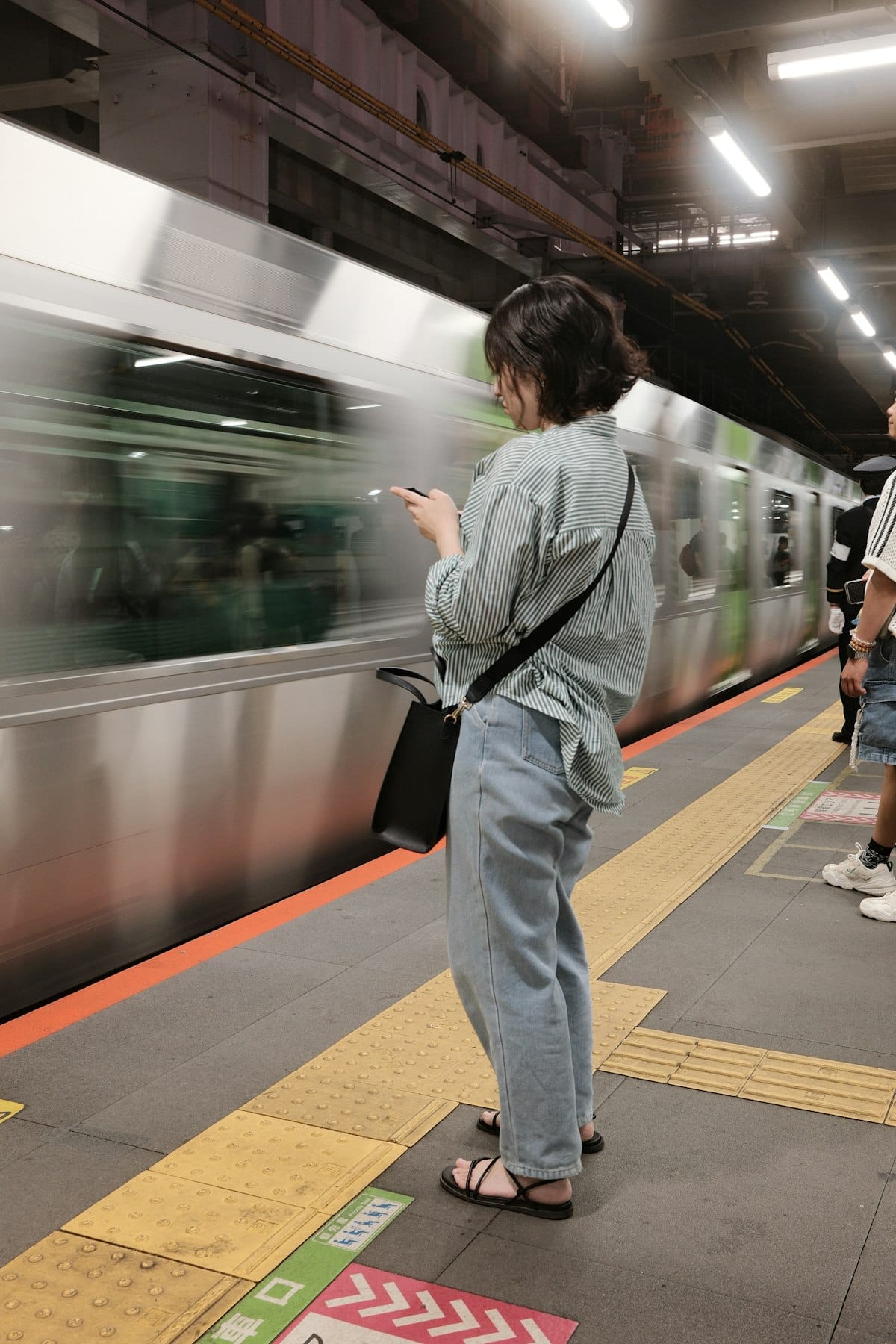
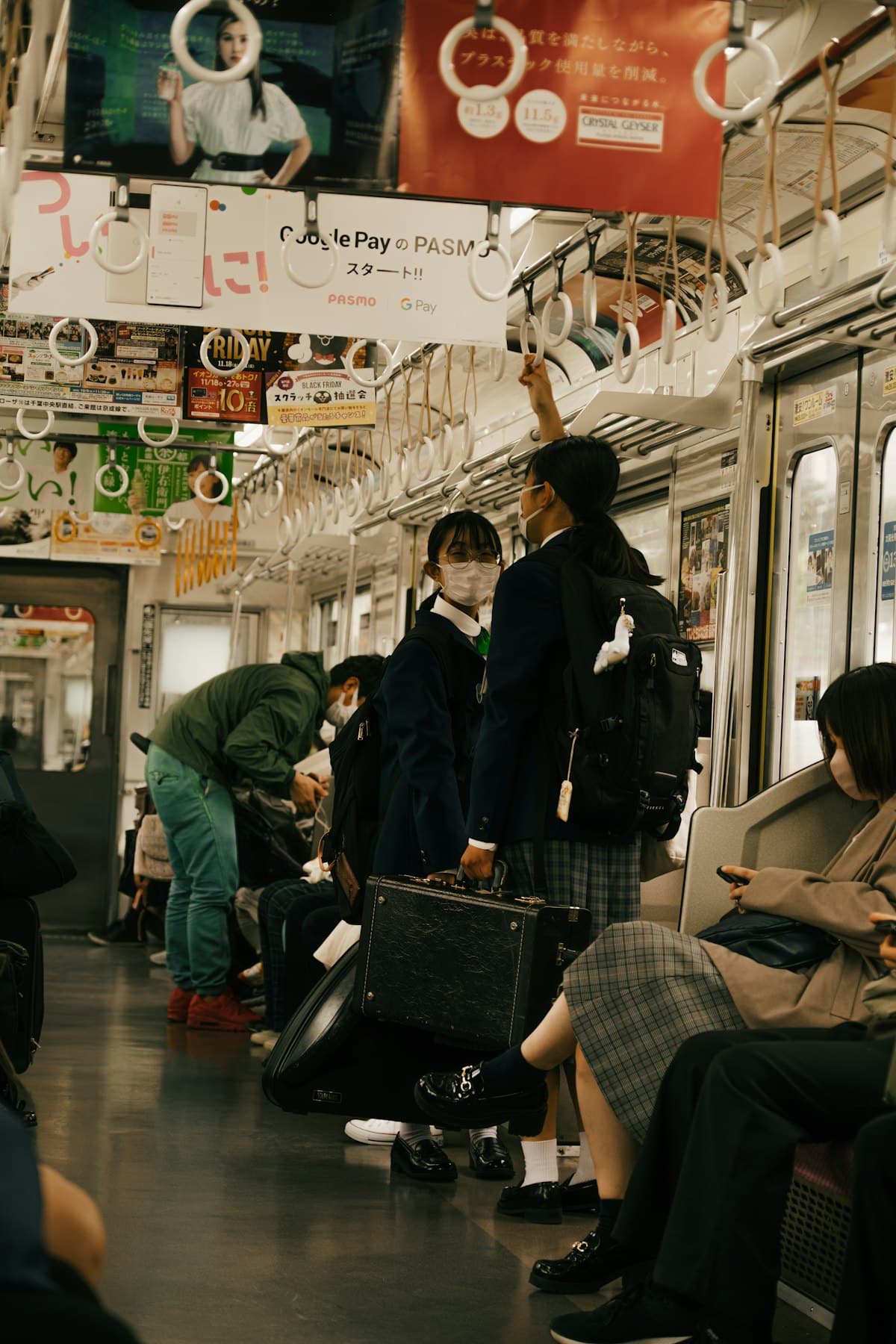
Before deciding how many days you need, it helps to understand how Tokyo is structured. The city is a collection of distinct wards, each functioning almost like a separate town. You can't “see Tokyo” the way you can walk through a European capital — it's too spread out, too layered.
Key areas you'll want to consider:
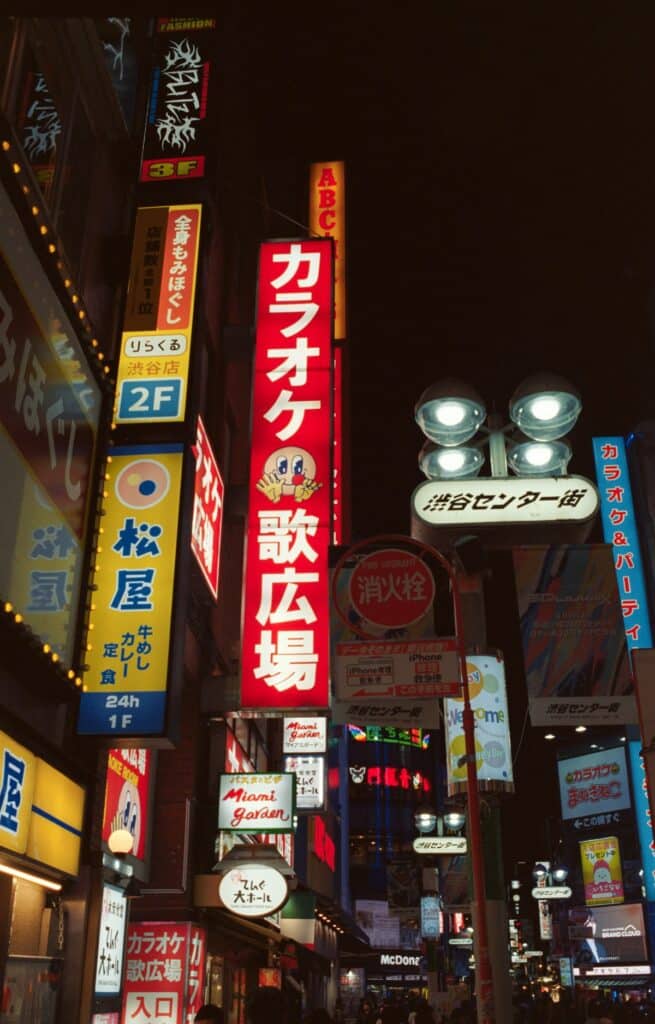
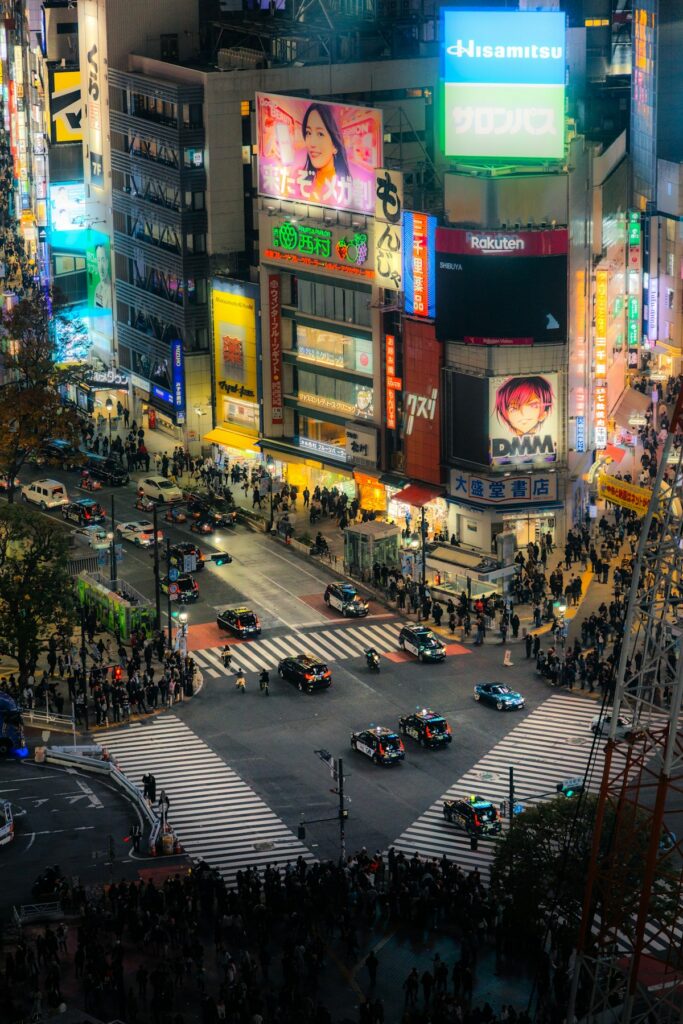
- Shibuya & Harajuku: The youth culture heart. Shibuya Crossing, Meiji Shrine, Takeshita Street, Omotesando.
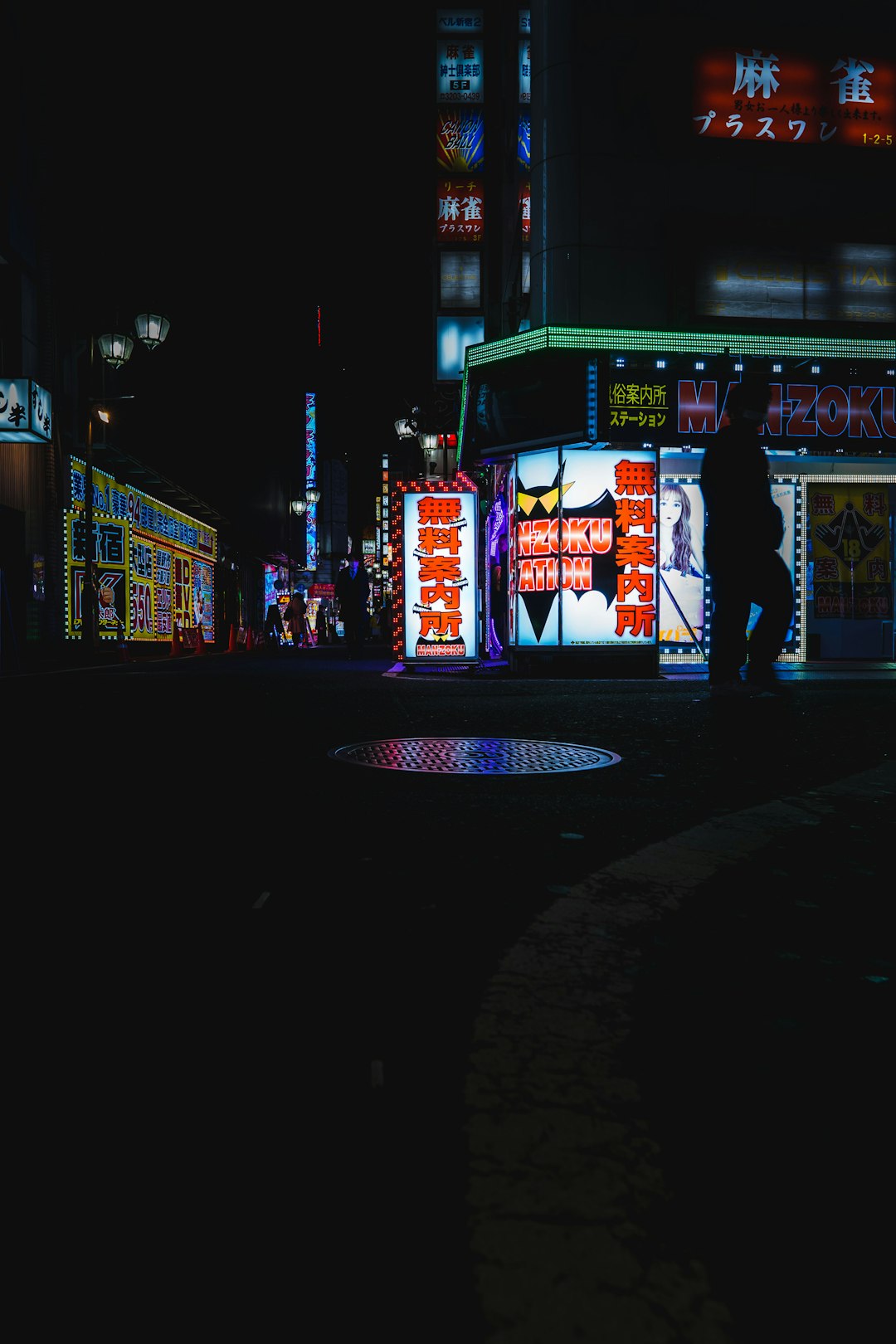
- Shinjuku: Entertainment, neon, Golden Gai, Omoide Yokocho, Tokyo Metropolitan Government Building (free observation deck).
- Asakusa: Old Tokyo. Senso-ji Temple, Nakamise shopping street, rickshaw rides.
- Ginza & Tsukiji: Upscale shopping and the best seafood market in the world.
- Akihabara: Electronics, anime, gaming culture.
- Ueno & Yanaka: Museums, parks, and old-school neighbourhoods that survived WWII bombings.
- Roppongi: Art museums (Mori Art Museum, Suntory Museum), nightlife.
- Odaiba: Futuristic island with teamLab Borderless, shopping, and waterfront views.
- Shimokitazawa & Kichijoji: Hipster neighbourhoods with vintage shops, live music, and excellent casual restaurants.
We think the biggest mistake travellers make is cramming too many areas into one day. Each neighbourhood deserves at least half a day to explore properly.
At a Glance
| Duration | What You Can Cover | Best For |
|---|---|---|
| 2 days | Shibuya, Shinjuku, Asakusa, Tsukiji | Stopover, tight itinerary |
| 3 days | Add Harajuku, Akihabara, a garden | Weekend trip |
| 4 days | Add a museum, teamLab, neighbourhood stroll | Most first-time visitors |
| 5 days | Add a day trip (Kamakura or Nikko) | Balanced trip |
| 7 days | All major areas, 2 day trips, depth | Ideal first visit |
| 10+ days | Slow travel, cooking classes, day trips, revisit favourites | Deep immersion |
2 Days in Tokyo: The Blitz
Who this is for: Stopover travellers, those adding Tokyo onto a larger Japan trip, or people with very limited time.
Day 1 — The Icons
- Morning: Tsukiji Outer Market (breakfast sushi or seafood bowl). The outer market is still thriving even though the wholesale tuna auction moved to Toyosu.
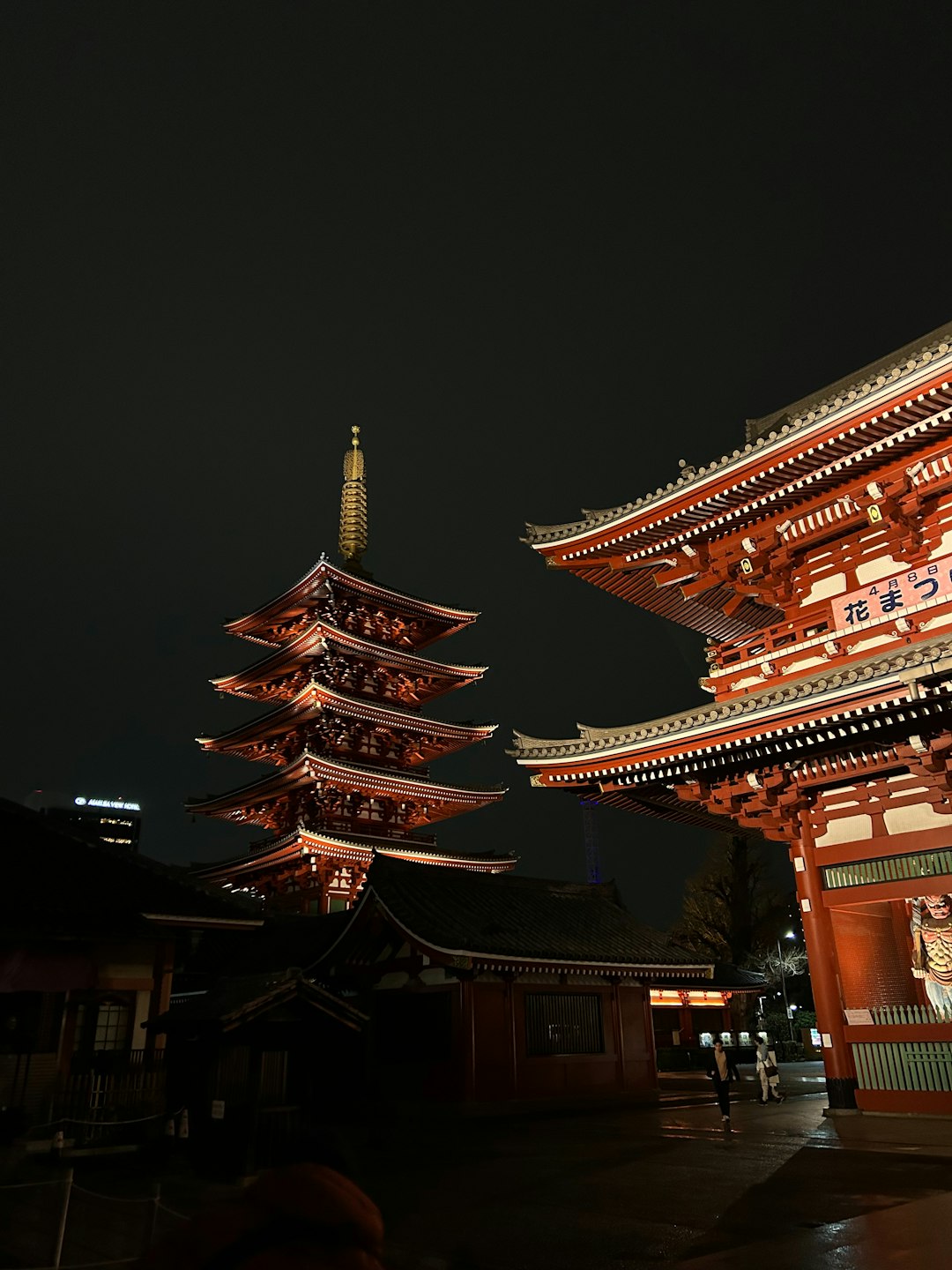
- Late morning: Asakusa — Senso-ji Temple, Nakamise Street. This is Tokyo's oldest temple and the approach is lined with traditional snack stalls.
- Afternoon: Akihabara for electronics or anime. Even if you're not into anime, the sheer spectacle of multi-storey arcades and electronic shops is worth an hour.
- Evening: Shibuya Crossing, Shibuya Sky or Starbucks for the view. The scramble crossing is best viewed from above.
Asakusa is a good base if you want to feel Tokyo's older side rather than its neon side. The Residential Hotel B: CONTE ASAKUSA is a well-reviewed option a short walk from Senso-ji.
If you'd rather be in the middle of the action, Shibuya is the more central alternative. Cerulean Tower Tokyu Hotel is a well-reviewed option right by Shibuya Crossing, within walking distance of Harajuku and Omotesando.
Day 2 — Culture and Neighbourhoods
- Morning: Meiji Shrine and Yoyogi Park. The shrine grounds are forested and peaceful — a complete contrast to the neon of Shibuya just minutes away.
- Late morning: Harajuku (Takeshita Street for the scene, Omotesando for upscale). Two completely different Harajukus in one area.
- Afternoon: Shinjuku — Observation deck at Tokyo Metropolitan Government Building (free and rarely crowded compared to Shibuya Sky).
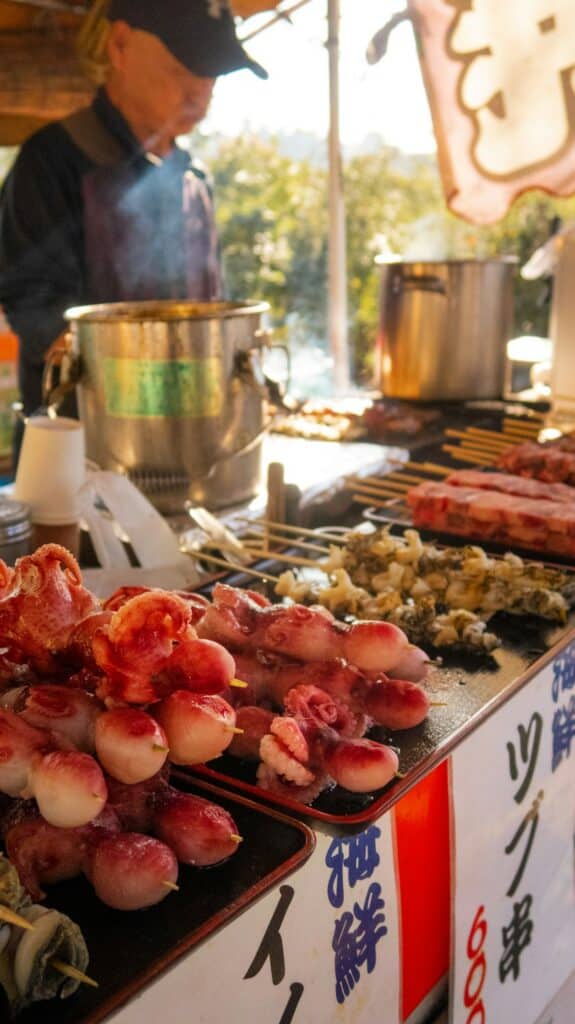
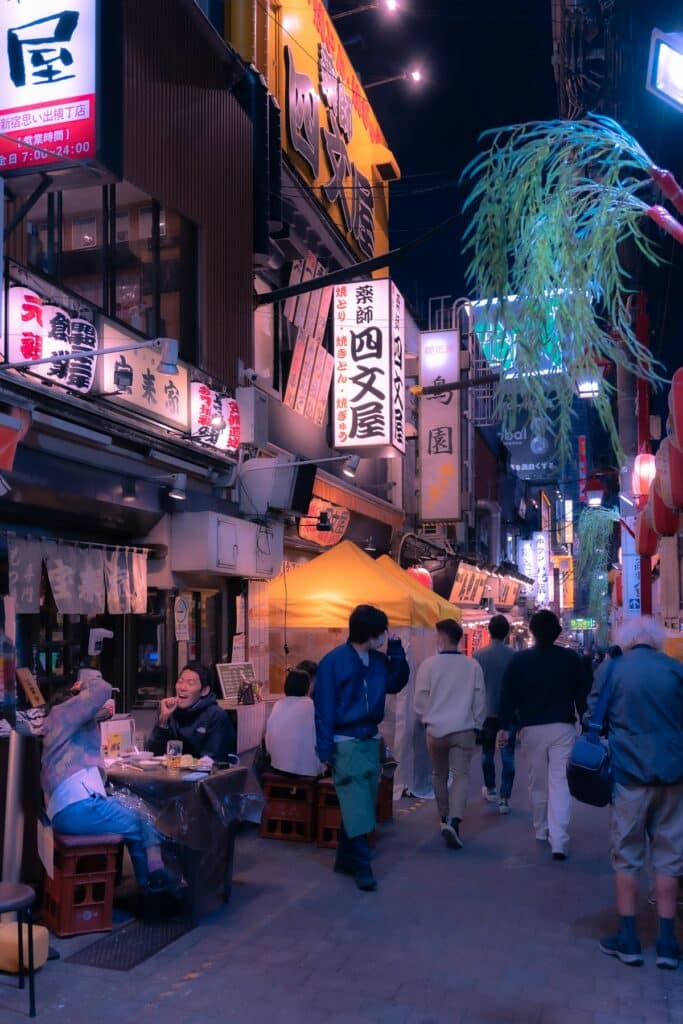
- Evening: Golden Gai or Omoide Yokocho for dinner and drinks. Golden Gai is a maze of tiny bars. Omoide Yokocho is a narrow alley of yakitori and beer joints.
Shinjuku makes sense as a base if you want to be close to the nightlife and the train hub. The Kimpton Shinjuku Tokyo is a highly rated option within walking distance of Golden Gai.
What you'll miss: Almost everything else. Museums, day trips, deeper neighbourhood exploration, serious food exploration.
3 Days in Tokyo: The Weekend Trip
Add a third day focused on food and modern Tokyo:
Day 3 — Modern Tokyo
- Morning: teamLab Borderless or Planets
- Lunch: Roppongi or Ginza
- Afternoon: Art museum (Mori Art Museum or National Art Center)
- Evening: Odaiba or Tokyo Tower
Roppongi is a convenient base for this more modern side of Tokyo, close to the art museums and nightlife. The Grand Hyatt Tokyo is a well-reviewed option right in the heart of the district.
4 Days in Tokyo: The Sweet Spot for First-Timers

We think 4 days is the right answer for most first-time visitors. You can cover all the essential neighbourhoods without rushing and still have time for a relaxed meal or two.
Day 4 — Green Tokyo
- Morning: Shinjuku Gyoen (the most beautiful garden in central Tokyo)
- Lunch: Try a kaiseki or set lunch in Ginza
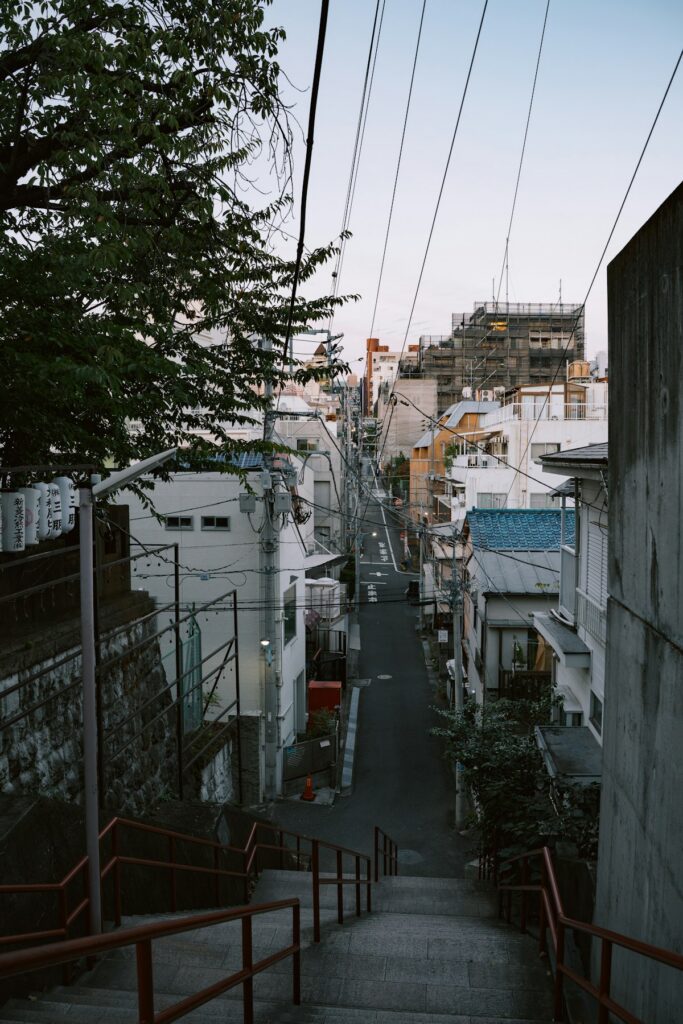
- Afternoon: Yanaka or Shimokitazawa — old-school Tokyo neighbourhoods
- Evening: Izakaya hopping in Kichijoji
Ueno is a practical base for exploring the old-school neighbourhoods and museums nearby. The MONday Apart Premium Ueno Okachimachi is a popular, highly rated option close to the park.

5 Days in Tokyo: Adding a Day Trip
With a fifth day, you can escape the city. Kamakura is the easiest and most rewarding day trip from Tokyo.
Day 5 — Kamakura Day Trip
- Morning: Great Buddha (Kotoku-in), Hase-dera Temple
- Lunch: Kamakura's famous shirasu (whitebait) bowl
- Afternoon: Tsurugaoka Hachimangu, bamboo path at Hokoku-ji
- Evening: Back in Tokyo, explore a different area for dinner
Alternative day trips: Nikko (faster by shinkansen), Hakone (Mt. Fuji views), or Yokohama (closer, Chinatown).
7 Days in Tokyo: The Ideal First Visit
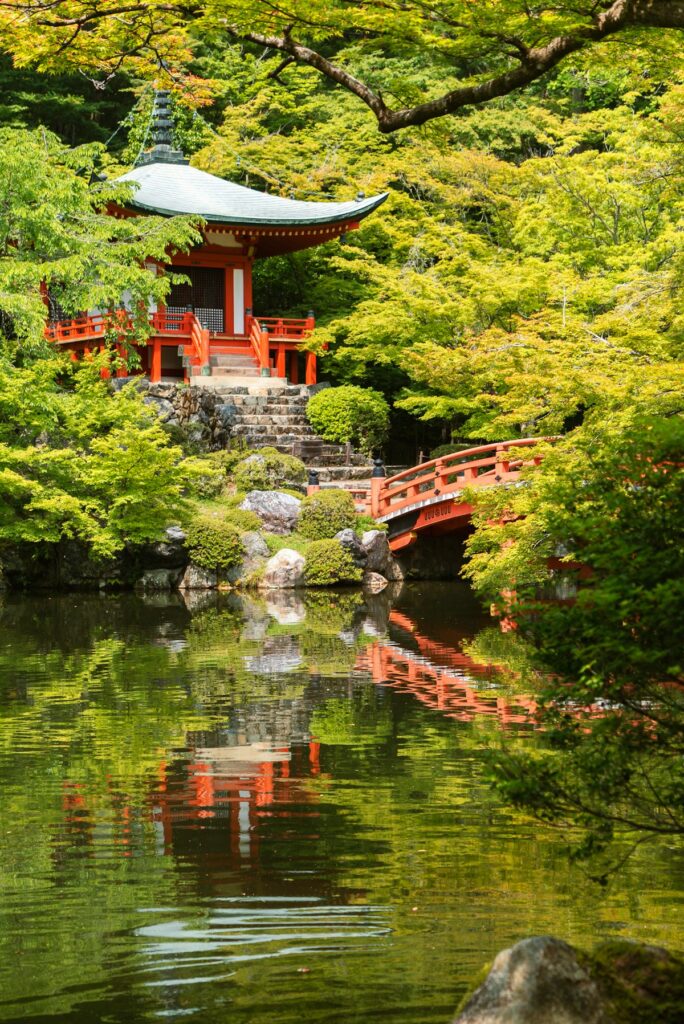

Seven days gives you time to explore at a proper pace, add two day trips, and revisit favourite restaurants.
- Day 1: Shibuya + Harajuku
- Day 2: Asakusa + Ueno (parks, museums, Zoo)
- Day 3: Shinjuku (day) + Golden Gai (night)
- Day 4: Day trip to Kamakura or Nikko
- Day 5: Tsukiji + Ginza + Tsukishima (monjayaki)
- Day 6: Yanaka + Nezu + Ueno (old Tokyo)
- Day 7: teamLab + Odaiba + final dinner
What 7 days gives you: You can actually absorb the city. You're not rushing from one spot to the next. You have time for a cooking class, a proper sushi dinner, and a random exploration day.
10+ Days in Tokyo: Going Deep
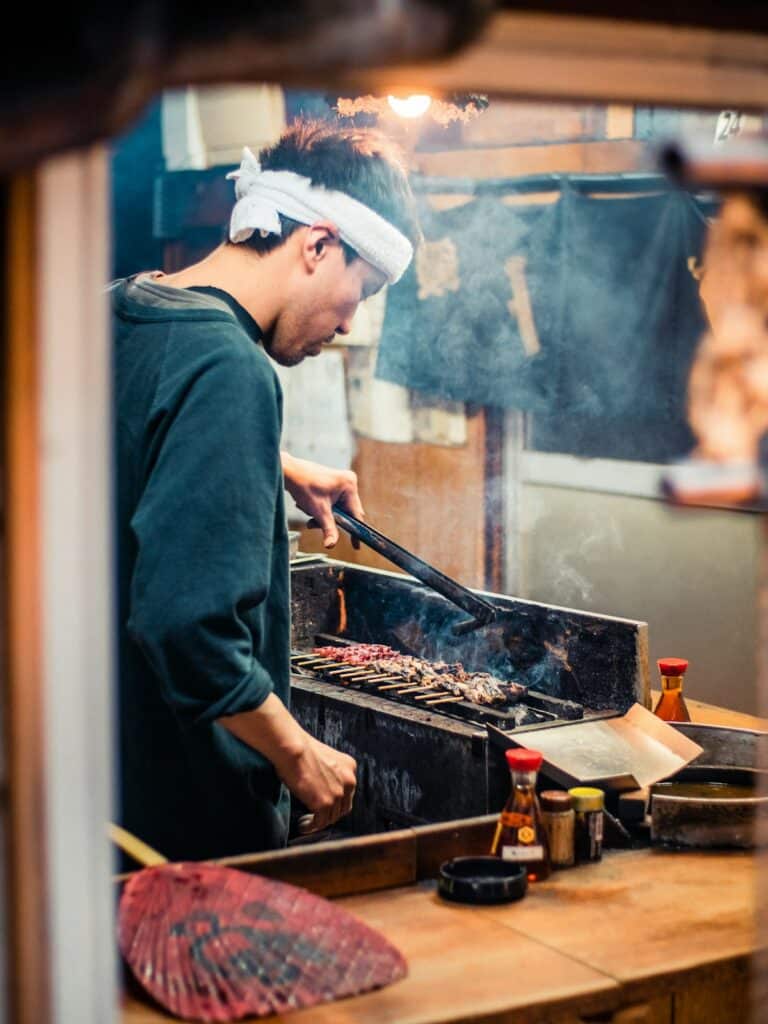
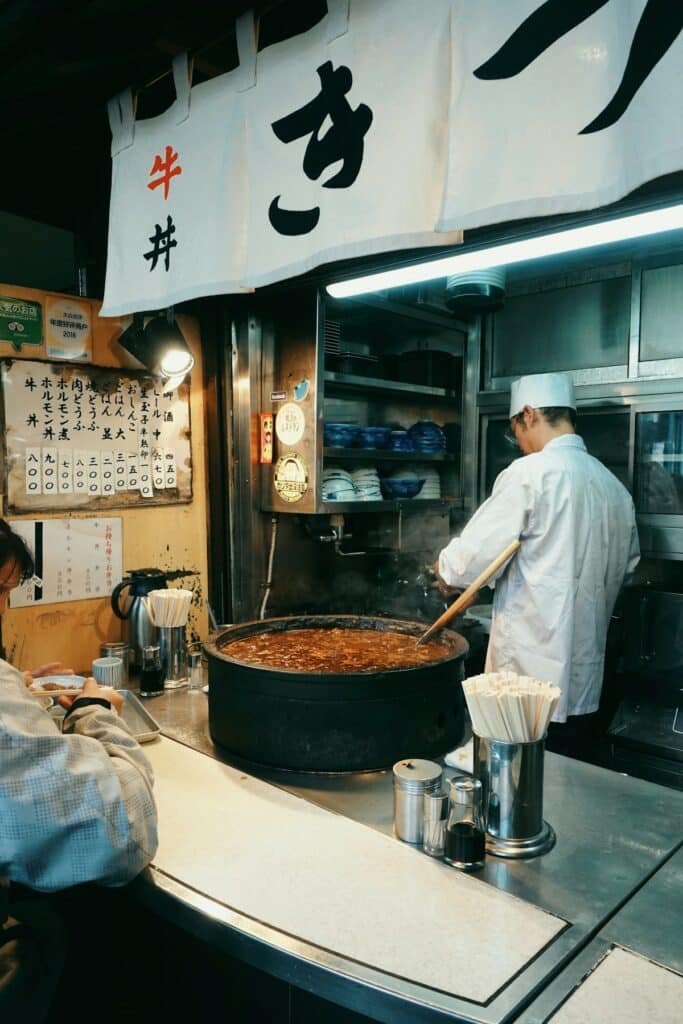
With 10+ days, Tokyo stops being a destination and starts feeling like a place to live. You can take a cooking class, visit a sumo stable, explore the Tama region (Mount Takao or the Okutama hiking area), and revisit your favourite neighbourhoods multiple times.
Recommended extras:
- Cooking class: Learn to make okonomiyaki or ramen from scratch. Most classes are half-day and based in central Tokyo.
- Sumo: Visit a sumo stable in Ryogoku for morning training (book ahead). This is a unique cultural experience that most tourists miss.
- Nerd deep dive: Akihabara by day, Nakano Broadway for retro shopping. Nakano is less crowded than Akihabara and has better vintage finds.
- Tama region: Day trip to Mount Takao (easy hike with a beer garden at the top) or the hot springs at Ome.
- Second day trip: Nikko (for the Toshogu Shrine and Kegon Falls) if you chose Kamakura for Day 4, or Hakone for Mt. Fuji views and an onsen experience.
– Food exploration: Book a food tour of Tsukiji Outer Market or a sake tasting session in Shinbashi.
Budget Implications of More Days
Tokyo is not a cheap city, but it offers excellent value at every price point if you know where to look.
| Duration | Budget (per person) | Mid-Range (per person) | Luxury (per person) |
|---|---|---|---|
| 2 days | ¥15,000-25,000/day | ¥25,000-40,000/day | ¥50,000+/day |
| 4 days | ¥14,000-22,000/day | ¥22,000-35,000/day | ¥45,000+/day |
| 7 days | ¥12,000-20,000/day | ¥20,000-32,000/day | ¥40,000+/day |
| 10 days | ¥10,000-18,000/day | ¥18,000-28,000/day | ¥35,000+/day |
Longer stays are cheaper per day because you can cook some meals, use weekly metro passes (Tokyo 24-hour ticket, or a Suica card), and negotiate weekly accommodation discounts.

When Your Itinerary Includes Other Cities
Most travellers don't visit Tokyo alone — they combine it with Kyoto, Osaka, or other parts of Japan. Here's how Tokyo fits into common Japan itineraries:
| Total Trip | Tokyo Days | Other Cities | Pace |
|---|---|---|---|
| 7 days | 3 days Tokyo | 4 days Kyoto/Osaka | Rushed but doable |
| 10 days | 4 days Tokyo | 6 days Kyoto/Osaka + Hakone | Balanced |
| 14 days | 5-6 days Tokyo | Rest of Japan (Kyoto, Osaka, Hiroshima) | Comfortable |
| 21 days | 7-8 days Tokyo | Everything else | Deep travel |
We recommend spending at least 4 of your total trip days in Tokyo for a first visit. If Japan is your main destination and you're not doing a multi-country trip, we think 5-6 days in Tokyo gives you the best balance of coverage and depth.
Seasonal Considerations
Tokyo changes dramatically by season, and this affects how you spend your days:
| Season | Good For | Challenge | Day Impact |
|---|---|---|---|
| March-April (Cherry blossom) | Parks, gardens | Crowds, higher prices | Add a day for blossom spots |
| May-June (Green season) | Mild weather, fewer crowds | Rain in June | Standard |
| July-August (Summer) | Festivals, beer gardens | Intense heat and humidity | Skip midday outdoors |
| September-October (Autumn) | Best weather, autumn colours | Occasional typhoons | Standard |
| November-December (Autumn peak) | Gingko trees, illuminations | Crowded at popular spots | Add an evening for illuminations |
| January-February (Winter) | Fewer crowds, hot springs | Cold, shorter days | Use more indoor time |
Staying Connected
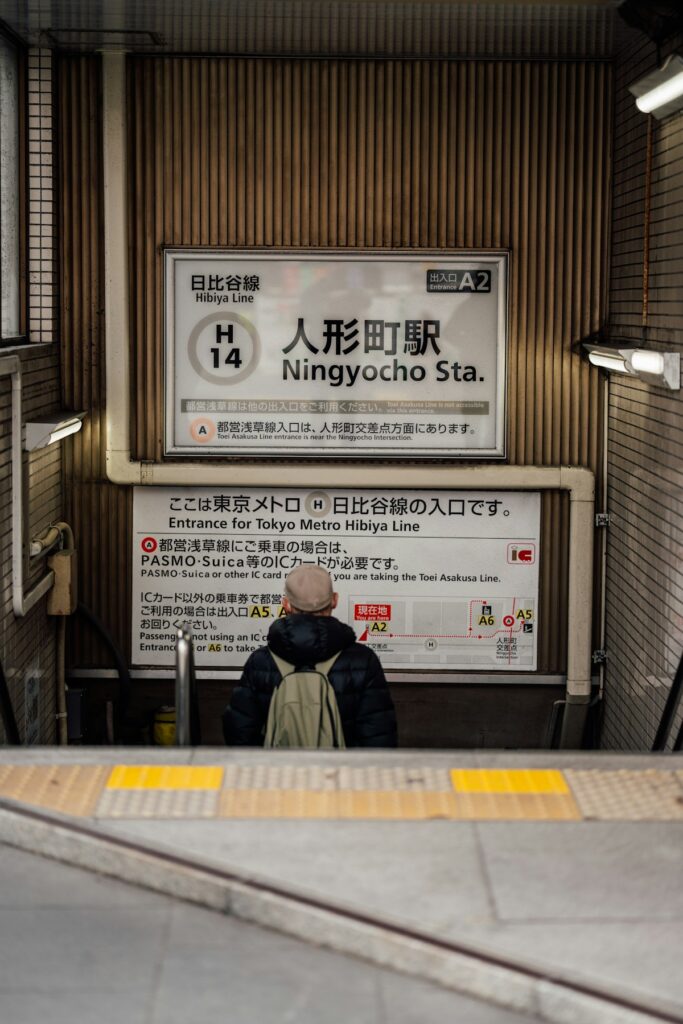
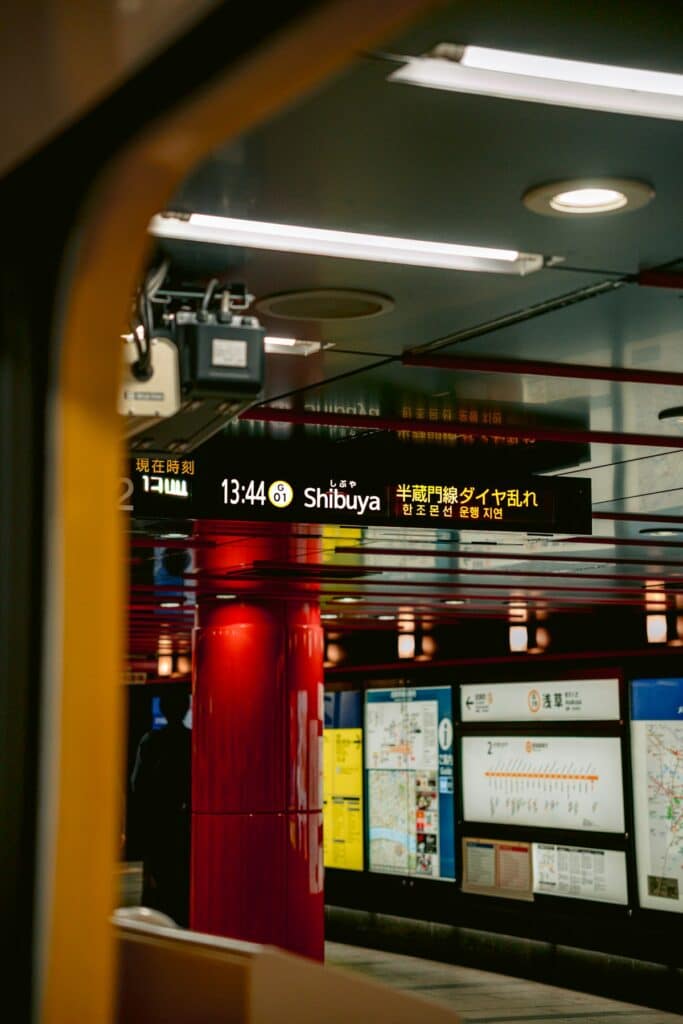
Tokyo has free Wi-Fi in most stations and convenience stores, but you'll want a reliable data connection for navigation. Google Maps is essential for Tokyo — the train system is complex and having real-time route guidance makes a massive difference.
We recommend setting up an eSIM before you arrive. Having data from the moment you land means you can navigate the Narita Express, check into your hotel, and find the best ramen spot in your neighbourhood without hunting for Wi-Fi. We think Pocket Wi-Fi rentals are a reliable backup, but an eSIM is more convenient since it works immediately and doesn't require picking up a device at the airport.
Frequently Asked Questions
Is 3 days enough in Tokyo?
3 days is enough to see the highlights (Shibuya, Shinjuku, Asakusa, Harajuku) at a fast pace. If that's all the time you have, it's worth doing, but you'll leave wanting more.
Is Tokyo cheaper for longer stays?
Yes. Longer stays benefit from weekly metro passes, cooking some meals, and discounted weekly accommodation. The per-day cost drops significantly after day 5.
What is the best number of days for a first visit?
We recommend 4-5 days for first-time visitors. This gives you enough time to cover the main areas without burnout.
Should I add a day trip from Tokyo?
If you have 5+ days in Tokyo, yes. Kamakura is the best day trip, 1 hour by train, temples, a giant Buddha, and a bamboo forest. Hakone is better if you want Mt. Fuji views and hot springs.
How many days in Tokyo vs Kyoto?
For a first visit, we recommend 4 days in Tokyo and 3 days in Kyoto. Tokyo is bigger and more varied. Kyoto is more compact and can be covered faster.
Is Tokyo worth visiting for 10 days?
Yes, if you enjoy city travel. 10 days lets you explore neighbourhoods in depth, take day trips, join a cooking class, and revisit your favourite spots. It transforms Tokyo from a sightseeing trip into an experience.
Final Thoughts
Tokyo is a city that rewards depth. The difference between 3 days and 7 days is not just seeing more — it's understanding more. With 3 days, you see the landmarks. With 7 days, you understand how the city works, find your favourite neighbourhoods, and stumble into experiences that aren't in any guidebook.
We recommend:
- Minimum viable Tokyo: 3 days, but prepare to rush
- Best for first-timers: 4-5 days
- Ideal trip: 7 days, including 1-2 day trips
- Deep immersion: 10+ days
Whichever you choose, go in with a loose plan and leave room for spontaneity. Tokyo's best experiences are often the ones you didn't plan for.
Related Blog
Best Way to Get Mobile Data in Japan: eSIM, Pocket WiFi & SIM Cards Compared (2026)
Do You Need a SIM Card in Japan? Your Data Options Explained (2026)
Best Time to Visit Japan: A Month-by-Month Guide for 2026
Other Destination Guide in Asia
How to Get Internet in Thailand: SIM Cards, eSIM, and WiFi Explained (2026)
eSIM Indonesia 2026: Is an eSIM Worth It in Indonesia? Complete Traveller's Guide 2026
How to Avoid Roaming Charges in Vietnam: Your Complete Data Guide (2026)
SIM Card or eSIM in Sri Lanka: Which Should You Choose? (2026)
Where to Go in Southeast Asia in Summer: Best Destinations by Month
Add your first comment to this post