


Table of Contents
The FIFA World Cup 2026 spans three countries, 16 host cities, and millions of international fans — many of whom have never travelled to North America before. That combination creates a very specific challenge: the safety rules that apply in Vancouver are not the same ones that apply in Mexico City, and what works in New York does not necessarily work in Monterrey.
Most World Cup safety content falls into one of two traps. Either it downplays real risks to avoid scaring off visitors, or it amplifies rare events until fans are paralysed by anxiety. Neither is useful. What you actually need is a clear, country-by-country picture of the risks that genuinely affect international tourists — and the specific habits that reduce those risks to a manageable level.
This guide covers safety tips for World Cup 2026 travel across all three host countries: the realistic threat landscape in each, the non-negotiable rules for Mexico, the immigration situation in the USA, and the universal habits that apply everywhere. Read this before you fly.
At a Glance
Here is what these safety tips for World Cup 2026 travel cover:
- How to think about risk: The biggest threat to most fans is petty theft, not violent crime — and it's manageable with simple habits.
- USA safety: Host cities are generally safe in tourist zones; the ICE question is addressed directly with practical advice for documented visitors.
- Mexico safety: Higher background risk, but tournament zones are heavily policed; six non-negotiable rules reduce tourist risk significantly.
- Canada safety: Toronto and Vancouver are among the safest World Cup host environments globally; a few local awareness points apply.
- Universal rules: Passport, emergency contacts, travel insurance, and phone security apply in all three countries.
- What to do if something goes wrong: Step-by-step for robbery, phone theft, and medical emergencies.
The Honest Risk Assessment: How to Think About Safety at the World Cup
Before the country-specific advice, a calibration point:
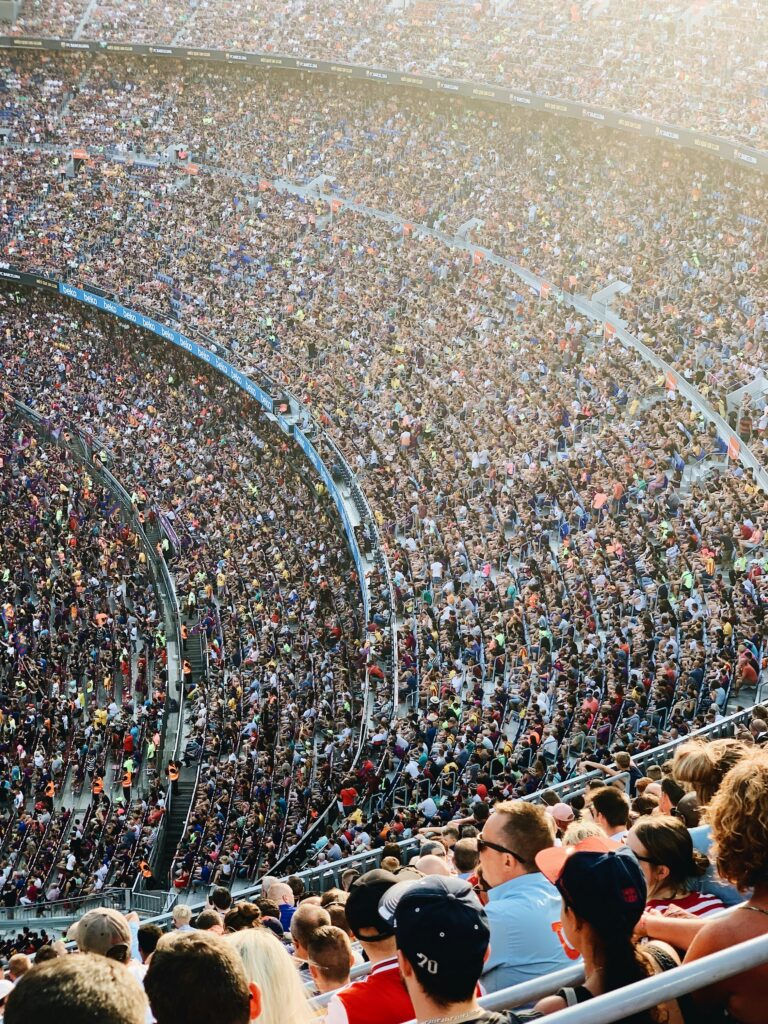
The biggest risk to most World Cup fans is not violent crime — it is petty theft. Pickpocketing in crowded fan zones, phone snatching in stadium precincts, and taxi scams are the documented risks that affect the highest number of international sports tourists. These are manageable with simple habits.
The most severe risks — organised crime, violent robbery, express kidnapping — are geographically concentrated and almost entirely avoidable with straightforward behavioural precautions. Mexico presents higher background risk than the USA or Canada, but the World Cup tournament zones will be heavily policed in ways that substantially reduce tourist-facing risk compared to normal conditions.
The highest-anxiety risk for many international fans in 2026 specifically is the US immigration environment. Concerns about ICE enforcement, documentation checks, and political climate have been widely reported. This guide addresses that directly and practically.
USA Safety Tips for World Cup 2026 Travel
The Reality of Safety in US Host Cities
The 11 US host cities range from very safe tourist environments to cities with significant violent crime rates in specific neighbourhoods outside tourist zones. The critical distinction is where you are, not simply which city you are in.
Atlanta, Seattle, Philadelphia, Boston, Kansas City: Major US cities with typical urban crime profiles. Tourist areas, stadium districts, and city centres are actively policed. Standard urban awareness is sufficient.
Miami, Houston, Dallas, Los Angeles, New York: Larger cities where the contrast between tourist-safe zones and higher-risk neighbourhoods is greater. Staying in well-reviewed tourist accommodation and using app-based transport (Uber/Lyft) rather than walking in unfamiliar areas after dark addresses 95% of the risk.
Kansas City: Outside the downtown and Power & Light District area, some neighbourhoods have elevated crime rates. Use Uber/Lyft for all journeys, particularly after dark.
Stadium Safety
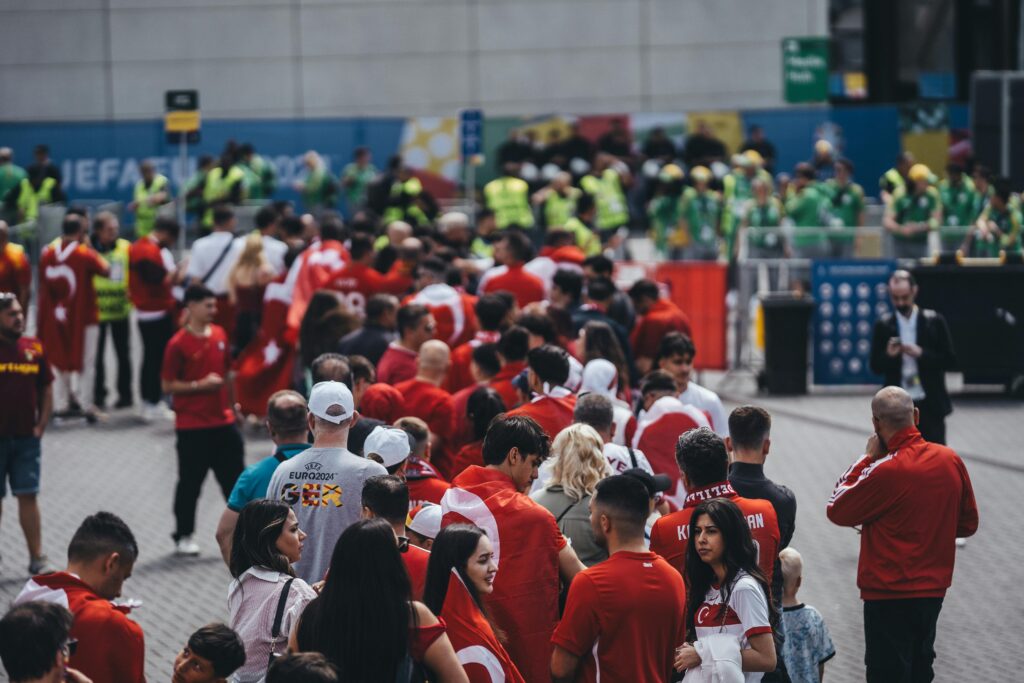
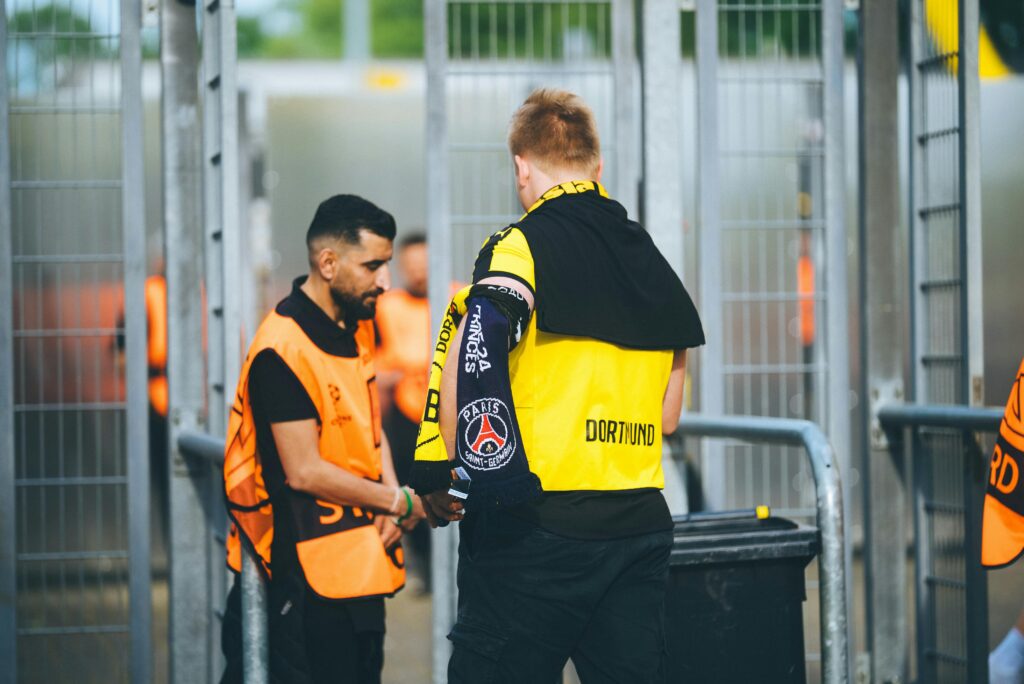
US stadiums enforce strict security protocols:
- Bag checks at all entry points — clear bag policy applies (12″×6″×12″ maximum)
- Metal detector screening for all fans
- No weapons of any kind (firearms are banned at all World Cup venues — this is absolute)
- Code of conduct enforcement: threatening language, discriminatory chants, and pitch invasion are grounds for immediate removal and potential law enforcement referral
The ICE Question: What International Fans Need to Know
This is the topic generating the most international anxiety about World Cup 2026 in the USA. Here is the factual position:
US Immigration and Customs Enforcement (ICE) has not been ruled out from operating near World Cup venues. US authorities confirmed ICE raids targeting undocumented immigrants at or near tournament venues are not categorically excluded.
What this means for legal visitors:
- If you have a valid visa, ESTA, or US passport, you are protected
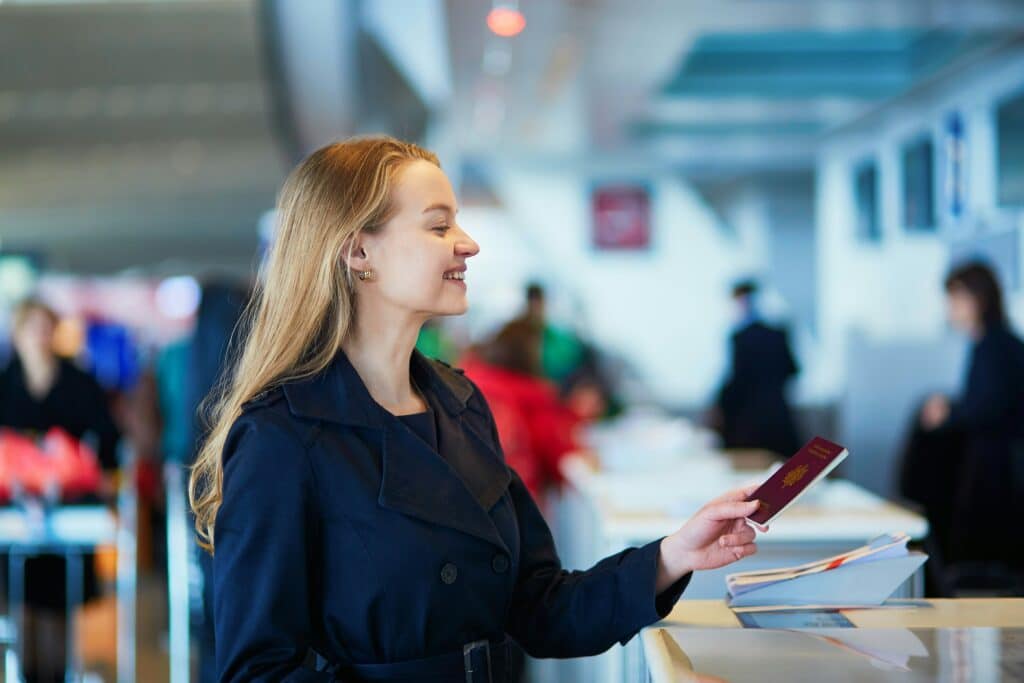
- Carry your passport (not a photocopy — the original) at all times in the USA
- Carry your ESTA approval confirmation (digital is fine — screenshot it)
- If stopped by any federal agent, cooperate calmly and present your documentation
- Do not argue or resist — present your documents, confirm your status, and you will be cleared
What this means practically: For the vast majority of international fans with proper documentation — EU, UK, Australian, Asian, South American fans with valid ESTAs or visas — the ICE situation does not present a meaningful personal risk. Your legal status is documentable. The risk is concentrated among undocumented individuals, not documented tourist visitors.
Keep your passport with you on match days. This is the most important single action: a valid passport + ESTA/visa documentation = demonstrable legal status. Store a digital photo of your passport page in your email and cloud storage as additional backup.
US-Specific Safety Habits
- Use Uber/Lyft, not unmarked taxis in all US cities
- Keep your phone in a front pocket or inside a bag in crowded fan zones — not in a back pocket
- Avoid displaying expensive cameras or electronics openly in stadium queues or fan zones
- Travel in groups after dark — particularly in Miami, Houston, and parts of Atlanta and Dallas outside the tourist core
- Know your emergency number: 911 across the entire USA
Staying Connected in the USA
Mobile data in the USA is expensive if you arrive unprepared. Roaming on a European or Asian SIM can cost several euros or dollars per megabyte — and with match day navigation, stadium tickets, and Uber all running on your phone, this adds up fast. An eSIM set up before you travel gives you a local data plan from day one, without swapping physical SIM cards.

Covers USA, Canada, and Mexico on a single eSIM. No swapping, no reactivation when you cross a border.
Mexico: Safety Guide for International Fans
Mexico generates the most safety concern among international fans, and some of that concern is justified — but much of it is disproportionate to the specific risk a World Cup tourist faces in the tournament zones.
The Honest Mexico Safety Picture
Mexico does have higher rates of organised crime and violent incidents than the USA or Canada. It is also true that:
- Mexico City, Guadalajara, and Monterrey host millions of international tourists annually in normal years. The tourist neighbourhoods of Roma, Condesa, and Polanco in Mexico City are genuinely comparable in safety profile to equivalent areas in major European or American cities.
- The Mexican government has implemented a FIFA-coordinated Comprehensive Security Plan specifically for the tournament, significantly increasing police presence, security cordons around stadiums, and monitoring of transport corridors.
- Match day security in stadium zones is extremely tight. Police cordons around Estadio Azteca and other Mexican venues on match days make the stadium precincts among the safest places to be in Mexico City during the tournament.
The security risk is real but geographically concentrated. It is almost entirely avoidable if you follow the transport and location rules below.
The Non-Negotiable Mexico Safety Rules
Mexico generates the most safety concern among international fans, and some of that concern is justified — but much of it is disproportionate to the specific risk a World Cup tourist faces in the tournament zones.
1. Use Uber or Cabify exclusively — never unlicensed street taxis.
This is not a preference — it is the primary safety rule for Mexico. Express kidnappings (being taken to ATMs at gunpoint) linked to unlicensed taxis are documented, and the risk increases during high-profile events when criminals know large numbers of cash-carrying tourists are moving around.
Uber and Cabify show your driver's name, photo, license plate, and route in real time. They are the same price as street taxis and significantly safer. In Mexico City, Guadalajara, and Monterrey, both apps work reliably. There is no practical reason to ever enter an unlicensed street taxi.
➡ How to get around at the World Cup
2. Stay in well-reviewed tourist neighbourhoods.
- Mexico City: Stay in Roma Norte, Condesa, Polanco, or Juárez. These are the safest, most tourist-friendly neighbourhoods with well-lit streets, high foot traffic, and good transport links.
- Guadalajara: The Historic Centre, Providencia, and Tlaquepaque are the safe tourist zones.
- Monterrey: Barrio Antiguo and San Pedro Garza García are the recommended areas for visitors.
Avoid wandering into residential areas beyond tourist zones, particularly after dark or alone. The risk differential between central tourist areas and peripheral neighbourhoods is significant in all three Mexican host cities.
3. Withdraw cash from ATMs inside bank branches or shopping centres.
Street ATMs in Mexico carry a higher skimming and robbery risk. Withdraw Mexican Peso from ATMs inside a Banamex, BBVA, Santander, or HSBC branch, or inside a large shopping centre (Centro Comercial). Withdraw what you need for the day — don't carry large amounts of cash.
4. Keep valuables concealed in crowded areas.
Petty theft — pickpocketing and phone snatching — is the most common crime affecting tourists in Mexico's host cities. In crowded metro carriages, fan zones, markets, and stadium precincts:
- Keep your phone in a front pocket, a zipped bag, or a crossbody bag worn across your front
- Don't photograph with expensive cameras displayed openly in crowded public spaces
- Use a money belt for your passport and spare cash
5. Avoid displaying obvious wealth.
Expensive watches, prominent jewellery, luxury brand bags, and high-end cameras are risk multipliers in crowded areas. Travel with what you need for the day, not with items you cannot afford to lose.
6. Don't drink tap water.
Tap water in Mexico's host cities is not safe to drink for visitors unaccustomed to the local water supply. Use bottled water for drinking and brushing teeth. Hotel rooms typically provide bottled water. This is a health precaution that affects many tourists who ignore it.


Mexico Altitude Note (Mexico City Specific)
Mexico City sits at 2,240 metres above sea level — significantly higher than any other World Cup host venue. Some visitors experience mild altitude sickness in the first 24–48 hours: headaches, fatigue, slight shortness of breath. This is normal and resolves with rest and hydration. Allow at least one full day to acclimatise before your first match in Mexico City. Alcohol amplifies altitude effects — drink more water and less alcohol on your first day.
Mexico Emergency Numbers
- Emergency (police, ambulance, fire): 911
- Tourist Assistance (SECTUR): 078 — English available, specifically for tourist incidents
- Your country's embassy in Mexico City: Save this number before you travel
Staying Connected in Mexico
Your home SIM card will almost certainly not work reliably in Mexico, and roaming charges can be steep. An eSIM with a Mexican data plan activated before departure means your Uber app, Google Maps, and digital tickets work from the moment you land — without hunting for a local SIM card at the airport.
Stay connected across Mexico during the 2026 World Cup with instant mobile data for maps, tickets, and match updates. Activate before you fly and connect as soon as you land.
Canada: Safety Guide for International Fans
Canada is, by most international safety metrics, one of the safest countries in the world for international visitors. Toronto and Vancouver are both ranked highly on global livability and safety indices.
The Canadian Safety Picture
The realistic risk for World Cup fans in Toronto and Vancouver is very low by global standards. Both cities are internationally oriented, multilingual, and experienced with large-scale international events.
Vancouver specifically has recent experience with large sporting event security — it hosted the 2010 Winter Olympics and has applied those learnings to World Cup planning. A $220 million federal security budget covers both Canadian host cities.
Canada-Specific Awareness Points
Petty theft: Pickpocketing and phone theft occur in crowded areas in both Toronto and Vancouver — the same basic precautions apply as everywhere. Keep valuables in front pockets or zipped bags in crowded transit (TTC, SkyTrain) and fan zones.
Downtown East Side (DTES) in Vancouver: This is a well-known area with significant social challenges. World Cup venues are far from this area, but if you explore the city independently, be aware of the neighbourhood context.
Weather: Vancouver in June has meaningful rain probability. BC Place has a retractable roof which protects during matches, but getting to and from the stadium in rain requires preparation. A lightweight rain jacket is essential kit for Vancouver.
Cannabis: Cannabis is legal across Canada, including in Toronto and Vancouver. However, you cannot bring it across the Canadian border in or out — possession at border crossings remains a federal offence regardless of provincial law.
Alcohol: Legal drinking age is 19 in Ontario (Toronto) and British Columbia (Vancouver). Alcohol is served at licensed venues; public drinking is generally not permitted.
Canada Emergency Number: 911

Staying Connected in Canada
Canada has strong 4G and 5G coverage in both Toronto and Vancouver. As with the USA, roaming on a non-North American SIM can be expensive. An eSIM with a Canadian data plan is the most straightforward solution — activate before you fly and your phone works immediately on arrival.
Stay connected across Canada during the 2026 World Cup with instant mobile data for maps, tickets, and match updates. Activate before you fly and connect as soon as you land.
Universal Safety Rules Across All Three Countries
These universal safety tips for World Cup 2026 travel apply regardless of whether you're in New York, Mexico City, or Vancouver.
1. Always Carry Your Original Passport
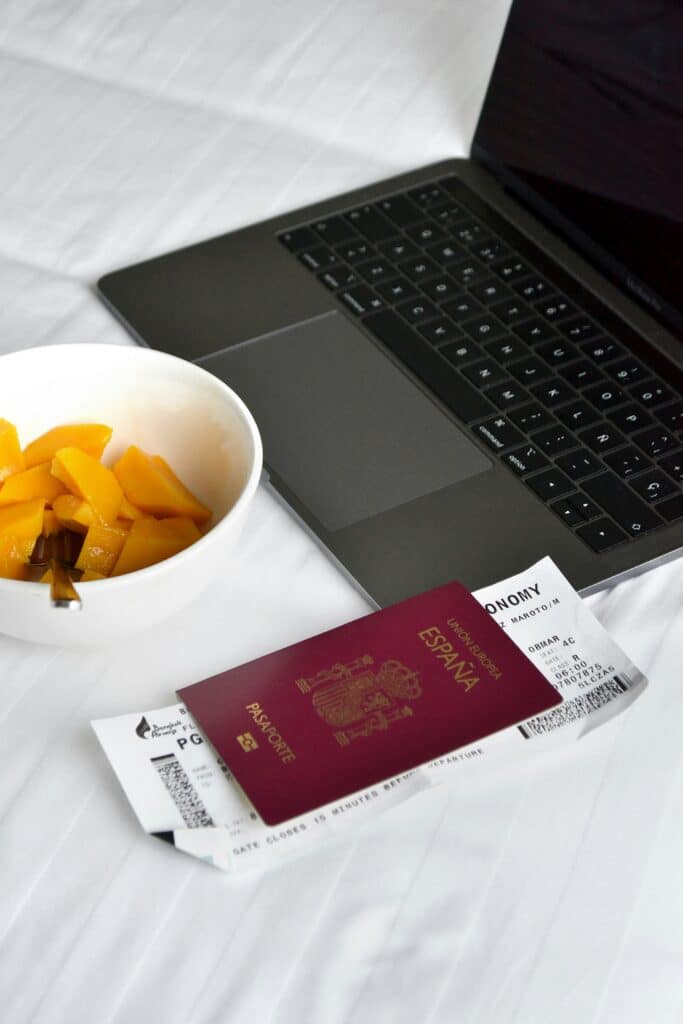
A photocopy is useful as a backup but is not a legal travel document. Your original passport + visa/ESTA/eTA is your identity and legal status documentation. Keep it on you. Losing it is manageable with embassy support — being without it at a law enforcement interaction is not.
2. Screenshot Emergency Contacts Before You Land
Save these in your phone before you arrive, not when you need them:
| Country | Emergency | Tourist hotline |
|---|---|---|
| USA | 911 | 1-800-432-2HLP (US Travel) |
| Mexico | 911 | 078 (SECTUR tourist assistance) |
| Canada | 911 | 1-800-267-8376 (Travel Canada) |
Also save: your country's embassy number in each host country, your travel insurance emergency line, and your eSIM provider's support number.
3. Share Your Itinerary With Someone at Home
Email your full itinerary — flights, accommodation addresses, match dates, stadium names — to a trusted contact at home before you depart. If something goes wrong, this is the information emergency services need.
4. Get Travel Insurance That Actually Covers This Trip
Standard travel insurance covers trip cancellation and lost luggage. For a multi-country World Cup trip, confirm your policy covers:
- Medical evacuation (the most expensive risk — a medical evacuation flight from Mexico City can cost $50,000+)
- Sports event attendance cancellation (if FIFA cancels or reschedules a match)
- Lost or stolen electronics (phone, camera)
- Coverage in all three host countries simultaneously
Standard budget policies often exclude medical evacuation or cover only one region. Check the fine print before you buy. Buy here your Travel Insurance from EKTA.
➡ World Cup 2026 Travel Insurance Guide
5. Use a Phone Tracking App
Enable Find My iPhone (iOS) or Google Find My Device (Android) and ensure it's linked to an email accessible from any browser. If your phone is stolen, you can remotely lock or wipe it and track its location.
6. Don't Keep Everything in One Place
- Passport: Inside jacket pocket or hotel safe
- Credit card: Front pocket or money belt
- Emergency cash ($50–100 USD equivalent): Separate from your main wallet
- Digital copies of all documents: Cloud storage + emailed to yourself
If your wallet is stolen, your passport and emergency cash are still with you. If your bag is snatched, your passport is still in your jacket.
What to Do If Something Goes Wrong
The safety tips for World Cup 2026 travel in this guide are designed to prevent problems — but if something does go wrong, here is what to do.
If you're robbed:
- Don't resist — comply and let them take valuables
- Get to safety (nearest busy public area or hotel)
- Call 911 (USA, Canada, or Mexico — same number in all three countries)
- File a police report immediately — required for all insurance claims and for replacement documentation
- Contact your country's embassy for passport replacement assistance
If your phone is stolen:
- Use any device to log into iCloud.com or google.com/android/find — remotely lock the device
- Contact your eSIM provider to suspend the plan
- File a police report
- Use your IMEI number (ideally photographed beforehand — dial *#06# on any phone) to report the device stolen to your carrier
If you face a medical emergency:
- Call 911 in all three host countries — the number is the same
- Your travel insurance emergency line is your second call — they coordinate hospital payments and evacuation if needed
- All World Cup host stadiums have dedicated medical teams on site
Frequently Asked Questions
Is Mexico City safe for World Cup 2026 tourists?
Yes, specifically in the tourist areas (Roma, Condesa, Polanco) and stadium zones during the tournament. Mexico City is implementing a FIFA-coordinated Comprehensive Security Plan with significantly increased police presence. The statistical safety profile of tourist areas in Mexico City is comparable to major European and American city tourist zones, though it requires more active awareness than Toronto or Vancouver. The primary rules: use Uber only, stay in recommended neighbourhoods, and don't display expensive items in public.
Should I be concerned about ICE enforcement at World Cup venues in the USA?
If you have valid documentation — passport plus ESTA or visa — ICE enforcement does not present a realistic personal threat. Carry your original passport at all times in the USA, keep your ESTA/visa confirmation accessible on your phone, and cooperate calmly if approached by any law enforcement. Legal visitors with proper documentation are cleared quickly.
Is it safe to travel between World Cup host countries?
Yes. Air and land border crossings between the USA, Mexico, and Canada are routine for millions of people annually. The World Cup period will see enhanced but not atypical border security. Ensure your passport is valid, your entry documentation for each country is in order (ESTA for USA, eTA for Canada if flying, no visa required for most Western passports in Mexico), and you are not carrying any prohibited items.
What travel insurance do I need for a World Cup trip spanning three countries?
Look for a policy that covers medical evacuation (minimum $500,000 coverage recommended for Mexico), trip cancellation including sports event cancellation, lost or stolen electronics, and all three host countries simultaneously. Standard budget policies often exclude medical evacuation or cover only one region.
What is the biggest safety risk for World Cup fans?
According to travel security specialists, petty theft in crowded areas is the risk that affects the most World Cup visitors — significantly more common than violent crime. Keeping your phone in a zipped or front-facing bag, not displaying expensive items in crowds, and using app-based transport reduces this risk substantially in all three host countries.
Do I need to carry my passport everywhere, or can I leave it in the hotel safe?
In Mexico and the USA, carry your original passport on you at all times — particularly on match days. A hotel safe is useful for overnight storage but your passport needs to be with you when you're out. In Canada, the risk is lower, but carrying it is still good practice. A photocopy is not sufficient if you are stopped by law enforcement.
What is the safest transport option in all three host countries?
App-based ride-hailing (Uber, Lyft, Cabify) is the safest option in all three countries. In Mexico, it is non-negotiable — never enter an unlicensed street taxi. In the USA and Canada, Uber and Lyft are simply more convenient and consistent than street taxis. Public transport is safe in most stadium zones during match days, which will have enhanced security.
What should I do about my phone and data plan before travelling to North America?
Set up a data-capable solution before you travel — not at the airport. An eSIM with separate plans for each host country is the most flexible option. It means your maps, tickets, and transport apps work from the moment you land, without hunting for a local SIM or paying high roaming rates.
➡ Best eSIM for North America World Cup 2026 Guide: USA, Canada & Mexico Compared
Final Thoughts
The most important safety tips for World Cup 2026 travel come down to a handful of habits — and the FIFA World Cup 2026 itself is a once-in-a-generation event. The vast majority of fans who travel will have a safe, memorable experience. The security infrastructure being deployed across all three host countries is significant — and the practical risks for documented, aware travellers are manageable with the right preparation.
The habits that matter most are simple: carry your passport, use Uber in Mexico, keep your phone in a zipped pocket in crowds, and have your travel insurance sorted before you fly. None of these require anxiety — they require five minutes of preparation before you leave.
- World Cup 2026 Travel Guide → Complete World Cup 2026 Travel Guide
- How to get around at the World Cup → Transport guide including Mexico taxi safety
- Uber vs public transport → Why Uber beats taxis in Mexico
- World Cup 2026 Travel Checklist → Pre-departure documentation checklist
- Common mistakes at the World Cup → Includes taxi and cash mistakes
- Travel Insurance Guide → Multi-country coverage recommendations
Add your first comment to this post