


Table of Contents
Getting to a World Cup match is straightforward. Getting back is where it goes wrong. With 16 venues spread across 11 US cities, 3 Mexican cities, and 2 Canadian cities, the transport situation at FIFA World Cup 2026 is unlike any tournament before it, and the gap between a good decision and a bad one can cost you $200 and two hours standing in a car park.
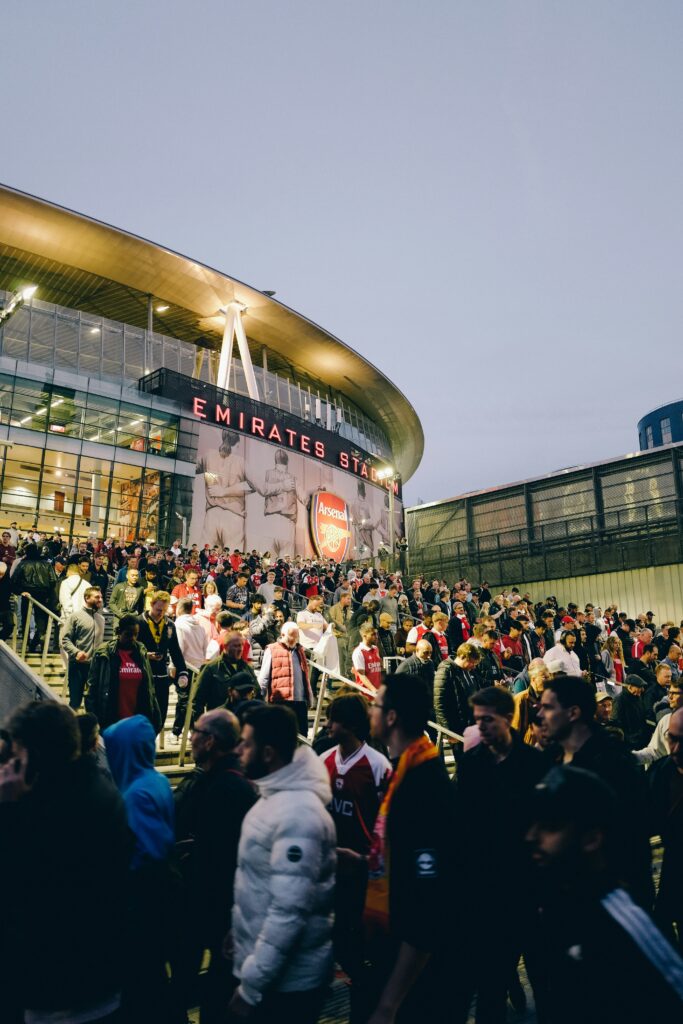
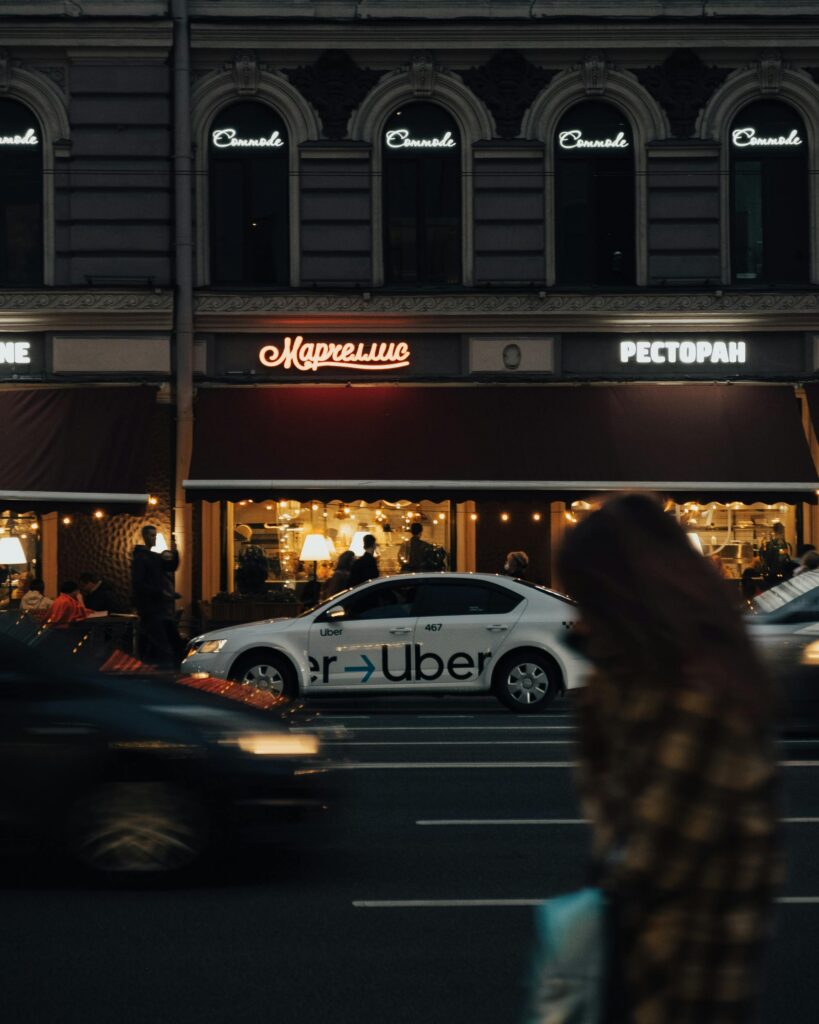
The problem most fans don't anticipate is post-match surge pricing. When 80,000 people open Uber at the same time, fares spike 3–5× within minutes. At suburban venues like MetLife Stadium or Gillette Stadium, that surge can last 60–120 minutes. What normally costs $40 becomes $200, with a 90-minute wait on top.
The good news: this is completely avoidable with a little planning. We've broken down every World Cup 2026 host city, what the public transit options actually look like, what post-match Uber fares typically cost based on comparable events, and exactly what to do before kick-off to protect yourself. This is the guide we wish existed before every big tournament.
At a Glance
Here is what this guide covers:
- The surge pricing problem: Why post-match Uber fares at 80,000-seat stadiums regularly hit 3–5× normal pricing — and how long it lasts
- The 3 golden rules: Use transit to the stadium, pre-book your return Uber before kick-off, and use transit both ways in cities where it genuinely works
- City-by-city verdicts: Clear recommendations for all 16 venues — 9 cities favour transit, 4 are mixed, 3 are ride-share dependent
- How to pre-book Uber: Step-by-step using the Reserve feature to lock in a fare before the match starts
- Group transport: When the maths shift in favour of a rental car (Kansas City) or transit (everywhere else)
- Staying connected: Why mobile data is non-negotiable for navigation, Uber, and transit apps on match day
The Surge Pricing Problem at World Cup Scale
Post-match Uber surge pricing at 80,000-person stadiums is not a minor inconvenience — it is a serious cost multiplier that has been documented at comparable events across North America.
Real data from comparable events:
- MetLife Stadium (New York/NJ): After NFL games and large concerts, a Manhattan to East Rutherford Uber trip can jump from $40 to $150-$300. After the World Cup Final — the single most attended sporting event in the USA in 2026 — the surge will be at peak levels.
- Seattle: Washington state legislators introduced a bill specifically to cap Uber and Lyft surge pricing during the World Cup 2026, motivated by a documented case of a Taylor Swift concert attendee paying $200+ for a ride that normally costs $30-40. The bill would limit surge pricing to 120% of the driver's cut.
- New York after Knicks games: Post-event Uber rides have been reported at $190 for a 30-mile trip that normally runs $50-60
- Philadelphia Sports Complex: Riders report real-time fare increases mid-booking and driver cancellations when drivers see the post-game congestion.
The pattern is consistent: immediately after a major event ends, Uber/Lyft fares at stadium venues spike dramatically for 60–90 minutes. The solution is not to avoid ride-sharing entirely, it is to be strategic about when and how you use it.
The 3 Golden Rules for World Cup Transport
Before the city-by-city breakdown, these three rules apply universally:
Rule 1: Use public transit to get TO the match.
Pre-match, transport demand is spread over 2–3 hours as fans arrive in waves. Uber fares are normal. Public transit runs match-day enhanced services. Use whichever is available and convenient — there is no surge going to the stadium.
Rule 2: Pre-book your POST-match Uber BEFORE kick-off.
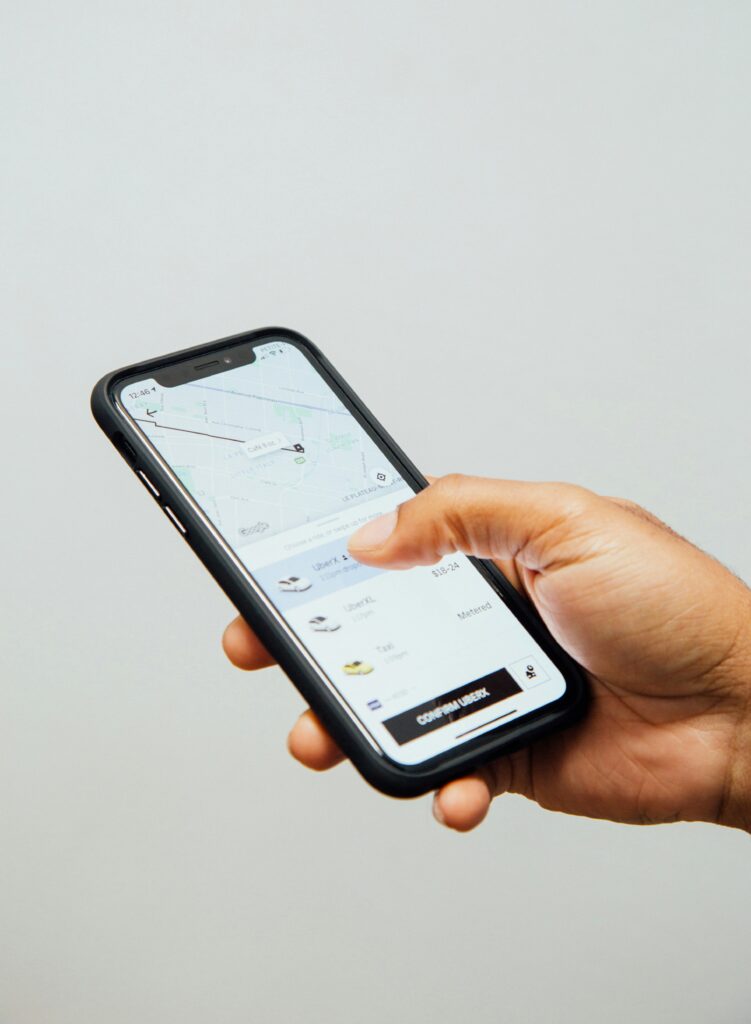
Both Uber and Lyft allow you to schedule a ride up to 30 days in advance (Uber: “Reserve” feature; Lyft: “Schedule a ride”). Lock in a fare before the match starts. This is the single most effective way to avoid surge pricing — the price is set at booking, not at pickup.
Rule 3: In cities with good public transit, use it for the return too.
Where transit is genuinely good (Atlanta, Philadelphia, Seattle, Toronto, Vancouver), the post-match train is faster, cheaper, and more reliable than any ride-share. Yes, it will be crowded — but it will not charge you $200 for the privilege.

City-by-City: Uber vs Transit Verdict

Covers USA, Canada, and Mexico on a single eSIM. No swapping, no reactivation when you cross a border.
New York / New Jersey — MetLife Stadium
Transit option: NJ Transit train — Penn Station (Manhattan) → Meadowlands Station
Transit cost: ~$10–15 return
Transit post-match: Trains run continuously post-match; expect crowding but reliable service
Uber pre-match: $40-60 from Manhattan (normal pricing)
Uber post-match: $150-300 from stadium area, documented surge at NFL/concert events
Uber pre-book verdict: Pre-book if using ride-share, otherwise face the surge
| Transit | Uber | |
|---|---|---|
| Cost (return trip) | ~$15 | 40-60(pre-match)/150-300 (post-match surge) |
| Wait time post-match | 15-30 min (crowded but reliable) | 45 120 min (high surge + cancellations) |
| Reliability | ⭐⭐⭐⭐ | ⭐⭐ (post-match) |
Verdict: 🚆 Use NJ Transit both ways. Pre-booking Uber is acceptable for the pre-match leg; avoid post-match Uber at all costs unless pre-booked well in advance.
Atlanta — Mercedes-Benz Stadium
Transit option: MARTA Rail — direct service from downtown Atlanta and Hartsfield-Jackson Airport
Transit cost: $2.50/ride
Post-match service: MARTA runs extended service on event nights with extra train frequency
Uber pre-match: $15-25 from Midtown/Downtown
Uber post-match: $40-80 (surge, though lower than suburban venues due to driver supply in Atlanta)
| Transit | Uber | |
|---|---|---|
| Cost (return trip) | ~$5 | 15-25(pre)/40-80 (post-surge) |
| Wait time post-match | 10-20 min (manageable) | 20-40 min |
| Reliability | ⭐⭐⭐⭐⭐ | ⭐⭐⭐ |
Verdict: 🚆 Use MARTA both ways. Atlanta has the best transit setup of any US World Cup venue. MARTA is the clear answer — cheap, direct, and match-day enhanced.
Philadelphia — Lincoln Financial Field
Transit option: SEPTA Broad Street Line — City Hall area to AT&T Station (stadium-adjacent)
Transit cost: $2.50/ride
Post-match: SEPTA runs dedicated post-match express service — designed specifically for stadium events
Uber pre-match: $15-30 from City Center
Uber post-match: $50-120 (significant surge documented at Philadelphia sport complex events)
| Transit | Uber | |
|---|---|---|
| Cost (return trip) | ~$5 | 15-30(pre)/50-120 (post-surge) |
| Wait time post-match | 15-25 min | 30-60 min + driver cancellations |
| Reliability | ⭐⭐⭐⭐⭐ | ⭐⭐ (post-match) |
Verdict: 🚆 Use SEPTA both ways. Philadelphia has documented post-match ride-share driver cancellations. SEPTA's Broad Street Line is the reliable, tested, and purpose-designed route.
Seattle — Lumen Field
Transit option: Link Light Rail — Stadium Station (adjacent to Lumen Field)
Transit cost: ~$3.50
Post-match: King County Metro runs enhanced service on event days
Uber pre-match: $15-25 from Capitol Hill/Downtown
Uber post-match: $60-150+ (Seattle legislators specifically targeted World Cup surge pricing in a 2025 bill)
| Transit | Uber | |
|---|---|---|
| Cost (return trip) | ~$7 | 15-25(pre)/60-150 (post-surge) |
| Wait time post-match | 15-20 min | 30-90 min |
| Reliability | ⭐⭐⭐⭐ | ⭐⭐ (post-match) |
Verdict: 🚆 Use Link Light Rail both ways. Seattle's surge pricing problem was severe enough to prompt specific legislation. Light rail is directly adjacent to the stadium and purpose-built for this.
Los Angeles — SoFi Stadium
Transit option: Metro K Line — dedicated Inglewood/SoFi station
Transit cost: $1.75/ride
Post-match: Metro runs enhanced service; expect significant crowding
Uber pre-match: $25-45 from Central LA
Uber post-match: $80-200+ (LA Surge pricing after large events is severe and well-documented)
| Transit | Uber | |
|---|---|---|
| Cost (return trip) | ~$3.50 | 25-45(pre)/80-200 (post-surge) |
| Wait time post-match | 20-35 min (crowded) | 45-120 min |
| Reliability | ⭐⭐⭐ | ⭐⭐ (post-match) |
Verdict: 🚆 Use Metro K Line both ways. Despite LA's complex transport reputation, the K Line was specifically built to serve SoFi Stadium. Avoid post-match Uber in Inglewood.
Dallas — AT&T Stadium (Arlington)
Transit option: TEXRail + shuttle to stadium on event days (limited)
Transit cost: ~$3.50 + shuttle
Uber pre-match: $30-50 from downtown Dallas
Uber post-match: $80-180+ (Arlington has limited driver supply, surge is magnified)
| Transit | Uber | |
|---|---|---|
| Cost (return trip) | ~$10-15 (train + shuttle) | 30-50(pre)/80-180 (post-surge) |
| Wait time post-match | 30-45 min | 45-90 min |
| Reliability | ⭐⭐⭐ | ⭐⭐ |
Verdict: ⚠️ Mixed — Pre-book Uber or use TEXRail. Dallas is genuinely difficult. TEXRail + shuttle works but requires planning. If you use Uber, pre-book the return before kick-off. Arlington's limited driver density makes post-match surge worse than most cities.
Houston — NRG Stadium
Transit option: METRORail Red Line — NRG Park Transit Center station (direct)
Transit cost: $1.25/ride
Post-match: METRO runs extended service
Uber pre-match: $20-35 from downtown
Uber post-match: $60-140
| Transit | Uber | |
|---|---|---|
| Cost (return trip) | ~$2.50 | 20-35(pre)/60-140 (post-surge) |
| Wait time post-match | 15-25 min | 30-60 min |
| Reliability | ⭐⭐⭐ | ⭐⭐⭐ |
Verdict: 🚆 Use METRORail both ways. Direct rail connection to NRG Park makes this an easy call. Houston's METRORail has limited overall coverage but nails the stadium route.
Miami — Hard Rock Stadium
Transit option: Tri-Rail commuter rail + match-day shuttle (limited)
Transit cost: ~$5–10 + shuttle
Uber pre-match: $30-50 from South Beach/Brickell
Uber post-match: $100-220 (Miami post-event surge is among the highest in the USA)
| Transit | Uber | |
|---|---|---|
| Cost (return trip) | ~$15-20 | 30-50(pre)/100-220 (post-surge) |
| Wait time post-match | 25-40 min | 60-120 min |
| Reliability | ⭐⭐ | ⭐⭐ (post-match) |
Verdict: ⚠️ Pre-book Uber or Tri-Rail. Miami is one of the harder transport cities. Tri-Rail with a shuttle works, check match-day schedules. If using Uber, pre-book the return before you enter the stadium.
San Francisco Bay Area — Levi's Stadium (Santa Clara)
Transit option: CalTrain from SF to Santa Clara + VTA connection
Transit cost: ~$10–14 return from San Francisco
Uber pre-match: $50-80 from San Fransisco (distance makes this expensive even without a surge)
Uber post-match: $100-250+(suburban location + high demand = severe surge)
| Transit | Uber | |
|---|---|---|
| Cost (return trip) | ~$14 | 50-80(pre)/100-250 (post-surge) |
| Wait time post-match | 20-35 min (CalTrain runs match trains) | 45-90 min |
| Reliability | ⭐⭐⭐ | ⭐ (post-match. suburban) |
Verdict: 🚆 Use CalTrain from San Francisco. The distance makes Uber genuinely expensive even before surge. CalTrain is significantly cheaper and more reliable. Book your return CalTrain ticket before departure, they sell out on event days.
Kansas City — Arrowhead Stadium
Transit option: No practical public transit to the stadium
Transit cost: N/A
Uber pre-match: $25-40 from downtown KC
Uber post-match: $70-180 (limited driver supply in suburban KC makes surge particularly severe)
| Transit | Uber | |
|---|---|---|
| Cost (return trip) | N/A | 25-40(pre)/70-180 (post-surge) |
| Wait time post-match | N/A | 45-120 min |
| Reliability | N/A | ⭐⭐ (post-match) |
Verdict: 🚗 Pre-book Uber both ways or drive. Kansas Kansas City is the only host city with no viable transit alternative. Pre-book your return Uber before kick-off — it is your only option and the surge will be severe. If you're attending with a group, a rental car with a designated driver is actually more economical.
Boston — Gillette Stadium (Foxborough)
Transit option: MBTA Commuter Rail — match-day trains from South Station
Transit cost: ~$10–20 return; book in advance — trains sell out
Uber pre-match: $60-90 from Boston (45-min drive)
Uber post-match: $120-300+ (suburban Foxborough has extremely limited driver supply, one of the worst post-match surge situations in the US)
| Transit | Uber | |
|---|---|---|
| Cost (return trip) | ~$20 | 60-90(pre)/120-300 (post-surge) |
| Wait time post-match | 20 min (if you have a ticket) | 60-180 min |
| Reliability | ⭐⭐⭐⭐ (if pre-booked) | ⭐ (post-match. suburban) |
Verdict: 🚆 MBTA Commuter Rail — but book in advance. Match-day trains sell out. Book your return train ticket the night before. Foxborough is too far from Boston and too driver-scarce for post-match Uber to be a reliable option.
Toronto — BMO Field
Transit option: TTC Streetcar (Route 509/511) from Union Station
Transit cost: ~CAD $3.30/ride
Post-match: TTC runs match-day supplementary service
Uber pre-match: CAD 15-25 from Downtown
Uber post-match: CAD 40-80
| Transit | Uber | |
|---|---|---|
| Cost (return trip) | ~CAD $7 | CAD 15-25(pre)/CAD 40-80 (post-surge) |
| Wait time post-match | 15-25 min | 25-50 min |
| Reliability | ⭐⭐⭐⭐ | ⭐⭐⭐ |
Verdict: 🚆 Use TTC both ways. Union Station connectivity makes TTC straightforward for international fans arriving from the airport or downtown hotels.
Vancouver — BC Place
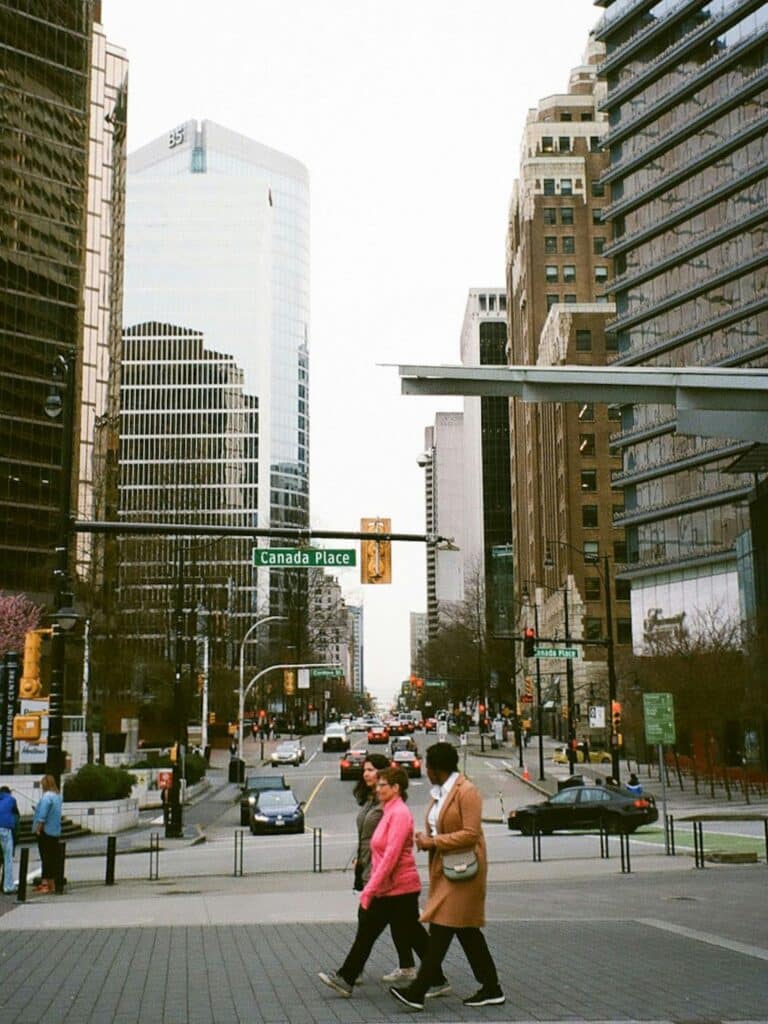
Transit option: SkyTrain (Expo/Millennium Line) — Stadium–Chinatown Station (5-min walk)
Transit cost: ~CAD $3–4/ride
Post-match: TransLink runs match-day enhanced frequency
Uber pre-match: CAD 10-20 from Downtown
Uber post-match: CAD 30-70 (moderate surge)
| Transit | Uber | |
|---|---|---|
| Cost (return trip) | ~CAD $8 | CAD 10-20(pre)/CAD30-70 (post-surge) |
| Wait time post-match | 10-15 min | 20-40 min |
| Reliability | ⭐⭐⭐⭐⭐ | ⭐⭐⭐ |
Verdict: 🚆 Use SkyTrain both ways. Vancouver is the easiest transport city in the entire tournament. SkyTrain is fast, frequent, and stadium-adjacent.
Mexico City — Estadio Azteca
Transit option: Metro Line 2 + Tren Ligero to Estadio Azteca station
Transit cost: ~$0.25/ride (one of the cheapest transits in the world)
Uber pre-match: $8-15 from Roma/Condesa
Uber post-match: $25-60 (surge, but generally lower absolute prices than US cities)
| Transit | Uber | |
|---|---|---|
| Cost (return trip) | ~$0.50 | 8-15(pre)/25-60 (post-surge) |
| Wait time post-match | 20-30 min (crowded) | 20-45 min |
| Reliability | ⭐⭐⭐⭐ | ⭐⭐⭐ |
Verdict: ⚠️ Mixed — Uber recommended for international fans. The metro is extraordinarily cheap and well-connected. However, for international fans unfamiliar with Mexico City's sprawling metro network at night in crowded post-match conditions, Uber is the safer and more comfortable option. Use Uber or Cabify, never unlicensed street taxis.
Guadalajara — Estadio Akron
Transit option: Tren Eléctrico + connecting bus/Uber
Transit cost: ~$0.50 + connecting leg
Uber/Cabify pre-match: $8-15 from City Centre
Uber/Cabify post-match: $20-45
Verdict: 🚗 Uber/Cabify both ways. The transit connection to Estadio Akron requires a transfer that is inconvenient for unfamiliar visitors. Uber is straightforward and affordable in Guadalajara.
Monterrey — Estadio BBVA
Transit option: Metro Line 1 + connecting leg
Transit cost: ~$0.50 + connecting leg
Uber/Cabify pre-match: $8-15 from Barrio Antiguo
Uber/Cabify post-match: $20-50
Verdict: 🚗 Uber/Cabify both ways. The transit connection requires additional steps that are impractical for international visitors in extreme heat (36–38°C). Use Uber/Cabify and factor in extra time for traffic.
Covers USA, Canada, and Mexico on a single eSIM. No swapping, no reactivation when you cross a border.
The Complete Transport Recommendation Table
| City | Verdict | Best option |
|---|---|---|
| New York/NJ | 🚆Transit wins | NJ Transit both ways |
| Atlanta | 🚆Transit wins | MARTA both ways |
| Philadelphia | 🚆Transit wins | SEPTA Broad Street Line |
| Seattle | 🚆Transit wins | Link Light Rail both ways |
| Toronto | 🚆Transit wins | TTC Streetcar both ways |
| Vancouver | 🚆Transit wins | SkyTrain both ways |
| Houston | 🚆Transit wins | METRORail both ways |
| Los Angeles | 🚆Transit wins | Metro K Line both ways |
| San Francisco | 🚆Transit wins | CalTrain both ways |
| Boston | 🚆Transit wins (pre-book) | MBTA Commuter Rail book night before |
| Dallas | ⚠️Mixed | TEXRail + shuttle or pre-booked Uber |
| Miami | ⚠️Mixed | Tri-Rail or pre-booked Uber |
| Kansas City | 🚗 Ride-share only | Pre-book Uber both ways |
| Mexico City | ⚠️Mixed | Uber recommended for international fans |
| Guadalajara | 🚗 Ride-share | Uber/Cabify both ways |
| Monterrey | 🚗 Ride-share | Uber/Cabify both ways |
9 cities favour transit, 4 are mixed, 3 are ride-share dependent.
How to Pre-Book Your Post-Match Uber
This is the single most actionable tip in this entire guide. Do it before you enter the stadium — not after the final whistle.
On Uber:
- Open the Uber app
- Enter your destination (hotel address)
- Tap the calendar icon next to “Now” — this opens the Reserve feature
- Select the date and set the pickup time for approximately 90 minutes after kick-off (allowing for the match + post-match exit time)
- Confirm the ride — fare is locked at booking price, not surge price
On Lyft:
- Open the app → tap “Schedule”
- Set pickup location, destination, and time
- Confirm — Lyft charges a small scheduling fee but locks the fare
Pre-book while you're still at your hotel the morning of the match. This gives you the most options for driver selection and fare locking.
What About Group Transport?
For groups of 4+ fans traveling together, the economics shift:
Group of 4 — New York to MetLife
| Option | Cost per person |
|---|---|
| NJ Transit (recommended) | ~$3.75/person each way |
| Uber XL (pre-match) | ~$15-20/person |
| Uber XL (post-match surge $200 fare) | ~$50/person |
For groups, public transit delivers not just cost savings but also eliminates the coordination overhead of fitting multiple people into surge-priced rides. The exception is Kansas City, where a rental car shared across 4 people ($90–140/day) actually beats multiple individual Uber rides.
Staying Connected on Match Day
None of this works without mobile data. You need it for Uber, Google Maps, transit apps, and real-time departures. If your phone runs out of data or you're on a slow international plan, you lose access to everything at exactly the moment you need it most.
The most reliable solution for World Cup 2026 is an eSIM, a digital SIM you install before you travel that gives you a local data plan from day one, without swapping physical SIM cards. Most modern smartphones (iPhone XS and later, most Android flagships from 2019 onwards) support eSIM.
For US matches, look for a plan with at least 10 GB of data, you'll use more than you think across multiple match days, maps, and video calls. For fans attending matches in multiple countries, a North America regional plan covers the USA, Mexico, and Canada on a single eSIM without switching plans at each border.
➡ Best eSIM for World Cup 2026
Frequently Asked Questions
How much does Uber cost after a World Cup match?
Based on comparable events at US stadiums, post-match Uber fares from suburban venues can reach 3–5× normal pricing during the peak 60–90 minutes after the final whistle. A Manhattan to MetLife Stadium trip that normally costs $40-60 has been documented at $150-300 after NFL games and major concerts. Pre-booking via Uber Reserve before kick-off locks in the normal fare.
Is Washington state capping Uber surge pricing for World Cup 2026 in Seattle?
Washington state legislators introduced a bill in 2025 specifically targeting Uber and Lyft surge pricing during World Cup 2026 matches in Seattle, motivated by documented cases of $200+ rides after large events. The bill proposed limiting surges to 120% of the driver's cut. Check the current status of Washington state rideshare regulation before your Seattle match for the latest rules
Can I use the same transit card across multiple host cities?
No, each city uses its own transit payment system (MetroCard in NYC, SEPTA Key in Philadelphia, Presto in Toronto, Compass Card in Vancouver, and so on). The practical solution: use contactless payment (Apple Pay/Google Pay) where accepted. Most modern North American transit systems now accept tap-to-pay, which eliminates the need for city-specific cards.
Should I use a taxi instead of Uber in Mexico?
No, use Uber or Cabify exclusively in Mexican host cities. Unlicensed street taxis in Mexico City, Guadalajara, and Monterrey carry documented safety risks. Both apps show your driver's name, photo, and plate number, and the route is tracked in real time. The fare is agreed before departure. There is no practical reason to use a street taxi when Uber is available and equally priced.
What if my phone dies and I can't access Uber post-match?
This is why a 20,000 mAh power bank is non-negotiable on match days. If your phone does die, the options are: find an official taxi rank at the stadium (all venues have them), look for city-operated match-day shuttle buses, or ask stadium staff for assistance. This situation is entirely preventable with a charged power bank.
Do transit systems accept contactless card payment at World Cup venues?
Most do, but not all. Vancouver (Compass), Toronto (Presto), and most US light rail systems accept Apple Pay and Google Pay. A few older systems (including parts of the Mexico City metro) are cash or dedicated card only. We recommend checking the specific transit authority website for your host city before your match day.
Is it worth renting a car for the World Cup?
Only in Kansas City, where there is no viable public transit alternative. For every other host city, a rental car adds the cost and stress of parking near a major stadium — often $50–80 per match day in designated lots — on top of the rental itself. For international fans, car rental also requires a valid driving licence from your home country and, in some cases, an International Driving Permit.
Final Thoughts
The Uber vs public transport question at World Cup 2026 has a clear answer in most cities: use the train. Nine of the sixteen host venues have direct or near-direct rail connections to the stadium, with match-day enhanced services specifically designed for large crowds. In those cities — Atlanta, Philadelphia, Seattle, Vancouver, Toronto, and others — taking the train is not just cheaper, it is faster and more reliable than anything a ride-share app can offer after 80,000 people all leave at once.
The three cities where you have no real choice (Kansas City, Guadalajara, Monterrey) and the mixed cases (Dallas, Miami, Mexico City) still have a workable strategy: pre-book Uber before kick-off using the Reserve feature, and lock in the fare before surge pricing kicks in. That single step can save you $100–200 and an hour of waiting.
- How to get around at the World Cup → Full city-by-city transport guide with airport transfers
- World Cup 2026 Travel Guide → Complete World Cup 2026 Travel Guide
- Common mistakes at the World Cup → includes transport mistakes
- World Cup 2026 Travel Checklist → includes pre-match transport preparation
- Best eSIM for World Cup 2026 → You need data for Uber, maps, and transit apps
Add your first comment to this post