


In a Rush?
Top Hotels in New York City
- ⭐⭐⭐ The Mark Hotel, New York – Check prices and availability
- ⭐⭐ 1 Hotel Brooklyn Bridge – Check prices and availability
- ⭐ The Standard, High Line – Check prices and availability
Wondering what to do new york city beyond the postcard spots? Here's where locals actually go.
New York City is more than the Statue of Liberty, Times Square, and the Empire State Building. Those landmarks are worth a visit, but they represent only a fraction of what the city offers. For travellers who want a deeper, more personal connection to the city, the real magic lies in the neighbourhoods, the overlooked museums, the rooftop gardens, the hidden food halls, and the quiet corners that most visitors never find.
We believe the best way to understand New York is to explore it like someone who lives here — by neighbourhood, by curiosity, and without a rigid checklist. This guide covers what to do in NYC besides the main attractions, organised by experience type rather than a random list. We include spots across all five boroughs, practical details for each, and a framework for layering these hidden gems into a trip that still includes the classics.
Whether you have three days or a full week, this article gives you a way to experience the city that most guidebooks skip over entirely.
At a Glance: NYC Beyond the Main Attractions
| Category | Best For | Borough Coverage | Typical Cost |
|---|---|---|---|
| Hidden History & Architecture | Curious travellers who want stories behind the streets | Manhattan, Brooklyn, Bronx | Free to $15 |
| Secret Gardens & Quiet Spaces | Anyone overwhelmed by the crowds | Manhattan, Brooklyn, Staten Island | Free to $10 |
| Overlooked Museums & Galleries | Art and culture lovers | Manhattan, Queens, Brooklyn | $0 to $25 |
| Neighbourhood Food Experiences | Eaters who want authenticity over hype | All five boroughs | $5 to $30 per meal |
| Local Neighbourhood Walks | Walkers and photographers | Brooklyn, Queens, Manhattan | Free |
Why Skip (or De-Prioritise) the Main Attractions
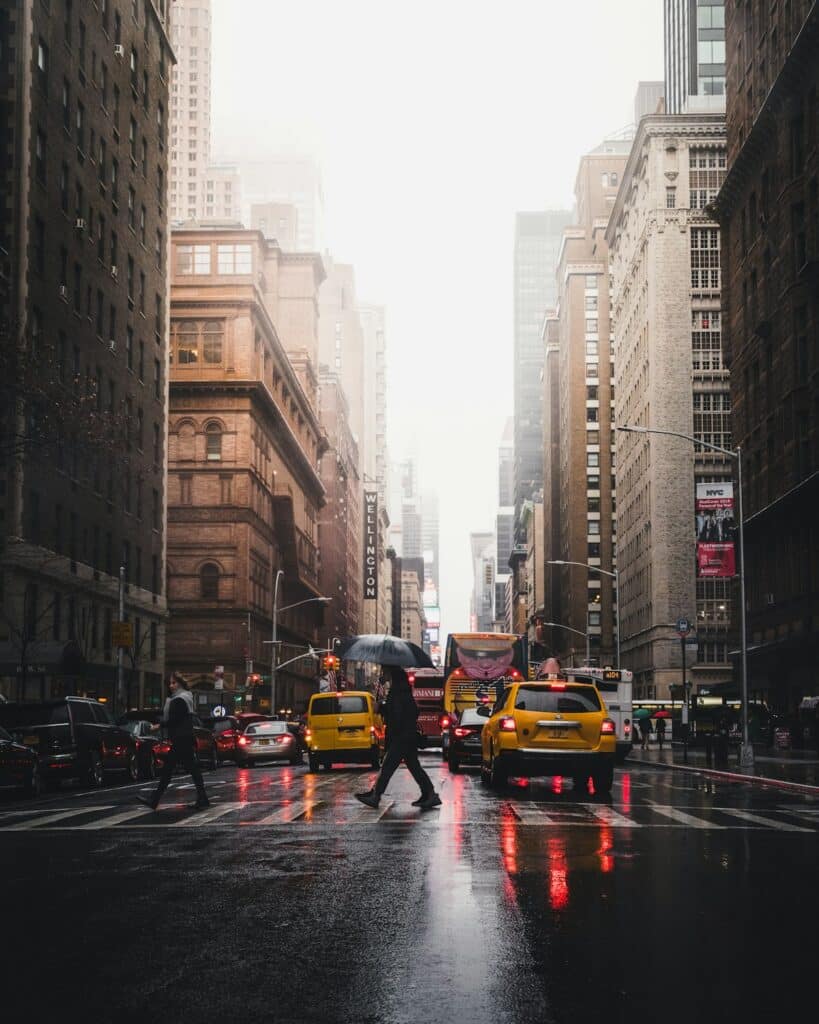
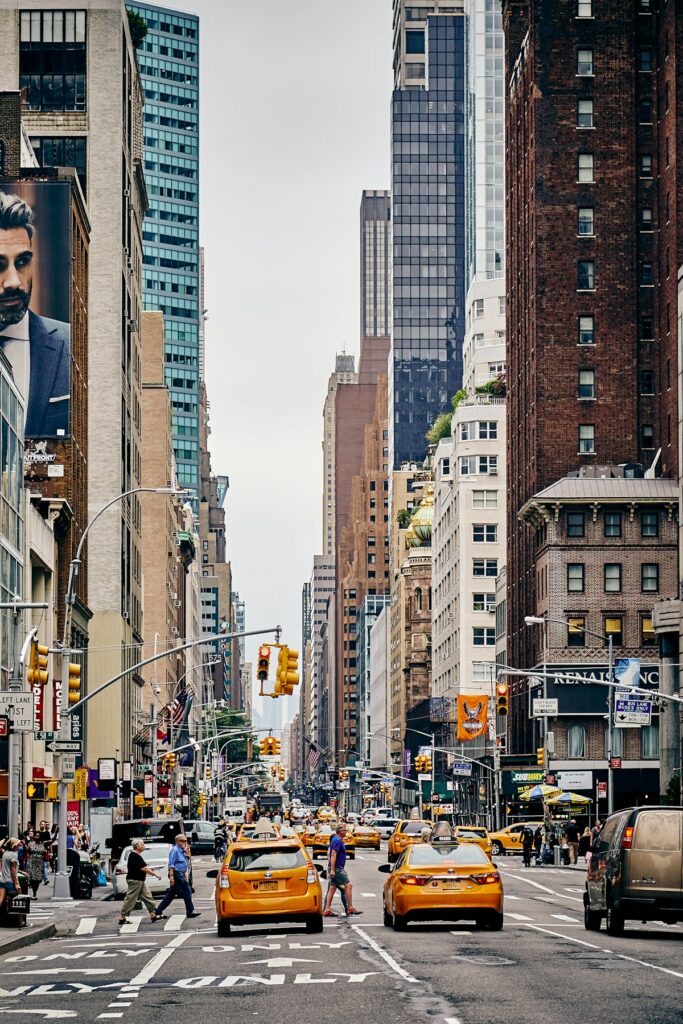
We are not suggesting you skip the Empire State Building or Central Park entirely. Those are iconic for a reason. But we do think it is worth asking whether standing in a two-hour queue for a view from a crowded observation deck is the best use of your time.
The main attractions in Manhattan are expensive, crowded, and often feel transactional. The offbeat experiences — a tucked-away garden in the West Village, a historic tenement museum on the Lower East Side, a dumpling crawl through Flushing — give you context. They teach you how the city functions, who lives here, and why New York feels like twenty different cities stitched together.
We recommend building your itinerary around one or two major sights per day, then filling the rest with the kinds of experiences listed below. This approach costs less, exposes you to more of the city, and almost always leads to better stories.
Hidden History & Architecture
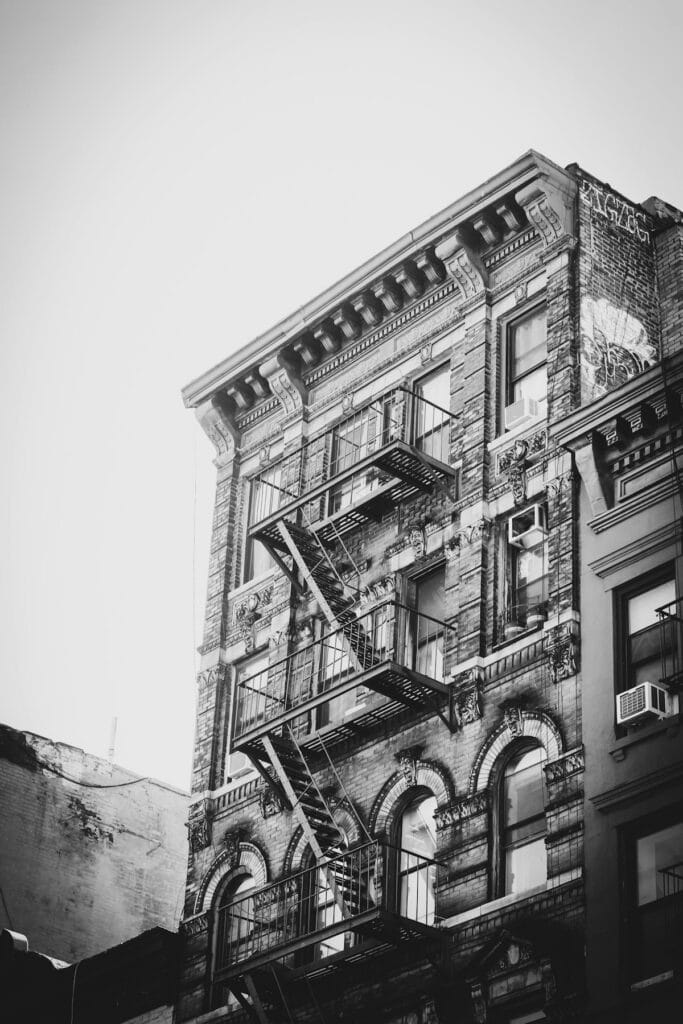
New York's history is layered into its buildings, its streets, and its infrastructure. These spots reveal stories that most visitors walk right past.

City Hall Subway Station (Manhattan)
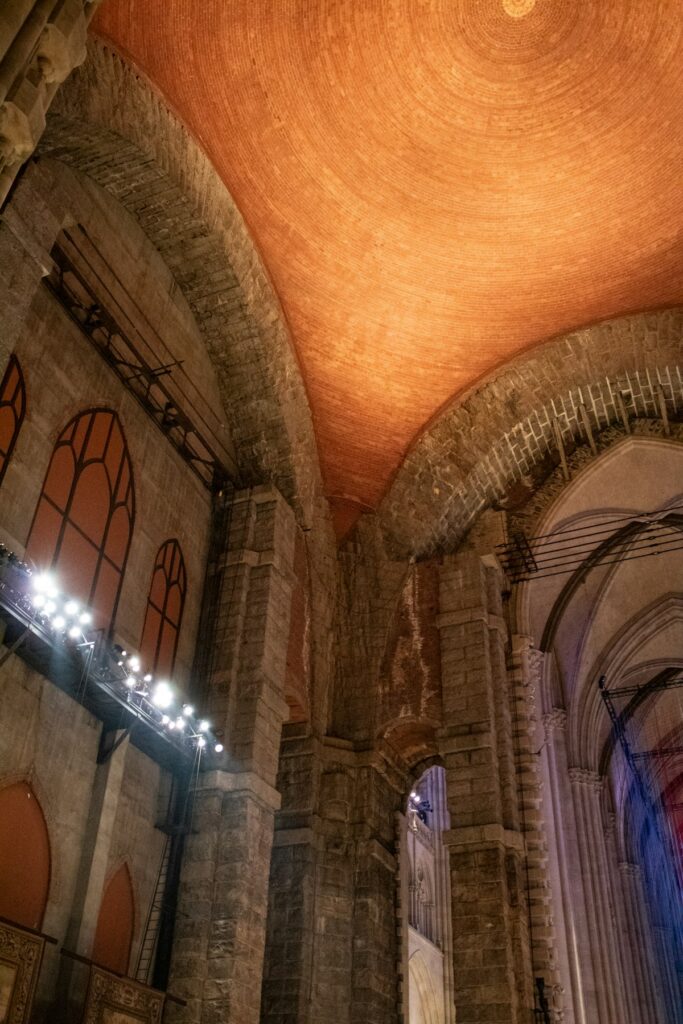
The original City Hall subway station, opened in 1904, is one of the most beautiful transit spaces in the world. It features Guastavino tile vaulting, skylights, and brass chandeliers. The station is no longer in regular use, but you can still see it by staying on the 6 train past its final stop at Brooklyn Bridge-City Hall. The train loops through the old station before heading back uptown. It costs nothing extra beyond a standard subway fare.
The Cloisters (Manhattan)
Technically part of the Metropolitan Museum of Art, The Cloisters is so far north in Fort Tryon Park that most visitors never make the trip. It houses medieval art and architecture in a building constructed from pieces of European monasteries. The gardens, the unicorn tapestries, and the views over the Hudson River make this one of the most peaceful spots in the entire city. Admission is pay-what-you-wish for New York residents; out-of-state visitors pay $30, though the ticket includes same-day access to the main Met building.
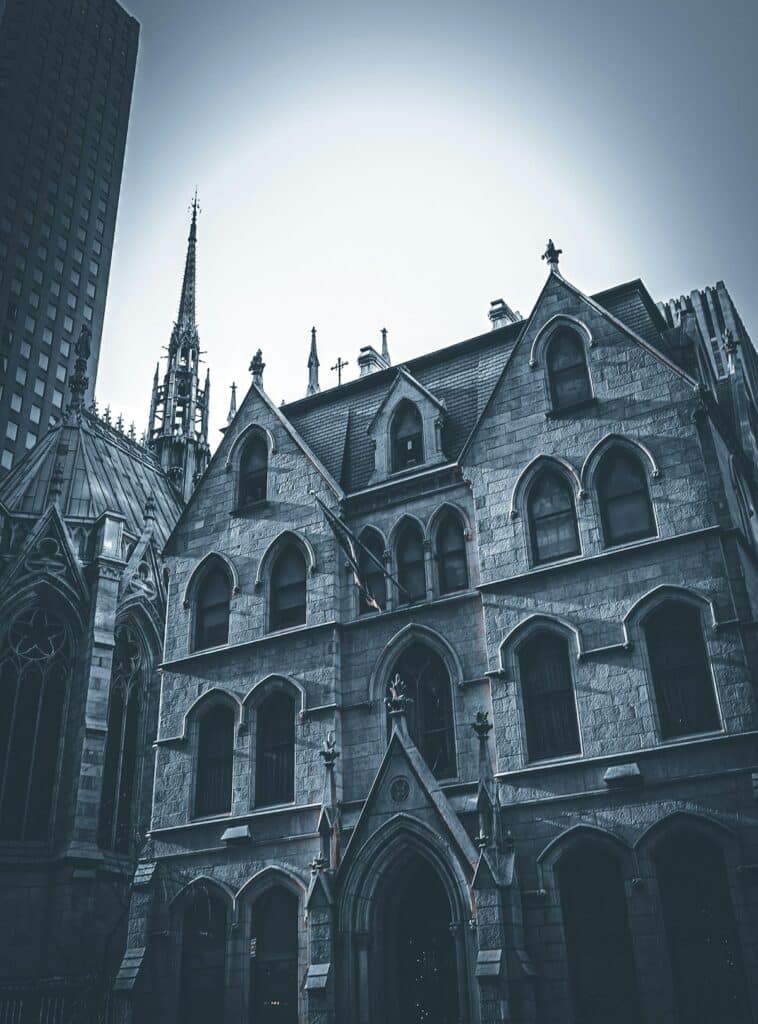
Grand Central Terminal's Hidden Details (Manhattan)
Most people pass through Grand Central as a transit hub, but the building is filled with secrets. The Whispering Gallery outside the Oyster Bar lets two people stand at opposite corners and hear each other speak at a normal volume. The ceiling depicts the winter night sky with one section painted backwards — a mistake allegedly left uncorrected. There is also a hidden tennis court on the fourth floor and a secret train platform (Track 61) used by Franklin D. Roosevelt. Exploring the terminal costs nothing.
The Elevated Acre (Manhattan)
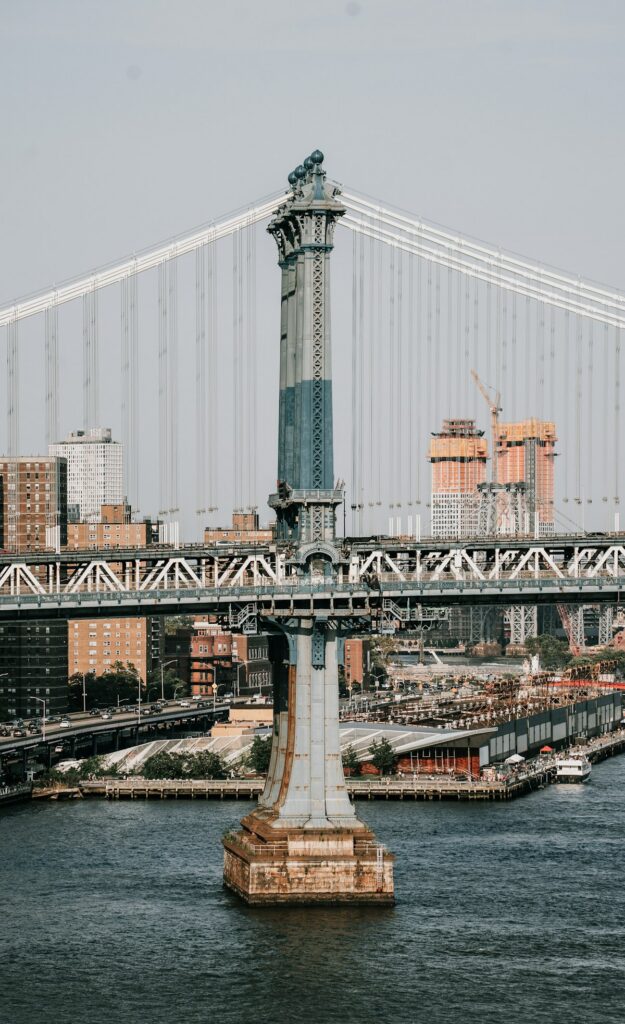
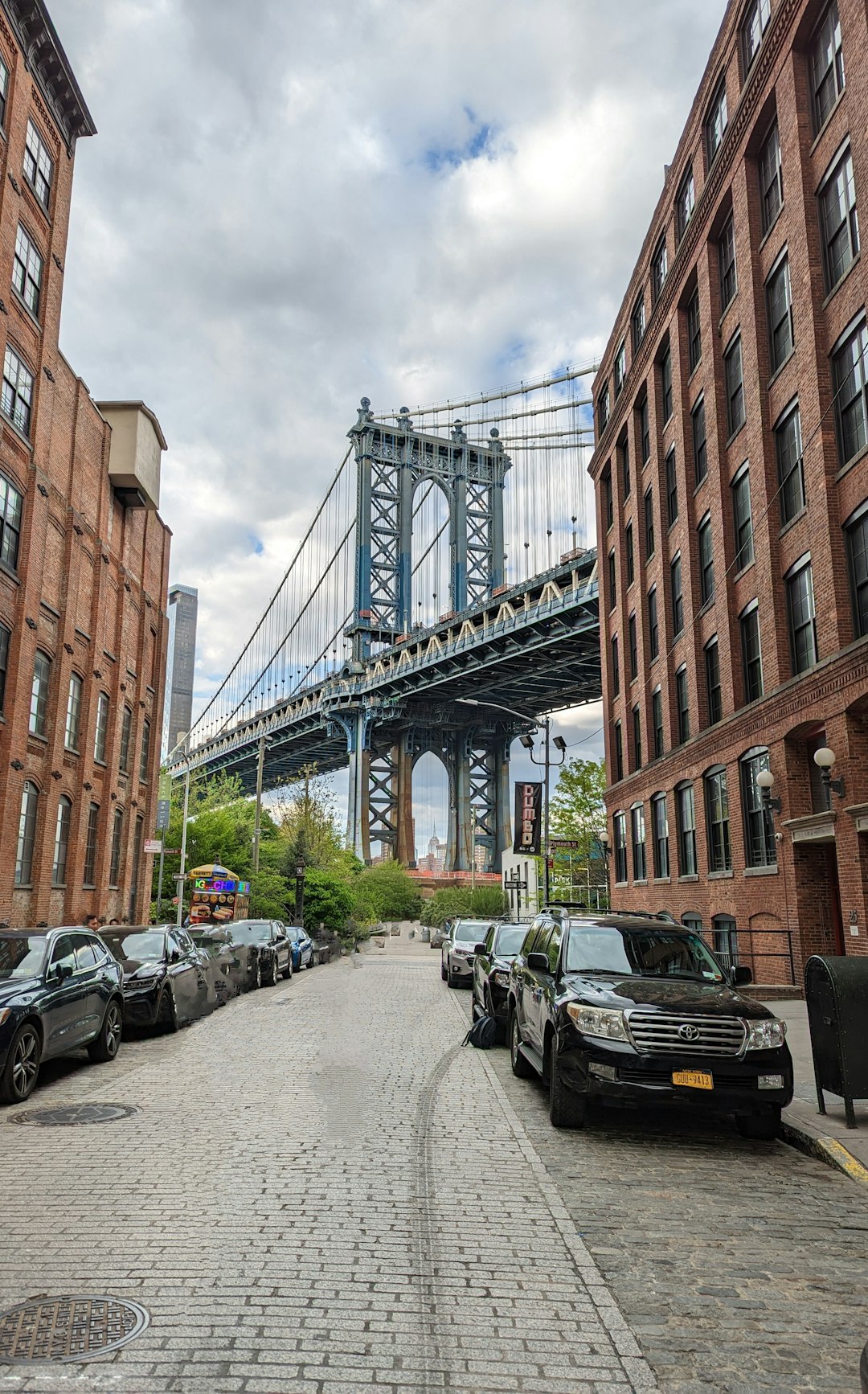
Tucked behind a corporate building at 55 Water Street in the Financial District, the Elevated Acre is a one-acre elevated park with views of the East River and Brooklyn Bridge. Most tourists have never heard of it. It is open to the public, free, and particularly lovely at sunset. We think it is one of the best free views in Lower Manhattan without the crowds of the Brooklyn Bridge Park promenade.
The Little Red Lighthouse (Manhattan)
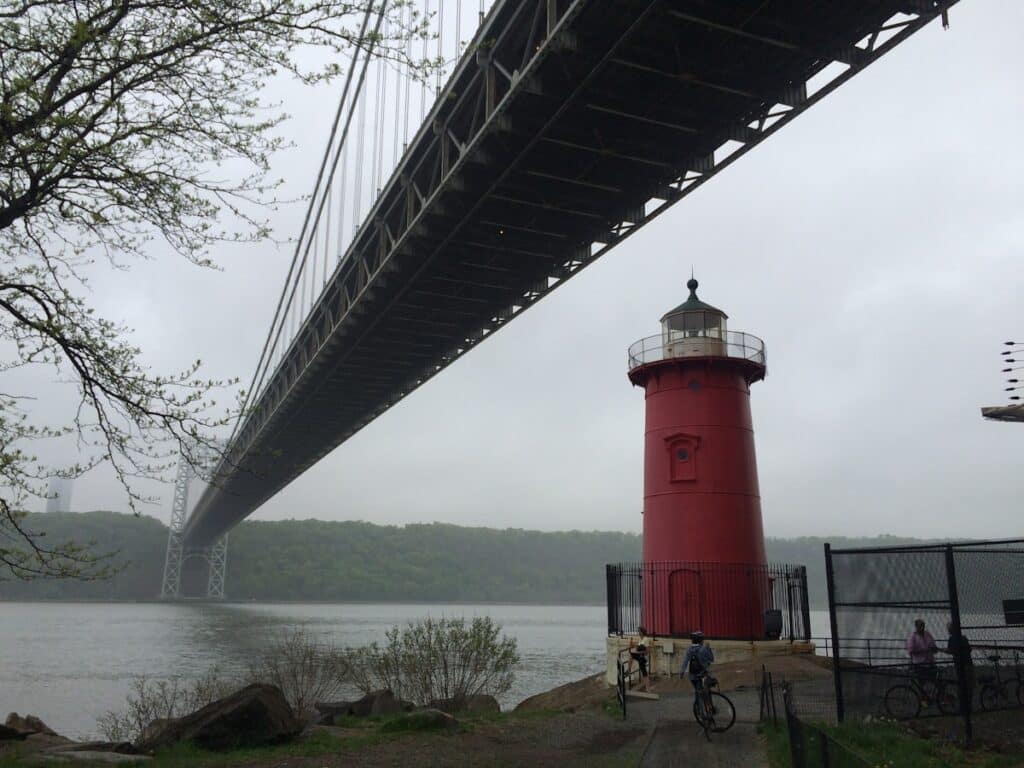
Under the George Washington Bridge, the Little Red Lighthouse is a pint-sized landmark with a children's book legacy. It is rarely visited by tourists because it requires a trek to Washington Heights. The surrounding park offers excellent Hudson River views, and the walk along the Hudson River Greenway is one of the best in the city. Free.
City Island (Bronx)
A former shipbuilding and oystering community, City Island feels like a New England fishing village dropped into the Bronx. It has seafood restaurants, small art galleries, and a pace of life completely unlike the rest of the city. Take the 6 train to Pelham Bay Park, then the Bx29 bus. The trip takes about an hour from Midtown Manhattan, but it feels like leaving the city entirely.
Secret Gardens & Quiet Spaces
New York is loud, fast, and dense. These spaces offer a break from all three.
The High Line's Northern Extension (Manhattan)
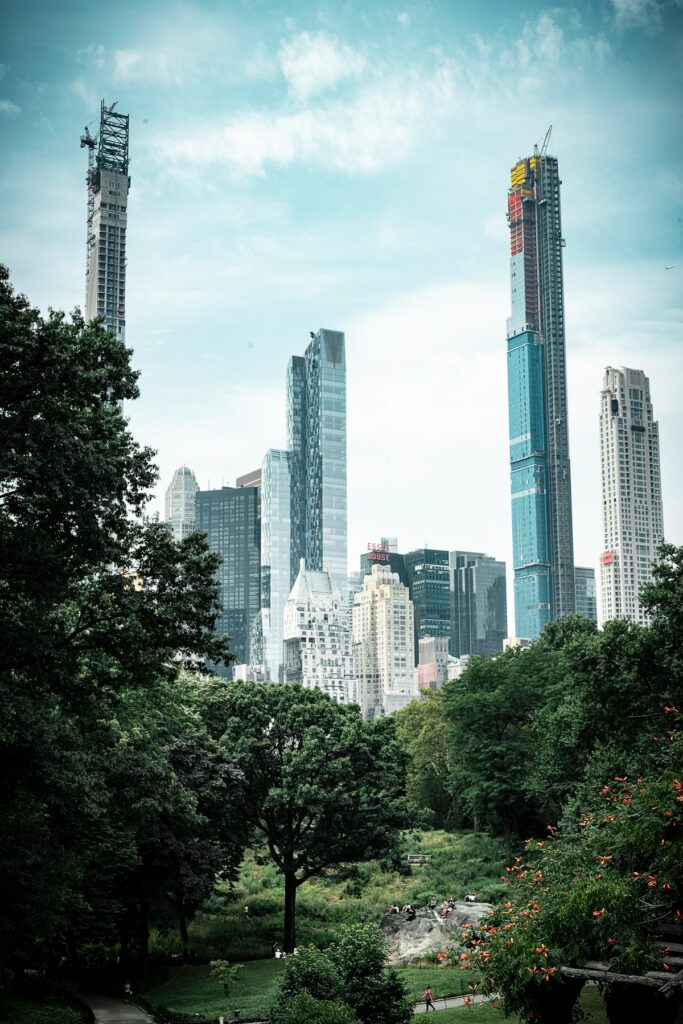
While the High Line itself is no longer a secret, most visitors turn around at Hudson Yards and miss the northern extension, the Spur, which opened in 2019. It features the largest public art space on the High Line, the Coach Passage, and significantly fewer crowds. Walk the full length from Gansevoort Street to 34th Street, but continue to the Spur at 30th Street and 10th Avenue for the best photo opportunities without the crowds.
Green-Wood Cemetery (Brooklyn)
A National Historic Landmark, Green-Wood Cemetery is 478 acres of rolling hills, gothic architecture, and famous graves — including Jean-Michel Basquiat, Leonard Bernstein, and Horace Greeley. It is also an exceptional birdwatching location, with over 200 species recorded. Free to enter; guided trolley tours cost $20. We recommend entering through the main gates at 25th Street and 5th Avenue and walking to Battle Hill for panoramic views of the city skyline.
The Brooklyn Botanic Garden (Brooklyn)
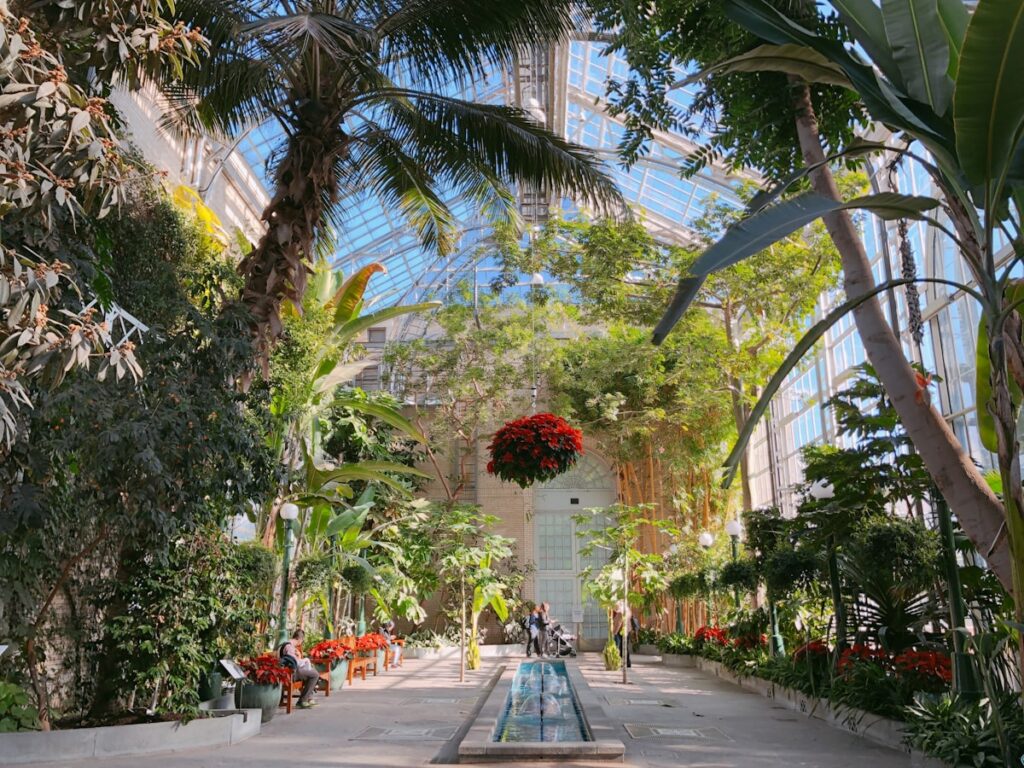
Smaller and less crowded than the New York Botanical Garden in the Bronx, the Brooklyn Botanic Garden is a 52-acre oasis next to the Brooklyn Museum. The Japanese Hill-and-Pond Garden and the Cherry Esplanade are particularly stunning in spring. Admission is $18 for adults, but it is free on winter weekdays and Friday mornings before noon.
Snug Harbor Cultural Center (Staten Island)
A former sailors' retirement home turned cultural campus, Snug Harbor features nine Greek Revival buildings surrounded by gardens, including the New York Chinese Scholar's Garden and the Connie Gretz Secret Garden. Take the Staten Island Ferry (free) and then the S40 bus. The grounds are free; individual buildings and gardens charge modest fees of $5 to $10.
The Garden at St. Luke in the Fields (Manhattan)
Hidden behind an iron gate in the West Village, this half-acre garden is open to the public and almost never crowded. It is planted with native species and maintained by volunteers. It feels like stepping into a private English garden in the middle of one of Manhattan's busiest neighbourhoods. Free.
Socrates Sculpture Park (Queens)
On the waterfront in Long Island City, Socrates Sculpture Park is a free outdoor museum and public park with rotating art installations, film screenings, and yoga classes. The views of the Manhattan skyline across the river are exceptional. We recommend combining this with a walk through nearby Astoria for lunch at one of the neighbourhood's Greek or Egyptian restaurants.
Long Island City makes a practical, less expensive base for exploring this stretch of Queens, with the Manhattan skyline visible right across the river. The Boro Hotel is a well-reviewed option a short walk from the waterfront.
Overlooked Museums & Galleries
New York has world-famous museums, but it also has dozens of smaller institutions that are more intimate, more specific, and often free or very affordable.

The Tenement Museum (Manhattan)
On the Lower East Side, the Tenement Museum tells the story of immigrant families who lived in a single building at 97 Orchard Street between 1863 and 1935. Guided apartment tours recreate the living conditions of Irish, Italian, Jewish, and Chinese immigrants. It is one of the most moving museum experiences in the city. Tours start at $30 and must be booked in advance.
The Museum at Eldridge Street (Manhattan)
Housed in a stunning 1887 Moorish Revival synagogue, this museum tells the story of Jewish immigrant life on the Lower East Side. The main sanctuary is stunning, with a Star of David window installed in 2010 after decades of restoration. Admission is $18; the building is still used for religious services, which adds a layer of living history.

The Museum of the Moving Image (Queens)
In Astoria, this museum is dedicated to film, television, and digital media. It features Jim Henson's original Muppet puppets, interactive exhibits on sound design and editing, and regular screenings of classic and contemporary films. Admission is $20, and it is easily accessible via the N or W train to 36th Avenue.
Astoria has a much quieter, more residential feel than Manhattan, and staying here puts you close to some of the city's best Greek food. The Fairfield Inn New York LaGuardia Airport/Astoria is a straightforward, well-located option for this part of Queens.
The Rubin Museum of Art (Manhattan)
Focused on Himalayan art and culture, the Rubin Museum is a quiet, contemplative space in Chelsea. The spiral staircase gallery is architecturally distinctive, and the museum regularly hosts meditation sessions and talks. Admission is $19, and the museum is open late on Fridays with live music and reduced admission.
Chelsea is a good base for gallery-hopping and easy High Line access without staying directly on top of it. The Hotel Chelsea is a well-reviewed, historic option right in the neighbourhood.


The Louis Armstrong House Museum (Queens)
In Corona, Queens, the preserved home of jazz legend Louis Armstrong offers guided tours through rooms left largely as they were when he lived there. The house contains original furnishings, recordings, and personal artefacts. It is a deeply personal look at one of America's greatest musicians. Tours are $18 and must be booked online.
Pioneer Works (Brooklyn)
A non-profit cultural centre in Red Hook, Pioneer Works hosts art exhibitions, concerts, lectures, and workshops in a converted ironworks factory. The monthly Second Sundays event offers free admission, open studios, and live performances. Red Hook itself is an industrial waterfront neighbourhood with excellent food and harbour views.
Neighbourhood Food Experiences
New York's food scene is one of its biggest draws, but the most memorable meals are rarely at the restaurants with the longest queues.
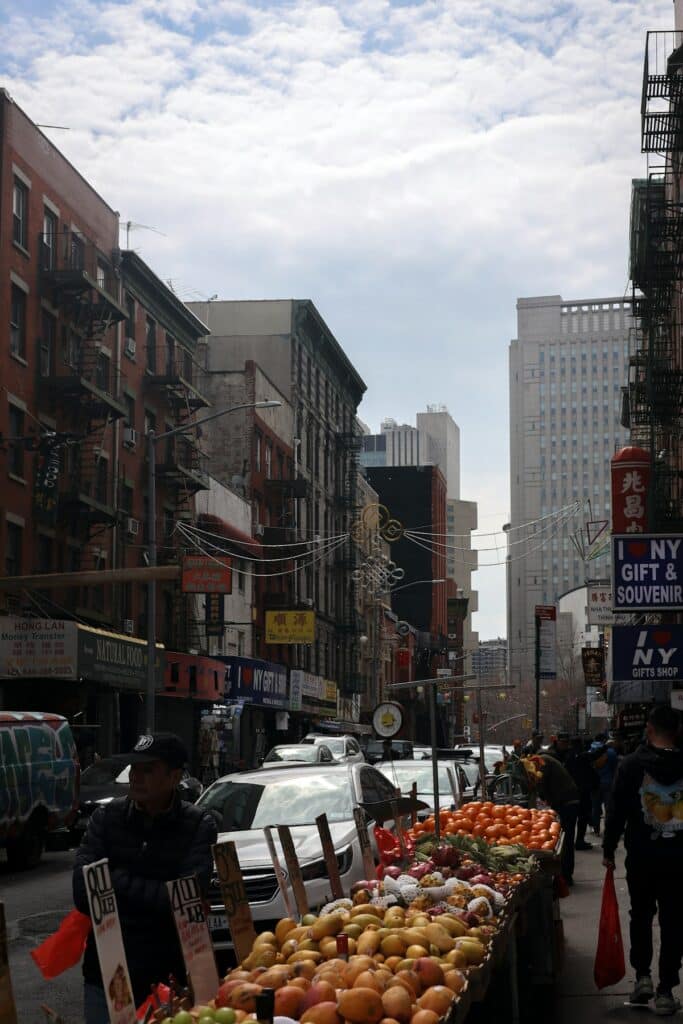
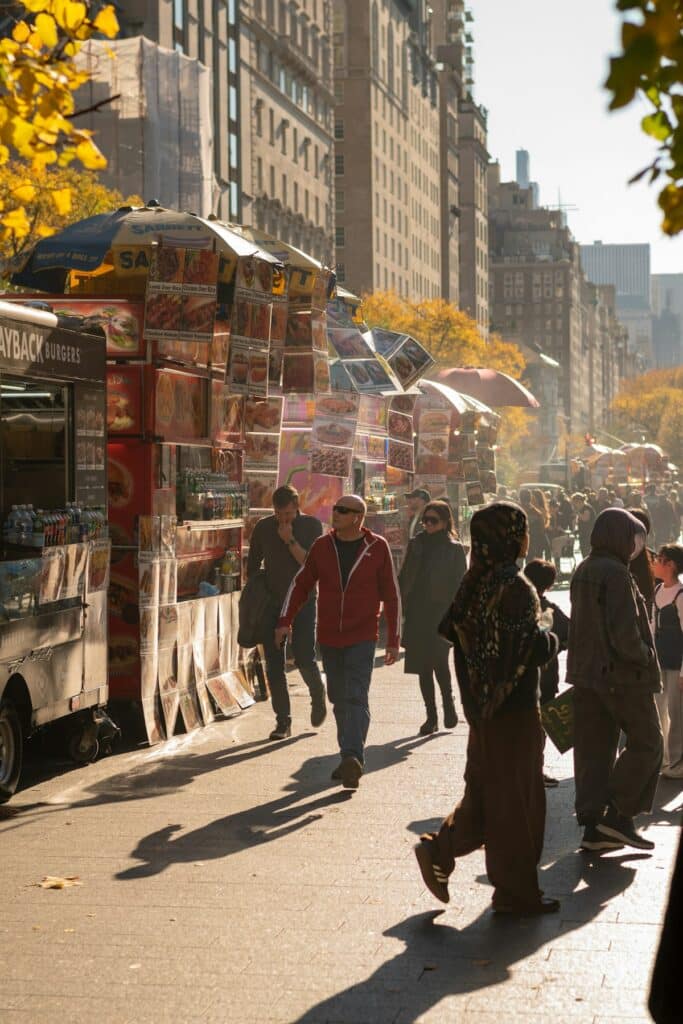
Flushing, Queens (Chinese & East Asian Food)
Flushing's Chinatown is larger and more authentic than the one in Manhattan. The New World Mall food court has over 30 vendors serving hand-pulled noodles, dumplings, soup dumplings, roasted duck, and bubble tea for $5–$12 per meal. We recommend the hand-pulled noodles at Lanzhou Hand-Pulled Noodles and the soup dumplings at Nan Xiang Xiao Long Bao. Flushing is also home to Korean, Japanese, and Malaysian restaurants that rival anything in Manhattan for a fraction of the price.
Jackson Heights, Queens (South Asian & Latin American)
Jackson Heights is one of the most diverse neighbourhoods in the world, and its food scene reflects that. The stretch of 74th Street and Roosevelt Avenue is lined with Indian, Nepali, Colombian, Ecuadorian, and Thai restaurants. The Jackson Heights Greenmarket runs during warmer months. We suggest doing a walking food tour through the neighbourhood — $25 goes an extraordinarily long way here.


Arthur Avenue, Bronx (Italian)
Arthur Avenue is the real Little Italy, not the tourist version in Manhattan. The indoor Arthur Avenue Retail Market has butchers, bakers, cheese shops, and pasta makers that have operated for generations. Grab a sandwich at Casa Della Mozzarella, pasta at Mike's Deli, and cannoli at Mario's. Most shops have been operating for 50+ years.
The Original Pizza Tour (Brooklyn)
NYC pizza is legendary, but the best pizzerias are rarely the ones with the longest lines in Manhattan. Walk through Brooklyn: begin at Di Fara Pizza in Midwood (cash only, expect a wait), then L&B Spumoni Gardens in Gravesend for square Sicilian slices, then Totonno's in Coney Island. Each represents a different era and style of New York pizza. Budget about $5–6 per slice.
Smorgasburg (Brooklyn & Manhattan)
An open-air food market that runs from April through October, Smorgasburg brings together dozens of food vendors selling innovative and culturally diverse street food. The original location is at East River State Park in Williamsburg, Brooklyn, on Saturdays. There is also a Manhattan location at the World Trade Center on Fridays and an outpost in Prospect Park on Sundays. Entry is free; food costs $8–$15 per item.
Local Neighbourhood Walks
Walking is the best way to discover what NYC actually feels like. These walking routes avoid tourist zones and show you neighbourhoods with distinct character.
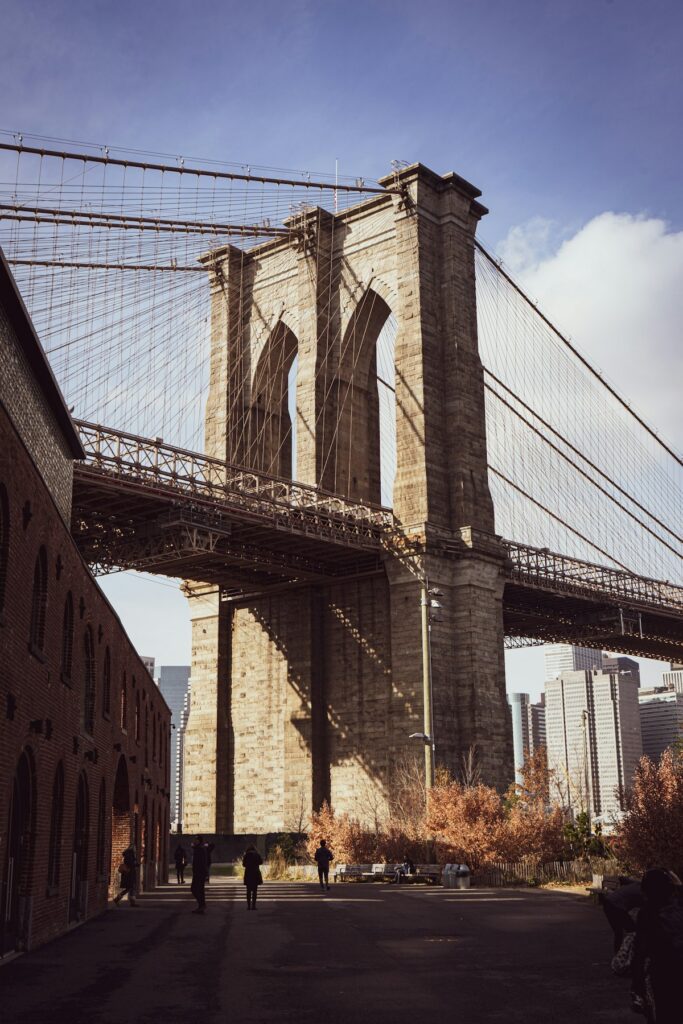
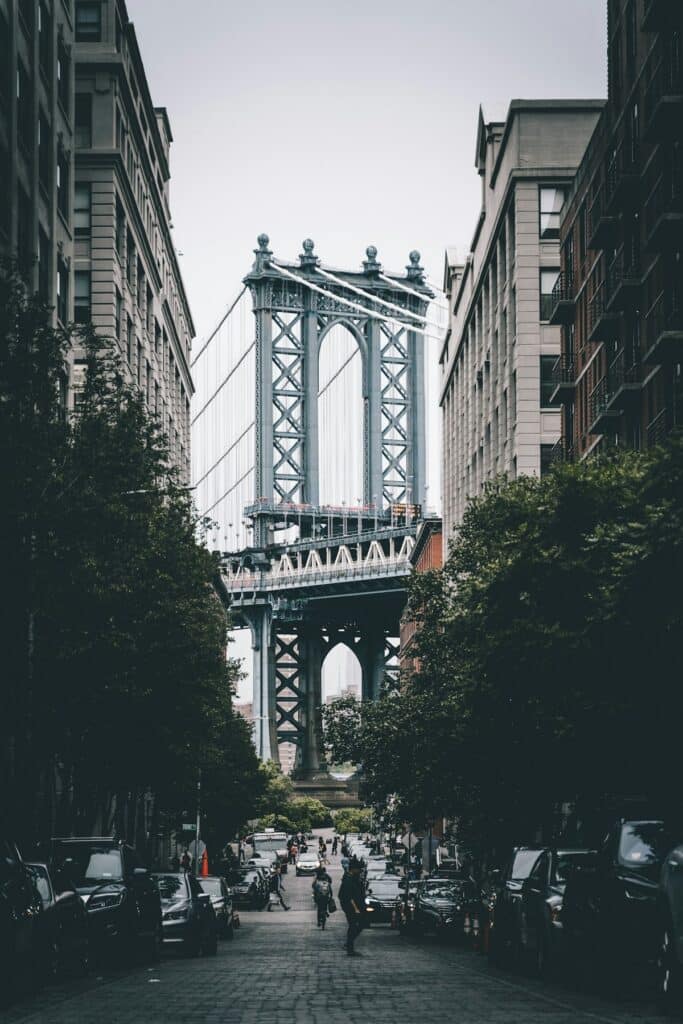
Carroll Gardens to Cobble Hill (Brooklyn)
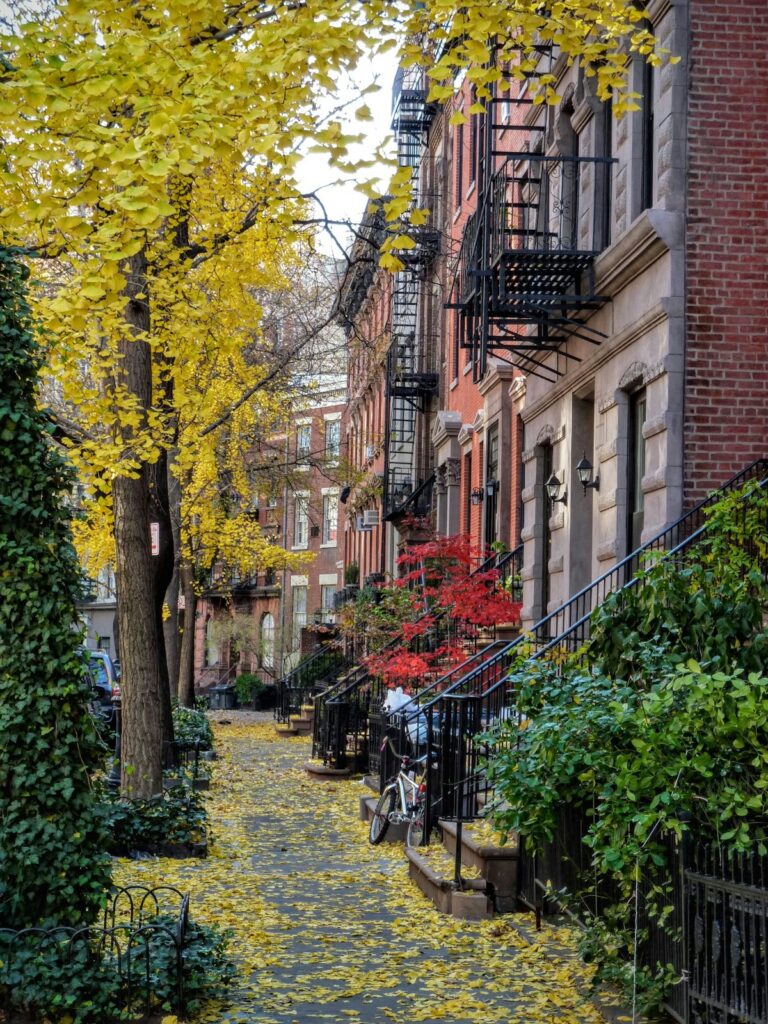
This walk covers some of the most beautiful residential streets in the city — brownstone buildings, tree-lined blocks, and small independent shops. Start at Court Street and Carroll Street, walk down to the Brooklyn Bridge Park waterfront, then loop back through the Brooklyn Heights Promenade for views of Lower Manhattan. Total walk time: 1.5 hours with stops.
The Gantry Plaza State Park Walk (Queens)
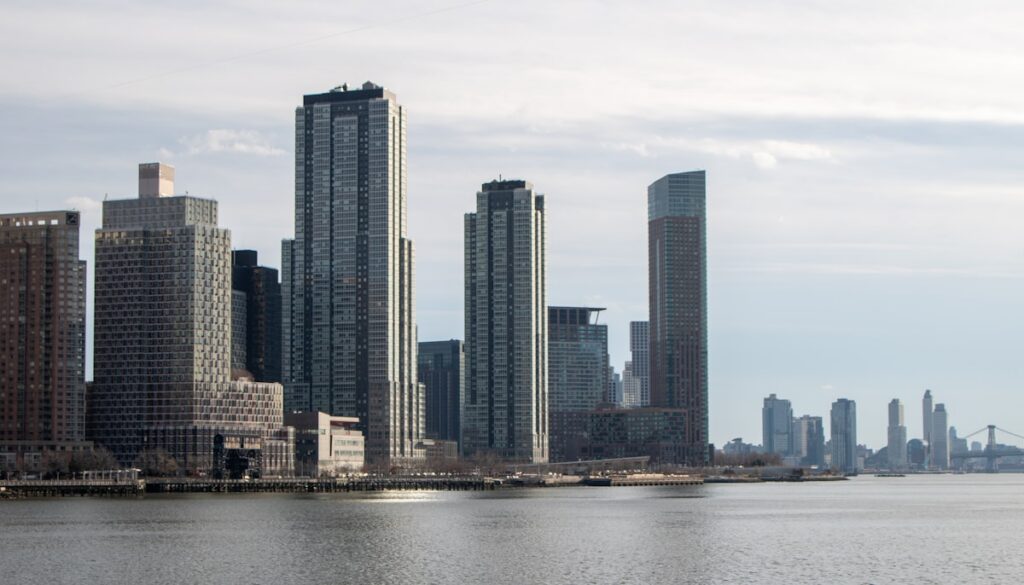
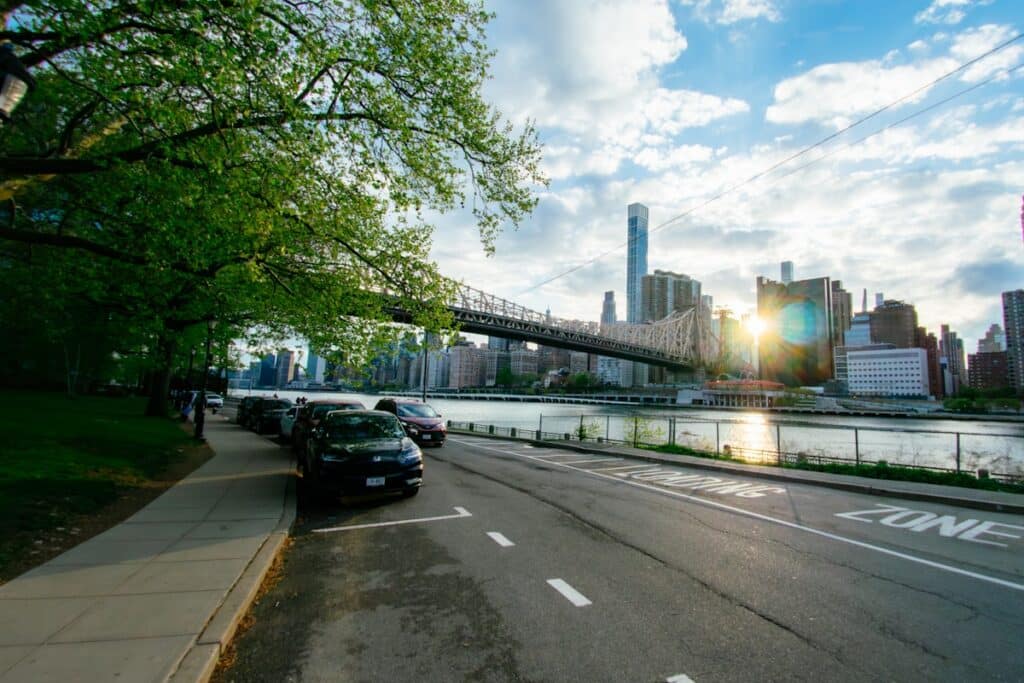
Start at Gantry Plaza State Park in Long Island City for unobstructed views of the UN Building and Midtown skyline — arguably some of the best skyline views in the city. Walk south along the waterfront past converted industrial buildings, public art installations, and new residential developments. Stop at the Pepsi-Cola sign for photos. Total walk time: 1 hour.
The High Line to Hudson Yards Elevated Walk (Manhattan)
Instead of stopping at the end of the High Line, continue through Hudson Yards into the Hudson River Greenway, then walk south along the waterfront all the way to Battery Park. This combined walk covers parks, public art, ferry terminals, and downtown skyline views. Total walk time: 2–3 hours, depending on how many stops you make.
Inwood Hill Park (Manhattan)
Inwood, at the northern tip of Manhattan, contains the last remaining natural forest and salt marsh in the borough. Inwood Hill Park has caves used by the Lenape people, hiking trails, and views of the Palisades across the Hudson. It is a completely different side of Manhattan than most visitors experience. Free. Take the A train to 207th Street.
How to Layer Offbeat Experiences Into a Classic NYC Itinerary
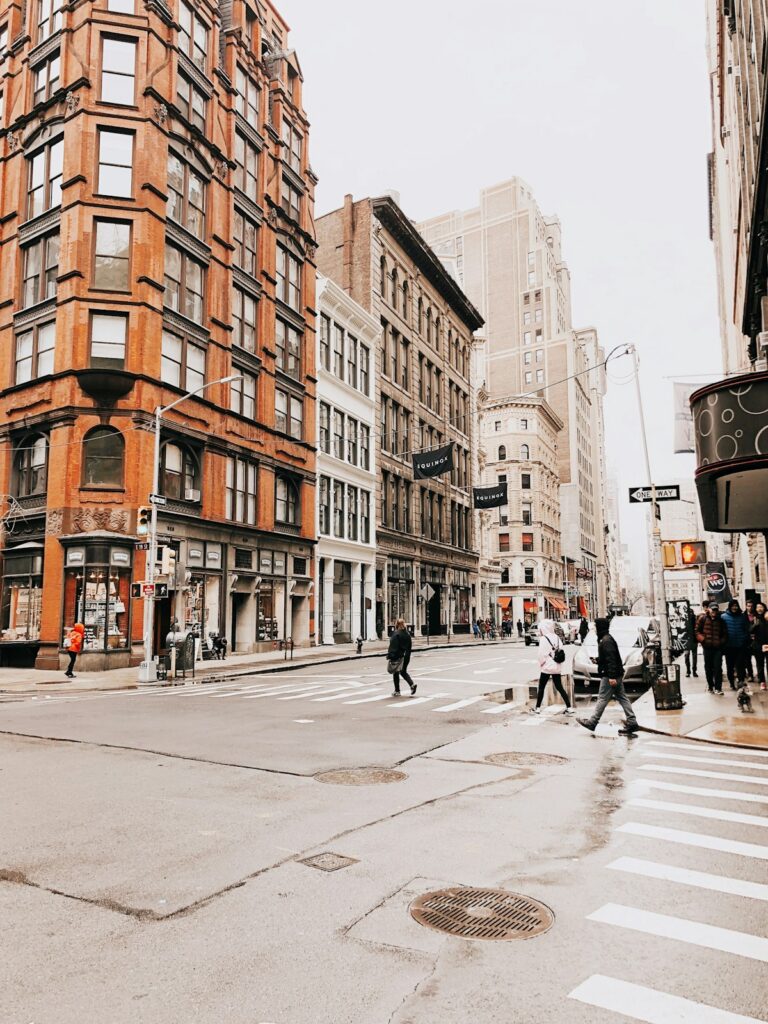
We think the best itineraries blend iconic sights with offbeat discoveries. Here is how to layer them.
If You Have 2 Days:
- Day 1 Morning: Walk the Brooklyn Bridge (classic) → Breakfast in Cobble Hill (offbeat) → Afternoon at the Tenement Museum (offbeat) → Evening food crawl through the Lower East Side (offbeat)
- Day 2 Morning: The Met or MoMA (classic) → Lunch in Korean Town (offbeat) → Afternoon walk through Hudson Yards and the High Line Spur (offbeat) → Sunset at the Elevated Acre (offbeat)
If You Have 4 Days:
- Day 3: Staten Island Ferry (free + classic views) → Snug Harbor (offbeat) → Return for dinner in Chinatown or Little Italy (semi-touristy)
- Day 4: Flushing food tour (offbeat) → Louis Armstrong Museum (offbeat) → Walk through the Queens Night Market or picnic at Gantry Plaza State Park (offbeat) → Evening Broadway show or rooftop bar (classic)
If You Have 7 Days or More:
- Use offbeat neighbourhood walks as your default morning activity (they are free and flexible)
- Reserve one meal per day for a neighbourhood food experience
- Dedicate one full day to the outer boroughs (Queens, Bronx, or Staten Island)
- Save the expensive, popular attractions for sunny weekdays when lines are shortest
Staying Connected in NYC
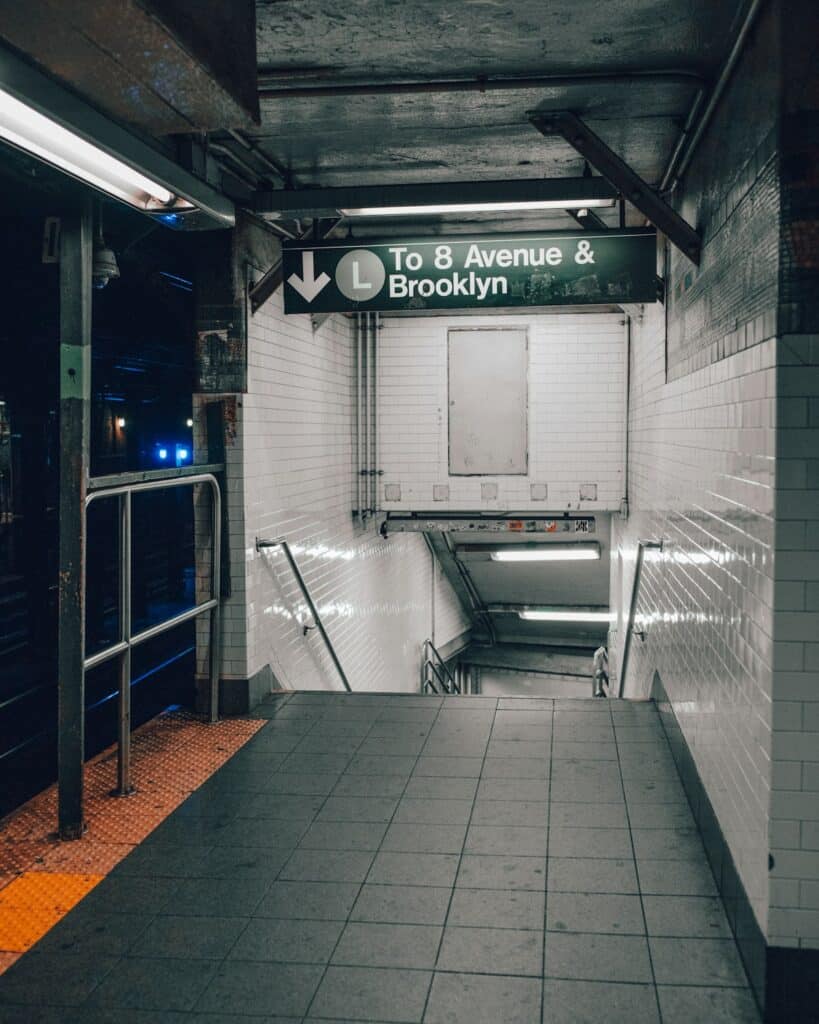
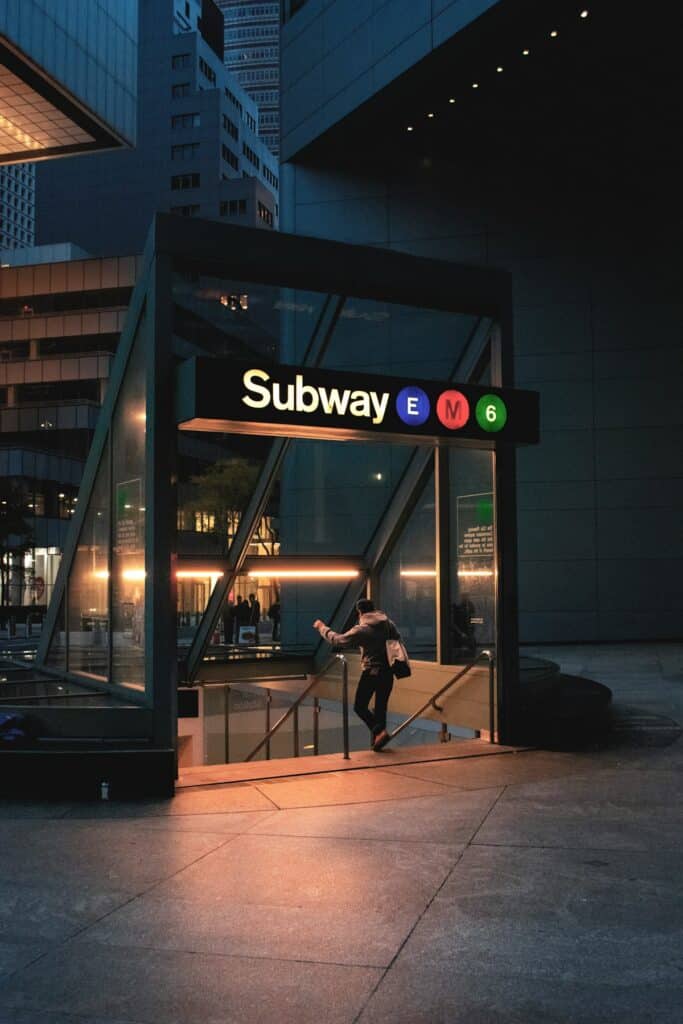
Navigating five boroughs with offbeat destinations requires reliable mobile data. Google Maps, restaurant reviews, subway schedules, and discovery apps like Atlas Obscura are practically essential for this kind of trip.
We recommend [checking our eSIM options for the United States] for affordable, pre-activated mobile data that works the moment you land. You can set everything up online before you leave, and you will have instant access to maps and recommendations across all five boroughs without worrying about international roaming charges.
Frequently Asked Questions
Is it possible to visit offbeat attractions without spending extra money on transport?
Yes. Most of the spots in this guide are accessible via the New York City subway, which costs $2.90 per ride (or $34 for a 7-day unlimited MetroCard). Walking between spots is also free and often the best way to discover things.
How safe are the outer boroughs for tourists?
Neighbourhoods like Flushing, Astoria, Jackson Heights, and Carroll Gardens are as safe as most parts of Manhattan. Standard city precautions apply — keep valuables secured, stay aware of your surroundings at night, and avoid empty subway cars.
What is the best resource for discovering offbeat places in real time?
We like Atlas Obscura, the free NYC Culture Pass (which grants free entry to dozens of museums with a library card), and neighbourhood-specific Instagram accounts. The Time Out New York events listing is also useful.
Can I visit Staten Island attractions without a car?
Yes. The Staten Island Ferry runs 24 hours a day and is completely free. From the St. George Terminal, you can reach Snug Harbor Cultural Center, the Staten Island Zoo, and the Staten Island Museum via local buses.
Which offbeat attractions are best for families with children?
The Museum of the Moving Image, the Little Red Lighthouse, Socrates Sculpture Park, and the Coney Island boardwalk (off-season) are all excellent for children. Green-Wood Cemetery offers family-friendly scavenger hunt programmes during summer weekends.
Final Thoughts
New York City is not just Times Square and the Statue of Liberty. It is a city of neighbourhoods, each with its own history, food, architecture, and culture. The most rewarding trips are the ones that leave room for discovery — a random detour into a garden, a conversation with a local shopkeeper, a meal in a neighbourhood that you had never heard of before.
We believe the best way to experience NYC is to approach it with curiosity rather than a checklist. Use this guide as a starting point, but allow yourself to get lost. That is where the real New York lives.
Related Blog
Top Things to Do in New York City During the World Cup 2026
Top Things to Do in Los Angeles During the World Cup 2026
Top Things to Do in Miami During the World Cup 2026
Top Things to Do in Dallas During the World Cup 2026
Top Things to Do in Atlanta During the World Cup 2026
Other Destination Guide in North America
Best eSIM for North America World Cup 2026 Guide: USA, Canada & Mexico Compared
Best eSIM for World Cup 2026: How to Stay Connected in USA, Canada & Mexico (Without Roaming Fees)
How Much Mobile Data Do You Need at the FIFA World Cup 2026? (Without Overpaying)
World Cup 2026 Travel Preparation: Get Your Phone Match-Ready (Tickets, Maps, Apps)
World Cup 2026 Travel Guide: Everything You Need to Know (Tickets, Trips, and Host Cities)
FIFA World Cup 2026 Travel Checklist Stress-Free Prep: Everything to Do Before You Go
World Cup 2026 Cities: Travel Warning & 15 Costly Travel Mistakes to Avoid
Add your first comment to this post